Bladder Cancer: 5 Subtle Early Symptoms You Should Never Ignore
Bladder cancer is one of the more common cancers affecting the urinary system, yet its early warning signs are often subtle and easy to overlook. Because many of these symptoms resemble common urinary issues such as infections or irritation, people may dismiss them as minor problems.
However, recognizing these early signals can make a significant difference. When bladder cancer is detected in its early stages, treatment outcomes are often much more successful. Understanding the possible warning signs helps people seek medical advice sooner and potentially prevent the disease from progressing.
Below are five early symptoms that may indicate bladder cancer, along with important information about why they occur and when to consult a healthcare professional.
1. Blood in the Urine (Hematuria)

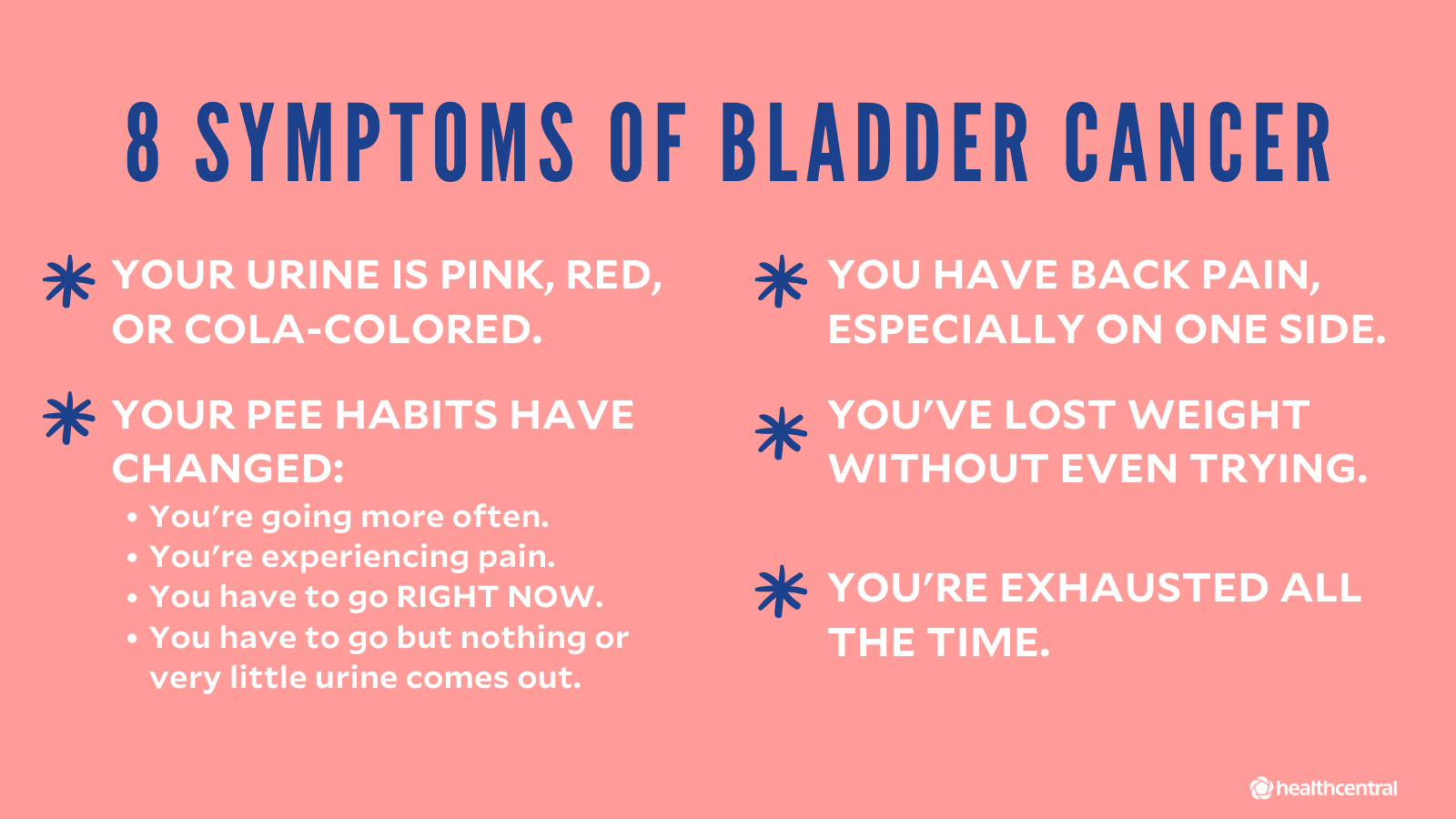

One of the most common early signs of bladder cancer is blood appearing in the urine, a condition known as hematuria.
This symptom may appear as:
-
Pink, red, or brown-colored urine
-
Small traces of blood visible during laboratory testing
-
Urine that appears normal sometimes but contains blood intermittently
In many cases, blood in the urine does not cause pain, which is why it may go unnoticed or ignored. Some individuals only discover it during routine medical tests.
While hematuria can also be caused by infections, kidney stones, or other non-cancerous conditions, it should always be evaluated by a healthcare professional.
2. Frequent Urination
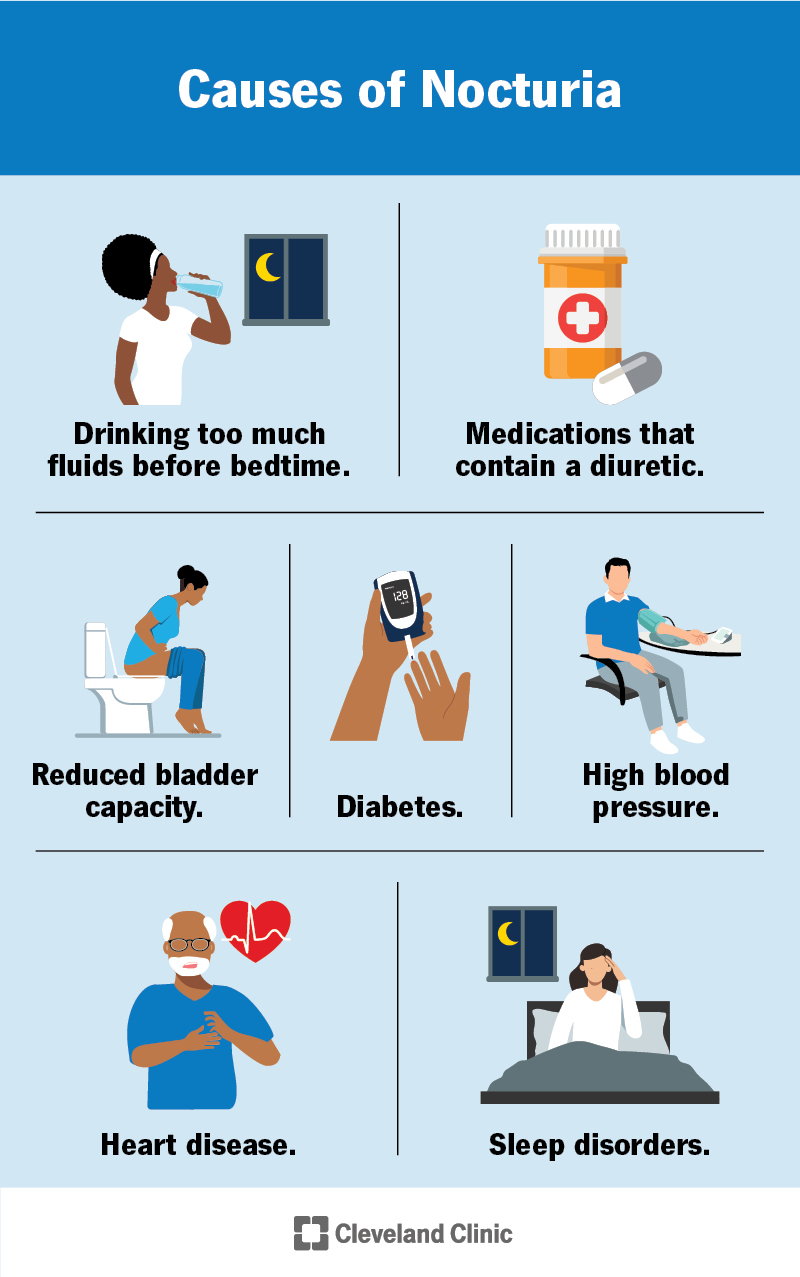
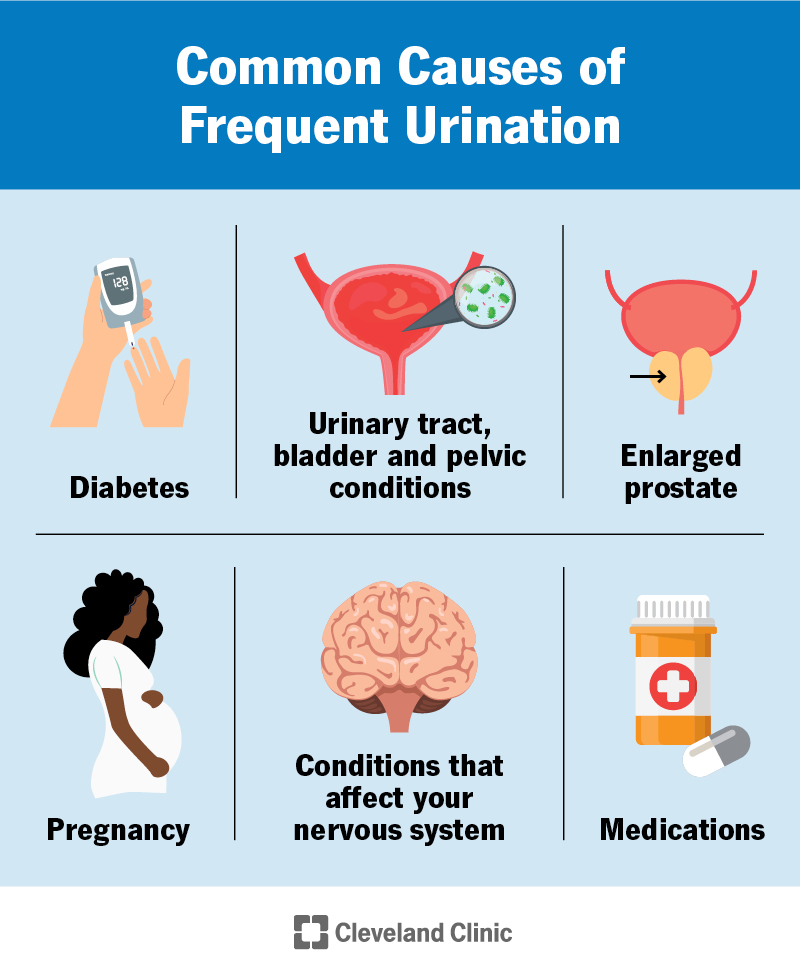

Another symptom that may appear early in bladder cancer is frequent urination, particularly when it occurs without increased fluid intake.
People may notice:
-
Needing to urinate more often during the day
-
Waking up multiple times during the night to urinate
-
Feeling an urgent need to urinate even when the bladder is not full
These symptoms occur because the tumor may irritate the lining of the bladder, triggering signals that make the body feel the need to empty the bladder more frequently.
However, frequent urination is also common with urinary tract infections and prostate enlargement, so medical evaluation is necessary to determine the cause.
3. Pain or Burning During Urination
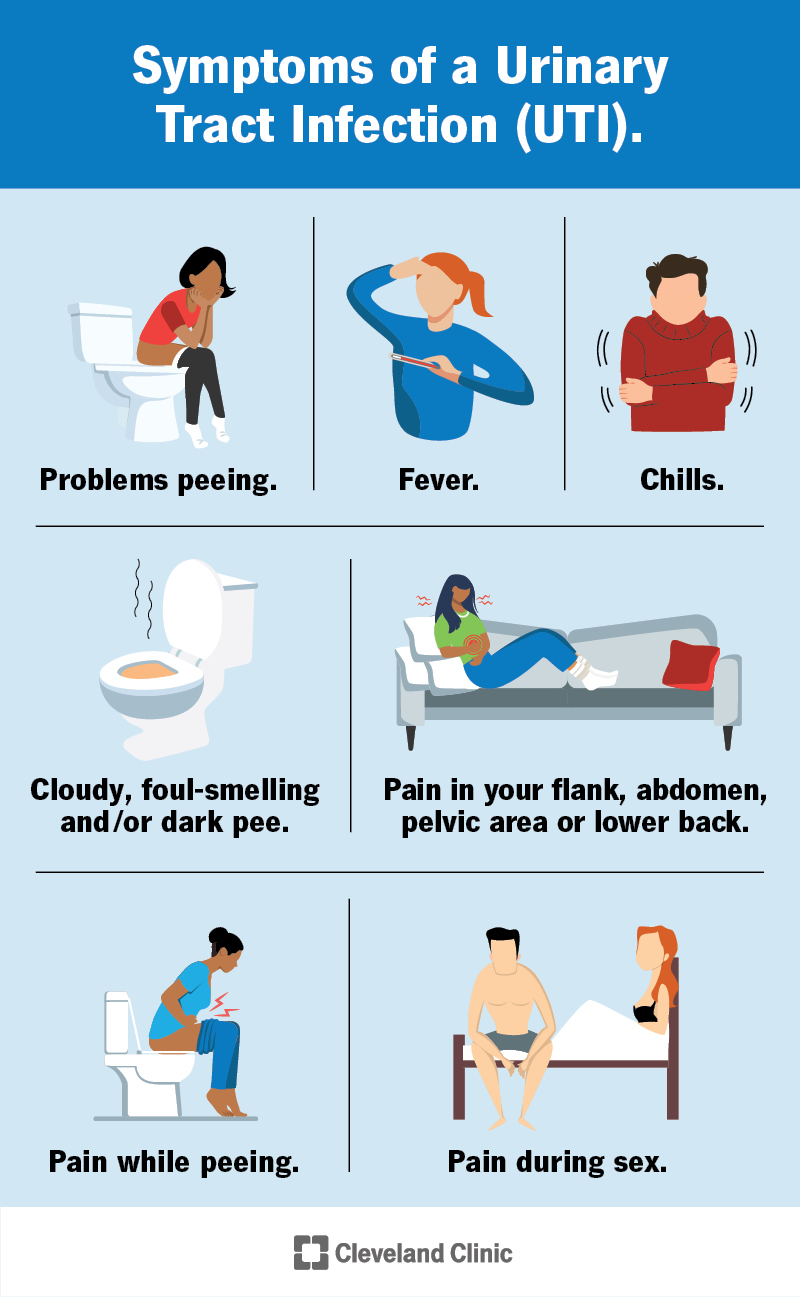

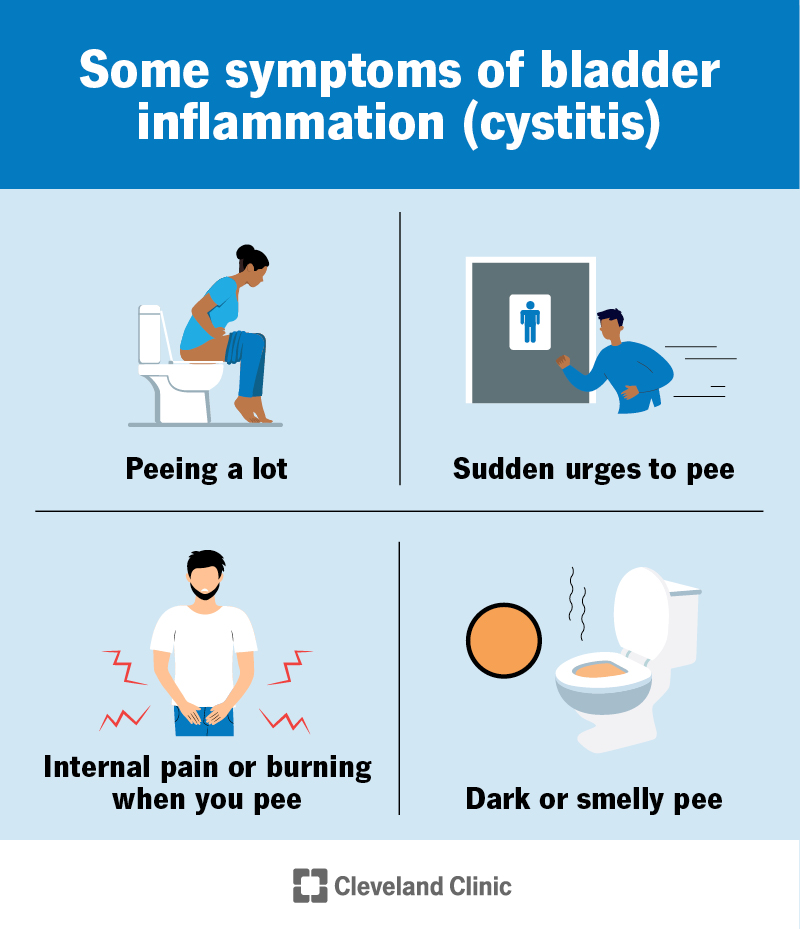
Some individuals with bladder cancer may experience pain, burning, or discomfort while urinating.
This symptom may feel similar to a urinary tract infection. The irritation occurs because abnormal cells within the bladder lining can inflame surrounding tissues.
Symptoms may include:
-
A burning sensation while urinating
-
Pelvic discomfort
-
Pressure in the lower abdomen
If these symptoms persist despite treatment for infection, further testing may be required to rule out more serious conditions.
4. Pelvic or Lower Back Pain


As bladder cancer progresses, some individuals may begin to experience pain in the pelvis or lower back.
This pain can develop when a tumor begins affecting nearby tissues or organs. It may appear as:
-
Persistent pelvic discomfort
-
Pain in the lower back near the kidneys
-
Pressure in the bladder area
While occasional back pain is common and usually harmless, persistent pain combined with urinary symptoms should not be ignored.
5. Difficulty Urinating or Weak Urine Flow



Another possible early symptom of bladder cancer is difficulty urinating or a weak urine stream.
This may occur when growths in the bladder interfere with normal urine flow. Individuals may notice:
-
Trouble starting urination
-
A weak or interrupted stream
-
Feeling that the bladder has not fully emptied
These symptoms can also occur with prostate enlargement or other urinary disorders, which is why proper medical evaluation is essential.
Who Is at Higher Risk for Bladder Cancer?
Several factors may increase the likelihood of developing bladder cancer, including:
-
Smoking
-
Long-term exposure to certain industrial chemicals
-
Chronic bladder irritation or infections
-
Age over 55
-
Family history of bladder cancer
Smoking is considered one of the most significant risk factors, as harmful chemicals in tobacco can accumulate in urine and damage bladder cells.
Why Early Detection Matters
Bladder cancer is often highly treatable when detected early. Many early-stage cases are treated successfully with minimally invasive procedures and targeted therapies.
Because the symptoms may resemble common urinary issues, it is important not to dismiss persistent changes in urinary habits or unexplained blood in the urine.
Routine medical checkups and timely testing can significantly improve outcomes.
Final Thoughts
Bladder cancer often develops quietly, but the body may provide early signals that something is wrong. Symptoms such as blood in the urine, frequent urination, burning sensations, pelvic pain, or difficulty urinating should never be ignored if they persist.
Although these symptoms do not always indicate cancer, they warrant medical attention to determine the underlying cause.
Listening to the body and seeking professional evaluation when unusual symptoms appear can play a vital role in protecting long-term health.