What Happens to People Who Regularly Eat Sweet Potatoes for Breakfast Over a Long Period of Time?
A simple sweet potato breakfast may offer surprising long-term benefits.
⏱️ 1 min read 15/08/2026 17:10
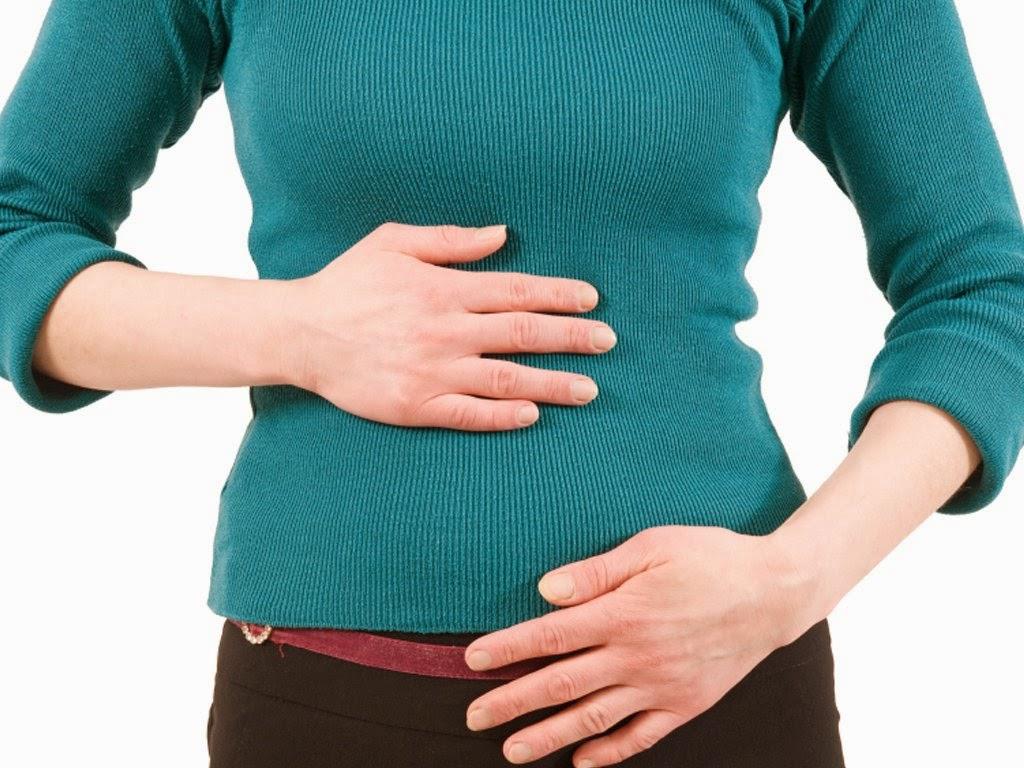
Bloating and constipation are two of the most common digestive complaints. They can make your stomach feel uncomfortable, leave you feeling unusually full, and sometimes make everyday activities surprisingly difficult.
Constipation generally means having bowel movements less often than usual, passing hard or lumpy stools, or having difficulty emptying your bowels. Bloating is the sensation of fullness, pressure, or swelling in the abdomen.
The two problems often occur together. When stool moves slowly through the digestive tract, gas can accumulate and contribute to abdominal discomfort.
Fortunately, many mild cases can improve with simple lifestyle changes. The key is to make changes gradually and pay attention to how your body responds.
Here are practical strategies that may help.

One of the simplest things you can do is maintain adequate hydration.
Water helps keep stool softer and supports normal digestive function. If you're dehydrated, your body may absorb more water from the contents of your intestines, potentially making stools harder.
Instead of drinking a huge amount at once, try having fluids regularly throughout the day.
Good options include:
Water
Unsweetened herbal tea
Broths
Water-rich fruits and vegetables
Your individual fluid needs depend on your body size, activity level, climate, diet, and medical conditions.
If you've been instructed to restrict fluids because of heart, kidney, or another medical condition, follow your healthcare professional's advice rather than increasing your fluid intake on your own.
Fiber is one of the most important nutrients for healthy bowel function.
It can help increase stool bulk and, depending on the type of fiber, help stool retain water.
Good sources include:
Oats
Beans
Lentils
Pears
Apples
Berries
Vegetables
Whole grains
Chia seeds
Flaxseeds
Nuts
However, there's an important catch:
Increasing fiber too quickly can make bloating worse.
If your current diet is low in fiber, don't suddenly double your intake.
Instead, increase it gradually over several days or weeks and drink enough fluids.
Not everyone responds to fiber in exactly the same way.
Some people find that beans, onions, garlic, or certain vegetables increase gas and bloating.
If you're particularly sensitive, start with foods that are often easier to tolerate, such as:
Oatmeal
Kiwi
Berries
Cooked vegetables
Chia seeds
Ground flaxseed
Whole-grain foods
You can gradually experiment with other sources as your digestive system adapts.
The goal isn't to eliminate every food that causes temporary gas.
It's to find a sustainable eating pattern that supports regular bowel movements without causing excessive discomfort.
Certain fruits may be particularly useful for people dealing with constipation.
Kiwi contains fiber and other compounds that may support bowel regularity.
Prunes, or dried plums, contain fiber and sorbitol, a naturally occurring sugar alcohol that can have a laxative effect in some people.
Other options include:
Pears
Plums
Apples
Berries
If you use dried fruit, remember that it is more concentrated in sugar and calories than fresh fruit, so portion size still matters.
When you feel the need to have a bowel movement, try not to repeatedly postpone it.
Ignoring the urge can contribute to stool remaining in the colon longer, where more water can be absorbed.
Over time, consistently delaying bowel movements may make constipation harder to manage.
Give yourself enough time to use the bathroom without rushing.
Your digestive system has natural patterns.
Many people find it easier to have a bowel movement after breakfast or another meal because eating stimulates activity in the colon.
Try setting aside a few minutes after breakfast to sit on the toilet.
You don't need to force anything.
Simply giving yourself a calm, regular opportunity can help establish a routine.
Your posture can make a surprisingly noticeable difference.
When sitting on a standard toilet, placing your feet on a small footstool can raise your knees above your hips.
This position can make it easier for some people to relax the pelvic floor and pass stool.
Avoid excessive straining.
If you regularly need to strain hard to have a bowel movement, talk with a healthcare professional.
Physical activity can support normal bowel function.
You don't necessarily need an intense workout.
Simple activities such as:
Walking
Cycling
Swimming
Stretching
Light strength training
can be useful.
Even a short walk after a meal may help you feel less sluggish and support normal gastrointestinal movement.
If you're currently inactive, start gradually.
Eating quickly can contribute to swallowing more air.
That extra air can increase belching and abdominal bloating.
Try:
Taking smaller bites
Chewing thoroughly
Eating without rushing
Taking breaks during meals
Slow eating also makes it easier to recognize when you're becoming full.
Fizzy drinks contain carbon dioxide.
Some of that gas can remain in the digestive tract and contribute to bloating.
If you're already feeling particularly bloated, temporarily reducing:
Soda
Sparkling water
Energy drinks
Other carbonated beverages
may help you determine whether they contribute to your symptoms.
This doesn't mean everyone needs to avoid sparkling water permanently.
Individual tolerance varies.
Certain foods are more likely to cause gas in some people.
Examples include:
Beans
Lentils
Onions
Garlic
Cabbage
Broccoli
Cauliflower
Some dairy products
Certain sugar-free sweeteners
This doesn't mean these foods are unhealthy.
Many are highly nutritious.
If a particular food consistently causes significant symptoms, keep a simple food-and-symptom diary and discuss the pattern with a healthcare professional or dietitian.
If bloating, gas, abdominal discomfort, or diarrhea consistently occur after consuming milk or other dairy products, lactose intolerance could be one possible explanation.
Lactose intolerance occurs when the body doesn't produce enough lactase to digest lactose effectively.
You may notice symptoms after:
Milk
Ice cream
Certain soft cheeses
Other lactose-containing foods
Some people tolerate yogurt or hard cheeses better than milk.
If you suspect lactose intolerance, don't automatically eliminate all dairy without considering alternatives for calcium and vitamin D.
A healthcare professional can help determine the best approach.
Some sugar-free products contain sweeteners such as:
Sorbitol
Mannitol
Xylitol
Erythritol
These can cause digestive symptoms in some people, particularly when consumed in larger amounts.
Sorbitol is especially relevant because it can draw water into the intestine and may have a laxative effect.
If you're experiencing unexplained bloating or diarrhea, check whether sugar-free gum, candy, protein bars, or other products are contributing.
High-sodium meals can cause your body to retain more water.
This may make you feel puffy or swollen, although water retention is not the same thing as digestive bloating.
Common sources of excess sodium include:
Processed meats
Instant noodles
Packaged soups
Chips
Fast food
Salty sauces
Frozen meals
Reducing heavily processed foods can therefore help with both overall health and the sensation of puffiness.
Large meals can make abdominal fullness more noticeable.
If you regularly feel extremely bloated after eating, try smaller portions distributed throughout the day.
Instead of one very large meal, you may feel better with several moderate meals.
However, don't automatically assume that eating more frequently is necessary for everyone.
The goal is simply to avoid portions that consistently trigger uncomfortable fullness.
Fiber supplements can help some people with constipation.
But starting with a large dose can lead to:
Gas
Bloating
Abdominal discomfort
If you're considering a supplement, start with a low amount and increase gradually according to the product instructions or healthcare advice.
Common types include:
Psyllium
Methylcellulose
Wheat dextrin
Psyllium is a type of soluble fiber that can help increase stool bulk and may improve bowel regularity for some people.
Drink adequate fluid when using fiber supplements unless you've been told to restrict fluids.
Not all fiber behaves the same way.
It dissolves in water and can form a gel-like material.
Sources include:
Oats
Barley
Beans
Apples
Citrus fruits
Psyllium
It adds bulk to stool and can help food move through the digestive tract.
Sources include:
Whole grains
Vegetable skins
Nuts
Seeds
Many vegetables
A balanced diet generally includes both.
This is a common mistake.
If your constipation is accompanied by significant bloating, eating enormous amounts of bran, beans, or raw vegetables may actually make you feel worse.
More isn't automatically better.
Increase fiber gradually and monitor your symptoms.
If constipation remains severe despite dietary changes, investigate the underlying cause rather than continuously adding more fiber.
Some medications and supplements can contribute to constipation.
Examples can include:
Certain opioid pain medications
Some antacids containing calcium or aluminum
Iron supplements
Some antidepressants
Certain blood-pressure medications
Some allergy medications
Never stop a prescribed medication on your own.
If constipation began after starting a new medication, tell your doctor or pharmacist.
They may be able to adjust the treatment or recommend a suitable strategy.
Laxatives can be useful when appropriately selected, but using them repeatedly without understanding why you're constipated isn't ideal.
Different types work differently.
These increase stool bulk.
These draw water into the intestine.
These stimulate intestinal movement.
The appropriate option depends on the cause of constipation and your medical history.
If you need laxatives frequently, speak with a healthcare professional rather than continuously treating the symptom yourself.
Some people find gentle abdominal massage relaxing and helpful for digestive discomfort.
You can use light pressure and circular movements across the abdomen.
Don't press hard.
Avoid abdominal massage if you have severe unexplained abdominal pain or a condition for which manipulation has been discouraged by your healthcare professional.
This is a supportive technique, not a treatment for serious causes of constipation.
The brain and digestive system are closely connected.
Stress can influence gastrointestinal function and may contribute to symptoms such as:
Bloating
Abdominal discomfort
Changes in bowel habits
Diarrhea
Constipation
Simple stress-management strategies can include:
Walking
Deep breathing
Meditation
Yoga
Regular sleep
Spending time outdoors
Relaxing before meals
Stress management won't solve every digestive problem, but it can be an important part of overall digestive health.
Poor sleep can affect many aspects of health, including appetite, stress levels, and possibly gastrointestinal function.
Try to maintain a consistent sleep schedule.
For most adults, approximately 7–9 hours of sleep per night is a reasonable target.
If you regularly have severe insomnia, loud snoring, or excessive daytime sleepiness, discuss those symptoms with a healthcare professional.
Alcohol can affect the digestive system and may contribute to bloating or gastrointestinal discomfort in some people.
If you're experiencing persistent digestive symptoms, reducing alcohol consumption can be a useful experiment.
The internet is full of drinks claiming to "flush out" the digestive system.
These may contain:
Herbal laxatives
Large amounts of caffeine
Apple cider vinegar
Concentrated lemon juice
Other supplements
You don't need a detox drink to remove "toxins" from your colon.
Your digestive tract and liver already have systems for processing waste.
Some detox products can actually cause diarrhea, dehydration, or electrolyte disturbances.
A warm beverage in the morning can be soothing for some people.
Try:
Warm water
Herbal tea
Warm water with lemon
The benefit may come largely from hydration and the routine itself rather than from a special "detoxifying" effect.
There is no strong evidence that lemon water cleanses the colon.
Some people with persistent bloating may have sensitivity to certain fermentable carbohydrates known as FODMAPs.
These include carbohydrates found in foods such as:
Certain fruits
Wheat products
Onions
Garlic
Legumes
Some dairy products
A low-FODMAP diet can help some people with irritable bowel syndrome, but it is not meant to be an indefinite restrictive diet for everyone.
If you're considering it, work with a qualified dietitian when possible.
Occasional bloating is common.
Persistent abdominal swelling deserves more attention, especially if it is accompanied by:
Unexplained weight loss
Persistent abdominal pain
Vomiting
Blood in stool
Changes in bowel habits
Loss of appetite
Feeling full unusually quickly
These symptoms can have many causes, but they warrant medical evaluation.
Everyone's bowel pattern is different.
Some healthy people have bowel movements several times a day, while others go every other day.
Constipation is more about a change from your normal pattern plus difficult or infrequent bowel movements than a specific number.
Signs can include:
Hard stools
Straining
Feeling incompletely emptied
Fewer bowel movements than usual
A sensation of blockage
If constipation persists despite lifestyle changes, seek medical advice.
Don't rely solely on home remedies if you experience warning signs.
Seek medical evaluation if constipation or bloating is accompanied by:
Blood in the stool
Black or tarry stool
Unexplained weight loss
Persistent vomiting
Severe or worsening abdominal pain
Fever
Significant abdominal swelling
Inability to pass stool or gas
New persistent symptoms, especially later in adulthood
A significant change in your normal bowel habits
Sudden severe abdominal pain, repeated vomiting, or an inability to pass stool and gas can indicate an intestinal obstruction or another urgent problem and requires prompt medical attention.
If you're dealing with occasional mild constipation and bloating, consider this routine:
Start with a glass of water.
Eat a breakfast containing fiber and protein.
Give yourself enough time to use the bathroom without rushing.
Drink fluids regularly.
Eat fruits and vegetables.
Move your body.
Avoid excessive amounts of carbonated drinks if they trigger bloating.
Choose a balanced dinner rather than an extremely large meal.
Take a gentle walk afterward if comfortable.
Try to maintain a consistent bedtime.
Small habits performed consistently can be more useful than complicated "gut cleanses."
Consider adding more:
A fiber-rich fruit that some people find helpful for bowel regularity.
Contain fiber and sorbitol.
Provide fiber and naturally occurring sorbitol.
A convenient source of soluble fiber.
Excellent sources of fiber, although they may increase gas in some people.
Rich in fiber and can be added to yogurt or oatmeal.
Provides fiber and healthy fats.
A wide variety of vegetables can contribute to overall fiber intake.
There's no universal "bloating food list," but some people notice worse symptoms after consuming large amounts of:
Carbonated drinks
Highly processed foods
Very salty meals
Large portions of fatty foods
Sugar alcohols
Certain dairy products
Certain high-FODMAP foods
Rather than eliminating everything at once, identify your personal triggers.
Bloating and constipation are common, and mild symptoms often improve with simple changes.
Stay adequately hydrated.
Increase fiber gradually.
Eat more whole plant foods.
Move regularly.
Don't ignore the urge to have a bowel movement.
Create a relaxed bathroom routine.
Eat slowly and pay attention to foods that trigger symptoms.
Avoid relying on aggressive detoxes or frequent laxative use without medical guidance.
Most importantly, remember that persistent digestive symptoms shouldn't automatically be blamed on diet.
If bloating or constipation is new, severe, persistent, or accompanied by symptoms such as bleeding, unexplained weight loss, vomiting, fever, or significant pain, seek medical evaluation.
Your digestive system doesn't need a miracle cleanse.
In many cases, it benefits most from consistency: enough fluid, adequate fiber, regular movement, balanced meals, sufficient sleep, and time to use the bathroom without rushing.
You don't have to completely overhaul your diet overnight.
Start with one or two manageable changes—perhaps drinking more water, adding a serving of fruit, taking a daily walk, or gradually increasing fiber.
Then give your body time to respond.
A healthier gut routine is usually built through small habits repeated consistently, not through extreme remedies.
A simple sweet potato breakfast may offer surprising long-term benefits.
Tiny pumpkin seeds pack surprising nutrients and health benefits daily.
Everyday Habits That May Put Your Liver Health at Risk
10 Things That May Happen When You Eat a Banana in the Morning
Could an Unnoticed Bacteria Be Affecting Your Stomach? What to Know About H. pylori
Why Eating Eggs Regularly May Be Good for Your Health?
Ginger Can Be Helpful, But It May Not Be Suitable for Everyone—Here’s Why
How Coconut Water May Affect Your Kidneys: What to Know

What Does One Banana a Day Really Do After 60? The Answer May Surprise You… 🍌

15 Breast Changes That May Be Linked to Breast Can.cer

More Visible Veins Than Usual? It May Be Completely Normal—or Worth Checking Out… See More
9 Subtle Symptoms of Kidney Can.cer That Can Be Easy to Overlook
Don't Ignore These Early Signs of Meningitis

Trying to Control Blood Sugar? Start With These Everyday Foods

A simple breakfast change helped improve energy levels, reduce hunger, and support healthier eating habits throughout the day.

Don't Ignore These 10 Possible Signs of Narrowed Arteries and Reduced Bl00d Flow...

Young Man in His 20s D.i.es of C.anc.er After Ignoring Two Nighttime Symptoms

Your Body May Warn You Before a Heart Attack—7 Signs That Can Appear Weeks Earlier

The hidden mistake many people make when handling eggs at home.

Discover why a quick rinse isn't enough and how to wash them safely!
A simple sweet potato breakfast may offer surprising long-term benefits.
Watermelon peels hide surprising uses most people completely overlook.
Tiny pumpkin seeds pack surprising nutrients and health benefits daily.
Everyday Habits That May Put Your Liver Health at Risk
10 Things That May Happen When You Eat a Banana in the Morning
Could an Unnoticed Bacteria Be Affecting Your Stomach? What to Know About H. pylori
Why Eating Eggs Regularly May Be Good for Your Health?
Ginger Can Be Helpful, But It May Not Be Suitable for Everyone—Here’s Why
How Coconut Water May Affect Your Kidneys: What to Know
What Does One Banana a Day Really Do After 60? The Answer May Surprise You… 🍌
These cockroaches appearing in your home could be a SIGN that you need to pay attention
15 Breast Changes That May Be Linked to Breast Can.cer
Food Safety Experts Say These Packaging Signs Should Never Be Ignored
More Visible Veins Than Usual? It May Be Completely Normal—or Worth Checking Out… See More
9 Subtle Symptoms of Kidney Can.cer That Can Be Easy to Overlook
Your Sitting Position Could Reveal Surprising Things About You
Think These Pizza Bubbles Mean Something's Wrong? Think Again
Don't Ignore These Early Signs of Meningitis
This Simple Shower Test Is Going Viral—What's Your Result?