An electric kettle is one of those appliances that seems almost impossible to use incorrectly. Fill it with water, press a button, wait a few minutes, and you have boiling water.
Simple, right?
For the most part, yes. But because electric kettles are used so frequently, small habits can gradually cause problems. Overfilling the kettle, allowing mineral deposits to build up, repeatedly reheating the same water, or cleaning the appliance incorrectly can affect its performance and, in some cases, create unnecessary safety risks.
The good news is that most of these mistakes are easy to avoid.
Whether you use your kettle every morning for coffee, tea, oatmeal, or simply hot water, a few simple changes can help keep the appliance cleaner, more efficient, and safer to use.
Here are 9 common electric-kettle mistakes worth avoiding.
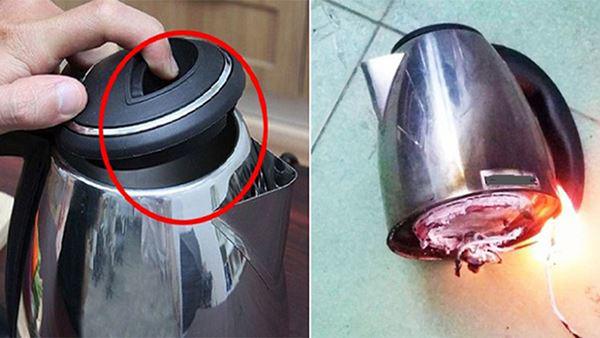
1. Filling the Kettle Beyond the Maximum Line
One of the most common mistakes is also one of the easiest to overlook.
You may need several cups of hot water, so it's tempting to fill the kettle as much as possible.
But electric kettles usually have a clearly marked minimum and maximum water level for a reason.
When the kettle is overfilled, boiling water can splash or spill through the spout or lid as the water expands and bubbles vigorously.
Hot water escaping from the kettle can cause burns and may also reach electrical components, depending on the design.
What to do instead
Only fill the kettle with the amount of water you actually need, while staying below the maximum line.
This can also save energy because heating a smaller volume of water generally requires less electricity than heating a completely full kettle.
2. Using Too Little Water
Overfilling isn't the only problem.
Running an electric kettle with too little water can also be harmful.
Many kettles include a minimum fill line because the heating element needs to remain adequately covered by water during operation.
If there isn't enough water, the heating element may become exposed and overheat.
Fortunately, many modern kettles include automatic shut-off or boil-dry protection. These features are designed to turn the kettle off when it detects insufficient water.
However, automatic protection shouldn't be treated as permission to operate the kettle empty.
A better habit
Before switching the kettle on, check that the water level is comfortably above the minimum mark.
3. Leaving Water Sitting in the Kettle for Days
It's convenient to fill the kettle once and leave the remaining water inside for the next use.
But if the kettle sits unused for a long period, that water can become stale and may contribute to mineral buildup, especially if you live in an area with hard water.
Dust and other contaminants can also enter the kettle if the lid remains open.
You don't necessarily need to discard water after every single use, but if the kettle has been sitting unused for a day or more, especially in warm conditions, replacing the water is a sensible habit.
Simple routine
Pour out old water, give the kettle a quick rinse if necessary, and refill it with fresh water before boiling.
4. Repeatedly Reboiling the Same Water
Many people have heard that repeatedly boiling water makes it dangerous.
That claim is often exaggerated.
For ordinary drinking water, boiling it more than once does not automatically make it toxic.
However, repeatedly boiling the same water can concentrate dissolved minerals because some water is lost as steam.
If the water already contains relatively high levels of minerals, repeated boiling may contribute to a stronger buildup of scale inside the kettle.
It can also make the water taste different.
The practical solution
If you don't need the remaining water, simply empty the kettle and use fresh water next time.
It's not necessary to panic over accidentally reboiling water, but regularly replacing old water is a good maintenance habit.
5. Ignoring Limescale Buildup
If you've ever opened an electric kettle and noticed white, chalky flakes around the bottom or heating element, you've probably encountered limescale.
Limescale is primarily made up of mineral deposits left behind when hard water is repeatedly heated.
It isn't usually a sign that the kettle is contaminated with something dangerous, but heavy buildup can affect the appliance.
Over time, scale may:
-
Reduce heating efficiency
-
Increase boiling time
-
Affect the taste of water
-
Make the kettle noisier
-
Shorten the appliance's useful life
How to prevent it
Descale the kettle periodically according to the manufacturer's instructions.
Depending on the kettle and local water quality, this might need to be done every few weeks or every few months.
6. Cleaning the Kettle With the Wrong Method
An electric kettle needs cleaning, but that doesn't mean you should submerge the entire appliance in water.
The electrical base and other components are not designed to be soaked.
You should also avoid abrasive cleaning tools that could damage the interior surface.
Many manufacturers recommend using a suitable descaling solution or a mild acid-based method, such as diluted vinegar or citric acid, depending on the product's instructions.
However, always check the manufacturer's guidance first, because materials and cleaning recommendations vary between kettles.
After descaling, rinse the kettle thoroughly with clean water before using it again.
7. Pouring Water Into the Electrical Base
This sounds obvious, but it's surprisingly easy to happen when people are cleaning or refilling their kettle.
The kettle usually sits on a separate electrical base.
That base should remain dry.
When filling the kettle, take it away from the base first.
Avoid pouring water over the outside of the appliance or allowing water to collect around the electrical connector.
If water gets onto the base, unplug the appliance and allow it to dry completely before using it again, following the manufacturer's safety instructions.
Electricity and water are a combination that should always be treated seriously.

8. Leaving the Kettle Running Unattended
Most modern electric kettles automatically switch off once the water reaches boiling temperature.
That makes them much safer than appliances that require constant manual monitoring.
Still, automatic shut-off isn't a reason to treat the kettle casually.
Don't use a damaged kettle, don't operate it with a faulty cord, and don't place it somewhere unstable where it could be knocked over.
If you notice unusual smells, sparks, damaged wiring, repeated failure to shut off, or other abnormal behavior, stop using the appliance.
Remember
Automatic safety features are an extra layer of protection—not a substitute for proper appliance care.
9. Using the Kettle for Things It Wasn't Designed to Heat
An electric kettle is primarily designed to heat water.
That may sound obvious, but some people experiment by putting other liquids inside.
Milk, soup, sugary drinks, coffee mixtures, and other liquids can behave very differently when heated.
They may foam, boil over, leave residue, burn onto the heating surface, or interfere with the kettle's operation.
Some liquids can also be much more difficult to clean from the appliance.
The safest approach
Use the kettle for water unless the manufacturer specifically states that another substance is suitable.
If you need to heat milk, soup, or another beverage, use cookware or an appliance designed for that purpose.
Why Water Quality Matters
Your local water supply can make a noticeable difference in how quickly an electric kettle develops mineral deposits.
If you live in a hard-water area, calcium and magnesium can accumulate faster.
You may notice white deposits around the heating element, inside the spout, or on the walls of the kettle.
People sometimes mistake these deposits for dirt or mold.
In many cases, they're simply mineral scale.
Regular descaling can make a significant difference.
If you use filtered water, you may also notice that the kettle stays cleaner for longer, although filtration does not necessarily remove every mineral or contaminant.
Don't Ignore Changes in Taste or Smell
A kettle should not normally give your water a strong chemical, burnt, or unusual taste.
If you notice a persistent change in smell or flavor, inspect the kettle.
Possible causes include mineral buildup, residue from manufacturing or cleaning, or deterioration of the appliance.
If the kettle is old or damaged and the unusual smell persists after proper cleaning, replacing it may be the safer option.
A relatively inexpensive appliance isn't worth taking unnecessary risks with.
Keep the Kettle's Exterior Dry
Water often ends up around the kettle simply because people refill it quickly.
Try to keep the exterior and electrical connection dry.
After filling the kettle, wipe away any water that has spilled onto the outside.
This is especially important around the base and power connection.
A clean, dry appliance is easier to handle and reduces the chance of accidental electrical problems.
Don't Let the Kettle Become a Permanent Countertop Water Container
An electric kettle isn't really designed to function as a water-storage container.
Its primary job is to heat water.
If you regularly leave water sitting inside for long periods, you're more likely to encounter stale water, mineral deposits, and unpleasant odors.
A better routine is simple:
Fill → boil → use → empty → refill when needed.
This takes only a few seconds and keeps the appliance fresher.
Use Only the Amount of Water You Need
There's another advantage to avoiding overfilling: energy efficiency.
If you're making one cup of tea, you don't necessarily need to boil a full kettle.
Heating more water requires more energy and takes longer.
By measuring the amount you need, you can reduce unnecessary energy consumption.
For people who use an electric kettle several times every day, this small habit can add up over time.
Pay Attention to the Kettle's Sound
Electric kettles naturally make noise as water approaches boiling.
However, a kettle that suddenly becomes much louder than usual may have significant scale buildup or another mechanical issue.
A strange rattling, buzzing, crackling, or electrical sound shouldn't be ignored.
If something sounds different, inspect the kettle and consult the manufacturer's guidance.
And if you suspect an electrical fault, stop using it rather than trying to repair it while connected to power.
Check the Cord and Plug Occasionally
The kettle itself isn't the only component worth checking.
Take a quick look at the power cord and plug.
Watch for:
-
Frayed wires
-
Cracks
-
Burn marks
-
Loose connections
-
Signs of overheating
If you see obvious damage, don't continue using the appliance.
Electrical appliances should be replaced or professionally serviced when necessary rather than patched with improvised repairs.
Keep the Kettle Away From Children
Boiling water can cause severe burns in seconds.
If you have young children at home, place the kettle somewhere they cannot easily pull it down.
Be particularly careful with the power cord.
A child grabbing the cord could potentially pull a kettle full of boiling water off a countertop.
Keep handles turned away from the edge of the counter and avoid leaving freshly boiled water somewhere within a child's reach.
What About Plastic Electric Kettles?
Plastic kettles are widely available and can be perfectly suitable when manufactured to appropriate safety standards.
If you're buying a new kettle, look for a reputable manufacturer and follow the product's instructions.
Avoid using a kettle that has developed significant cracking, melting, deformation, or other damage.
If the interior has deteriorated or the appliance behaves unusually, replacement is generally preferable to continuing to use it.
A Few Simple Habits Can Make a Big Difference
Using an electric kettle safely doesn't require complicated routines.
The basics are surprisingly simple:
Don't overfill it.
Don't operate it below the minimum level.
Use fresh water regularly.
Descale it when necessary.
Keep the electrical base dry.
Don't put unsuitable liquids inside.
Watch for signs of damage.
Keep boiling water away from children.
These small habits can help your kettle work more efficiently and last longer.
:quality(75)/2023_7_23_638257480266020033_1.png)
The Bottom Line
An electric kettle may be one of the simplest appliances in your kitchen, but that doesn't mean it should be completely ignored.
Many common problems come from small habits rather than major misuse: filling the kettle too much, leaving old water inside, neglecting limescale, cleaning it incorrectly, or continuing to use it after signs of damage appear.
The good news is that these mistakes are easy to correct.
Use the kettle according to its instructions, keep it clean, use an appropriate amount of fresh water, and pay attention to anything that seems unusual.
And remember, if you're ever unsure about a specific cleaning method, water type, or maintenance procedure, the manufacturer's instructions should take priority over generic advice.
After all, an electric kettle doesn't need much attention—but the little attention it does need can go a long way toward keeping your daily cup of tea or coffee safe, simple, and hassle-free.