A brain aneurysm is a serious medical condition that often develops without causing any symptoms. In many cases, people are unaware they have an aneurysm until it is discovered during imaging for another reason or until it ruptures. When a brain aneurysm ruptures, however, it becomes a medical emergency that requires immediate treatment.
You may have seen online articles claiming that brain aneurysms always produce obvious warning signs. The reality is more complex. Many unruptured aneurysms cause no symptoms at all. Others may produce symptoms if they grow large enough to press on nearby nerves or brain tissue. In some cases, a small leak may occur before a rupture, causing warning symptoms that should never be ignored.
Understanding the possible warning signs can help you recognize when urgent medical evaluation is needed.
What Is a Brain Aneurysm?
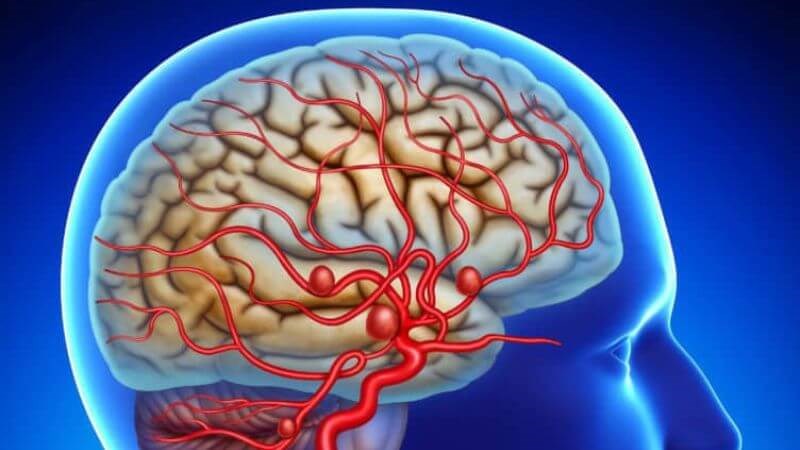
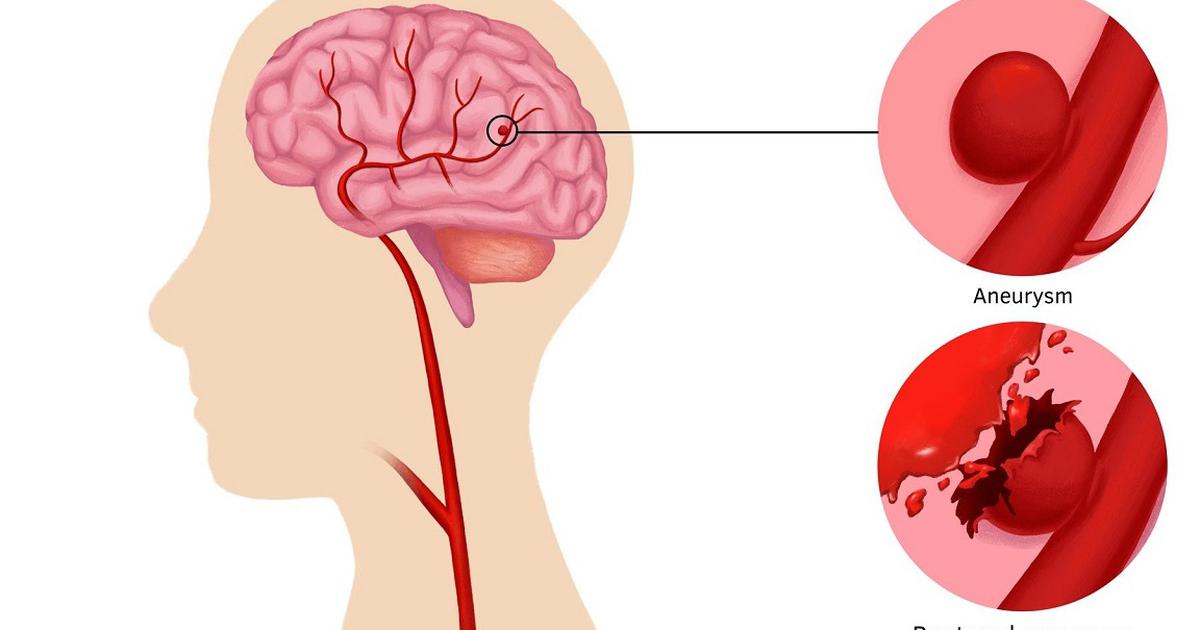
A brain aneurysm is a weakened area in the wall of an artery in the brain that bulges outward, forming a balloon-like pouch.
Many aneurysms remain:
-
Small
-
Stable
-
Symptom-free
Others may enlarge over time, increasing the risk of rupture.
When an aneurysm ruptures, bleeding occurs around the brain, most commonly causing a subarachnoid hemorrhage, a life-threatening condition requiring emergency medical care.
Who Is at Higher Risk?
Although anyone can develop a brain aneurysm, certain factors increase the risk.
These include:
-
High blood pressure
-
Smoking
-
Older age
-
Family history of brain aneurysms
-
Certain inherited connective tissue disorders
-
Polycystic kidney disease
-
Heavy alcohol use
-
Cocaine or other stimulant drug use
Having one or more risk factors does not necessarily mean an aneurysm will develop, but managing modifiable risks is important.
Can Brain Aneurysms Cause Symptoms Before They Rupture?
Yes—but not always.
Many unruptured aneurysms cause no symptoms.
Symptoms are more likely if an aneurysm:
-
Becomes large
-
Compresses nearby nerves
-
Leaks a small amount of blood (sometimes called a sentinel bleed)
Because symptoms vary widely, diagnosis requires medical evaluation and imaging studies.
15 Possible Warning Signs
1. Sudden, Severe Headache
A sudden, extremely intense headache is one of the most important warning signs of a ruptured aneurysm.
People often describe it as:
"The worst headache of my life."
This symptom requires immediate emergency medical attention.
2. Neck Stiffness
Blood irritating the tissues surrounding the brain may cause stiffness and pain in the neck.
Neck stiffness occurring together with a sudden severe headache is particularly concerning.
3. Nausea and Vomiting
Sudden nausea or vomiting accompanied by an intense headache may occur after an aneurysm ruptures.
These symptoms can have many other causes, but should never be ignored when occurring together.
4. Sensitivity to Light
Bright lights may become extremely uncomfortable.
This symptom, known as photophobia, may occur because blood irritates the membranes surrounding the brain.
5. Double Vision
A growing aneurysm may press on nerves controlling eye movement.
Possible symptoms include:
-
Double vision
-
Blurred vision
-
Difficulty focusing
6. Drooping Eyelid
Compression of certain cranial nerves may lead to:
-
One drooping eyelid
-
Difficulty opening one eye
This symptom requires prompt medical evaluation.
7. Dilated Pupil
An enlarged pupil on one side may occur if pressure affects the third cranial nerve.
A new difference in pupil size should always be evaluated urgently.
8. Pain Around or Behind One Eye
Some people experience:
-
Eye pain
-
Pain behind one eye
-
Facial discomfort
These symptoms may occur before rupture if an aneurysm presses on nearby structures.
9. Facial Numbness or Weakness
Pressure on nearby nerves may contribute to:
-
Facial numbness
-
Tingling
-
Weakness
However, these symptoms may also occur with stroke or other neurological conditions.
10. Difficulty Speaking
Sudden problems with speech—including slurred speech or difficulty finding words—require emergency medical evaluation.
These symptoms may indicate stroke, aneurysm rupture, or other serious neurological emergencies.
11. Confusion
Bleeding inside the brain may interfere with normal brain function.
People may become:
-
Confused
-
Disoriented
-
Unable to answer simple questions
12. Seizures
Although less common, seizures may occur when bleeding irritates brain tissue.
Any first-time seizure requires immediate medical assessment.
13. Weakness or Numbness in an Arm or Leg
Sudden weakness affecting one side of the body may indicate:
-
Stroke
-
Brain hemorrhage
-
Other neurological emergencies
Immediate emergency care is essential.
14. Loss of Balance
People may suddenly experience:
-
Dizziness
-
Difficulty walking
-
Poor coordination
-
Loss of balance
These symptoms can have many causes but warrant urgent evaluation if they occur suddenly.
15. Loss of Consciousness
A ruptured aneurysm may cause:
-
Fainting
-
Reduced responsiveness
-
Coma
Loss of consciousness is always a medical emergency.
Symptoms of an Unruptured Aneurysm
Many unruptured aneurysms produce no symptoms.
When symptoms do occur, they may include:
-
Headache
-
Eye pain
-
Double vision
-
Facial numbness
-
Drooping eyelid
Because these symptoms overlap with many other conditions, imaging is necessary for diagnosis.
Symptoms of a Ruptured Aneurysm
A ruptured aneurysm commonly presents with:
-
Sudden severe headache
-
Neck stiffness
-
Vomiting
-
Light sensitivity
-
Confusion
-
Loss of consciousness
This condition requires immediate emergency treatment.
How Is a Brain Aneurysm Diagnosed?
Doctors may use several tests depending on the situation.
These include:
-
Neurological examination
-
CT scan
-
CT angiography (CTA)
-
MRI
-
Magnetic resonance angiography (MRA)
-
Cerebral angiography
-
Lumbar puncture in selected situations
Imaging is essential because symptoms alone cannot confirm an aneurysm.
Treatment Options
Treatment depends on:
-
Whether the aneurysm has ruptured
-
Size
-
Location
-
Patient age
-
Overall health
-
Risk of future rupture
Options may include:
Observation
Some small aneurysms are monitored with regular imaging.
Endovascular Coiling
A minimally invasive procedure performed through blood vessels.
Surgical Clipping
Open surgery places a tiny clip across the aneurysm to stop blood flow into the weakened area.
The most appropriate treatment varies from person to person.
Can Brain Aneurysms Be Prevented?
Not all aneurysms can be prevented.
However, healthy lifestyle habits may help reduce risk.
These include:
-
Controlling blood pressure
-
Not smoking
-
Limiting excessive alcohol
-
Avoiding illicit stimulant drugs
-
Exercising regularly
-
Eating a balanced diet
-
Managing chronic medical conditions
People with a strong family history should discuss screening with their healthcare provider.
Common Myths About Brain Aneurysms
Myth: Every aneurysm causes symptoms.
Fact: Many aneurysms remain completely symptom-free.
Myth: Only older adults develop aneurysms.
Fact: Although risk increases with age, aneurysms can occur in younger adults as well.
Myth: Headaches always mean an aneurysm.
Fact: Most headaches are not caused by brain aneurysms.
Sudden, severe headaches are different and require emergency evaluation.
Myth: A ruptured aneurysm can wait until morning.
Fact: A ruptured aneurysm is a medical emergency requiring immediate treatment.
Myth: If symptoms improve, the danger has passed.
Fact: Temporary improvement does not rule out serious bleeding.
Immediate medical assessment remains essential.
When Should You Seek Emergency Care?
Call emergency medical services immediately if you or someone nearby experiences:
-
A sudden severe headache unlike any previous headache
-
Loss of consciousness
-
Seizures
-
Sudden confusion
-
Difficulty speaking
-
Weakness on one side of the body
-
Double vision accompanied by severe headache
-
Neck stiffness with sudden headache
-
Persistent vomiting after sudden neurological symptoms
Do not attempt to drive yourself if severe neurological symptoms occur. Prompt emergency evaluation can be lifesaving.
The Bottom Line
Brain aneurysms often develop silently, and many unruptured aneurysms cause no symptoms at all. When symptoms do occur, they may include headache, eye pain, double vision, drooping eyelid, facial numbness, or changes in vision, particularly if the aneurysm is pressing on nearby nerves. A ruptured brain aneurysm, however, is a life-threatening emergency that commonly causes a sudden, severe headache—often described as the worst headache of a person's life—along with symptoms such as neck stiffness, vomiting, confusion, seizures, or loss of consciousness.
Recognizing these warning signs and seeking immediate medical care can make a critical difference. Although most headaches are not caused by a brain aneurysm, any sudden, severe headache or rapidly developing neurological symptoms should be treated as an emergency. Early diagnosis and timely treatment offer the best chance of reducing complications and improving outcomes.