Eating Eggs Regularly? Here Are Some Potential Long-Term Health Benefits
Why Eating Eggs Regularly May Be Good for Your Health?
⏱️ 1 min read 15/08/2026 16:00
Breast cancer does not always begin with an obvious lump. In some cases, there may be no noticeable symptoms during the early stages, which is why appropriate breast-cancer screening and awareness are important.
When symptoms do occur, they can affect the breast, nipple, surrounding skin, or nearby lymph nodes. However, it is important to remember that having one of these symptoms does not mean you have breast cancer. Many breast changes are caused by harmless conditions, hormonal fluctuations, infections, injuries, or other health issues.
The most important thing is to recognize a new, persistent, or unusual change from what is normal for you and have it evaluated when appropriate.
Here are 15 potential symptoms and changes worth knowing.
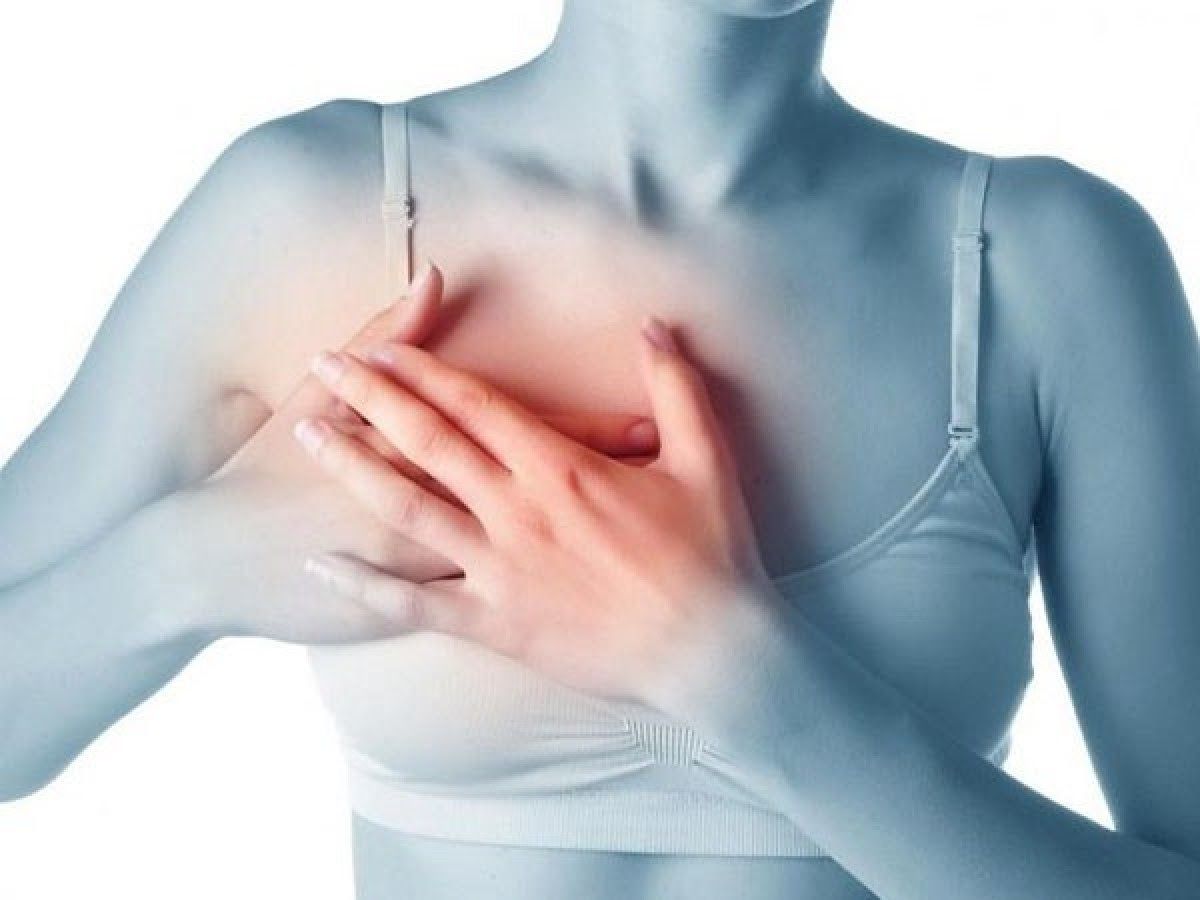
A new breast lump is one of the most commonly recognized potential signs of breast cancer.
A suspicious lump may feel:
Firm or hard
Irregular
Different from surrounding tissue
Fixed in place rather than easily movable
However, breast cancer lumps don't all feel the same. Some can be soft, rounded, or even painful.
More importantly, most breast lumps are not cancerous.
Benign cysts, fibroadenomas, hormonal changes, infections, and other conditions can also produce lumps.
If you discover a new lump that wasn't there before, don't immediately assume the worst. Instead, arrange an evaluation with a healthcare professional.
Breast tissue extends toward the armpit, and several lymph nodes are located in this area.
A new lump or swelling under the arm can sometimes be associated with breast cancer, particularly when cancer has affected nearby lymph nodes.
However, swollen lymph nodes are much more commonly caused by:
Infections
Skin irritation
Inflammation
Recent vaccinations
Other immune responses
A lump that remains present, grows, or has no obvious explanation should be checked.
Breast cancer can sometimes cause swelling even when there isn't a clearly defined lump.
You might notice:
One breast suddenly appears fuller
A specific area looks swollen
The breast feels heavier than usual
Swelling persists beyond your normal hormonal cycle
Breast swelling can also occur because of pregnancy, menstruation, breastfeeding, infection, injury, or benign breast conditions.
The key is whether the change is new, unusual, or persistent.
Breasts naturally change throughout life.
Changes can occur because of:
Menstrual cycles
Pregnancy
Breastfeeding
Menopause
Weight changes
Hormonal medications
Aging
However, a new and unexplained difference in the size or shape of one breast deserves attention.
You might notice that one breast:
Looks larger than usual
Has developed a different contour
Appears differently positioned
Suddenly looks asymmetrical
Breast asymmetry itself is extremely common, so the important factor is a new change from your usual appearance.
Changes in the skin over the breast can sometimes be associated with an underlying breast condition.
You may notice:
Small indentations
Puckering
Pulling of the skin inward
A texture that resembles an orange peel
These changes can happen when tissues beneath the skin pull on or alter the normal structure.
Not every indentation means cancer. Previous surgery, injury, inflammation, or benign conditions can sometimes change the appearance of breast skin.
Nevertheless, new unexplained dimpling should be evaluated.
Persistent redness can be another change worth paying attention to.
It may appear as:
A red patch
Generalized redness
Redness around the nipple
A warm-looking area
Redness accompanied by swelling
Infections such as mastitis can also cause significant redness and warmth, particularly during breastfeeding.
Because infection and other breast conditions can look similar, persistent or unexplained redness should be assessed rather than diagnosed at home.
Another possible change is an area of breast skin that becomes noticeably thicker.
You might notice that part of the breast feels or looks:
Thicker
Rougher
Firmer
Different from surrounding skin
Skin thickening can have several explanations, including inflammation and other benign conditions.
But if the change is new and persistent, it deserves medical attention.
Persistent changes around the nipple can sometimes be easy to dismiss as ordinary dry skin.
Pay attention to:
Flaking
Scaling
Crusting
Persistent dryness
Irritation
Redness
These symptoms may be caused by eczema, dermatitis, allergies, or irritation from clothing or personal-care products.
However, a persistent unexplained change—especially if it affects one nipple—should be examined by a healthcare professional.
Some people naturally have inverted nipples.
If your nipples have always pointed inward, this isn't necessarily concerning.
The more important change is when a nipple that previously pointed outward suddenly becomes inverted or appears to be pulled inward.
This is sometimes called nipple retraction.
There are several possible causes, including benign conditions, but a new unexplained nipple inversion should be evaluated.
Nipple discharge can happen for many reasons.
It may be associated with:
Hormonal changes
Pregnancy
Breastfeeding
Certain medications
Benign breast conditions
However, unexplained discharge deserves attention, particularly when it:
Occurs spontaneously
Comes from only one breast
Comes from a single opening
Is clear or bloody
Occurs when you are not breastfeeding
Nipple discharge doesn't automatically indicate cancer, but unusual discharge should be discussed with a healthcare professional.
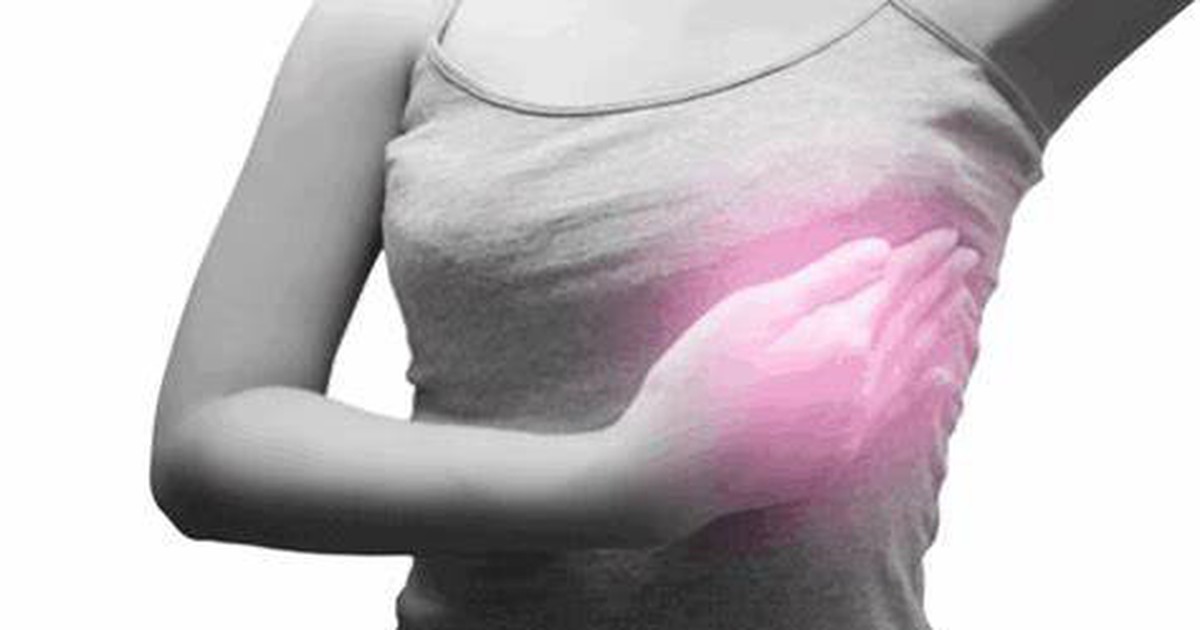
Breast pain is extremely common and usually does not mean breast cancer.
It can occur because of:
Hormonal fluctuations
Menstruation
Pregnancy
Breastfeeding
Hormonal medications
Injury
Muscle or chest-wall problems
Benign breast conditions
However, persistent pain in one specific area, particularly when it is new or unexplained, deserves attention.
Pain accompanied by a lump, skin changes, nipple changes, or swelling is especially worth discussing with a healthcare professional.
A breast that becomes suddenly red, swollen, and warm may indicate an infection.
This is especially common during breastfeeding.
However, persistent redness, swelling, and warmth can occasionally occur with less common breast conditions, including inflammatory breast cancer.
Don't assume that every red or warm breast is cancer.
At the same time, if symptoms don't improve as expected or continue to worsen, further evaluation may be necessary.
The nipple and areola can develop changes that are easy to mistake for ordinary irritation.
Watch for persistent:
Itching
Crusting
Scaling
Burning
Redness
Skin thickening
Changes in nipple appearance
Sometimes the cause is as simple as eczema or irritation from clothing, soaps, detergents, or cosmetics.
But persistent unexplained changes should not be repeatedly self-treated without determining the cause.
Not every breast cancer produces a clearly defined round lump.
Instead, you may notice that a particular area feels:
Firmer
Thicker
Heavier
Denser
Different from the surrounding tissue
This can be particularly difficult to identify in people with naturally dense breast tissue.
Hormonal changes and benign breast conditions can also create areas of firmness.
Still, if you notice a persistent area that feels distinctly different from the rest of your breast, it is worth having it evaluated.
Lymph nodes aren't located only in the armpit.
They can also be found around the collarbone.
A persistent lump or swelling in this area can have many causes, including infection and inflammation, but in some cases it can be associated with breast cancer or other conditions.
Pay particular attention if the swelling:
Doesn't go away
Continues growing
Feels unusually firm
Appears alongside other breast changes
A healthcare professional can determine whether further testing is necessary.
This is one of the most important things to remember.
Breasts naturally change throughout life.
Changes may be related to:
Hormonal fluctuations
Menstruation
Pregnancy
Breastfeeding
Menopause
Weight changes
Aging
Medications
Benign cysts
Fibroadenomas
Infections
Injuries
So if you notice a change, don't immediately assume it is cancer.
The purpose of recognizing warning signs is not to create fear. It is to know when something deserves professional evaluation.
Every person's breasts are different.
One breast may naturally be slightly larger than the other. The nipples may have different shapes. The texture of breast tissue can also vary considerably.
What's important is knowing what is normal for your own body.
Pay attention to your usual:
Breast shape
Breast size
Skin appearance
Nipple position
Texture
Sensitivity
Menstrual-cycle-related changes
When you know your baseline, a genuine new change can be easier to recognize.
This is a particularly important point.
A person can have breast cancer without experiencing:
Pain
A noticeable lump
Nipple discharge
Skin changes
Some breast cancers are discovered through screening before they cause noticeable symptoms.
That's why appropriate breast-cancer screening remains important even when you feel completely healthy.
Screening recommendations can vary depending on age, personal history, family history, genetic risk, and other factors.
Talk with your healthcare professional about the screening approach that's appropriate for you.
First, don't panic.
Instead, pay attention to the change and consider when it began.
Ask yourself:
Is this new?
Has it persisted?
Is it becoming more noticeable?
Does it occur on one side or both?
Does it change with my menstrual cycle?
Is there pain?
Is there swelling?
Is there nipple discharge?
Is there a new lump under the arm?
Then arrange an appropriate medical evaluation.
A healthcare professional may perform a physical breast examination and determine whether additional testing is necessary.
Depending on the situation, imaging such as a mammogram or ultrasound may be recommended.
If a suspicious area is identified, additional testing may be needed. A biopsy is generally required to determine whether a suspicious tissue change is cancerous.
Breast pain can be scary, but pain alone usually isn't a strong indicator of breast cancer.
Hormonal breast pain is particularly common.
You may notice discomfort around the time of your menstrual period because hormone fluctuations can affect breast tissue.
Pain can also result from:
Poorly fitting bras
Exercise
Muscle strain
Injury
Pregnancy
Breastfeeding
Certain medications
However, persistent, localized, unexplained pain should still be discussed with a healthcare professional, especially if other breast changes are present.

Yes.
Breast cancer is much less common in men than in women, but men can develop breast cancer.
Possible symptoms include:
A breast lump
Nipple retraction
Skin dimpling
Nipple discharge
Skin changes
Swelling
Enlarged lymph nodes
Any new unexplained breast or nipple change in a man should be evaluated.
Breast cancer awareness is not exclusively a women's health issue.
Make an appointment if you notice a new or persistent:
Breast lump
Armpit lump
Breast swelling
Change in breast size or shape
Skin dimpling
Skin thickening
Nipple inversion
Nipple discharge
Persistent nipple irritation
Localized breast pain
Redness or warmth
Change in breast texture
Lump near the collarbone
You don't need to wait until several symptoms appear.
One unexplained persistent change is enough reason to ask a healthcare professional about it.
One common mistake is trying to determine whether a lump is cancerous based on its texture.
For example, people sometimes believe:
"Hard means cancer."
or:
"Soft means harmless."
Neither assumption is reliable.
Breast lumps can have many different characteristics, and only appropriate medical evaluation can determine what a particular lump represents.
Another common misconception is that cancer must be painful.
That's not true.
Some breast cancers cause no pain at all.
A painless lump or skin change can be just as important to evaluate as a painful one.
At the same time, pain doesn't automatically mean cancer.
The key is the overall pattern and whether the change is new and unexplained.
There is no guaranteed way to prevent every case of breast cancer.
However, several lifestyle choices can support overall health.
Consider:
Regular physical activity can contribute to maintaining a healthy body weight and overall health.
Excess body weight, particularly after menopause, is associated with an increased risk of breast cancer.
Alcohol consumption is associated with an increased risk of breast cancer, and limiting intake can reduce that risk.
Not smoking supports overall health and reduces the risk of many cancers.
Screening can detect some breast cancers before symptoms develop.
Your individual screening schedule should be based on your age, personal risk factors, and recommendations from your healthcare professional.
The 15 potential symptoms and changes discussed in this article include:
A new breast lump or mass
A lump or swelling under the arm
Swelling of part or all of a breast
A change in breast size or shape
Skin dimpling or puckering
Unexplained breast or nipple redness
Thickened breast skin
Flaky or scaly nipple-area skin
New nipple inversion
Unusual nipple discharge
Persistent breast or nipple pain
A breast that becomes red or warm
Persistent nipple or areola irritation
A firm or thickened area without an obvious lump
Swollen lymph nodes near the collarbone
These signs are potential warning signs, not a diagnosis of breast cancer.
Many of them can be caused by completely non-cancerous conditions, hormonal changes, infections, medications, or injuries.
The most important habit is to know what is normal for your body and pay attention to meaningful changes.
If you notice something new, persistent, or unusual, don't panic—but don't ignore it either.
Getting a breast change checked by a healthcare professional is the best way to replace uncertainty with an accurate answer.
Why Eating Eggs Regularly May Be Good for Your Health?
Ginger Can Be Helpful, But It May Not Be Suitable for Everyone—Here’s Why
How Coconut Water May Affect Your Kidneys: What to Know

What Does One Banana a Day Really Do After 60? The Answer May Surprise You… 🍌
More Visible Veins Than Usual? It May Be Completely Normal—or Worth Checking Out… See More
9 Subtle Symptoms of Kidney Can.cer That Can Be Easy to Overlook
Don't Ignore These Early Signs of Meningitis

Trying to Control Blood Sugar? Start With These Everyday Foods
A simple breakfast change helped improve energy levels, reduce hunger, and support healthier eating habits throughout the day.
Don't Ignore These 10 Possible Signs of Narrowed Arteries and Reduced Bl00d Flow...
Young Man in His 20s D.i.es of C.anc.er After Ignoring Two Nighttime Symptoms

Your Body May Warn You Before a Heart Attack—7 Signs That Can Appear Weeks Earlier
The hidden mistake many people make when handling eggs at home.

Discover why a quick rinse isn't enough and how to wash them safely!
What Do These Raised Spots Mean? The Answer May Surprise You
A Wet Pillow Every Morning? Don't Ignore This Common Sleep Sign
The Silent Damage Certain Foods May Cause Over Time

Before You Eat Food From the Fridge, Check This List First

One Simple Sleeping Position May Offer Benefits for Some People—Here’s Why…
Why Eating Eggs Regularly May Be Good for Your Health?
Ginger Can Be Helpful, But It May Not Be Suitable for Everyone—Here’s Why
How Coconut Water May Affect Your Kidneys: What to Know
What Does One Banana a Day Really Do After 60? The Answer May Surprise You… 🍌
These cockroaches appearing in your home could be a SIGN that you need to pay attention
Food Safety Experts Say These Packaging Signs Should Never Be Ignored
More Visible Veins Than Usual? It May Be Completely Normal—or Worth Checking Out… See More
9 Subtle Symptoms of Kidney Can.cer That Can Be Easy to Overlook
Your Sitting Position Could Reveal Surprising Things About You
Think These Pizza Bubbles Mean Something's Wrong? Think Again
Don't Ignore These Early Signs of Meningitis
This Simple Shower Test Is Going Viral—What's Your Result?
Trying to Control Blood Sugar? Start With These Everyday Foods
A simple breakfast change helped improve energy levels, reduce hunger, and support healthier eating habits throughout the day.
Don't Ignore These 10 Possible Signs of Narrowed Arteries and Reduced Bl00d Flow...
Young Man in His 20s D.i.es of C.anc.er After Ignoring Two Nighttime Symptoms
Your Body May Warn You Before a Heart Attack—7 Signs That Can Appear Weeks Earlier
The hidden mistake many people make when handling eggs at home.