Screening tests are designed for people who do not have symptoms but meet particular risk criteria. Diagnostic tests, by contrast, investigate symptoms or abnormalities that have already been identified.
For eligible individuals, low-dose CT screening can reduce the risk of dying from lung cancer. But indiscriminate imaging of everyone is not recommended because it can lead to false alarms, unnecessary procedures, and exposure to medical risks.
Anyone concerned about lung cancer should discuss their personal risk factors with a qualified healthcare professional. People who have persistent respiratory symptoms should seek medical evaluation rather than waiting for a screening appointment.
Public health decisions should be guided by evidence, not by fear generated by an alarming headline.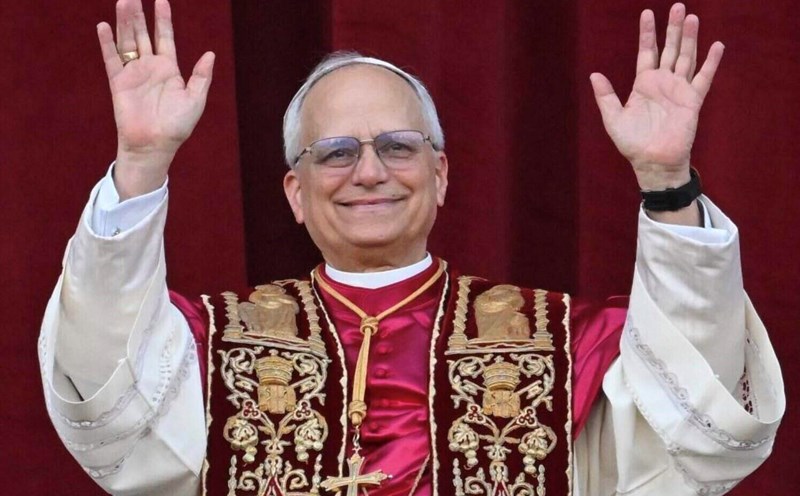
The role of smoking cessation
For people who smoke, quitting is one of the most important steps they can take to improve their health.
Smoking cessation reduces the risk of several serious diseases, including lung cancer, heart disease, stroke, and chronic respiratory illness. Benefits begin after quitting and continue to accumulate over time.
People who have tried to quit before may benefit from counseling, structured support, nicotine replacement therapy, or prescription treatments when appropriate.
The goal is not to blame people for their illness. Cancer is complex, and no single factor explains every case. The goal is to provide people with practical tools that can reduce risk and improve health.
Communicating cancer responsibly
The language used in cancer reporting can influence how readers perceive the disease.
Calling cancer a “silent killer” may communicate urgency, but it can also encourage unnecessary fear if the term is used without context. Describing a diagnosis as a death sentence is inaccurate because outcomes vary widely by cancer type, stage, treatment, and individual circumstances.
Likewise, reporting that a patient has been “cured” after one procedure may create unrealistic expectations if long-term follow-up remains necessary.
Responsible health communication recognizes uncertainty without minimizing the seriousness of disease. It explains what medical findings mean, what they do not mean, and what questions remain unanswered.
This principle is especially important when reporting on a public figure. A dramatic story may attract attention, but accuracy should remain the priority.
If Pope Leo XIV or the Vatican were to issue a verified medical statement, that statement would provide the appropriate starting point for understanding the situation. Until then, the alleged diagnosis and treatment described in the circulating narrative should not be presented as established medical facts.
Chapter 8: Looking Ahead—Leadership, Uncertainty, and the Search for Truth
The future of any papacy is shaped by many forces: the Pope's priorities, the needs of the Church, changes in global society, and the capacity of the institution to respond to new challenges.
Questions about health can enter that picture because leadership depends, in part, on a person's ability to carry out demanding responsibilities. Yet medical uncertainty should not be turned into predictions about resignation, institutional crisis, or the end of a pontificate without evidence.
Continuity does not depend on constant public visibility
A Pope's public presence is important, but the work of the Church extends beyond televised appearances and large gatherings.
Catholic communities continue their ordinary activities through parish life, education, charitable work, worship, and service to vulnerable people. Bishops and other clergy maintain responsibilities in their own regions, while the Vatican's departments continue much of their established work.
A temporary change in the Pope's schedule would not erase those activities.
Similarly, speculation about a Pope's future should not be confused with a formal institutional decision. Questions about resignation or succession are governed by specific procedures and cannot be resolved simply by interpreting a photograph, an absence, or an online rumor.
The priorities that extend beyond one medical story
The Catholic Church faces major challenges that would remain important regardless of an individual health report.
These include responding to poverty, protecting children and vulnerable people, addressing internal divisions, supporting humanitarian relief, engaging with other religions, and considering the ethical implications of technological and environmental change.
The Pope's leadership can influence how these issues are discussed, but they are also addressed by the broader Church and by numerous organizations working in communities around the world.
A health-related headline should not obscure those continuing responsibilities or create the impression that the Church's future depends entirely on one unverified story.
The value of humility in uncertain moments
When people care deeply about a public figure, uncertainty can be uncomfortable. They may want an immediate answer, a reassuring prognosis, or a definitive explanation of what will happen next.
But the responsible response to incomplete evidence is not to fill the gaps with invented details.
It is to identify what is known, acknowledge what remains unknown, and wait for credible information before reaching conclusions.
That approach does not prevent meaningful discussion. On the contrary, it makes discussion more useful by separating medical facts from interpretation and personal belief.
It also respects the person at the center of the story. A public figure's position may make some aspects of their health relevant to public responsibilities, but it does not justify inventing a diagnosis or attributing statements to them without evidence.
For Pope Leo XIV, as for any individual, reliable information should take precedence over the emotional force of a dramatic narrative.
Epilogue: Beyond the Headline, the Human Story Remains
A report about a Pope's health can travel far beyond Rome because it touches several subjects at once: faith, leadership, medical science, mortality, and the hopes of people who look to the Church for guidance.
That combination makes the subject inherently compelling. It also makes accuracy especially important.
The account describing Pope Leo XIV's alleged lung adenocarcinoma, thoracic surgery, favorable pathology results, and rapid return to public duties contains many specific claims. Without reliable independent confirmation, those details cannot responsibly be treated as a verified chronology of events.
What can be said with confidence is that lung cancer is a serious disease, that early diagnosis can improve treatment options for eligible patients, and that surgery may be an effective treatment for selected localized tumors. Recovery requires individualized medical care, and even favorable surgical findings may need to be followed by continued surveillance.
It is also reasonable to recognize that a Pope's health carries institutional significance. The papacy involves demanding responsibilities, and the Vatican must balance continuity of leadership with the human need for medical care and rest.
For believers, illness may inspire prayer, compassion, and reflection on human vulnerability. For medical professionals, it highlights the importance of accurate diagnosis, evidence-based treatment, and honest communication. For readers, it offers a reminder to approach dramatic health claims with care.
The most meaningful response to uncertainty is neither panic nor dismissal. It is thoughtful attention to evidence.
If reliable information about a medical event becomes available, it should be assessed on its merits, with respect for the person involved and without exaggerating what the findings mean.
Until then, the central lesson remains broader than any single headline: human beings can face illness regardless of status or responsibility, modern medicine offers important tools but not guarantees, and public discussion is most valuable when compassion is matched by accuracy.
The story of a spiritual leader's health, if and when confirmed, deserves to be told with seriousness and humanity. It should not need invented details to matter.
And in a world where information moves faster than verification, the search for truth may be one of the most important responsibilities shared by journalists, institutions, and readers alike.