Broccoli may not be the most exciting vegetable on the plate, but nutritionally, it has a lot going for it. This green cruciferous vegetable provides fiber, vitamin C, vitamin K, folate, potassium, and a variety of plant compounds that can contribute to a healthy diet.
Eating broccoli regularly won't magically prevent disease or transform your health overnight. However, making it part of a balanced eating pattern can provide several important nutritional benefits over time.
From digestive health to heart health, broccoli contains a combination of nutrients and naturally occurring compounds that make it worth adding to your meals.
Here's what you may gain from eating broccoli regularly.
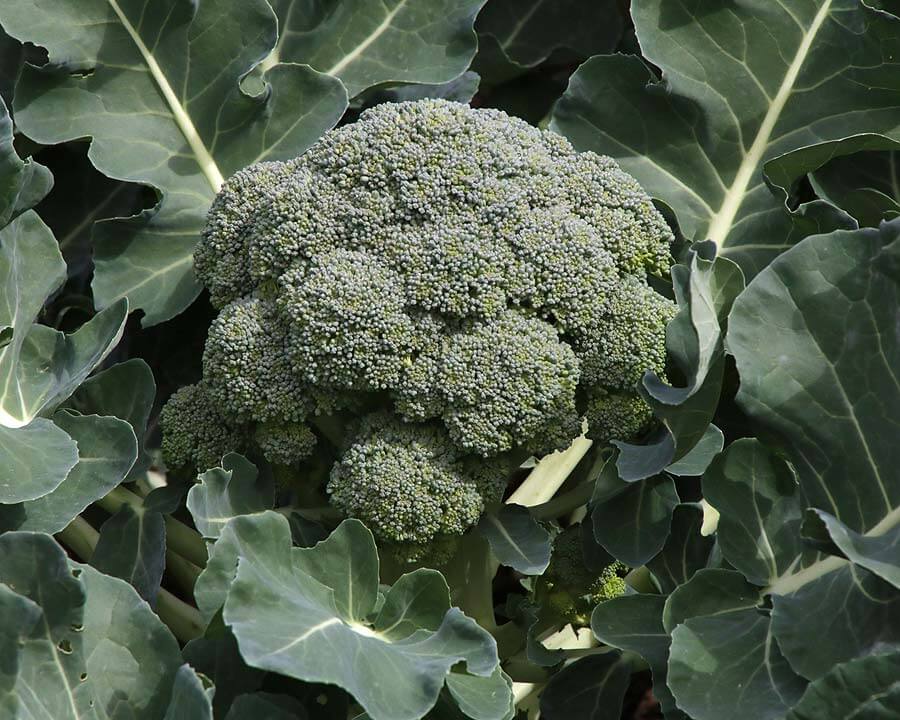
1. Broccoli Is Packed With Nutrients
One of broccoli's biggest advantages is its nutrient density.
A typical serving provides relatively few calories while supplying several vitamins and minerals.
Broccoli contains:
-
Vitamin C
-
Vitamin K
-
Folate
-
Potassium
-
Fiber
-
Vitamin A precursors
-
Calcium in smaller amounts
-
Plant-based antioxidants
This makes broccoli an easy way to increase the nutritional value of a meal without adding a large amount of calories.
Instead of thinking about broccoli as a "miracle food," it's more useful to see it as one nutrient-rich component of a varied diet.
2. It Can Help Increase Your Fiber Intake
Broccoli provides dietary fiber, which is important for normal digestive function.
Fiber can help:
-
Add bulk to stool
-
Support regular bowel movements
-
Promote feelings of fullness
-
Support healthy blood cholesterol levels
-
Provide fuel for beneficial gut microorganisms
If your diet is low in fiber, adding broccoli alongside other plant foods can help increase your overall intake.
However, suddenly eating large quantities of broccoli may cause gas or bloating in some people.
Increase fiber gradually if your body isn't accustomed to it.
3. Your Digestive System May Benefit
Broccoli contains fiber and other plant compounds that interact with the digestive system.
Some of its carbohydrates and fibers reach the large intestine, where gut microorganisms can use them.
This process can produce compounds called short-chain fatty acids, which play important roles in intestinal health.
A single vegetable won't determine the health of your microbiome.
The bigger picture matters.
A diet containing a wide variety of plant foods generally provides a broader range of fibers and other compounds for gut microorganisms.
4. Broccoli Is an Excellent Source of Vitamin C
Vitamin C is one of broccoli's standout nutrients.
It contributes to:
-
Normal immune function
-
Collagen production
-
Wound healing
-
Iron absorption
-
Protection of cells from oxidative stress
One serving of broccoli can make a meaningful contribution toward your daily vitamin C intake.
That's especially useful when broccoli is combined with other vitamin C-rich foods such as:
-
Bell peppers
-
Citrus fruits
-
Kiwi
-
Strawberries
-
Tomatoes
5. It May Support Your Immune System
Broccoli doesn't "boost" immunity in the way some advertisements suggest.
Instead, it provides nutrients that the immune system needs to function normally.
Vitamin C, vitamin A-related compounds, folate, and other nutrients contribute to normal immune processes.
A healthy immune system depends on much more than one food.
Adequate sleep, physical activity, vaccination, stress management, and a varied diet all play important roles.
6. Broccoli Provides Vitamin K
Vitamin K is particularly important for:
-
Normal blood clotting
-
Bone metabolism
Broccoli is a useful source of vitamin K.
Most healthy people can consume vitamin K-containing foods as part of a balanced diet.
However, people taking certain anticoagulant medications, particularly warfarin, may need to keep vitamin K intake relatively consistent.
If you're taking warfarin, don't suddenly make a major change to your broccoli intake without discussing it with your healthcare professional.
7. It Contains Folate
Broccoli provides folate, a B vitamin involved in:
-
DNA synthesis
-
Cell division
-
Red blood cell formation
Folate is particularly important during pregnancy because adequate intake helps support normal fetal development.
Broccoli isn't the only source.
Other foods containing folate include:
-
Beans
-
Lentils
-
Leafy greens
-
Avocado
-
Asparagus
-
Fortified grains
A varied diet helps ensure adequate intake.
8. Broccoli Contains Sulforaphane-Related Compounds
One of the most interesting features of broccoli is its content of glucosinolates.
When broccoli is chopped, chewed, or otherwise damaged, these compounds can contribute to the formation of bioactive substances, including sulforaphane.
Sulforaphane has attracted considerable scientific interest because of its effects in laboratory and human research.
Studies have investigated potential roles involving:
-
Cellular defense
-
Oxidative stress
-
Inflammation
-
Detoxification enzymes
-
Other biological pathways
However, it's important to distinguish research findings from health claims.
Broccoli should not be considered a treatment or cure for cancer or other diseases.
9. It Provides Antioxidant Compounds
The body naturally produces molecules that can contribute to oxidative stress.
Antioxidants and antioxidant-related systems help maintain balance.
Broccoli contains several compounds with antioxidant properties, including:
-
Vitamin C
-
Carotenoids
-
Flavonoids
-
Glucosinolates and their metabolites
Eating a variety of vegetables provides a much broader range of these compounds than relying on one vegetable.
10. It May Support Heart Health
Broccoli can fit well into a heart-healthy eating pattern.
Its fiber, potassium, vitamin content, and low calorie density make it a useful vegetable choice.
Eating more vegetables overall is associated with better cardiovascular health.
Broccoli may also contribute indirectly by helping replace foods that are higher in:
-
Sodium
-
Saturated fat
-
Added sugar
-
Refined carbohydrates
For example, replacing a highly processed side dish with steamed broccoli changes the nutritional profile of the entire meal.
11. It Can Help You Eat More Potassium-Rich Foods
Potassium contributes to:
-
Normal muscle function
-
Nerve signaling
-
Fluid balance
-
Normal blood pressure regulation
Broccoli isn't the richest source of potassium, but it contributes to overall intake.
Other potassium-containing foods include:
-
Potatoes
-
Beans
-
Lentils
-
Bananas
-
Avocados
-
Tomatoes
-
Leafy greens
A diet rich in fruits and vegetables can help provide potassium naturally.
People with certain kidney conditions may need to monitor potassium intake, so dietary changes should be individualized.
12. Broccoli May Help With Weight Management
Broccoli is relatively low in calories while providing water and fiber.
That combination can add volume to meals and help make them more filling.
For example, a meal containing:
Broccoli + grilled chicken + beans + brown rice
may be more satisfying than a meal dominated by refined carbohydrates and highly processed foods.
But broccoli doesn't directly "burn fat."
Weight management depends on your overall energy balance, food choices, activity, sleep, genetics, and other factors.
13. It Can Help Replace Less Nutritious Foods
Sometimes the health benefit of a food comes from what it replaces.
Consider a plate containing:
-
Processed meat
-
Fries
-
Refined bread
Replacing part of that meal with broccoli can increase fiber and micronutrient intake while reducing the proportion of highly processed foods.
This substitution effect is one of the most practical reasons to eat more vegetables.
14. Broccoli Can Support Bone Health
Broccoli contains vitamin K, calcium, vitamin C, and other nutrients involved in maintaining healthy bones and connective tissue.
Vitamin K is particularly relevant to bone metabolism.
However, bone health also depends on:
-
Calcium
-
Vitamin D
-
Protein
-
Physical activity
-
Hormonal health
-
Overall nutrition
No single vegetable provides everything bones need.
15. It May Help Support Healthy Blood Sugar Management
Broccoli contains relatively little carbohydrate compared with many grains and starchy foods.
Its fiber can also contribute to a slower digestion of the overall meal.
Replacing refined carbohydrates with non-starchy vegetables can be a useful strategy for people trying to manage blood glucose.
For people with diabetes, broccoli can generally fit easily into many meal plans.
The entire meal still matters, including sauces, dressings, starches, and sweetened beverages.
16. It May Support Healthy Skin
The vitamin C in broccoli contributes to collagen production.
Collagen is an important structural protein found in skin and connective tissue.
Broccoli also provides antioxidant compounds that help protect cells from oxidative stress.
Eating broccoli won't eliminate wrinkles or replace sunscreen, but it can contribute to overall nutritional support for healthy skin.
17. Your Eyes May Benefit From Its Carotenoids
Broccoli contains carotenoids such as lutein and zeaxanthin.
These compounds are found in the retina and have been studied for their role in eye health.
Other foods rich in these compounds include:
-
Spinach
-
Kale
-
Corn
-
Peas
-
Egg yolks
Eating a variety of colorful vegetables is a practical way to obtain different carotenoids.
18. Broccoli Can Be Useful During Pregnancy
Broccoli can be part of a nutritious pregnancy diet.
It provides:
-
Folate
-
Vitamin C
-
Fiber
-
Vitamin K
-
Other micronutrients
Folate is especially important during early pregnancy.
However, broccoli cannot replace prenatal vitamins when they're recommended.
Pregnant people should follow guidance from their healthcare professional regarding folic acid, iron, iodine, vitamin D, and other nutrients.
19. It May Support Healthy Cholesterol Levels
Fiber-rich foods can contribute to healthy cholesterol levels.
Broccoli isn't a medication for high cholesterol, but incorporating more vegetables and fiber-rich foods into your diet can be part of an overall heart-healthy approach.
Other useful fiber sources include:
-
Oats
-
Barley
-
Beans
-
Lentils
-
Apples
-
Pears
-
Nuts and seeds
20. Broccoli Can Be a Convenient Source of Plant Compounds
One reason cruciferous vegetables are widely studied is their unique collection of phytochemicals.
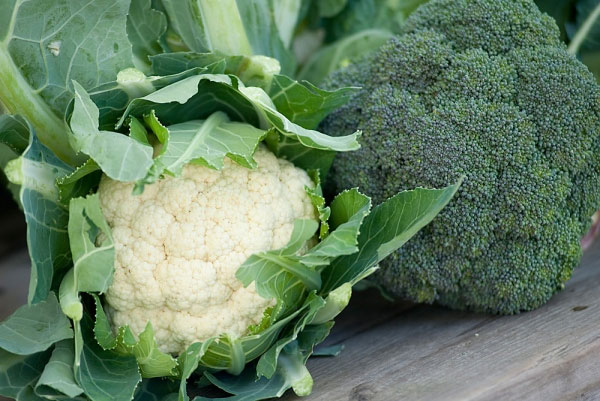
Broccoli belongs to the same family as:
-
Cauliflower
-
Cabbage
-
Brussels sprouts
-
Kale
-
Bok choy
-
Radishes
Rotating different cruciferous vegetables can increase dietary variety while exposing your body to different naturally occurring plant compounds.
21. Raw or Cooked: Which Is Better?
Both can be nutritious.
However, cooking can change the amount and availability of certain compounds.
Very aggressive cooking may reduce some heat-sensitive nutrients.
At the same time, cooking can make broccoli easier to chew and digest.
For many people, steaming or lightly cooking broccoli is a practical compromise.
You can also eat it:
-
Raw
-
Roasted
-
Stir-fried
-
Steamed
-
Added to soups
-
Mixed into salads
The healthiest preparation is usually the one you enjoy enough to eat regularly without excessive added salt, sugar, or saturated fat.
22. Don't Overcook Broccoli
If broccoli is boiled for a long time in a large amount of water, some water-soluble nutrients can move into the cooking water.
It may also become soft and lose some of its texture.
Steaming, microwaving with a small amount of water, or lightly stir-frying can help preserve texture and may retain more nutrients than prolonged boiling.
23. What Happens If Broccoli Makes You Bloated?
This is a common complaint.
Broccoli contains fermentable carbohydrates and fiber that can produce gas as gut bacteria break them down.
You may notice:
-
Gas
-
Bloating
-
Abdominal fullness
This doesn't mean broccoli is bad for you.
Try:
-
Smaller portions
-
Well-cooked broccoli
-
Eating it alongside other foods
-
Increasing fiber gradually
If severe bloating happens consistently, consider discussing your symptoms with a healthcare professional or dietitian.
24. People With IBS May Need to Adjust Their Portion
People with irritable bowel syndrome (IBS) can be sensitive to certain fermentable carbohydrates.
Broccoli may be tolerated in some amounts but cause symptoms when eaten in larger portions.
Rather than eliminating it permanently, some people can find a portion that works for them.
If you have persistent IBS symptoms, a registered dietitian can help you determine whether a structured dietary approach such as a low-FODMAP diet is appropriate.
25. What About Broccoli Sprouts?
Broccoli sprouts are very young broccoli plants.
They have attracted significant scientific interest because they can contain high levels of glucosinolate-related compounds.
However, sprouts also require careful food handling because raw sprouts can sometimes carry harmful bacteria.
If you're pregnant, elderly, immunocompromised, or otherwise at higher risk of foodborne illness, ask your healthcare professional about the safest way to consume sprouts.
26. Frozen Broccoli Can Still Be Nutritious
Fresh isn't automatically better.
Frozen broccoli can be a convenient and nutritious option.
Vegetables intended for freezing are often processed relatively soon after harvest.
Frozen broccoli can be especially useful when:
-
Fresh produce isn't available
-
You're trying to reduce food waste
-
You need quick meal preparation
Check the package for unnecessary sauces or added sodium if you're choosing prepared versions.
27. Broccoli Cheese Dishes Can Change the Nutrition
Broccoli itself is nutrient-dense.
But adding large amounts of:
-
Cheese
-
Cream
-
Butter
-
Bacon
-
High-sodium sauces
can significantly increase calories, saturated fat, and sodium.
That doesn't make these combinations forbidden.
It simply means the nutritional value of the whole meal matters.
28. Broccoli Isn't a "Detox Food"
You may see claims that broccoli "cleanses the liver" or "removes toxins."
These claims are misleading.
Your liver and kidneys already perform complex processes involved in metabolism and waste elimination.
Broccoli contains compounds that researchers study for their effects on cellular pathways involved in the body's defense systems, but this is different from saying that broccoli literally detoxifies your body.
29. Broccoli Isn't a Cure for Cancer
This distinction is important.
Research on cruciferous vegetables and compounds such as sulforaphane has generated interesting findings.
Some studies suggest associations between higher vegetable consumption and certain health outcomes, while laboratory studies have identified biological mechanisms worth investigating.
But eating broccoli does not guarantee protection from cancer, and broccoli cannot replace cancer treatment.
A healthy diet is only one part of cancer risk reduction.
Other factors include:
-
Not smoking
-
Maintaining a healthy weight
-
Physical activity
-
Limiting alcohol
-
Vaccination when appropriate
-
Recommended cancer screenings
30. How Much Broccoli Should You Eat?
There isn't a magical amount that everyone needs.
Rather than focusing on one exact serving, aim for a varied intake of vegetables across the week.
You might add broccoli to:
-
Omelets
-
Soups
-
Salads
-
Stir-fries
-
Grain bowls
-
Pasta
-
Roasted vegetable dishes
Variety matters.
Eating broccoli every day is fine for many people, but you don't need to eat it daily to benefit from vegetables.
31. A Simple Broccoli Meal
Try a simple plate containing:
½ plate vegetables
Broccoli, carrots, peppers, or leafy greens.
¼ plate protein
Chicken, fish, eggs, tofu, beans, or lentils.
¼ plate whole grains or another carbohydrate
Brown rice, quinoa, potatoes, or whole-grain pasta.
Add a small amount of healthy fat from:
-
Olive oil
-
Avocado
-
Nuts
-
Seeds
This creates a much more balanced meal than relying on broccoli alone.
32. How to Make Broccoli More Appealing
If you don't love broccoli, preparation makes a huge difference.
Try roasting it with:
-
Olive oil
-
Garlic
-
Lemon
-
Black pepper
Or add steamed broccoli to:
-
Eggs
-
Rice bowls
-
Soups
-
Stir-fries
-
Whole-grain pasta
The goal isn't to force yourself to eat plain steamed broccoli every day.
Find preparation methods that make it enjoyable.
33. Who Should Be Careful With Broccoli?
Most healthy people can safely eat broccoli.
However, people with certain medical conditions may need individualized dietary advice.
This includes people with:
-
Significant digestive disorders
-
Severe IBS symptoms
-
Certain food intolerances
-
Advanced kidney disease requiring potassium management
-
Certain thyroid-related dietary concerns
If you take warfarin, maintain a consistent intake of vitamin K-rich foods rather than suddenly making a major change in your broccoli consumption.
34. What If You Don't Like Broccoli?
That's completely fine.
You don't need broccoli specifically to have a healthy diet.
Other cruciferous vegetables include:
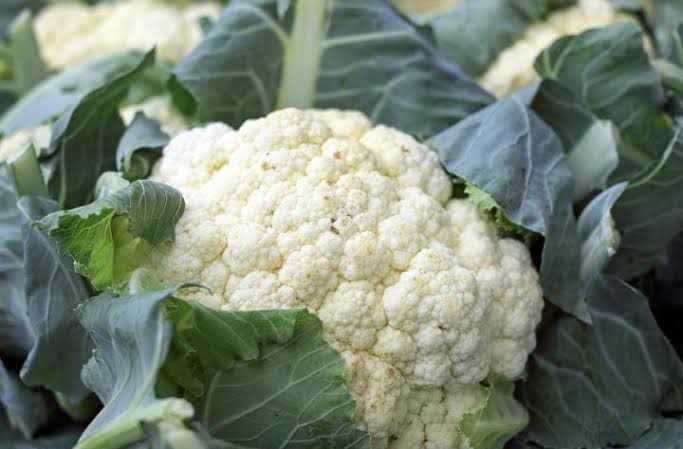
-
Cauliflower
-
Cabbage
-
Brussels sprouts
-
Kale
-
Bok choy
Other vegetables provide different combinations of nutrients.
The broader goal is simply to eat a wide variety of vegetables and plant foods.
35. The Bigger Picture Matters More Than One Food
Broccoli is nutritious, but your overall lifestyle has a much greater effect on long-term health.
A healthy pattern includes:
-
Plenty of vegetables and fruit
-
Adequate protein
-
Whole grains and legumes
-
Healthy fats
-
Regular physical activity
-
Adequate sleep
-
Limited tobacco exposure
-
Moderate alcohol intake or none
-
Appropriate medical screenings
Think of broccoli as one useful piece of that larger picture.
The Bottom Line
Broccoli is more than just a low-calorie green vegetable.
It provides fiber, vitamin C, vitamin K, folate, potassium, carotenoids, and glucosinolate-derived compounds that can contribute to a nutrient-rich diet.
Regularly eating broccoli may help you:
-
Increase fiber intake
-
Support normal digestion
-
Obtain vitamin C
-
Support normal immune function
-
Contribute to bone health
-
Support a heart-healthy dietary pattern
-
Add beneficial plant compounds to your meals
-
Increase vegetable intake without many calories
But it's important to keep expectations realistic.
Broccoli is not a cure, detox, or miracle food.
Its real value comes from being part of a diverse diet rich in minimally processed plant foods.
Final Thoughts
If you already enjoy broccoli, there's no reason to wait for a special reason to eat it.
Steam it, roast it, stir-fry it, add it to soups, or mix it into a grain bowl.
If it causes bloating, experiment with smaller portions or gentler cooking methods rather than assuming you have to eliminate it completely.
And remember that variety is just as important as consistency.
Broccoli may not transform your health overnight, but regularly filling your plate with nutrient-rich vegetables is one of the simplest habits that can contribute to better overall nutrition over time.