Broccoli may look like an ordinary green vegetable, but behind its familiar appearance is an impressive combination of fiber, vitamins, minerals, antioxidants, and plant compounds that can support many aspects of health.
It belongs to the cruciferous vegetable family, alongside cauliflower, cabbage, Brussels sprouts, kale, and bok choy. These vegetables have attracted considerable scientific interest because they contain naturally occurring compounds that interact with the body's antioxidant and cellular-defense systems.
But broccoli isn't a miracle food, and eating it doesn't guarantee protection from disease. Its real value comes from what it contributes to an overall balanced diet.
So what makes broccoli worth putting on your plate?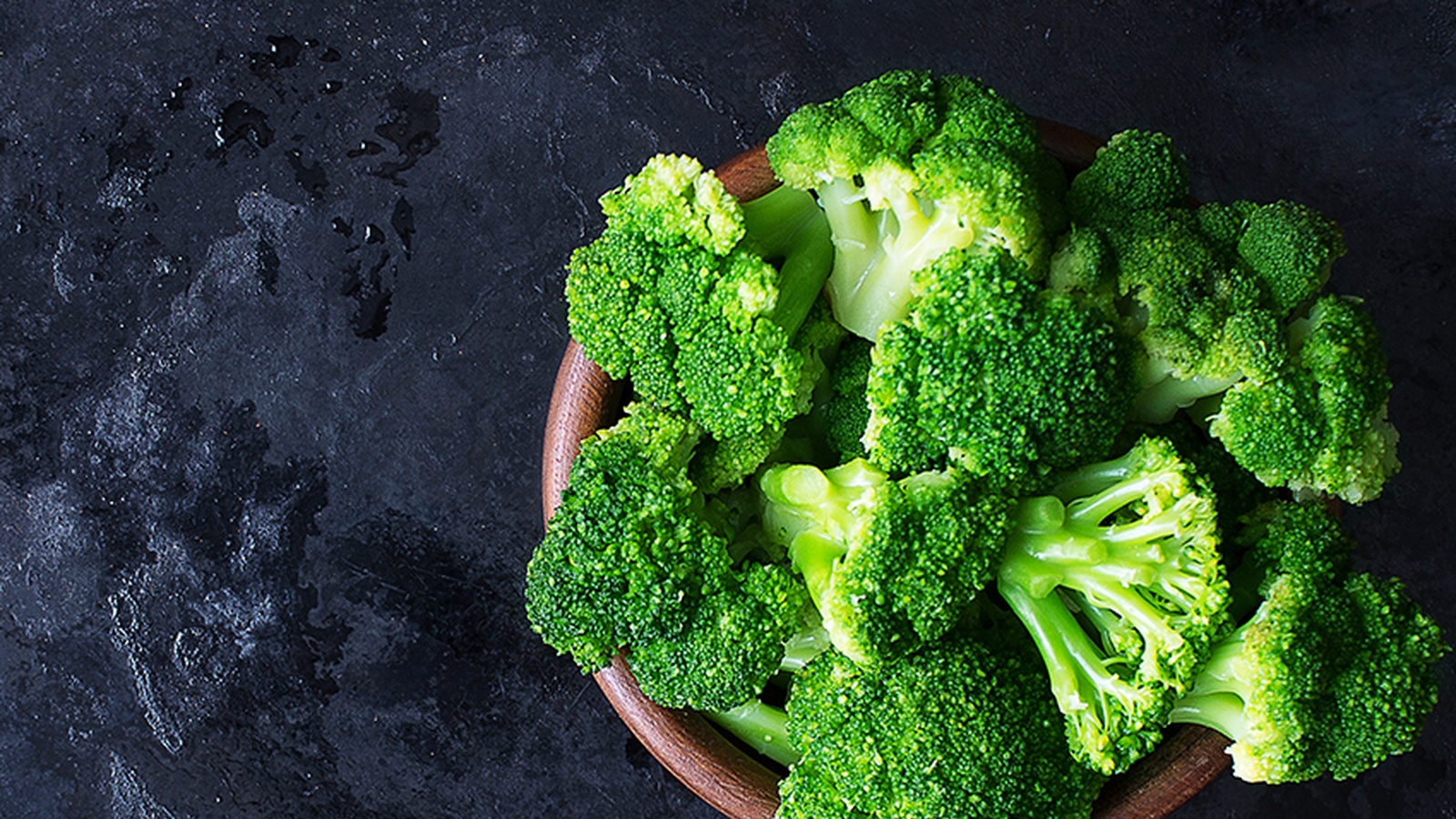
1. Broccoli Is Packed With Nutrients
One of broccoli's biggest advantages is its nutrient density.
A typical serving provides relatively few calories while supplying important nutrients such as:
-
Vitamin C
-
Vitamin K
-
Folate
-
Potassium
-
Fiber
-
Carotenoids
-
Other antioxidant compounds
This makes broccoli an easy way to add nutritional value to a meal without adding a large amount of calories.
Vitamin C is particularly notable. It contributes to normal immune function, collagen production, wound healing, and protection of cells from oxidative stress.
Vitamin K, meanwhile, plays an important role in normal blood clotting and bone metabolism.
2. It Can Support a Healthy Digestive System
Broccoli is a good source of dietary fiber.
Fiber is important for maintaining regular bowel movements and supporting normal digestive function.
When you eat fiber-rich foods, some of that fiber reaches the large intestine, where it can interact with the gut microbiome.
Certain types of dietary fiber can be fermented by gut bacteria, producing compounds called short-chain fatty acids, which are involved in maintaining the health of the intestinal environment.
Eating broccoli regularly can therefore contribute to a broader pattern of eating that supports digestive health.
However, if you suddenly eat a large amount of broccoli, you may notice more gas or bloating.
That's because cruciferous vegetables contain fermentable carbohydrates and sulfur-containing compounds that can be processed by gut bacteria.
If you're not used to eating much fiber, increasing your intake gradually may be more comfortable.
3. Broccoli Contains Sulforaphane Precursors
One of the most interesting compounds associated with broccoli is sulforaphane.
Sulforaphane is produced when a precursor called glucoraphanin comes into contact with the enzyme myrosinase.
This reaction can occur when broccoli is chopped or chewed.
Sulforaphane has attracted significant scientific interest because laboratory and experimental studies suggest that it can influence cellular pathways involved in antioxidant defenses, inflammation, and the body's response to certain potentially harmful compounds.
However, headlines sometimes go much further than the evidence.
Research on sulforaphane is promising, but that does not mean eating broccoli can prevent or cure cancer, reverse aging, or treat a specific disease.
The strongest message is much simpler:
Broccoli provides biologically active plant compounds that may contribute to healthy cellular processes.
4. Cooking Method Can Affect Its Compounds
How you prepare broccoli matters.
Myrosinase is sensitive to heat, so prolonged cooking can reduce the conversion of glucoraphanin into sulforaphane.
Steaming broccoli briefly tends to preserve more of its beneficial compounds than prolonged boiling.
Chopping broccoli and allowing it to sit for a short period before cooking may also help initiate the enzyme reaction.
Another interesting approach is combining cooked broccoli with a source of myrosinase, such as a small amount of raw mustard powder, although this is not necessary to enjoy broccoli's nutritional benefits.
The practical takeaway is not that you must eat broccoli raw.
It's simply that gentle cooking methods can help preserve some of its heat-sensitive compounds.
5. Broccoli Supports Normal Immune Function
Vitamin C is one of the nutrients that makes broccoli particularly useful.
Your immune system depends on a wide range of nutrients to function normally, and vitamin C contributes to several immune processes.
Broccoli also contains other plant compounds that contribute to its overall antioxidant profile.
But it's important to keep expectations realistic.
Eating broccoli does not “supercharge” your immune system overnight or prevent every infection.
A healthy immune system depends on a much larger picture, including adequate nutrition, sleep, physical activity, stress management, vaccinations when appropriate, and other health behaviors.
Broccoli is one useful piece of that puzzle.
6. It May Support Heart Health
A diet rich in vegetables is consistently associated with better cardiovascular health.
Broccoli contributes fiber, potassium, vitamin C, folate, and various plant compounds to that dietary pattern.
Fiber can help support healthy cholesterol levels, while potassium is important for normal blood-pressure regulation.
Broccoli also contains compounds that are being investigated for their potential effects on inflammation and vascular function.
But again, the food should not be viewed in isolation.
Eating broccoli while consuming a diet dominated by highly processed foods does not cancel out the broader dietary pattern.
The greatest benefit comes from replacing less nutritious foods with a variety of vegetables, fruits, whole grains, legumes, nuts, and other nutrient-rich foods.
7. Broccoli May Help Support Bone Health
People often think about dairy products when they hear the phrase “bone health,” but vegetables contribute too.
Broccoli provides vitamin K, which is involved in bone metabolism.
It also contains smaller amounts of calcium and other nutrients.
Bone health depends on many factors, including:
-
Calcium intake
-
Vitamin D
-
Vitamin K
-
Protein
-
Physical activity
-
Hormonal health
-
Age
-
Overall nutrition
No single vegetable can guarantee strong bones, but broccoli can contribute useful nutrients as part of a balanced diet.
8. It Can Help You Feel Full
Because broccoli contains both water and fiber, it can add volume to meals without contributing a large number of calories.
This can be helpful for people trying to maintain a healthy body weight.
A plate containing broccoli, a protein source, and a whole-food carbohydrate can be more filling than a meal based primarily on refined carbohydrates or highly processed snacks.
The key is not to think of broccoli as a “fat-burning food.”
It doesn't magically accelerate metabolism.
Instead, it can make a balanced meal more satisfying while providing valuable nutrients.
That is a much more realistic—and sustainable—benefit.
9. Broccoli Contains Antioxidant Compounds
Our cells naturally produce reactive molecules as part of normal metabolism.
The body has sophisticated antioxidant systems that help maintain balance, and diet contributes additional antioxidant compounds.
Broccoli contains vitamin C, carotenoids, flavonoids, and glucosinolate-related compounds that have antioxidant or cellular-signaling properties.
This is one reason cruciferous vegetables continue to attract scientific interest.
However, antioxidant science is often oversimplified online.
More antioxidants do not automatically mean better health, and consuming enormous amounts of isolated antioxidant supplements is not equivalent to eating vegetables.
Whole foods provide complex combinations of nutrients and compounds that work together in ways researchers are still studying.
10. Broccoli May Support Healthy Cellular Defense
One of the most fascinating areas of broccoli research involves the body's natural detoxification and cellular-defense pathways.
Sulforaphane and other compounds derived from glucosinolates can influence enzymes involved in the body's response to certain environmental chemicals and oxidative stress.
Some laboratory studies have shown striking biological effects.
But laboratory findings are not the same as proven benefits in humans.
Researchers continue to study how these compounds behave in real-world diets and whether consuming broccoli at normal dietary levels produces clinically meaningful effects.
For now, it's more accurate to say that broccoli supports pathways involved in normal cellular defense than to claim it “detoxes the body.”
Your liver and kidneys already perform the body's primary detoxification functions.
11. It May Be Helpful for Blood Sugar Management
Broccoli is naturally low in digestible carbohydrates and contains fiber.
That makes it a useful vegetable for people who want meals that are less likely to produce a rapid rise in blood glucose compared with many refined carbohydrate foods.
Some research has also investigated broccoli-derived compounds and glucose metabolism.
However, broccoli is not a treatment for diabetes.
For people with diabetes or prediabetes, the overall composition of meals, total carbohydrate intake, medication, physical activity, and individual metabolic factors are much more important than any single vegetable.
Still, replacing some refined starches with non-starchy vegetables such as broccoli can be a practical dietary strategy.
12. Broccoli Comes With an Important Bonus: Variety
One of the biggest mistakes in nutrition is searching for one “superfood.”
Health doesn't depend on eating one perfect ingredient.
Broccoli is valuable partly because it can be combined with many other nutritious foods.
Try pairing it with:
Broccoli + salmon for protein and omega-3 fats.
Broccoli + beans for fiber and plant protein.
Broccoli + eggs for a nutrient-rich breakfast or lunch.
Broccoli + brown rice for a simple balanced meal.
Broccoli + tofu for a plant-based protein option.
This approach provides a much wider range of nutrients than relying on broccoli alone.
Raw or Cooked: Which Is Better?
There isn't a single correct answer.
Raw broccoli preserves heat-sensitive compounds and provides a crunchy texture.
Lightly steamed broccoli can retain many nutrients while making the vegetable easier to eat and digest.
Roasting can create a deeper flavor and make broccoli more appealing to people who don't enjoy it raw.
The main issue is avoiding excessive cooking that turns the vegetable soft and waterlogged while also potentially reducing some heat-sensitive compounds.
If you enjoy broccoli, the best preparation method is often simply the one that helps you eat it consistently.
Frozen Broccoli Can Still Be Nutritious
Fresh isn't always automatically better.
Frozen broccoli is often processed relatively soon after harvesting, which can help preserve many nutrients.
It's also convenient, inexpensive, and available year-round.
If frozen vegetables make it easier for you to include vegetables in your diet regularly, there is no need to feel that you are making an inferior choice.
The nutritional difference between fresh and frozen broccoli is often less important than whether you actually eat it.
Can You Eat Too Much Broccoli?
For most healthy people, broccoli is a safe and nutritious food.
But consuming very large amounts may cause digestive symptoms such as:
-
Gas
-
Bloating
-
Abdominal discomfort
-
Changes in bowel movements
People with certain digestive conditions may be particularly sensitive to large quantities of cruciferous vegetables.
Broccoli also contains vitamin K, which is relevant for people taking warfarin or certain other anticoagulant medications.
People taking warfarin generally do not need to avoid vitamin-K-rich vegetables altogether, but maintaining a consistent intake is important because sudden major changes in vitamin K consumption can affect anticoagulation.
If you take medication that is affected by vitamin K, discuss dietary changes with your healthcare professional.
What About Broccoli Sprouts?
Broccoli sprouts are young broccoli plants harvested shortly after germination.
They can contain substantially higher concentrations of certain glucosinolate precursors than mature broccoli, which is one reason they have attracted research interest.
But “more concentrated” does not automatically mean “better for everyone.”
Sprouts also require careful food-safety handling because raw sprouts can support bacterial growth under certain conditions.
People who are pregnant, very young, older, or immunocompromised may need to be particularly cautious with raw sprouts.
Regular cooked broccoli remains a simple and nutritious option.
The Biggest Mistake Is Turning Broccoli Into a Miracle Cure
Broccoli deserves its reputation as a nutritious vegetable.
But nutrition headlines sometimes turn reasonable findings into extraordinary promises.
You may encounter claims that broccoli:
-
“Cures cancer”
-
“Detoxes your body”
-
“Burns belly fat”
-
“Prevents every disease”
-
“Reverses aging”
-
“Cleans your arteries”
These claims go far beyond what the evidence supports.
A healthier way to think about broccoli is this:
It is a nutrient-dense vegetable that can contribute to a dietary pattern associated with better health.
That's already a significant benefit.
You don't need a food to be miraculous for it to be worth eating.
How to Add More Broccoli to Your Diet
If you're not used to eating broccoli, start with small portions.
You can:
-
Add steamed broccoli to rice bowls
-
Mix chopped broccoli into omelets
-
Roast it with olive oil and herbs
-
Add it to soups
-
Toss it into pasta
-
Combine it with beans or lentils
-
Add it to stir-fries
-
Serve it alongside grilled fish or chicken
-
Blend cooked broccoli into a vegetable soup
A simple combination of broccoli, olive oil, garlic, and a little lemon can turn an ordinary side dish into something flavorful and satisfying.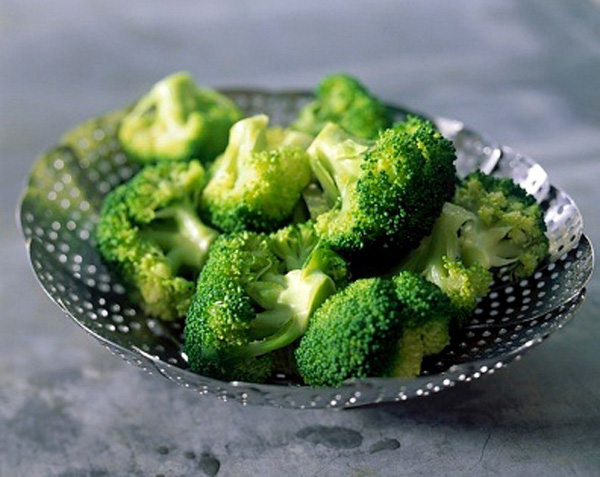
The Bottom Line
Broccoli may not be a miracle food, but there is a very good reason it continues to appear on lists of nutritious vegetables.
It provides fiber, vitamin C, vitamin K, folate, potassium, carotenoids, and glucosinolate-derived compounds that can contribute to a healthy diet.
Its potential benefits include supporting digestive health, normal immune function, bone health, cardiovascular health, and the body's natural cellular-defense processes.
The most interesting research surrounds compounds such as sulforaphane, but many of the strongest health claims circulating online go beyond current human evidence.
So you don't need to eat enormous quantities of broccoli or search for a special preparation method.
Simply make it part of a varied, balanced diet.
Steam it. Roast it. Add it to a stir-fry. Eat it with protein and whole grains. Combine it with other colorful vegetables.
Because the real power of broccoli isn't that it can do everything.
It's that one simple vegetable can quietly deliver a remarkable collection of nutrients and plant compounds every time you put it on your plate.