Have you ever noticed a dark blue, purple, or yellowish bruise on your skin and wondered, “Where did that come from?” Sometimes, a bruise is simply the result of a minor bump you never noticed. But when bruises repeatedly appear without an obvious explanation, it can be worth paying closer attention.
Most unexplained bruises are not a sign of something serious. However, frequent or unusually large bruising can sometimes be associated with medications, nutritional deficiencies, changes in the skin and blood vessels, or conditions that affect blood clotting.
Understanding why bruises form—and knowing when they deserve medical attention—can help you distinguish between an everyday skin change and a potential warning sign.
What Exactly Is a Bruise?
A bruise, medically known as an ecchymosis, develops when small blood vessels beneath the skin become damaged and leak blood into the surrounding tissue.
You do not necessarily need to experience a dramatic injury for this to happen. A small bump against a table, pressure from a piece of furniture, exercise, or even an accidental knock may be enough to damage tiny blood vessels.
At first, a fresh bruise may appear red, purple, blue, or nearly black. As the body gradually breaks down and reabsorbs the trapped blood, its color may change to green, yellow, or brown before eventually disappearing.
The healing process commonly takes around two weeks, although larger or deeper bruises can take longer.
The mystery comes from the fact that many small impacts happen without us consciously remembering them.
Why Do Bruises Sometimes Appear “Out of Nowhere”?
One of the most common explanations is surprisingly simple: you may have bumped yourself and forgotten about it.
Small injuries can happen during everyday activities—getting out of bed, carrying groceries, exercising, cleaning the house, or moving around a crowded room. If the impact is minor, you may not feel much pain at the time.
Certain areas are also more vulnerable to bruising. The arms and legs, for example, are frequently exposed to accidental bumps.
But there are other factors that can make bruising easier.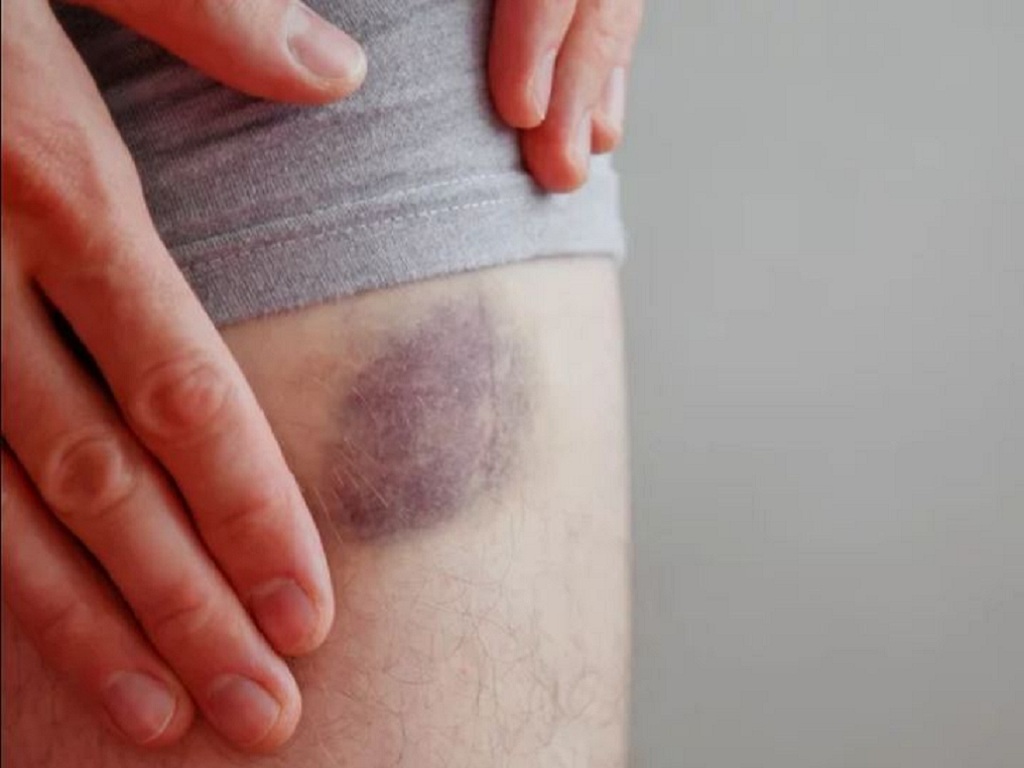
1. Getting Older
As we age, the skin generally becomes thinner and loses some of the protective fatty tissue beneath it.
Blood vessels can therefore become more vulnerable to minor trauma. This is one reason older adults may notice bruises appearing more frequently, particularly on the backs of their hands and forearms.
This type of age-related bruising is often called senile purpura or actinic purpura.
Although it can look alarming, it is often harmless. Still, new or rapidly increasing bruising should not automatically be attributed to age without considering other possible causes.
2. Medications That Affect Blood Clotting
Some medications can make bruising easier because they interfere with platelet function or the blood-clotting process.
Examples include:
-
Aspirin
-
Certain other antiplatelet medications
-
Warfarin and other anticoagulants
-
Some newer blood thinners
-
Certain anti-inflammatory medications
-
Corticosteroids
Some supplements may also influence bleeding or platelet function.
This does not mean you should stop a prescribed medication because you are developing bruises. Suddenly discontinuing some medicines can be dangerous.
Instead, discuss unexpected or increasing bruising with the healthcare professional who prescribed the medication.
3. Nutritional Deficiencies
Nutrition can also influence the body's ability to maintain healthy blood vessels and form clots normally.
A deficiency in vitamin C, for example, can weaken connective tissue and blood vessels and, in severe cases, contribute to easy bruising and bleeding.
Vitamin K plays an important role in blood clotting, so severe deficiency can also contribute to abnormal bleeding. However, significant vitamin K deficiency is uncommon in otherwise healthy adults.
Other nutritional problems may indirectly contribute to bruising or poor healing, particularly when someone has a very restricted diet, malabsorption, chronic illness, or another underlying condition.
This is why taking large doses of vitamins without knowing the cause is not necessarily the best solution.
4. Skin Changes and Sun Exposure
Years of sun exposure can contribute to thinning and weakening of the skin and supporting tissues.
As the skin becomes more fragile, minor trauma can cause blood vessels to break more easily.
People may notice this as recurring purple or reddish patches, particularly on areas such as the forearms and hands.
Again, this can be benign, but unexplained skin changes should be evaluated if they are persistent, rapidly changing, or accompanied by other symptoms.
5. Intense Exercise
You might associate bruising with contact sports or obvious injuries, but strenuous exercise can sometimes produce bruising even when you do not remember being hit.
Activities involving repetitive pressure, muscle strain, equipment, or accidental contact can damage small blood vessels.
If bruising appears after starting a new workout routine, increasing training intensity, or participating in physically demanding activities, that may provide an important clue.
However, extensive bruising after relatively mild exercise should still be discussed with a healthcare professional.
When Bruising Could Point to a Medical Problem
While occasional unexplained bruises are usually not cause for panic, recurrent or unusual bruising can sometimes indicate a problem with blood cells, platelets, blood vessels, or clotting factors.
For example, certain blood disorders can interfere with normal clotting.
Low platelet counts, known as thrombocytopenia, can cause easy bruising or other bleeding symptoms.
Some disorders affect the body's clotting factors and can lead to prolonged bleeding or unusually large bruises.
Liver disease can also interfere with the production of proteins involved in blood clotting.
Infections, autoimmune conditions, bone marrow disorders, and certain cancers can sometimes be associated with abnormal bruising as well.
Importantly, bruising by itself does not mean that someone has one of these conditions. There are many more common explanations.
The key is whether the bruising occurs alongside other symptoms.
Pay Attention to Other Warning Signs
Unexplained bruising deserves more attention when it is accompanied by symptoms such as:
-
Frequent nosebleeds
-
Bleeding gums
-
Very heavy menstrual bleeding
-
Blood in urine or stool
-
Bleeding that takes unusually long to stop
-
Numerous tiny red or purple spots on the skin
-
Unusually large or painful bruises
-
Bruises appearing suddenly and frequently
-
Persistent fatigue or weakness
-
Unexplained weight loss
-
Fever or repeated infections
-
Pale skin
-
Dizziness or shortness of breath
-
A general feeling of being unusually unwell
These symptoms do not automatically indicate a serious disease, but together they can provide important clues for a medical evaluation.
What Are Those Tiny Red Dots?
Sometimes people confuse bruises with petechiae.
Petechiae are tiny, pinpoint red, purple, or brown spots caused by small amounts of bleeding beneath the skin. Unlike an ordinary bruise, they are usually much smaller and may appear in clusters.
A sudden or widespread appearance of petechiae—especially when accompanied by fever, weakness, bleeding, or feeling seriously ill—should be medically evaluated promptly.
Another related skin finding is purpura, a broader term used for areas of bleeding under the skin that can appear as purple or reddish patches.
The appearance alone cannot determine the cause.
Where the Bruises Appear Can Matter
The location of bruises can sometimes provide useful information.
Bruises on the arms and legs are commonly caused by everyday bumps.
But if bruising repeatedly appears in unusual locations—such as the torso, back, or face—without an obvious explanation, it may be worth discussing with a healthcare professional.
Likewise, bruises that are consistently very large compared with the amount of trauma involved deserve attention.
Healthcare professionals will consider where the bruises occur, how often they appear, how long they last, medications, family history, other bleeding symptoms, and overall health when evaluating the situation.
Should You Get Blood Tests?
Not everyone with a random bruise needs laboratory testing.
If you have an occasional small bruise, feel completely well, and have no other bleeding problems, observation may be all that is necessary.
However, if bruising is persistent, recurrent, unexplained, or accompanied by other symptoms, a clinician may recommend blood tests.
Depending on the situation, evaluation can include a complete blood count (CBC) to look at blood cells and platelets, along with tests that assess blood clotting.
Additional testing may be considered based on the person's symptoms, medical history, medications, and physical examination.
The important point is that testing should be guided by the clinical picture rather than performed randomly.
Can You Make a Bruise Heal Faster?
For a fresh bruise, simple measures can help with discomfort and swelling.
Cold compresses
Applying a cold pack wrapped in a cloth during the first day or two may help reduce swelling and discomfort.
Do not place ice directly against the skin.
Elevation
If the bruised area is on an arm or leg and is swollen, keeping it elevated when practical may help reduce swelling.
Rest
Avoid activities that repeatedly stress or injure the affected area while it is painful.
After the initial period, gentle movement can usually be resumed as discomfort improves.
A bruise generally fades on its own as the body gradually clears the blood beneath the skin.
Be Careful With Home Remedies
The internet is full of claims that certain foods, creams, essential oils, or supplements can make bruises disappear almost instantly.
Evidence for many of these remedies is limited.
More importantly, some supplements can actually increase bleeding risk or interact with prescription medications.
If you take blood thinners or other medications, it is particularly important to speak with a healthcare professional before adding supplements marketed for circulation, inflammation, or “blood cleansing.”
A mysterious bruise usually does not need a complicated treatment.
The first step is understanding why it happened.
What You Should Not Do
Do not repeatedly massage a fresh, painful bruise aggressively.
Avoid intentionally breaking the skin or attempting to drain a bruise yourself.
And if you take prescription blood thinners, do not stop them simply because you have noticed bruising.
Instead, contact your healthcare provider if the bruising is unusually extensive or is accompanied by bleeding elsewhere.
A Simple Way to Track Unexplained Bruising
If you frequently develop bruises, keeping a simple record can be surprisingly useful.
Write down:
-
When you first noticed the bruise
-
Where it appeared
-
Its approximate size
-
Whether you remember an injury
-
How long it took to disappear
-
Any medications or supplements you take
-
Other symptoms occurring at the same time
Taking a photograph can also help you and your clinician see how the bruise changes over time.
This information may make it easier to identify patterns that are otherwise difficult to remember.
When Should You See a Doctor?
Consider making an appointment if you suddenly begin bruising much more easily than usual, develop frequent unexplained bruises, or notice bruising alongside other unusual bleeding.
You should seek urgent medical attention for significant or uncontrolled bleeding, a rapidly expanding painful swelling, severe weakness or dizziness, fainting, or other symptoms suggesting a potentially serious problem.
A single small bruise is rarely a reason to panic.
But a new pattern of unexplained bruising is something worth paying attention to.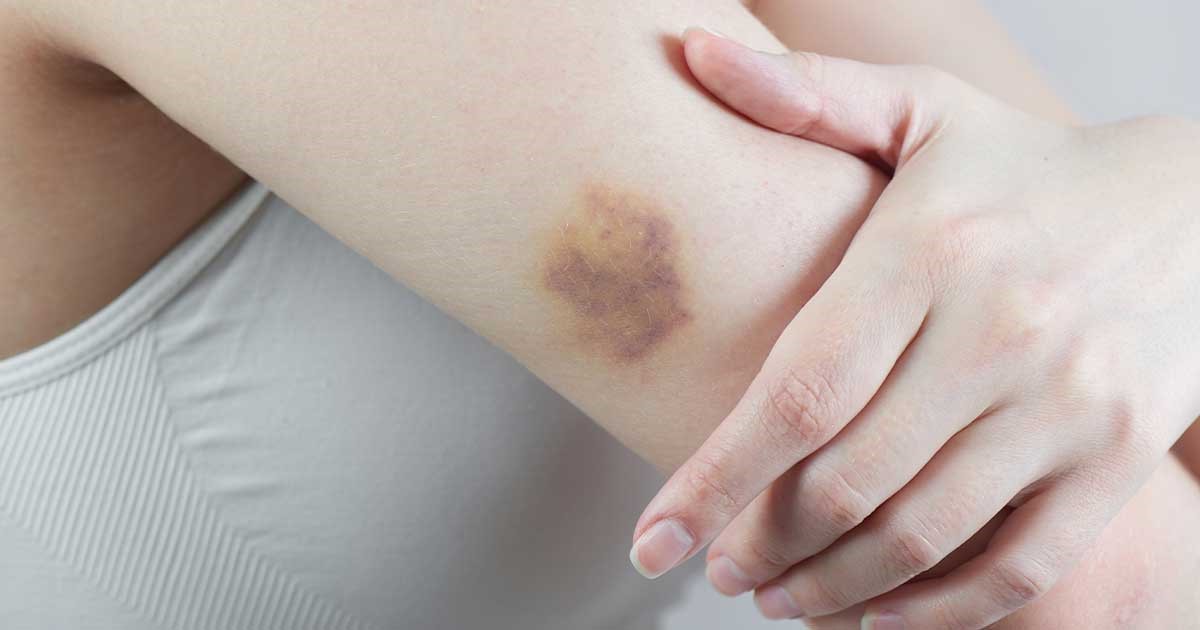
The Bottom Line
Finding a bruise you cannot explain can be unsettling, but in many cases, there is a simple explanation. A forgotten bump, fragile skin, aging, strenuous exercise, or a medication can all make bruising more noticeable.
At the same time, persistent, frequent, unusually large, or widespread bruising should not simply be ignored - especially when accompanied by nosebleeds, bleeding gums, fatigue, fever, tiny red or purple spots, or other unexplained symptoms.
Your skin can sometimes provide clues about what is happening beneath the surface. A bruise does not tell the whole story, but a change in your usual pattern can be a reason to listen more closely to your body.
The goal isn't to worry about every bruise. It's to recognize when a bruise is ordinary and when your body may be asking you to take a closer look.