Foamy Urine Isn’t Always Random—Here’s What Your Body Could Be Telling You
Have you ever looked into the toilet and noticed that your urine seems unusually foamy or covered with bubbles?
Sometimes, this is completely harmless and may simply happen because urine hits the water quickly or because you haven't had enough fluids.
But if foamy urine happens frequently, becomes more noticeable, or is accompanied by other symptoms, it may be worth paying attention to.
Here are some possible reasons behind it.
1. You May Be Dehydrated

One of the simplest explanations is dehydration.
When you don't drink enough water, your urine becomes more concentrated. Concentrated urine can sometimes appear darker and may produce more bubbles or foam when it hits the toilet water.
If you otherwise feel well, increasing your fluid intake and observing whether the appearance returns to normal may be reasonable.
However, persistent changes shouldn't automatically be blamed on dehydration.
2. Your Urine May Be Hitting the Water With Force
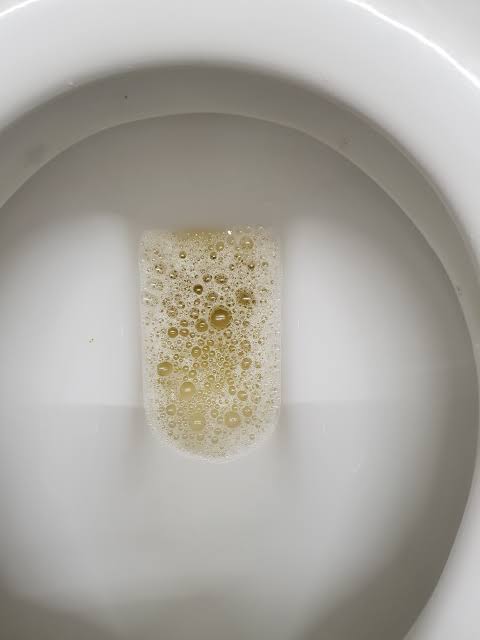
Sometimes the explanation is surprisingly simple.
When urine hits the toilet water at a high speed, it can create bubbles or temporary foam—similar to what happens when water is poured quickly into a container.
This type of foaming usually disappears fairly quickly.
If it happens occasionally and there are no other symptoms, it may not indicate a health problem.
3. Protein in the Urine
One reason doctors may pay closer attention to persistent foamy urine is proteinuria, meaning an increased amount of protein in the urine.
Healthy kidneys normally prevent large amounts of protein from passing into urine. When the kidney's filtering system is damaged, however, protein can leak into the urine.
Proteinuria can occur with several conditions, including kidney disease, diabetes, and high blood pressure.
Importantly, you cannot diagnose protein in the urine just by looking at it. A urine test is needed to determine whether protein is actually present.
4. Diabetes Can Affect the Kidneys
Diabetes can damage the small blood vessels in the kidneys over time.
One early sign of kidney damage related to diabetes can be albumin in the urine, sometimes called albuminuria.
That's why people with diabetes are often advised to have their kidney function and urine checked regularly.
If you have diabetes and notice persistent changes in your urine, discussing them with your healthcare professional is a good idea.
5. High Blood Pressure May Play a Role
High blood pressure can put additional strain on the blood vessels in the kidneys.
Over time, uncontrolled hypertension can contribute to kidney damage, which may lead to protein appearing in the urine.
This is one reason regular blood pressure checks are important—even when you don't feel any different.
High blood pressure often has no obvious symptoms, so relying on how you feel isn't enough.
6. Kidney Problems Can Sometimes Cause Changes in Urine

The kidneys play an essential role in filtering waste and excess fluid from the blood.
When kidney function is impaired, changes in urine may occur. Foamy urine can be one possible sign when protein is leaking into the urine.
Other symptoms that may occur with kidney problems include:
- Swelling around the ankles, feet, hands, or eyes
- Changes in how often you urinate
- Blood in the urine
- Persistent fatigue
- Nausea or loss of appetite
- Changes in blood pressure
These symptoms can have many possible causes, so they don't automatically mean you have kidney disease.
7. Certain Situations Can Temporarily Increase Protein in Urine
Protein in the urine isn't always caused by permanent kidney damage.
Temporary increases can occur after intense exercise, fever, illness, dehydration, or other short-term conditions.
For this reason, one abnormal urine test doesn't necessarily mean something is seriously wrong.
A healthcare professional may recommend repeating the test or performing additional tests to understand what's happening.
When Should You Get It Checked?
Occasional bubbles in your urine are usually not something to panic about.
But it's worth speaking with a healthcare professional if the urine is persistently foamy, especially if the change continues over several days or keeps coming back.
You should pay particular attention if foamy urine occurs together with:
Swelling, blood in the urine, significant changes in urination, unexplained fatigue, shortness of breath, or other concerning symptoms.
People with diabetes, high blood pressure, or a history of kidney problems may also benefit from discussing persistent urinary changes with their healthcare provider.
How Do Doctors Check for the Cause?
A simple urine test can provide much more information than appearance alone.
Doctors may check for:
- Protein or albumin
- Blood
- Glucose
- Signs of infection
- Other abnormalities
Depending on the results, blood tests may also be used to evaluate kidney function.
The important point is that foamy urine itself is not a diagnosis. It is simply an observation that may have many explanations.
The Bottom Line
Seeing bubbles in the toilet occasionally doesn't necessarily mean something is wrong.
It may be caused by something as simple as the force of urination, concentrated urine, or dehydration.
However, persistent foamy urine—particularly when accompanied by swelling, blood in the urine, changes in urination, or other symptoms—deserves attention.
Don't panic, but don't ignore a persistent change either.
Sometimes, your urine can provide an early clue that something in your body deserves a closer look. 💧
If you've noticed persistent foamy urine, a simple urine test can help determine what's really going on.