Some people worry that cremation destroys the body so completely that resurrection becomes impossible. They may wonder how God could restore a person whose remains have been reduced to ashes rather than preserved in a grave.
This concern is understandable, particularly for believers who have grown up associating burial with the Christian promise of resurrection.
However, the traditional Christian understanding of resurrection does not depend on the permanent preservation of a person's earthly body in an intact condition.
Consider what happens to a body after burial.
The body gradually decomposes. Soft tissue disappears, bones deteriorate over time, and the physical remains may eventually become difficult or impossible to identify. In some circumstances, bodies are lost in natural disasters, destroyed by fire, or never recovered after death at sea.
These realities do not ordinarily lead Christians to conclude that resurrection is impossible for those people.
The central belief is that God has power over death and is not restricted by the condition of a person's remains.
From this perspective, cremation does not create a problem simply because it changes the physical condition of the body more rapidly than natural decomposition might.
Christian hope rests in God's power to raise the dead, not in a family's ability to preserve a corpse indefinitely.
This does not mean that every Christian must choose cremation or abandon the symbolism of burial. It means that the belief in resurrection cannot reasonably be reduced to the idea that God requires an intact body to remain in a particular place.
For believers who accept the Christian doctrine of resurrection, the condition of the remains does not place the deceased beyond God's power.
7. What Does the Apostle Paul Teach About the Resurrection Body?
One of the most important biblical discussions of resurrection appears in Paul's first letter to the Corinthians, particularly in 1 Corinthians 15.
Paul addresses questions about how the dead are raised and what kind of body they will have. His explanation emphasizes transformation rather than the simple continuation of earthly physical conditions.
He contrasts what is perishable with what is imperishable, dishonor with glory, weakness with power, and the natural body with the spiritual body.
These contrasts help explain why Christians do not generally understand resurrection as requiring the indefinite preservation of the body in its present earthly condition.
Paul's teaching directs attention toward what God accomplishes in resurrection. The believer's hope is not merely that a body will be reconstructed exactly as it was at the moment of death, with every physical feature preserved.
Instead, resurrection is understood as an act of divine power through which God brings about a transformed existence.
This passage does not directly discuss modern cremation, so it should not be presented as an explicit biblical endorsement of the practice. Nevertheless, its teaching about resurrection is relevant to the concern that ashes make resurrection impossible.
If resurrection involves God's transformative power, then the physical condition of the remains is not the foundation of Christian hope.
Burial may symbolize this hope in a particularly meaningful way, but the doctrine of resurrection is ultimately about God's victory over death.
8. What Does “Dust to Dust” Mean in Christian Belief?
The familiar expression "ashes to ashes, dust to dust" is often associated with Christian funerals and the recognition of human mortality.
Its imagery reflects the biblical understanding that human beings are mortal and that the physical body eventually returns to the earth.
Genesis 3:19 expresses this reality by describing humanity as returning to the ground from which it came. The passage reminds readers that earthly life is temporary and that human beings cannot escape physical death through their own power.
For many Christians, this language provides a moment of humility during a funeral. It acknowledges that wealth, reputation, social status, and earthly achievements cannot prevent mortality.
The body is not permanent. It belongs to the created order and eventually returns to it.
Burial makes this process visible through the gradual return of the body to the earth. Cremation changes the physical remains through a different process, but it does not eliminate the underlying reality that human life is mortal.
The phrase "dust to dust" should therefore be understood within the larger biblical teaching about human limitation, death, and dependence on God.
It is not, by itself, a technical instruction specifying precisely how every body must be handled after death.
For Christians, the more important theological question is how the reality of mortality relates to the hope of resurrection.
The Christian message acknowledges that physical death is real while maintaining that death does not have the final word.
9. Is Burial More Biblical Than Cremation?
The answer depends on what someone means by "more biblical."
If the phrase means that burial is more frequently described in the Bible, then the answer is yes. Burial is clearly the dominant practice in the biblical accounts discussed here.
Important biblical figures were buried, family tombs were common in the ancient world, and Jesus Himself was placed in a tomb after His crucifixion.
These examples explain why burial has such a strong place in Christian history and why many believers continue to choose it.
If, however, "more biblical" means that the Bible explicitly declares burial to be the only acceptable option and cremation to be sinful, the conclusion is less straightforward.
The Bible does not directly state that cremation is forbidden.
Consequently, Christians should distinguish between saying that burial has a stronger and more visible biblical precedent and saying that Scripture explicitly condemns cremation.
Those are different claims.
A Christian may choose burial because it reflects biblical tradition, communicates respect for the body, and symbolizes hope in resurrection. Another Christian may choose cremation while maintaining the same fundamental beliefs about human dignity, death, and eternal life.
The important question is whether the decision is made thoughtfully and in accordance with the person's sincere convictions and the teachings of their faith tradition.
Christians do not need to erase the importance of burial in order to acknowledge that Scripture does not explicitly prohibit cremation.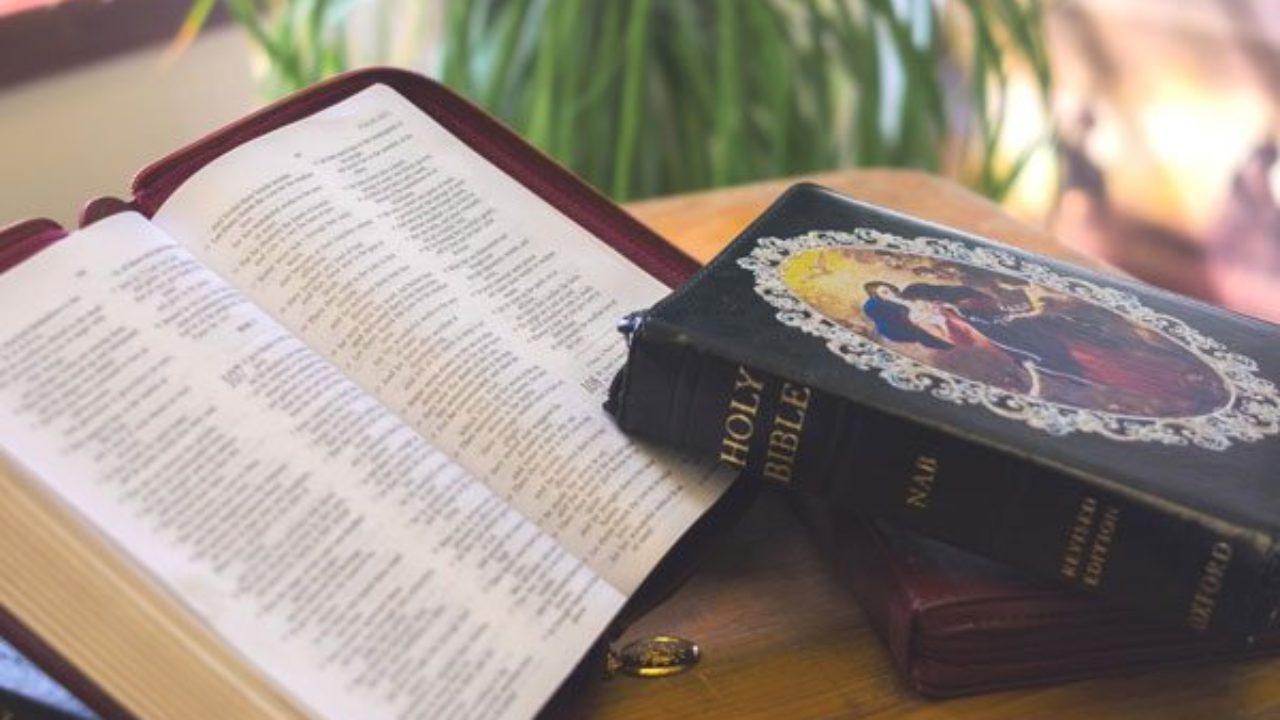
10. Why Do Many Christians Prefer Burial?
Even though the Bible does not directly prohibit cremation, burial continues to hold deep meaning for many Christians.
Their preference may arise from several connected theological, historical, and emotional considerations.
Respect for the Human Body
Christianity generally treats the human body as significant rather than meaningless. Human beings are described as created in the image of God, and the New Testament places considerable emphasis on the body and the hope of bodily resurrection.
For this reason, many Christians believe that burial provides a particularly appropriate way to honor the deceased.
They may associate placing the body in a grave with dignity, reverence, and the recognition that human life is a gift from God.
Continuity With Christian Tradition
Burial has been a familiar Christian practice for centuries. Families may see it as a way of maintaining continuity with earlier generations and participating in a tradition that has shaped Christian funeral services for a long time.
For some believers, this historical continuity is an important part of religious identity.
The Example of Jesus
The burial of Jesus remains one of the most significant biblical examples for Christians who prefer burial.
They may view burial as a way of following the pattern associated with Christ's death before His resurrection.
Although this does not establish an explicit prohibition against cremation, it helps explain why burial carries special theological weight.
A Symbol of Waiting for Resurrection
A grave can serve as a visible reminder of the Christian belief that death is not the end.
For grieving relatives, visiting a burial place may provide a location for prayer, remembrance, and reflection.
The grave can become a meaningful symbol of hope, even as family members mourn their loss.
Family and Cultural Traditions
Funeral decisions are rarely based on theology alone.