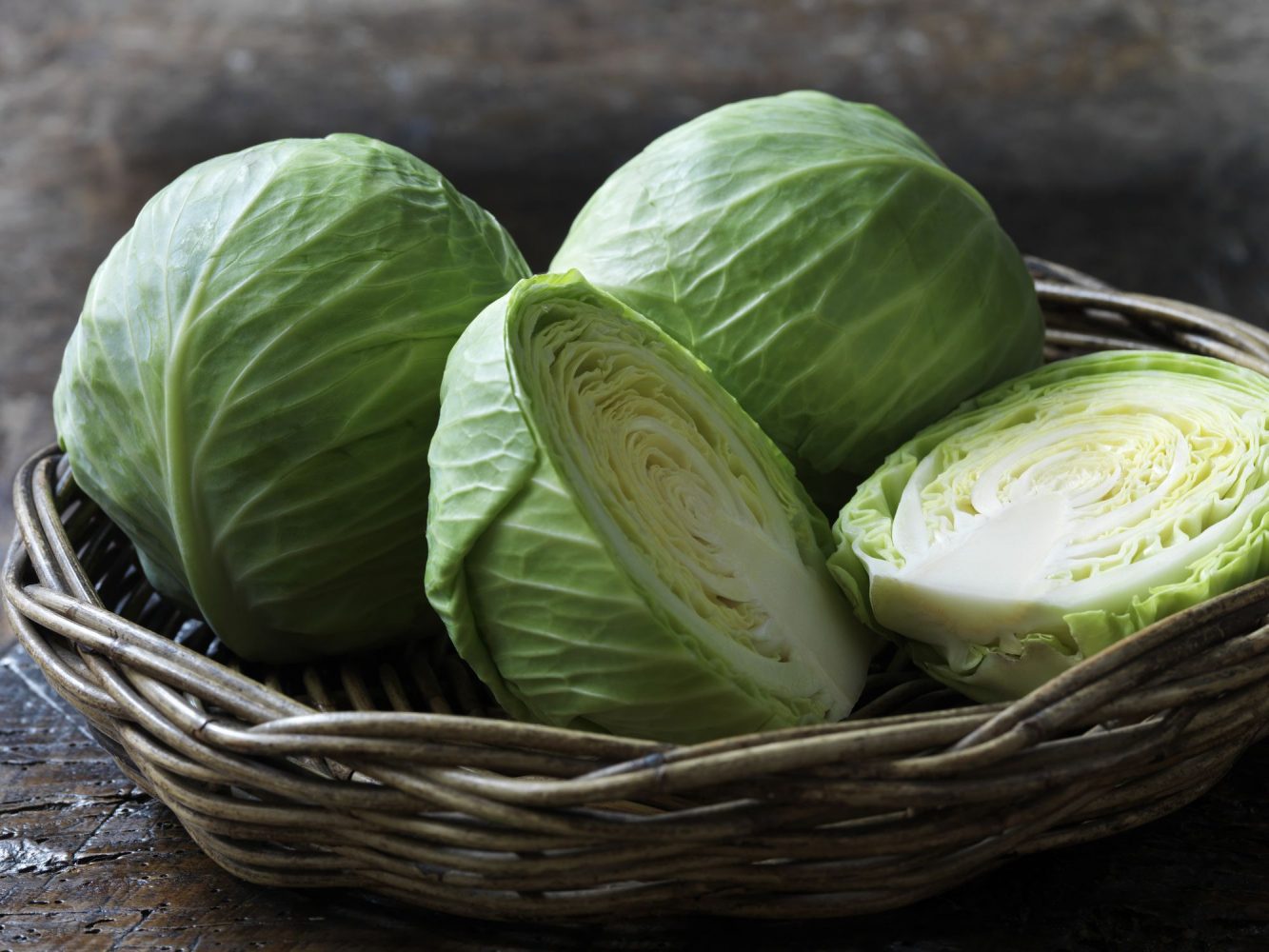
Cabbage is one of the most common vegetables found in kitchens around the world. It is affordable, versatile, and packed with nutrients that support overall health. Whether eaten raw in salads, fermented into dishes like sauerkraut or kimchi, or cooked in soups and stir-fries, cabbage has long been valued as a nutritious and accessible food.
This leafy vegetable belongs to the cruciferous family, which also includes broccoli, cauliflower, kale, and Brussels sprouts. These vegetables are well known for their high levels of vitamins, minerals, fiber, and plant compounds that may support health.
Despite its many benefits, cabbage may not be suitable for everyone. Certain individuals may need to limit or avoid cabbage due to specific health conditions or sensitivities. Understanding both the benefits and the potential concerns can help people make better dietary choices.

The Nutritional Value of Cabbage
Cabbage is considered a nutrient-dense vegetable because it contains a wide variety of essential nutrients while remaining relatively low in calories.
A serving of cabbage typically provides:
-
Vitamin C
-
Vitamin K
-
Fiber
-
Folate
-
Potassium
-
Antioxidants
Vitamin C helps support the immune system and acts as an antioxidant that protects cells from damage. Vitamin K plays an important role in blood clotting and bone health. Meanwhile, dietary fiber helps maintain healthy digestion and supports gut health.
Cabbage also contains plant compounds known as glucosinolates, which have been studied for their potential role in supporting the body's natural detoxification processes.
Because of these nutrients, cabbage is often recommended as part of a balanced and healthy diet.
Potential Health Benefits of Cabbage
When consumed in appropriate amounts, cabbage may provide several health-supporting benefits.
Supporting Digestive Health
Cabbage contains both soluble and insoluble fiber, which helps regulate digestion and promote healthy gut bacteria. Fiber may also support regular bowel movements and reduce digestive discomfort.
Providing Antioxidants
Cabbage is rich in antioxidants, which help protect cells from oxidative stress. Oxidative stress occurs when harmful molecules called free radicals accumulate in the body.
Antioxidants help neutralize these molecules and support overall cellular health.
Supporting Heart Health
The nutrients in cabbage, including potassium and fiber, may help support cardiovascular health by contributing to normal blood pressure levels and cholesterol balance.
Supporting Immune Function
Because cabbage contains vitamin C and other beneficial nutrients, it may help support immune system function.
Despite Its Benefits, Some People Should Avoid Cabbage
Although cabbage is generally safe for most people, certain individuals may experience unwanted effects when consuming it. In some cases, medical conditions or sensitivities make it advisable to limit or avoid cabbage.
Below are four groups of people who may need to be cautious when eating cabbage.

1. People With Thyroid Disorders
Cabbage contains compounds known as goitrogens, which may interfere with thyroid function in certain situations.
Goitrogens can affect how the thyroid gland uses iodine, a mineral necessary for producing thyroid hormones.
For individuals with thyroid conditions, particularly hypothyroidism, consuming large amounts of raw cruciferous vegetables may potentially affect thyroid activity.
However, cooking cabbage significantly reduces the goitrogenic compounds, making it safer for most people with thyroid concerns when consumed in moderate amounts.
Individuals with thyroid disorders should consult a healthcare professional regarding their dietary choices.
2. People With Sensitive Digestion
Cabbage is high in fiber and contains natural sugars that can be difficult for some people to digest.
For individuals with sensitive digestive systems or conditions such as irritable bowel syndrome (IBS), cabbage may sometimes cause symptoms such as:
-
Bloating
-
Gas
-
Stomach discomfort
These symptoms occur because cabbage contains certain carbohydrates that ferment in the digestive system.
Cooking cabbage may make it easier to digest compared to eating it raw.
3. People Taking Blood-Thinning Medications
Cabbage is rich in vitamin K, which plays a role in blood clotting.
While vitamin K is essential for normal health, individuals who take blood-thinning medications may need to monitor their vitamin K intake carefully.
Large or sudden changes in vitamin K consumption can affect how certain medications work.
For people taking these medications, maintaining a consistent intake of vitamin K–rich foods, including cabbage, is important. A healthcare provider can provide guidance on appropriate dietary habits.
4. People With Certain Allergies or Sensitivities
Although rare, some individuals may have sensitivities or mild allergic reactions to cabbage or other cruciferous vegetables.
Symptoms may include:
-
Digestive discomfort
-
Skin irritation
-
Mild allergic reactions
Anyone who notices unusual symptoms after eating cabbage should consider consulting a healthcare professional for evaluation.
Healthy Ways to Enjoy Cabbage
For those who can safely consume cabbage, it can be a delicious and nutritious addition to meals.
Some healthy preparation methods include:
-
Lightly steaming cabbage
-
Adding shredded cabbage to salads
-
Stir-frying cabbage with other vegetables
-
Making cabbage soup
-
Preparing fermented cabbage dishes such as kimchi
Cooking cabbage can help reduce digestive discomfort while preserving many of its nutrients.
Moderation Is the Key
Like many foods, cabbage offers the greatest benefits when consumed in moderation as part of a balanced diet.
Combining cabbage with other vegetables, fruits, proteins, and whole grains helps create meals that provide a wide range of nutrients.
Maintaining variety in the diet ensures that the body receives the nutrients it needs while reducing the risk of overconsumption of any single food.
Final Thoughts
Cabbage is a nutritious vegetable that provides valuable vitamins, minerals, fiber, and antioxidants. When incorporated into a balanced diet, it can support digestion, immune health, and overall wellbeing.
However, certain individuals—such as those with thyroid disorders, sensitive digestive systems, those taking blood-thinning medications, or people with specific sensitivities—may need to limit or avoid cabbage depending on their health circumstances.
Understanding how different foods affect the body allows people to make informed dietary decisions. By choosing foods wisely and maintaining a balanced approach to nutrition, individuals can enjoy the benefits of vegetables like cabbage while protecting their overall health.