Cabbage Is Very Good for Your Health, but These 4 Types of People Should Be Careful Eating It
Cabbage is one of the most popular vegetables in the world. It is affordable, versatile, and packed with important nutrients. Many nutrition experts praise cabbage for its fiber, vitamins, antioxidants, and potential health benefits.
Eating cabbage may help support digestion, heart health, immune function, and overall wellness. However, despite its many advantages, doctors say cabbage may not be suitable for everyone.
For certain individuals, eating too much cabbage — especially raw cabbage — could worsen symptoms or interfere with certain medical conditions.
Here are four groups of people who may need to limit or avoid cabbage.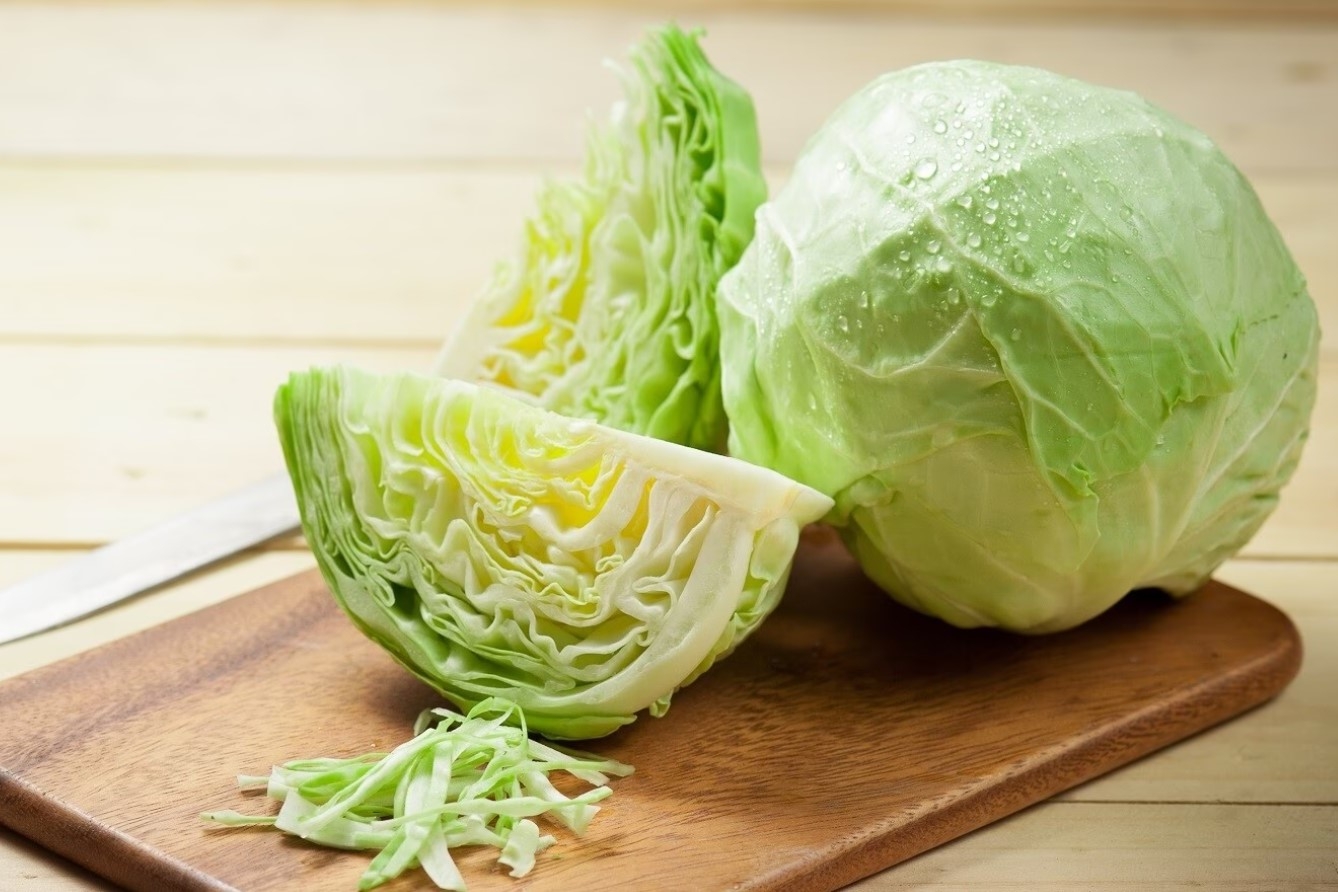
The Health Benefits of Cabbage
Before discussing the risks, it’s important to understand why cabbage is generally considered healthy.
Cabbage contains:
- Fiber
- Vitamin C
- Vitamin K
- Folate
- Antioxidants
Research suggests cabbage may help:
- Support digestion
- Reduce inflammation
- Promote heart health
- Strengthen immunity
- Support gut bacteria
Cruciferous vegetables like cabbage are also associated with several long-term health benefits when eaten as part of a balanced diet.
1. People With Thyroid Problems
Cabbage belongs to the cruciferous vegetable family, which also includes broccoli, kale, and cauliflower.
These vegetables contain compounds called goitrogens, which may interfere with thyroid function when consumed in very large amounts, especially in people with iodine deficiency.
People with hypothyroidism or other thyroid disorders may need to be cautious about excessive raw cabbage intake.
Doctors recommend:
- Eating cabbage in moderation
- Cooking cabbage, which may reduce goitrogen content
- Ensuring adequate iodine intake
Most healthy people can safely consume normal amounts without problems.
2. People With Sensitive Digestion or IBS
Cabbage is high in fiber and certain carbohydrates that may cause digestive discomfort in sensitive individuals.
Some people may experience:
- Bloating
- Gas
- Stomach cramps
- Diarrhea
This is especially common in people with:
- Irritable bowel syndrome (IBS)
- Sensitive stomachs
- Digestive disorders
Raw cabbage may be harder to digest than cooked cabbage.
Helpful tip:
Cooking cabbage thoroughly may help reduce digestive irritation for some people.
3. People Taking Blood-Thinning Medication
Cabbage contains high amounts of vitamin K, which plays an important role in blood clotting.
While vitamin K is beneficial for most people, sudden changes in vitamin K intake may affect blood-thinning medications such as:
- Warfarin
- Coumadin
Doctors do not usually advise completely avoiding cabbage, but they recommend maintaining a consistent intake of vitamin K-rich foods.
Important:
Never stop eating vegetables without medical guidance. Consistency is often more important than elimination.
4. People With Kidney Problems
Cabbage contains potassium, an important mineral that supports many body functions.
However, individuals with advanced kidney disease may have difficulty regulating potassium levels in the body.
Excess potassium may contribute to:
- Muscle weakness
- Irregular heartbeat
- Serious complications in severe cases
The amount of cabbage that is safe depends on the person’s kidney condition and overall diet.
Medical advice is important:
People with kidney disease should follow dietary recommendations provided by their healthcare professional.
Is Raw or Cooked Cabbage Better?
Both forms have benefits.
Raw cabbage:
- Higher in certain nutrients
- Crunchy texture
- Popular in salads and slaws
Cooked cabbage:
- Easier to digest for some people
- May reduce gas and bloating
- Softer texture
Moderation and preparation methods can make a significant difference.
Final Thoughts
Cabbage is a highly nutritious vegetable that may support overall health in many ways. For most people, it can be a healthy addition to a balanced diet.
However, individuals with thyroid disorders, digestive sensitivities, kidney disease, or those taking blood-thinning medication may need to be more careful about how much cabbage they consume.
As with many foods, balance and individual health conditions matter. If you have a chronic illness or special dietary needs, speaking with a healthcare professional may help you determine what is best for your body.
Sources
- Mayo Clinic
- Cleveland Clinic
- Harvard T.H. Chan School of Public Health
- National Institutes of Health (NIH)