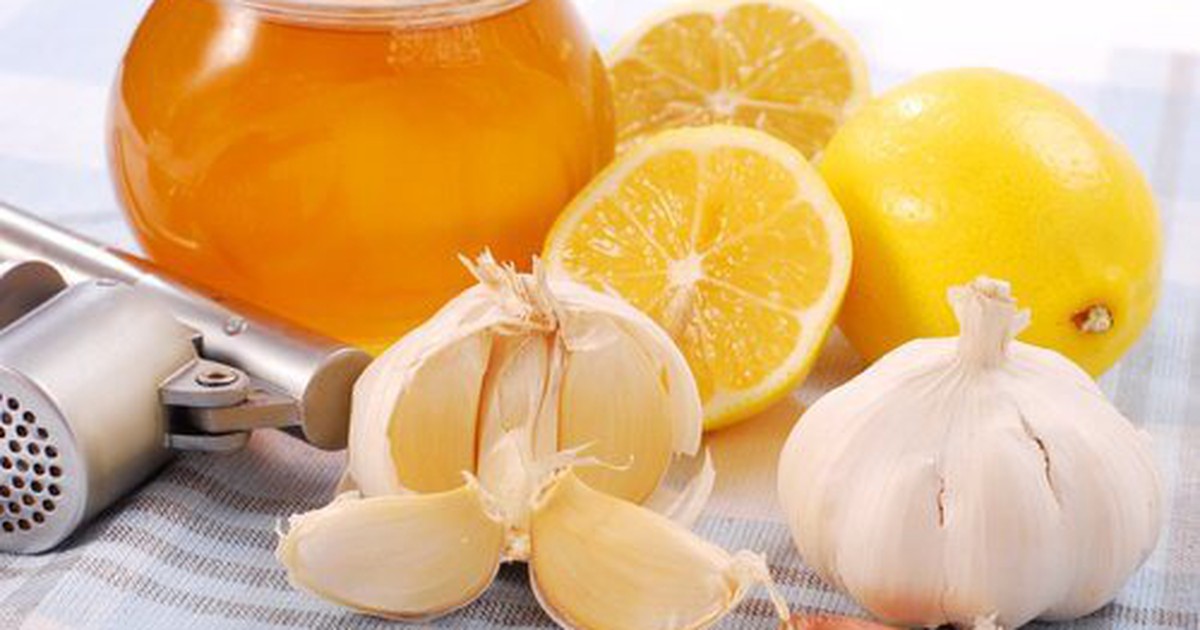
Garlic and lemon have long been staples in kitchens around the world, prized not only for their flavor but also for their roles in traditional wellness practices. In recent years, a homemade drink combining garlic and lemon has gained popularity on social media, where it is often promoted as a natural remedy for everything from high blood pressure to "cleansing" blood vessels and improving liver health.
While both garlic and lemons are nutritious foods with compounds that have been studied for their potential health benefits, many of the dramatic claims surrounding garlic-lemon drinks are not supported by strong scientific evidence. No drink can "flush" cholesterol from arteries, detoxify the liver, or replace prescribed treatment for heart disease or hypertension.
That said, including garlic and lemon as part of a balanced diet may contribute to overall cardiovascular health. Here's what current research suggests, how this traditional drink is commonly prepared, and what you should know before adding it to your routine.
Why Heart Health Matters
Your heart works continuously to pump blood throughout your body, delivering oxygen and nutrients to every organ and tissue. Keeping your heart and blood vessels healthy helps reduce the risk of conditions such as:
-
High blood pressure
-
Coronary artery disease
-
Heart attack
-
Stroke
-
Heart failure
Diet, physical activity, sleep, stress management, and avoiding tobacco all play important roles in maintaining cardiovascular health.
No single food or beverage can prevent heart disease on its own, but healthy dietary patterns can make a meaningful difference over time.
Garlic: A Traditional Food with Promising Research
Garlic (Allium sativum) has been used for thousands of years in cooking and traditional medicine.
It contains several naturally occurring compounds, including:
-
Allicin
-
Sulfur compounds
-
Flavonoids
-
Selenium (in small amounts)
-
Vitamin C
-
Manganese
Allicin is formed when fresh garlic is crushed or chopped and is one of the compounds most frequently studied for its biological activity.
Potential Benefits of Garlic
1. May Help Support Healthy Blood Pressure
Several studies suggest that garlic supplements may modestly lower blood pressure in some people with hypertension.
However:
-
Effects vary between individuals.
-
Most research has focused on standardized garlic supplements rather than homemade drinks.
-
Garlic should never replace prescribed blood pressure medications.
If you have hypertension, continue following your healthcare provider's treatment plan.
2. May Support Healthy Cholesterol Levels
Some research suggests garlic may modestly reduce total cholesterol and LDL ("bad") cholesterol in certain people.
The effects are generally modest and should be viewed as one part of a heart-healthy lifestyle rather than a standalone solution.
3. Rich in Antioxidants
Garlic contains antioxidants that help protect cells from oxidative stress.
Oxidative stress occurs when free radicals accumulate faster than the body can neutralize them.
A diet rich in antioxidant-containing foods supports overall health.
Lemon: More Than Just Vitamin C
Lemons are well known for their refreshing flavor and high vitamin C content.
They also contain:
-
Vitamin C
-
Potassium
-
Flavonoids
-
Soluble fiber (especially in the pulp)
-
Citric acid
Many of these compounds are being studied for their potential role in supporting health.
Potential Benefits of Lemon
1. Supports Vitamin C Intake
Vitamin C contributes to:
-
Normal collagen production
-
Healthy immune function
-
Protection of cells from oxidative stress
-
Iron absorption from plant foods
Including citrus fruits as part of a varied diet helps meet daily vitamin C needs.
2. Encourages Hydration
Many people find lemon water more enjoyable than plain water, making it easier to stay hydrated.
Proper hydration supports:
-
Blood circulation
-
Kidney function
-
Digestion
-
Temperature regulation
-
Overall health
3. Provides Plant Flavonoids
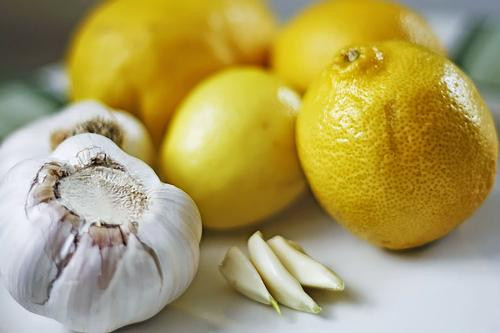
Lemons contain naturally occurring flavonoids that researchers continue to investigate for their antioxidant and anti-inflammatory properties.
More human research is needed to understand their long-term health effects.
Can Garlic and Lemon Together Improve Heart Health?
Combining garlic and lemon creates a beverage rich in flavorful plant compounds.
Together, they provide:
-
Vitamin C
-
Antioxidants
-
Sulfur compounds
-
Citrus flavonoids
As part of an overall healthy eating pattern, these foods may contribute to cardiovascular wellness.
However, there is no convincing evidence that drinking garlic and lemon alone can:
-
Remove plaque from arteries
-
Cure high blood pressure
-
Reverse heart disease
-
"Clean" blood vessels
-
Detoxify the liver
These claims are common online but are not supported by high-quality clinical research.
What About "Vascular Cleansing"?
One of the most popular claims is that garlic and lemon drinks "clean" or "unclog" arteries.
In reality, arteries do not work like household pipes.
Atherosclerosis—the buildup of fatty plaques in blood vessels—is a complex process involving cholesterol, inflammation, blood pressure, genetics, smoking, diabetes, and many other factors.
There is currently no beverage proven to dissolve or flush away plaque.
Reducing cardiovascular risk typically involves:
-
Healthy eating
-
Regular exercise
-
Blood pressure control
-
Cholesterol management
-
Blood sugar control
-
Smoking cessation
-
Appropriate medications when prescribed
Does It Detox the Liver?
Another common claim is that garlic-lemon drinks "cleanse" or "detoxify" the liver.
The liver already performs its own detoxification processes continuously.
In healthy individuals, no special drink is needed to activate this function.
Supporting liver health is better achieved by:
-
Limiting alcohol
-
Maintaining a healthy weight
-
Exercising regularly
-
Eating a balanced diet
-
Getting vaccinated against hepatitis when appropriate
-
Managing chronic health conditions
Traditional Garlic and Lemon Drink Recipe
Although there is no medically established recipe, a simple homemade version is commonly prepared as follows.
Ingredients
-
1–2 cloves of fresh garlic
-
Juice of half a lemon
-
1 cup warm (not boiling) water
Preparation
-
Crush or finely chop the garlic and let it sit for about 10 minutes. This allows allicin to form.
-
Add the garlic to warm water.
-
Stir in the fresh lemon juice.
-
Drink immediately if desired.
Some people prefer to strain out the garlic pieces before drinking.
Because garlic has a strong flavor, this beverage may not be suitable for everyone.
Healthy Habits That Truly Support Heart Health
No drink can replace the fundamentals of cardiovascular care.
Evidence-based strategies include:
Eat a balanced diet
Focus on:
-
Vegetables
-
Fruits
-
Whole grains
-
Beans and legumes
-
Nuts
-
Fish
-
Healthy fats such as olive oil
Limit foods high in saturated fat, trans fat, added sugars, and excess sodium.
Stay physically active
Aim for at least 150 minutes of moderate-intensity exercise each week, unless your healthcare provider recommends otherwise.
Maintain a healthy weight
Even modest weight loss can improve blood pressure, cholesterol, and blood sugar in people who are overweight.
Avoid tobacco
Smoking damages blood vessels and greatly increases the risk of heart disease and stroke.
Quitting at any age provides significant health benefits.
Sleep well
Most adults should aim for 7–9 hours of quality sleep each night.
Poor sleep has been linked to high blood pressure, obesity, and cardiovascular disease.
Who Should Be Careful?
Although garlic and lemon are generally safe as foods, some people should use caution.
Speak with your healthcare provider if you:
-
Take blood-thinning medications such as warfarin or certain antiplatelet drugs, as garlic may increase bleeding risk in some situations.
-
Have frequent acid reflux or stomach ulcers, since garlic and lemon may worsen symptoms.
-
Are allergic to garlic or citrus fruits.
-
Are planning surgery, as healthcare providers may recommend limiting high garlic intake beforehand.
-
Have chronic medical conditions or are pregnant and are considering consuming large amounts beyond typical culinary use.
Common Myths About Garlic and Lemon Drinks
Myth: It melts away artery plaque.
There is no scientific evidence that garlic-lemon drinks dissolve plaque inside arteries.
Myth: It cures high blood pressure.
Garlic may have modest blood pressure-lowering effects in some people, but it is not a substitute for prescribed medications or lifestyle changes.
Myth: It detoxifies the liver.
Your liver naturally detoxifies your body. A garlic-lemon drink does not "cleanse" or reset liver function.
Myth: Drinking more means greater benefits.
Consuming excessive amounts of garlic or lemon may cause digestive discomfort, heartburn, or interact with certain medications.
Moderation is important.
Final Thoughts
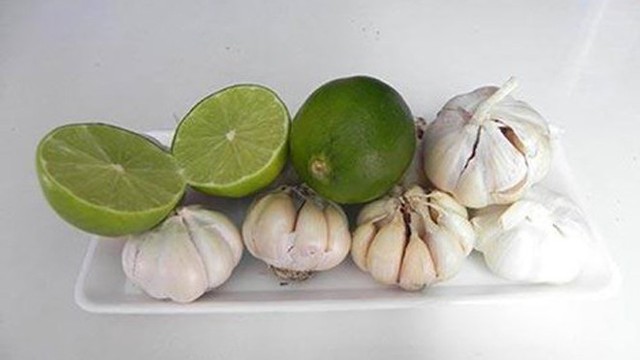
Garlic and lemon are nutritious, flavorful ingredients that have earned their place in both traditional wellness practices and modern kitchens. Research suggests that garlic contains compounds that may modestly support healthy blood pressure and cholesterol levels, while lemons provide vitamin C, antioxidants, and flavonoids that contribute to a balanced diet. Together, they can be part of a heart-friendly eating pattern.
However, it's important to separate evidence from exaggeration. A garlic and lemon drink has not been proven to clean blood vessels, remove arterial plaque, cure hypertension, or detoxify the liver. The strongest protection for your heart comes from consistent, evidence-based habits: eating a varied diet rich in fruits and vegetables, staying physically active, maintaining a healthy weight, avoiding tobacco, managing blood pressure and cholesterol, getting enough sleep, and following your healthcare provider's recommendations.
If you enjoy the taste, a garlic and lemon drink can certainly be included as part of a healthy lifestyle—but it should complement, not replace, proven strategies for protecting your heart and overall health.