If you’ve ever opened a package of beef and noticed shimmering, rainbow-like colors on the surface, it can be alarming. Many people immediately assume the meat has gone bad or is unsafe to eat. However, this phenomenon - known as iridescence is actually quite common and, in many cases, completely harmless.
Understanding why beef sometimes displays rainbow hues can help you determine whether it’s safe to eat or if it should be discarded.
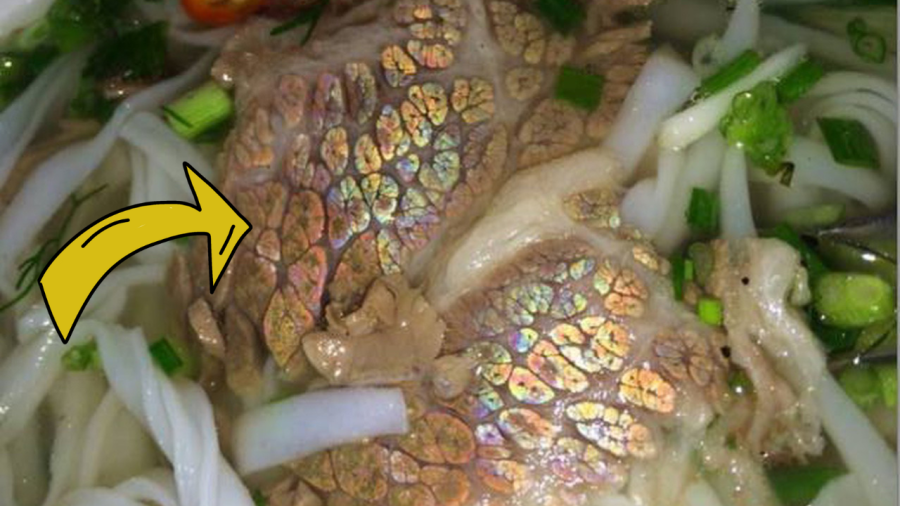
What Causes the Rainbow Effect in Beef?
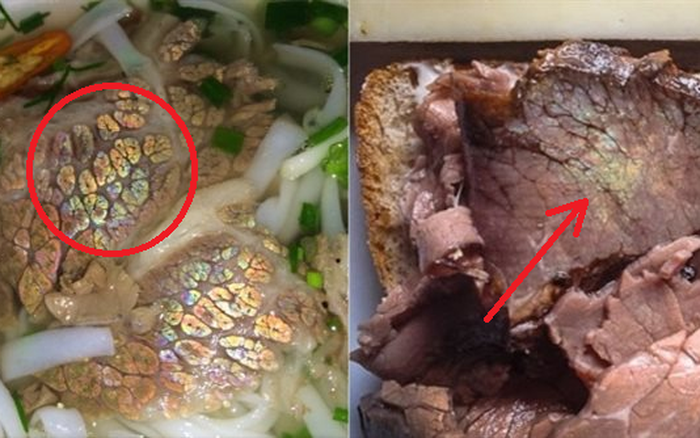
The rainbow appearance on beef is caused by a scientific effect called light diffraction. When light hits the surface of the meat, it interacts with the muscle fibers in a way that splits light into different colors—similar to how a prism works.
This effect is more likely to appear when:
- The meat is freshly cut
- The muscle fibers are aligned in a specific way
- The surface is smooth and slightly moist
It’s a visual phenomenon - not a sign of spoilage.

Is Iridescent Beef Safe to Eat?
In most cases, yes - iridescent beef is safe to eat, as long as it meets normal freshness standards.
You can consider it safe if:
- The smell is normal (not sour or foul)
- The texture is firm, not slimy
- The color underneath is typical red or brown
- It has been stored properly and is within its expiration date
The rainbow sheen alone is not an indicator of bacteria or contamination.
When Should You Be Concerned?
While iridescence itself is harmless, it’s important to check for other warning signs that indicate spoilage.
🚫 Avoid eating the beef if:
- It has a strong, unpleasant odor
- The surface feels sticky or slimy
- The color has turned greenish or gray with dull patches
- There is visible mold or unusual discoloration
These are signs that the meat may be unsafe, regardless of any rainbow effect.
Why Does It Look So Strange?
The unusual appearance can be misleading because we often associate unexpected colors in food with spoilage. However, the rainbow effect is purely physical, not chemical or biological.
It’s similar to:
- The colors seen on soap bubbles
- Oil films on water
- CD or DVD surfaces reflecting light
In all these cases, the colors come from how light interacts with surfaces - not from contamination.
Does Cooking Change It?
Yes. Once the beef is cooked, the iridescent effect usually disappears. Heat alters the structure of the muscle fibers, removing the conditions needed for light diffraction.
So even if the raw meat looks unusual, it will appear normal after cooking.
Final Thoughts
Seeing rainbow-colored beef can be surprising, but it’s usually nothing to worry about. In most cases, it’s simply a natural optical effect caused by light interacting with the meat’s surface.
The key is to rely on traditional signs of freshness - smell, texture, and storage conditions rather than appearance alone.
When in doubt, trust your senses. But if everything checks out, that shimmering steak is likely perfectly safe to cook and enjoy.