A referral for further testing does not mean that cancer has been confirmed. Many people who undergo investigations for concerning symptoms are found to have non-cancerous conditions.
If cancer is suspected, additional tests may be needed to establish the diagnosis. In some cases, a biopsy is required to examine tissue under a microscope.
The most useful step is to communicate openly about your symptoms and follow the recommended evaluation plan.
Can You Detect Cancer Before Symptoms Appear?
Sometimes, yes. Certain screening tests can detect specific cancers before symptoms develop.
Examples include recommended screening for breast cancer, cervical cancer, and colorectal cancer in eligible populations. Lung cancer screening may also be recommended for certain people at high risk, depending on local guidelines and eligibility criteria.
The appropriate screening schedule depends on factors such as age, sex, personal medical history, family history, risk factors, and the screening recommendations where you live.
Screening is different from diagnostic testing. Screening is intended for people who do not have symptoms, whereas diagnostic testing investigates a particular symptom or abnormal finding.
This distinction matters because a normal screening result does not rule out every possible cancer and should not be used as a reason to ignore new symptoms.
Continue to follow recommended screening guidance, but seek medical advice if you notice an unexplained change between screening appointments.
Practical Habits That Support Early Detection
You cannot prevent every cancer, and no lifestyle routine can guarantee that cancer will never develop. However, several practical habits can support your general health and help you respond appropriately to possible warning signs.
Know what is normal for your body. Pay attention to persistent changes in appetite, weight, bowel habits, skin, energy, and other everyday functions.
Avoid tobacco. Smoking is a major risk factor for several cancers. If you smoke, ask a healthcare professional about evidence-based ways to quit.
Protect your skin from excessive ultraviolet exposure. Use shade, protective clothing, and sunscreen, and pay attention to changing skin lesions.
Maintain a balanced lifestyle. Regular physical activity, a nutritious diet, and limiting alcohol can help reduce the risk of some cancers and support overall health.
Follow recommended screening guidelines. Ask your healthcare professional which tests are appropriate for your age and individual risk.
Discuss family history when relevant. Some inherited genetic changes increase the risk of certain cancers. A strong family history or unusually young diagnoses among close relatives may justify a discussion about genetic counseling or earlier screening.
Do not rely on unproven cancer tests or remedies. No supplement, detox program, or home remedy can reliably rule out cancer. Be cautious about products that promise to identify, prevent, or cure every type of cancer.
Most importantly, seek medical advice when a symptom is persistent, unusual, or worsening. Healthy habits are valuable, but they are not a substitute for appropriate medical evaluation.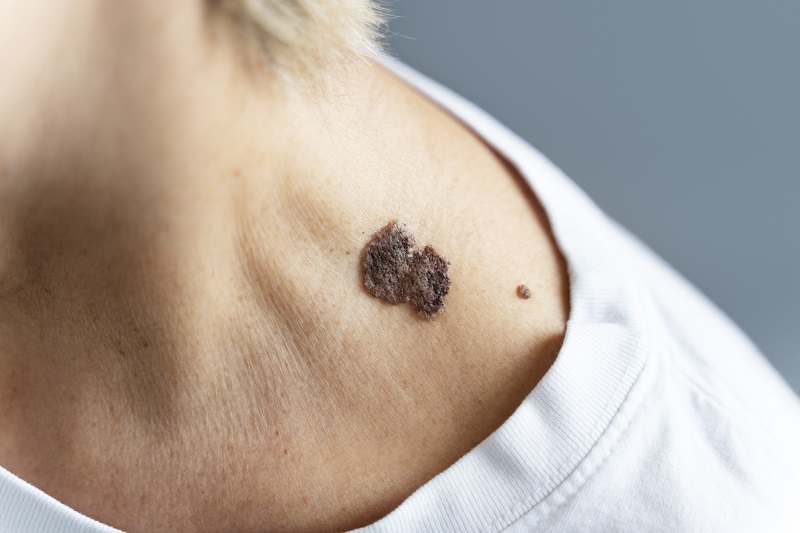
Final Thoughts: Pay Attention Without Living in Fear
The human body changes throughout life, and many unusual symptoms have ordinary explanations. Fatigue may result from poor sleep, bloating may be related to digestion, and a lump may be a harmless cyst.
Nevertheless, unexplained weight loss, persistent fatigue, a new lump, unusual bleeding, lasting changes in bowel habits, a persistent cough, changing skin lesions, ongoing bloating, difficulty swallowing, and unexplained pain or night sweats are all symptoms worth understanding.
The purpose of recognizing these signs is not to diagnose yourself or assume the worst. It is to know when a change deserves professional attention.
You do not need to wait until a symptom becomes severe before asking for help. If something is new, persistent, unexplained, or clearly different from your usual health, arrange an appropriate medical assessment.
If you experience severe bleeding, difficulty breathing, sudden neurological symptoms, or another medical emergency, seek emergency care immediately.
Early evaluation can help identify the cause of symptoms and may allow certain serious conditions to be treated sooner. Even when the cause is not cancer, finding the right diagnosis can help you receive appropriate treatment and reassurance.
Listen to your body, keep up with recommended screening, and do not let fear prevent you from asking questions.
Paying attention to your health is not about expecting the worst. It is about giving yourself the best opportunity to recognize a problem and take the right next step.
Medical disclaimer: This article is for general educational purposes and does not replace professional medical advice, diagnosis, or treatment. These symptoms can have many causes, and none of them alone confirms cancer. Consult a qualified healthcare professional about persistent or unexplained changes in your health.