Chapter 1: Why Eggs Are So Nutritious and When Eating Them Can Become Risky
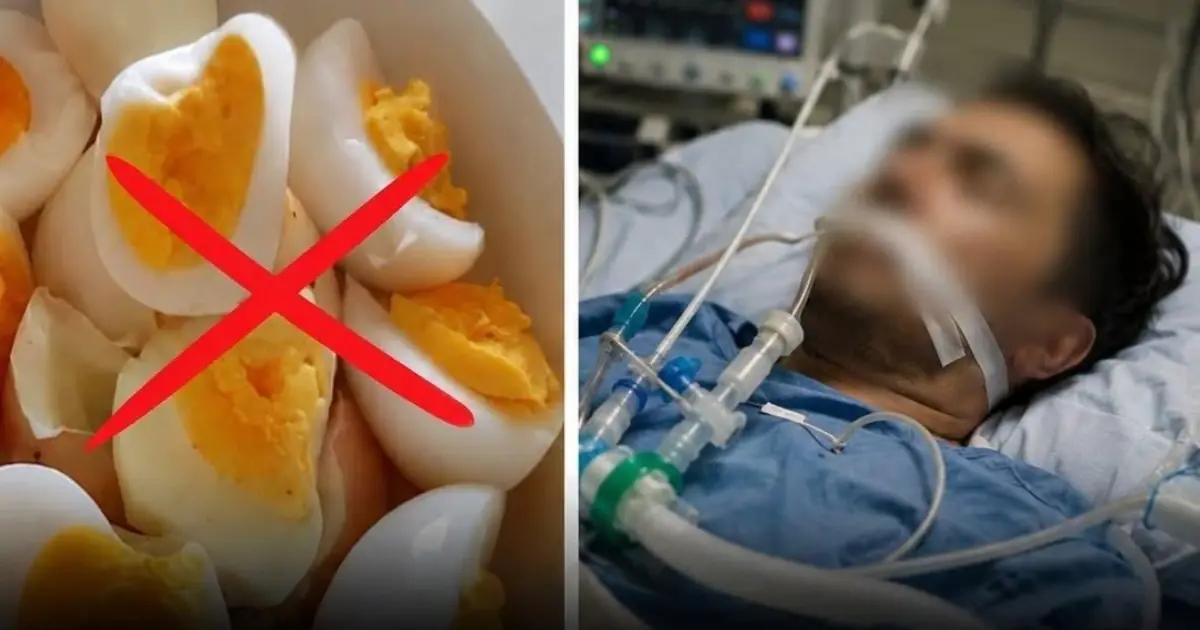
Eggs are a familiar part of breakfast tables around the world.
They can be boiled, scrambled, poached, fried, or incorporated into hundreds of different recipes. Their convenience, relatively affordable price, and nutritional value make them an important food for many households.
However, despite their nutritional benefits, eggs require appropriate handling and preparation.
A mistake during storage or cooking can allow harmful microorganisms to survive or multiply.
Understanding the difference between the nutritional benefits of eggs and the risks associated with unsafe consumption is essential.
1. Eggs Provide High-Quality Protein
One of the most important nutritional benefits of eggs is their protein content.
A typical large chicken egg provides approximately six grams of protein, although the exact amount varies with egg size.
Protein is essential for several important functions.
It helps the body:
-
Build and maintain muscles.
-
Repair damaged tissues.
-
Produce enzymes and hormones.
-
Support immune function.
-
Maintain healthy skin and other body structures.
Egg protein contains all nine essential amino acids, making it a complete protein source.
This is particularly useful for people who want to maintain muscle mass, older adults, and individuals with higher protein requirements.
However, eggs are not the only source of high-quality protein.
Fish, poultry, dairy products, beans, lentils, tofu, and other foods can also contribute to a balanced diet.
2. Eggs Contain Important Vitamins and Minerals
Eggs provide several nutrients that support normal body functions.
These include:
Vitamin B12
This vitamin helps maintain healthy nerve cells and supports the production of red blood cells.
Vitamin D
Eggs provide some vitamin D, which contributes to calcium absorption and bone health.
Vitamin A
This nutrient supports normal vision, immune function, and healthy skin.
Selenium
Selenium plays a role in antioxidant protection and thyroid function.
Choline
Eggs are particularly useful sources of choline, a nutrient involved in cell membranes, nervous system function, and normal brain development.
The yolk contains much of the egg's vitamin and mineral content.
Therefore, removing the yolk means losing some of these nutrients.
3. Are Egg Yolks Bad for Your Heart?
For many years, people were advised to avoid egg yolks because they contain dietary cholesterol.
A large egg contains approximately 185–200 milligrams of cholesterol, most of which is found in the yolk.
However, current nutritional research has produced a more nuanced understanding of dietary cholesterol.
For most healthy individuals, dietary cholesterol does not affect blood cholesterol levels in the same way as saturated and trans fats.
This does not mean that everyone should eat unlimited eggs.
People with elevated LDL cholesterol, cardiovascular disease, diabetes, or certain inherited cholesterol disorders may need individualized dietary advice.
The overall eating pattern is also important.
Eating eggs alongside vegetables, whole grains, and other nutritious foods is different from regularly consuming them with large quantities of processed meat, butter, and foods high in saturated fat.
People with existing health conditions should discuss their dietary requirements with a healthcare professional.
4. The Biggest Risk: Contaminated Eggs
One of the most important safety concerns associated with eggs is bacterial contamination.
Salmonella is a group of bacteria that can cause foodborne illness.
Contamination may occur inside an egg before its shell forms or through contact with contaminated surfaces and materials.
Eating contaminated eggs, particularly when they are raw or insufficiently cooked, can cause an infection known as salmonellosis.
Symptoms may include:
-
Diarrhea.
-
Fever.
-
Stomach cramps.
-
Nausea.
-
Vomiting.
-
Dehydration.
Symptoms commonly begin within six hours to six days after infection, although the timing can vary.
Most people recover within several days without specific treatment.
However, some infections can become severe, particularly in young children, older adults, pregnant women, and people with weakened immune systems.
5. Why Raw Eggs Deserve Special Attention
Some people consume raw eggs because they believe cooking destroys important nutrients.
Others add raw eggs to smoothies, homemade sauces, desserts, or traditional drinks.
However, raw eggs can carry Salmonella even when their shells appear clean and undamaged.
The absence of an unusual smell or visible contamination does not guarantee that an egg is safe.
Cooking eggs thoroughly reduces the risk of foodborne illness.
People who prepare foods traditionally containing raw eggs should consider using pasteurized egg products.
Pasteurization is a controlled process designed to reduce harmful microorganisms without fully cooking the product.
6. The Difference Between a Nutritious Food and a Safe Food
A food can be nutritious while still requiring careful preparation.
Chicken, seafood, milk, and eggs all provide valuable nutrients, but each has specific food-safety requirements.
The nutritional quality of eggs does not eliminate the possibility of contamination.
Similarly, the presence of a food-safety risk does not mean eggs should be avoided entirely.
The important issue is how the food is handled.
Proper refrigeration, clean preparation surfaces, appropriate cooking temperatures, and good hand hygiene all contribute to safer meals.
7. Who Should Be Especially Careful?
Certain groups are more vulnerable to complications from foodborne illness.
These include:
Young children
Their immune systems are still developing, and dehydration can become dangerous more quickly.
Older adults
Age-related changes in immune function may increase the risk of severe infection.
Pregnant women
Foodborne infections can create additional concerns during pregnancy and may affect maternal and fetal health.
People with weakened immune systems
Individuals undergoing certain medical treatments or living with immune-suppressing conditions may be more vulnerable.
For these groups, fully cooked eggs and pasteurized egg products are particularly important choices.
The key message is not that eggs are dangerous, but that safe preparation matters.
Chapter 2: Seven Dangerous Egg-Consumption Mistakes That Can Put Your Health at Risk
Eggs are generally safe when handled and prepared correctly.
However, certain habits can increase the risk of food poisoning, allergic reactions, and other health problems.
The danger does not come from eating ordinary boiled eggs. It comes from contamination, insufficient cooking, inappropriate storage, and individual medical conditions.
Here are seven mistakes worth avoiding.