A sore throat can turn even the simplest part of your day into an uncomfortable experience. Swallowing hurts, talking can become irritating, and sometimes the scratchy sensation seems to linger no matter how much water or tea you drink.
When that happens, many people turn to traditional home remedies. One of the most famous is garlic.
For centuries, garlic has been used in traditional cooking and folk medicine. It has been associated with antimicrobial properties, immune support, and a variety of potential health benefits. Some people chew raw garlic, mix crushed garlic into honey, add it to warm soups, or simply increase their garlic intake when they feel a cold or sore throat coming on.
But can garlic really soothe a sore throat?
The answer is more complicated than a simple yes or no.
Garlic contains biologically active sulfur compounds, including allicin, that have demonstrated antimicrobial activity in laboratory studies. It also provides antioxidants and several nutrients that can contribute to a healthy diet. However, evidence that garlic itself can directly treat or cure a sore throat is much more limited.
That distinction matters.
A sore throat can have many causes, including viral infections, allergies, dry air, postnasal drip, acid reflux, irritants, and bacterial infections such as strep throat. Garlic cannot replace appropriate medical treatment when treatment is needed.
Still, there are several reasons garlic has remained popular as a traditional remedy.
Here are 15 potential benefits worth knowing.
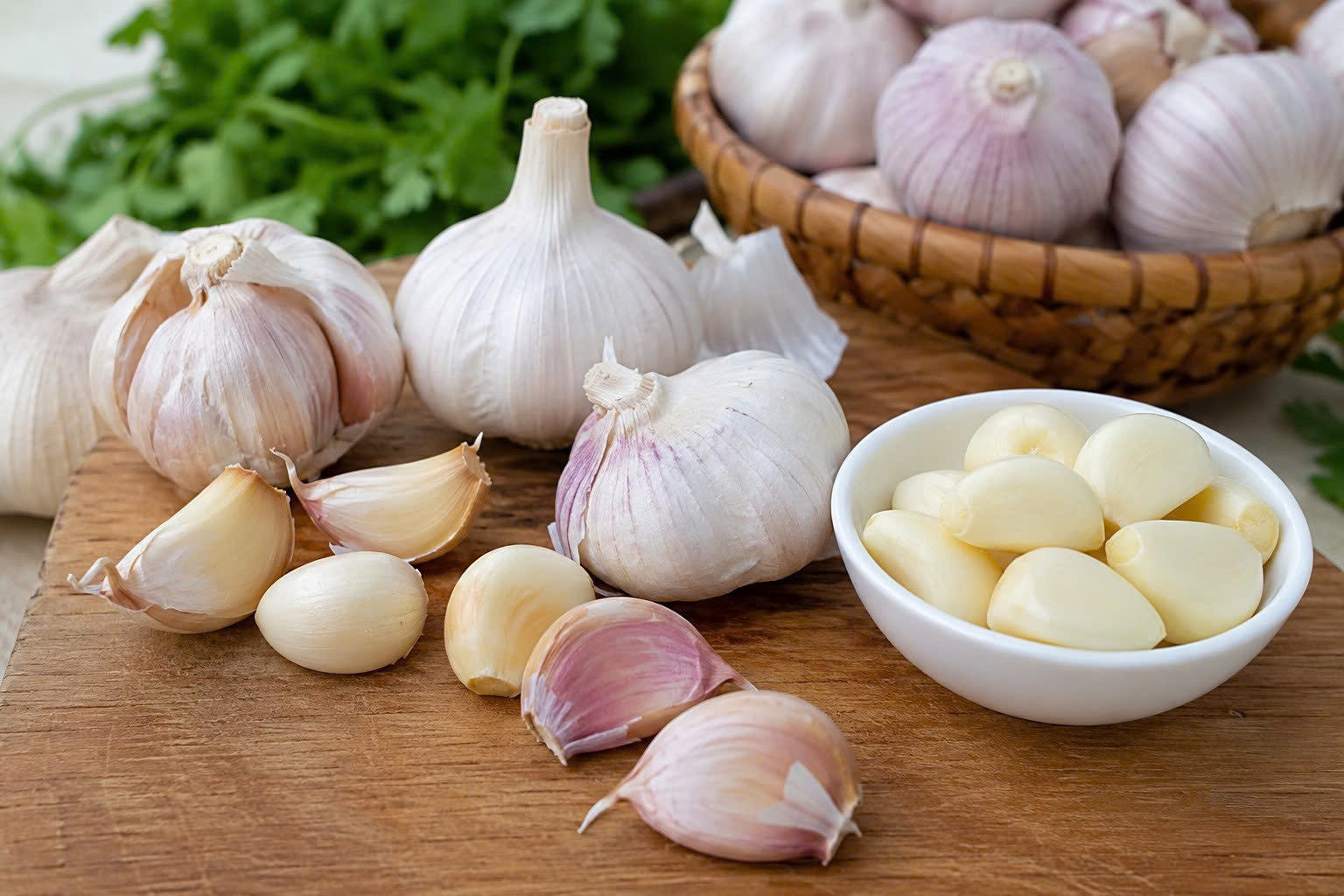
1. Garlic Contains Compounds With Antimicrobial Activity
One of the main reasons garlic has attracted so much attention is its sulfur-containing compounds.
When a fresh garlic clove is chopped, crushed, or chewed, an enzyme called alliinase helps convert a compound called alliin into allicin.
Allicin is responsible for much of the characteristic smell of freshly crushed garlic.
It has also been studied for its antimicrobial activity.
Laboratory research has found that compounds derived from garlic can act against certain bacteria and fungi. This has led scientists to investigate whether garlic might have a role in supporting the body's defenses against infections.
However, laboratory activity does not automatically mean that eating garlic will eliminate an infection inside the human body.
That is an important distinction.
A sore throat caused by a virus, for example, will usually improve as the immune system clears the infection. Eating garlic may be part of a nutritious diet during that period, but it should not be considered a substitute for medical treatment.
2. Garlic May Support Normal Immune Function
Your immune system is constantly working to protect you from bacteria, viruses, fungi, and other potential threats.
Garlic has been studied for its potential effects on immune function, particularly because of its bioactive sulfur compounds and antioxidant properties.
A healthy immune system depends on many factors, including adequate nutrition, sufficient sleep, physical activity, stress management, and overall health.
No single food can “boost” immunity overnight.
But garlic can be part of a balanced diet that provides compounds associated with normal immune function.
This may be particularly useful when you're dealing with a minor respiratory illness and your appetite is not at its best.
Instead of thinking of garlic as a medicine, it may be more accurate to think of it as one small component of a health-supportive diet.
3. Its Antioxidants May Help Protect Cells From Oxidative Stress
Garlic contains compounds with antioxidant activity.
Oxidative stress occurs when there is an imbalance between reactive molecules and the body's antioxidant defenses.
The body naturally produces reactive molecules during normal metabolism. Environmental stressors, inflammation, smoking, pollution, and other factors can also contribute to oxidative stress.
Antioxidants help the body manage these molecules.
Garlic's sulfur compounds and other plant compounds have been investigated for antioxidant effects.
This does not mean eating garlic will immediately stop inflammation in your throat.
Instead, its potential antioxidant properties are part of the reason researchers continue to study garlic as a component of a healthy dietary pattern.
4. Garlic May Support a Healthy Inflammatory Response
Inflammation is part of the body's normal defense system.
When your throat is irritated or infected, inflammatory processes can contribute to redness, swelling, and discomfort.
Some compounds in garlic have been studied for their potential effects on inflammatory pathways.
This has generated interest in garlic as a food that may support a balanced inflammatory response.
But again, there is an important difference between influencing inflammatory pathways in scientific research and directly relieving the pain of a sore throat.
If your throat is painful, warm fluids, adequate hydration, rest, and appropriate treatment for the underlying cause may be much more important for immediate comfort.