Garlic has been valued for thousands of years as both a flavorful cooking ingredient and a traditional herbal remedy. Used in cuisines around the world, garlic adds depth to countless dishes while also providing a variety of nutrients and naturally occurring plant compounds. Ancient civilizations, including those in Egypt, Greece, China, and India, incorporated garlic into traditional medicine for a wide range of purposes.
Today, garlic continues to be one of the most extensively studied herbs in nutrition research. Scientists are particularly interested in allicin, a sulfur-containing compound formed when fresh garlic is chopped, crushed, or chewed. Along with other sulfur compounds, antioxidants, vitamins, and minerals, allicin may contribute to garlic's potential health benefits.
While research suggests garlic may support several aspects of health, it is important to remember that garlic is not a cure for disease. Most benefits are modest and are best achieved when garlic is part of an overall healthy diet and lifestyle.
Here are 8 potential health benefits of garlic that current research has explored.
What Makes Garlic Unique?
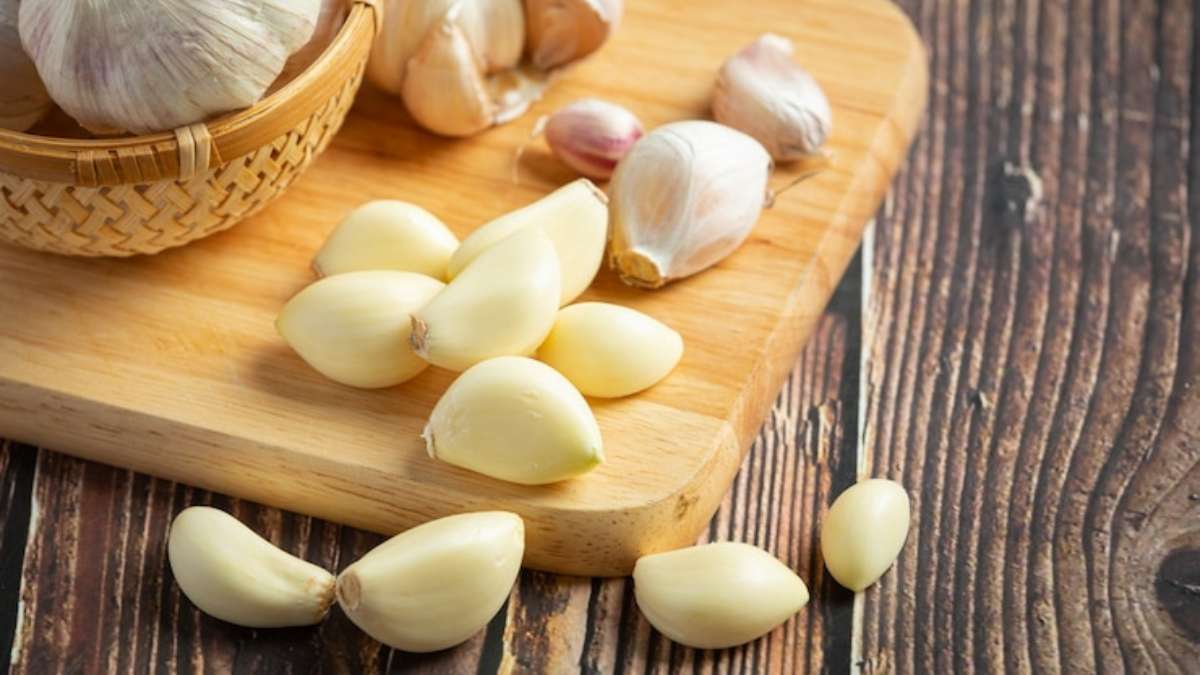
Garlic (Allium sativum) belongs to the same family as onions, leeks, shallots, and chives.
When a garlic clove is crushed or chopped, an enzyme converts a compound called alliin into allicin, which gives fresh garlic its characteristic aroma.
Garlic also contains:
-
Sulfur compounds
-
Flavonoids
-
Selenium
-
Manganese
-
Vitamin B6
-
Vitamin C
-
Small amounts of fiber
Many of these compounds have antioxidant properties and continue to be studied for their effects on human health.
1. Rich in Antioxidants
Garlic contains several antioxidants that help protect cells from oxidative stress.
Oxidative stress occurs naturally during metabolism, but excessive levels may contribute to aging and various chronic diseases.
Including antioxidant-rich foods like garlic, fruits, vegetables, legumes, and whole grains supports overall health.
Although garlic contributes beneficial compounds, no single food can completely prevent oxidative damage.
2. May Support Heart Health
Heart disease remains one of the leading causes of illness worldwide.
Some studies suggest that garlic may help support cardiovascular health by contributing to:
-
Healthy blood pressure
-
Healthy cholesterol levels
-
Normal blood vessel function
These effects appear to be modest, and results vary among studies.
Garlic should not replace prescribed medications for heart disease, high blood pressure, or high cholesterol.
A heart-healthy lifestyle—including regular exercise, not smoking, and eating a balanced diet—remains essential.
3. May Help Support Healthy Blood Pressure
Several clinical studies have investigated garlic supplements in people with high blood pressure.
Some findings suggest certain garlic preparations may help produce small reductions in blood pressure when used alongside standard medical care.
However:
-
Supplements differ from fresh garlic.
-
Individual responses vary.
-
Garlic is not a substitute for blood pressure medication.
Anyone with hypertension should continue following their healthcare provider's recommendations.
4. May Support Healthy Cholesterol Levels
Researchers have explored whether garlic may influence cholesterol metabolism.
Some studies suggest garlic supplements may modestly lower total cholesterol and LDL ("bad") cholesterol in certain individuals.
Evidence remains mixed, and garlic has not consistently shown improvements in HDL ("good") cholesterol.
A healthy dietary pattern remains the most effective nutritional approach to supporting healthy cholesterol levels.
5. May Support Immune Function
Garlic has traditionally been used during cold and flu season.
Laboratory research shows that garlic contains compounds with antimicrobial and antioxidant properties.
Some studies suggest garlic may support normal immune function, but evidence that it prevents or treats infections in humans is limited.
Maintaining a healthy immune system also depends on:
-
Adequate sleep
-
Balanced nutrition
-
Regular exercise
-
Stress management
-
Recommended vaccinations
6. May Support Healthy Blood Sugar Regulation
Scientists continue to study garlic's possible role in glucose metabolism.
Some early research suggests garlic may support healthy blood sugar regulation in certain individuals when combined with a balanced diet and medical treatment.
However, garlic should never replace prescribed diabetes medications.
People with diabetes should continue monitoring blood sugar as advised by their healthcare provider.
7. May Have Anti-Inflammatory Properties
Inflammation is an important part of the body's natural healing process.
Garlic contains sulfur compounds that researchers believe may influence inflammatory pathways.
Although laboratory findings are encouraging, more high-quality human research is needed to confirm the extent of these effects.
8. Easy to Include in a Healthy Diet
One of garlic's greatest advantages is its versatility.
It can be added to:
-
Soups
-
Stir-fries
-
Pasta dishes
-
Roasted vegetables
-
Marinades
-
Salad dressings
-
Sauces
-
Bean dishes
Using garlic to flavor meals may also help reduce the need for excess salt in cooking.
Raw Garlic vs. Cooked Garlic
Many people wonder whether raw garlic is healthier than cooked garlic.
Fresh garlic contains more allicin immediately after crushing or chopping.
However, cooking can reduce allicin levels.
A practical tip is to let chopped garlic sit for about 10 minutes before cooking, allowing more allicin to form before heat is applied.
Even cooked garlic still contributes flavor and beneficial plant compounds.
Should You Eat Garlic on an Empty Stomach?
A common claim online is that eating raw garlic first thing in the morning provides special health benefits.
At present, there is no strong scientific evidence showing that eating garlic on an empty stomach is more beneficial than eating it with meals.
In fact, raw garlic may cause:
-
Heartburn
-
Stomach irritation
-
Indigestion
-
Bad breath
If raw garlic causes discomfort, enjoying cooked garlic as part of meals may be a better option.
Is Garlic Safe?
For most healthy adults, garlic is safe when consumed in normal culinary amounts.
However, some individuals should use caution.
Talk to your healthcare provider before taking high-dose garlic supplements if you:
-
Take blood-thinning medications such as warfarin.
-
Have a bleeding disorder.
-
Are preparing for surgery.
-
Experience stomach ulcers or severe acid reflux.
-
Have a garlic allergy.
Garlic supplements may interact with certain medications and are more concentrated than garlic used in cooking.
Common Myths About Garlic
Myth: Garlic cures the common cold.
Fact: Garlic may support normal immune function, but there is no strong evidence that it cures viral infections.
Myth: Eating raw garlic on an empty stomach provides special health benefits.
Fact: Current research does not show that consuming garlic before breakfast is superior to eating it with meals.
Myth: More garlic always means greater health benefits.
Fact: Excessive garlic intake may increase the risk of digestive discomfort or medication interactions.
Myth: Garlic can replace heart medications.
Fact: Garlic may complement a heart-healthy lifestyle, but it should never replace prescribed medical treatment.
Tips for Including Garlic in Your Diet
If you would like to enjoy garlic regularly:
-
Add fresh garlic to home-cooked meals.
-
Chop or crush garlic before cooking.
-
Let chopped garlic rest briefly before heating.
-
Combine garlic with a variety of vegetables, whole grains, legumes, and lean proteins.
-
Focus on an overall balanced eating pattern rather than relying on one "superfood."
The Bottom Line
Garlic is a nutritious, flavorful ingredient that contains allicin and other naturally occurring sulfur compounds with antioxidant and potential anti-inflammatory properties. Research suggests garlic may support heart health, healthy blood pressure, cholesterol management, immune function, blood sugar regulation, and overall wellness when included as part of a balanced diet. However, most benefits are modest, and evidence varies depending on the specific health outcome and the type of garlic preparation studied.
For most people, enjoying garlic in everyday cooking is a safe and delicious way to add flavor and valuable plant compounds to meals. While garlic can contribute to a healthy lifestyle, it is not a cure for disease, nor does eating it on an empty stomach appear to provide unique health advantages. The greatest benefits come from combining garlic with a varied diet, regular physical activity, quality sleep, and appropriate medical care when needed.