Doctors reveal that eating avocados causes… see more
Doctors reveal that eating avocados causes… see more
Health 21/07/2026 21:44
Ginger and cloves have been valued for centuries in traditional cuisines and herbal practices around the world. These two aromatic spices are commonly used to flavor teas, soups, curries, baked goods, and beverages, while also playing an important role in many cultural wellness traditions. Today, interest in ginger and cloves has grown thanks to social media, where they are often promoted as natural remedies for everything from digestive problems to inflammation and immune health.
Although both spices contain beneficial plant compounds and have been studied individually, many online claims exaggerate their effects. Current scientific evidence suggests that ginger and cloves may support several aspects of health when consumed as part of a balanced diet, but they are not cures for disease, and research specifically examining the combination of the two is still limited.
Let's explore what current research tells us about the potential health benefits of ginger and cloves.
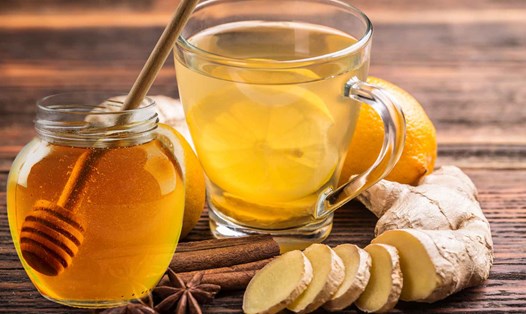
Ginger (Zingiber officinale) is a flowering plant whose underground stem, or rhizome, is widely used as both a spice and a traditional herbal ingredient.
Its key bioactive compounds include:
Gingerols
Shogaols
Zingerone
Paradols
These compounds have been studied for their antioxidant and anti-inflammatory properties.
Cloves are the dried flower buds of the clove tree (Syzygium aromaticum).
Their distinctive aroma comes primarily from:
Eugenol
Flavonoids
Tannins
Phenolic compounds
Eugenol has attracted scientific interest because of its antioxidant, antimicrobial, and mild anesthetic properties.
Both ginger and cloves contain naturally occurring antioxidants.
Antioxidants help protect cells from damage caused by unstable molecules known as free radicals.
Oxidative stress has been associated with aging and several chronic diseases.
Including antioxidant-rich herbs and spices like ginger and cloves in a varied diet may contribute to overall wellness, although no single food can eliminate oxidative stress entirely.
One of the most well-known traditional uses of ginger is for digestive comfort.
Research suggests ginger may help:
Promote normal stomach emptying
Ease occasional indigestion
Reduce feelings of fullness
Help relieve certain types of nausea
Cloves have also been used traditionally to support digestion, although scientific evidence in humans is more limited.
Together, these spices may complement a healthy diet aimed at supporting digestive wellness.
Among ginger's best-supported health benefits is its role in helping reduce some forms of nausea.
Clinical studies suggest ginger may help with:
Motion sickness in some individuals
Pregnancy-related nausea (under medical guidance)
Nausea after surgery
Certain treatment-related nausea
Cloves have not been studied as extensively for nausea, but their aromatic compounds are traditionally used in some cultures for digestive comfort.
Ginger and cloves contain compounds that have demonstrated antimicrobial activity in laboratory studies.
These findings have led researchers to explore their potential role in supporting normal immune function.
However, laboratory results do not necessarily translate into the same effects in the human body.
Maintaining a healthy immune system depends on many factors, including:
Nutritious eating
Adequate sleep
Regular physical activity
Stress management
Recommended vaccinations
These spices should be viewed as part of a healthy dietary pattern rather than as immune-boosting cures.
Inflammation is a normal part of the body's response to injury and infection.
However, long-term low-grade inflammation has been linked to several chronic health conditions.
Research suggests:
Gingerols and shogaols may influence inflammatory pathways in the body.
Eugenol has also shown anti-inflammatory activity in laboratory and animal studies.
Although these findings are promising, more large, high-quality human studies are needed to confirm the clinical significance of these effects.

One practical benefit of ginger and cloves is their ability to enhance flavor naturally.
Using herbs and spices instead of excess salt or sugar may help people create healthier meals.
Ginger and cloves can be added to:
Herbal teas
Oatmeal
Soups
Stews
Rice dishes
Smoothies
Baked fruits
Homemade spice blends
Adding more herbs and spices is one simple way to increase dietary variety.
Many people enjoy tea made from fresh ginger and whole cloves.
This beverage is naturally:
Caffeine-free
Low in calories
Aromatic
Easy to prepare
It may help people stay hydrated while providing small amounts of beneficial plant compounds.
However, there is no strong scientific evidence that drinking ginger and clove tea provides unique healing effects or cures illness.
1–2 inches (2.5–5 cm) of fresh ginger, sliced
2–3 whole cloves
2 cups (about 500 mL) of water
Bring the water to a boil.
Add the ginger and cloves.
Simmer for 5–10 minutes.
Strain before serving.
Add a squeeze of lemon if desired.
Avoid adding excessive amounts of sugar.
Although ginger and cloves are generally safe in culinary amounts, some individuals should use caution.
Large amounts may contribute to:
Heartburn
Stomach discomfort
Medication interactions, particularly with blood thinners
Excessive intake, especially of clove oil, may be harmful.
Clove oil is highly concentrated and should not be consumed unless directed by a healthcare professional.
Consult your healthcare provider before regularly consuming large amounts of ginger or cloves if you:
Take blood-thinning medications
Have a bleeding disorder
Are preparing for surgery
Are pregnant
Have gallbladder disease
Have chronic digestive disorders
Moderate use in cooking is generally considered safe for most healthy adults.
Fact: While both spices have shown antimicrobial activity in laboratory studies, they have not been proven to cure infections in humans.
Fact: No tea directly burns fat. Sustainable weight management depends on overall nutrition, physical activity, sleep, and long-term lifestyle habits.
Fact: Although both spices contain beneficial compounds, there is limited research specifically evaluating their combined effects in humans.
Fact: Excessive amounts may increase the risk of digestive discomfort or medication interactions.
If you'd like to include these spices in your routine:
Use fresh ginger whenever possible.
Choose whole cloves for maximum aroma.
Add them to soups, teas, or vegetable dishes.
Pair them with a balanced diet rich in fruits, vegetables, legumes, whole grains, and lean proteins.
Remember that herbs and spices work best as part of an overall healthy lifestyle—not as standalone treatments.

Ginger and cloves are two flavorful spices with a long history of culinary and traditional use. Modern research suggests they contain naturally occurring compounds with antioxidant and potential anti-inflammatory properties, and ginger, in particular, has well-supported evidence for helping reduce certain types of nausea and supporting digestive comfort. Together, these spices can be a delicious way to enhance meals and beverages while contributing beneficial plant compounds to your diet.
However, there is no strong scientific evidence that combining ginger and cloves produces extraordinary health effects or cures disease. Their greatest value lies in being part of a balanced eating pattern that includes a variety of nutrient-rich foods, regular physical activity, adequate sleep, and routine medical care when needed. Enjoy them for their flavor, aroma, and potential wellness benefits—but keep expectations realistic and grounded in current scientific evidence.
Doctors reveal that eating avocados causes… see more

Scientists Were Surprised by the One Root Vegetable Everyone in This Village Eats Daily

Not all chicken is created equal: 3 parts you may want to avoid.

He Ate Raw Garlic Every Morning for 6 Years—Then Doctors Made a Shocking Discovery

A Natural Source of Collagen You May Be Overlooking

Don't Ignore Leg Cramps at Night. Here's What You Should Know.

5 Changes on Your Nose That Doctors Say You Should Never Ignore

Healthy Arteries Start With the Right Nutrition

The Hidden Reason You Constantly Feel Something Stuck When Swallowing

64-Year-Old Woman Ate A Boiled Sweet Potato Every Morning For A Year. She Was Surprised By What Doctors Found

I didn’t know that’s what they were. Check the 1st comment…

Venomous or Harmless? Here's What You Should Know About Identifying Snakes...

Have You Ever Wondered Why Flight Attendants Sit on Their Hands During Takeoff

He Thought It Was Just an Allergy But the Diagnosis Revealed Something Unexpected...

4 Skin Symptoms You Shouldn't Ignore - They May Point to Liver Disease...

How Often Should You Really Shower? The Answer Isn't the Same for Everyon
Boiled eggs are nutritious, but moderation still matters for good health.

Peanuts are nutritious, but improper storage may pose unexpected health risks.

Persistent itching and skin bumps may signal more than a simple irritation.
Beets offer many benefits, but some effects can surprise even healthy adults.
Not all chicken is created equal: 3 parts you may want to avoid.
He Ate Raw Garlic Every Morning for 6 Years—Then Doctors Made a Shocking Discovery
A Natural Source of Collagen You May Be Overlooking
Don't Ignore Leg Cramps at Night. Here's What You Should Know.
5 Changes on Your Nose That Doctors Say You Should Never Ignore
Healthy Arteries Start With the Right Nutrition
The Hidden Reason You Constantly Feel Something Stuck When Swallowing
64-Year-Old Woman Ate A Boiled Sweet Potato Every Morning For A Year. She Was Surprised By What Doctors Found
I didn’t know that’s what they were. Check the 1st comment…
Venomous or Harmless? Here's What You Should Know About Identifying Snakes...
Have You Ever Wondered Why Flight Attendants Sit on Their Hands During Takeoff
He Thought It Was Just an Allergy But the Diagnosis Revealed Something Unexpected...
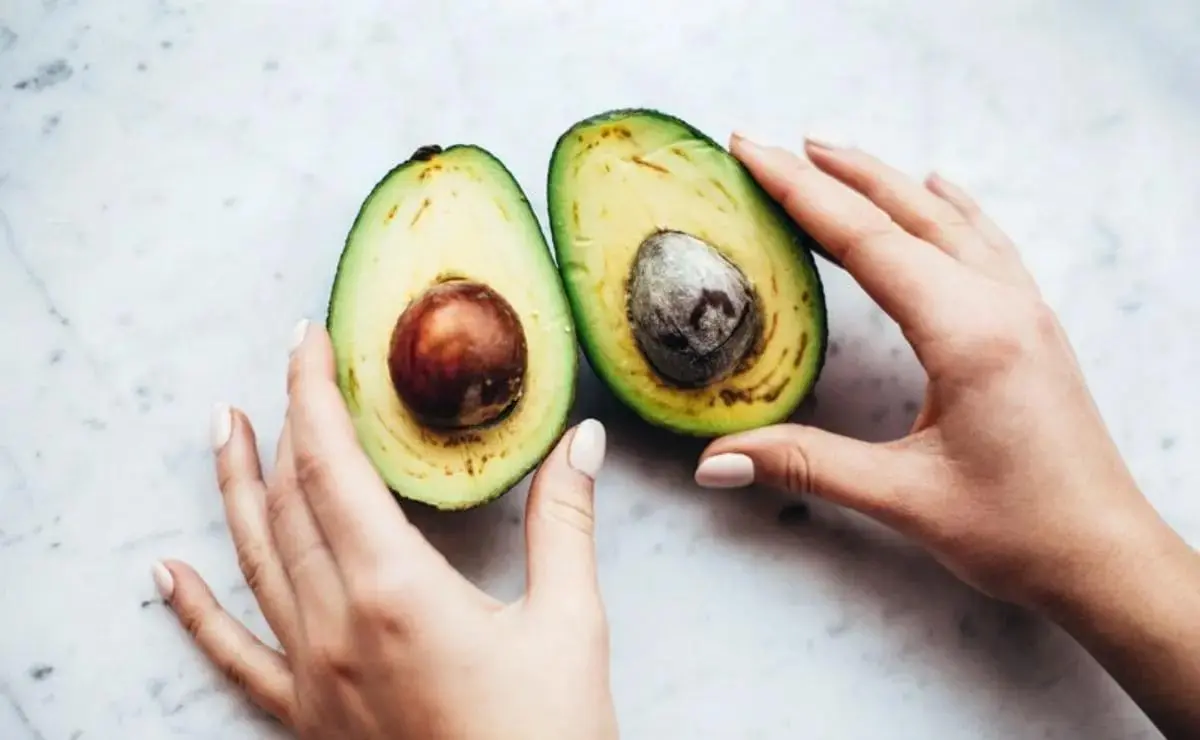
Not Every Brown Spot Means Your Avocado Has Gone Bad
4 Skin Symptoms You Shouldn't Ignore - They May Point to Liver Disease...
How Often Should You Really Shower? The Answer Isn't the Same for Everyon
Boiled eggs are nutritious, but moderation still matters for good health.
Peanuts are nutritious, but improper storage may pose unexpected health risks.
Persistent itching and skin bumps may signal more than a simple irritation.
Beets offer many benefits, but some effects can surprise even healthy adults.