Lychee is one of those fruits that seems almost too good to be true. With its fragrant aroma, delicate white flesh, juicy texture, and naturally sweet flavor, it has become a favorite tropical fruit around the world.
In recent years, however, lychee has attracted attention for another reason. Social media posts and online health discussions have increasingly suggested that eating lychee can act as a natural laxative, sometimes even implying that it can produce an almost immediate bowel movement.
But is that really what happens?
The answer is more nuanced.
Lychee can contribute to a healthy digestive system, largely because it contains water, some dietary fiber, and a variety of nutrients and plant compounds. However, describing it as a fast-acting or guaranteed laxative goes much further than the available evidence supports.
Rather than thinking of lychee as a natural replacement for a medical laxative, it is more accurate to view it as one nutritious fruit that can contribute to an overall diet supportive of normal digestion.
Here's what you should know.
Why Has Lychee Been Linked to Digestive Health?
Lychee is naturally juicy and contains a considerable amount of water. It also provides dietary fiber, although it is not generally considered one of the richest sources of fiber compared with foods such as beans, lentils, whole grains, chia seeds, or certain high-fiber fruits.
These characteristics help explain why people may associate lychee with digestive benefits.
Water and fiber are both important components of healthy bowel function.
Fiber contributes bulk to stool and can help support regular bowel movements. Adequate fluid intake helps prevent stool from becoming excessively dry and difficult to pass.
But there is an important distinction between supporting digestion and acting as a laxative.
Eating a serving of lychee does not guarantee an immediate bowel movement. Its effects, if noticeable, will depend on the person's overall diet, hydration, activity level, digestive health, and individual response.
What Exactly Is Lychee?
Lychee is a tropical fruit believed to have originated in southern China and is now cultivated in many warm regions around the world.
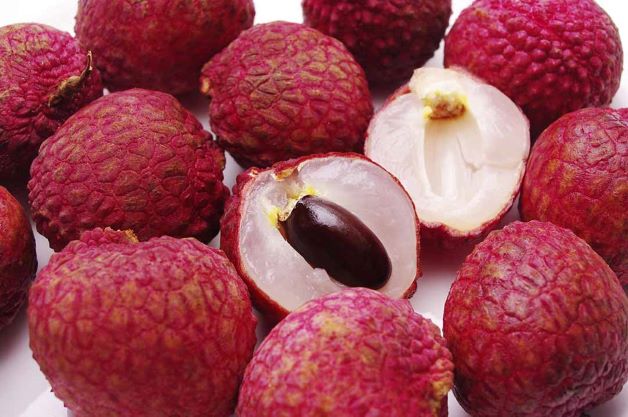
The fruit has a rough, textured outer skin that is usually pink, red, or reddish-brown when ripe. Inside is translucent, juicy flesh surrounding a relatively large seed.
Its flavor is naturally sweet with a floral, refreshing quality.
Lychee is often eaten fresh, but it can also be found canned, dried, frozen, or incorporated into beverages and desserts.
Nutritionally, fresh lychee provides:
-
Water
-
Dietary fiber
-
Vitamin C
-
Potassium
-
Copper
-
Antioxidant plant compounds
-
Naturally occurring carbohydrates and sugars
This combination makes lychee a nutritious addition to a varied diet.
But its nutritional value should not be confused with medicinal properties.
How Fiber Supports Normal Digestion
One of the main reasons people connect fruit with bowel regularity is dietary fiber.
Unlike many other carbohydrates, fiber is not completely broken down and absorbed in the small intestine. Instead, different types of fiber can influence the digestive system in several ways.
Fiber can help increase stool bulk, which may make bowel movements easier and more regular.
Some forms of fiber can also be fermented by bacteria in the colon, contributing to the production of compounds that support the intestinal environment.
However, the amount of fiber provided by a typical serving of lychee is relatively modest.
That means lychee shouldn't be viewed as a powerful fiber supplement.
Instead, it can contribute to your total daily fiber intake alongside vegetables, legumes, whole grains, nuts, seeds, and other fruits.
This broader dietary pattern is much more important than any single food.
Lychee's High Water Content May Also Matter
Have you ever bitten into a fresh lychee and noticed how much juice it contains?
That refreshing quality comes largely from its high water content.
Hydration plays an important role in normal digestive function. When a person does not consume enough fluid, stool can become harder and more difficult to pass.
Eating water-rich foods can contribute to overall fluid intake.
This is one reason fruits and vegetables can be useful components of a healthy diet.
However, eating lychee should not be considered a substitute for drinking adequate fluids.
If constipation is related to inadequate hydration, simply eating a few pieces of fruit while continuing to drink too little water may not solve the problem.
Fiber and fluids work best together.
Does Lychee Work Like a Laxative?
This is where online claims often become exaggerated.
A true laxative is specifically intended to stimulate, soften, or otherwise facilitate bowel movements.
Different types of laxatives work through different mechanisms.
Lychee is simply a fruit.
Although its water and fiber content may contribute to normal bowel function, there is no strong evidence that lychee produces a rapid, predictable laxative effect comparable to a medical laxative.
If someone eats lychee and happens to have a bowel movement shortly afterward, that doesn't necessarily mean the fruit caused it.
Digestive activity naturally fluctuates throughout the day.
The person may have eaten other foods, consumed more water, moved around more, or simply reached the point at which their body was ready for a bowel movement.
Why "Immediate Relief" Claims Can Be Misleading
Health content on social media often rewards dramatic statements.
A modest nutritional fact can quickly become a much bigger claim.
For example:
“Lychee contains water and fiber.”
may eventually become:
“Lychee supports digestion.”
and then:
“Lychee cleans your intestines.”
and finally:
“Eat lychee and constipation will disappear within minutes.”
Those statements are not equivalent.
The first describes a nutritional fact.
The final statement makes a strong medical claim that isn't supported simply by the fruit's nutrient composition.
This is why it's important to distinguish between potential digestive support and a guaranteed therapeutic effect.

Lychee Can Still Be Part of a Constipation-Friendly Diet
Even though lychee shouldn't be treated as a miracle laxative, that doesn't mean it has no place in a digestive-friendly diet.
Quite the opposite.
Fruit can be part of a balanced approach to bowel regularity.
Instead of relying on a single food, consider combining several healthy habits.
Eat a variety of fiber-rich foods
Include vegetables, beans, lentils, whole grains, nuts, seeds, and different types of fruit.
Drink enough fluids
Adequate hydration supports normal stool consistency and digestive function.
Stay physically active
Regular movement can support normal intestinal activity.
Increase fiber gradually
If your current diet is low in fiber, increasing it suddenly can sometimes cause gas, bloating, or discomfort.
Pay attention to your body's routine
Regular meals, adequate fluids, and consistent physical activity can all contribute to healthier bowel habits.
Lychee can fit naturally into this overall strategy.
Lychee Provides More Than Fiber and Water
The digestive discussion surrounding lychee shouldn't overshadow its broader nutritional profile.
Lychee is particularly known for providing vitamin C, an important nutrient involved in normal immune function, collagen formation, and antioxidant protection.
The fruit also contains various plant compounds with antioxidant activity.
In addition, lychee contributes minerals such as potassium and copper.
Potassium is involved in normal muscle and nerve function as well as fluid balance.
Copper contributes to several biological processes, including energy metabolism and the formation of connective tissues and blood cells.
These nutrients make lychee an appealing fruit choice even when digestive claims are removed from the discussion.
Antioxidants Add to Its Nutritional Appeal
Like many colorful fruits, lychee contains naturally occurring plant compounds that contribute to its antioxidant profile.
Antioxidants help protect cells from oxidative stress associated with reactive molecules produced naturally by the body.
This doesn't mean that eating lychee will "detox" your body or prevent illness on its own.
The human body already has sophisticated systems for handling these processes.
Instead, it is more accurate to say that lychee contributes antioxidant compounds as part of an overall diet rich in plant foods.
A diet containing a wide variety of fruits and vegetables provides a broader range of beneficial compounds than relying heavily on one particular fruit.
Can Everyone Eat Lychee?
For most people, fresh lychee can be enjoyed as part of a normal balanced diet.
However, individual dietary needs vary.
Because lychee is naturally sweet, people who monitor their carbohydrate or blood glucose intake may want to pay attention to portion sizes.
The fruit's natural sugars are not the same as added refined sugar, but they still contribute carbohydrates.
This doesn't mean people need to avoid lychee.
It simply means that portion size and the overall diet matter.
Eating a moderate amount of fruit is very different from consuming unusually large quantities in the belief that doing so will produce stronger digestive effects.
Why Eating More Isn't Necessarily Better
When a food is promoted online as a natural remedy, people may assume that a larger amount will produce a stronger result.
That isn't a good approach.
Eating excessive amounts of lychee does not guarantee better digestion.
Instead, a large quantity may simply add more calories and naturally occurring sugar to your diet.
A moderate serving is generally a more sensible approach.
Think of lychee as food—not medicine.
Enjoy its flavor, include it in a varied diet, and let your overall eating pattern do the heavy lifting when it comes to long-term digestive health.
Fresh Lychee vs. Canned or Processed Lychee
Not all lychee products are nutritionally identical.
Fresh lychee contains a significant amount of water and naturally occurring sugars.
Canned lychee may be packed in syrup, which can substantially increase the amount of added sugar.
Dried lychee is even more concentrated because much of the water has been removed.
For people trying to keep added sugar or calorie intake under control, fresh lychee is generally the simpler choice.
When buying packaged products, checking the nutrition label can help you understand exactly what you're eating.
What If You're Already Constipated?
If you're experiencing occasional constipation, improving your overall habits may help.
Increasing dietary fiber gradually, drinking enough fluids, staying active, and maintaining regular eating habits can all support normal bowel function.
But persistent constipation shouldn't simply be treated by eating more fruit.
Constipation can have many causes, including dietary changes, medications, dehydration, reduced physical activity, and certain medical conditions.
If constipation is persistent, severe, recurrent, or accompanied by symptoms such as significant abdominal pain, vomiting, blood in the stool, unexplained weight loss, or other concerning changes, medical advice is appropriate.
A healthcare professional can help determine the underlying cause and recommend appropriate treatment.
The Difference Between Prevention and Treatment
This distinction is easy to overlook.
A healthy diet can help support normal digestive function and reduce the likelihood of certain diet-related problems.
That does not mean individual foods can treat an established medical condition.
Lychee belongs firmly in the first category.
It can contribute water, fiber, vitamin C, minerals, and plant compounds to your diet.
But it shouldn't be promoted as a treatment for chronic constipation or as a replacement for medical care.
The same principle applies to many foods that are promoted online as "natural remedies."
Natural doesn't automatically mean medicinal.
And nutritious doesn't automatically mean therapeutic.
A Simple Way to Enjoy Lychee
You don't need a complicated recipe to make lychee part of a healthy diet.
Fresh lychee can be eaten on its own as a snack or combined with other foods.
Try adding peeled lychee to:
-
Fruit salads
-
Plain yogurt
-
Oatmeal
-
Smoothies
-
Chia pudding
-
Fresh green salads
-
Homemade desserts
Pairing fruit with foods containing protein, healthy fats, or additional fiber can create a more balanced snack or meal.
The goal isn't to make lychee perform a medical function.
It's simply to enjoy it as one nutritious component of a varied eating pattern.
A Better Way to Think About Digestive Health
Instead of asking:
“Which fruit will make me go to the bathroom immediately?”
a better question is:
“What habits help my digestive system function normally every day?”
That shift in perspective is important.
Healthy digestion generally depends on multiple factors working together.
Your body needs adequate fluids.
It needs sufficient dietary fiber.
It benefits from regular movement.
It needs a varied diet.
And it needs time.
No single fruit can replace all of those factors.
Lychee can contribute to the equation, but it isn't the entire equation.

The Bottom Line on Lychee and Digestion
Lychee is a delicious and nutritious tropical fruit that can absolutely have a place in a healthy diet.
Its water content and modest amount of dietary fiber can contribute to normal digestive function, while vitamin C, potassium, copper, and antioxidant compounds add to its overall nutritional value.
But the popular idea that lychee is an instant natural laxative should be treated with caution.
There is no strong basis for expecting a predictable bowel movement within minutes simply because you ate the fruit.
Its digestive role is better described as supportive rather than medicinal.
If you're looking to improve bowel regularity, focus on the bigger picture: eat a variety of fiber-rich foods, drink adequate fluids, stay physically active, and maintain consistent healthy habits.
And if constipation continues or becomes severe, don't rely on social-media remedies. Talk with a healthcare professional.
Lychee doesn't need to be a miracle cure to be worth eating.
It's already a refreshing, naturally sweet fruit that can provide useful nutrients and add variety to your diet. The smartest approach is simply to enjoy it in moderation, understand what it can—and cannot—do, and remember that lasting digestive health comes from the overall pattern of your lifestyle, not from one magical food.