For many people, sleeping with a fan on is part of their nightly routine. A fan can make a bedroom feel cooler, improve air circulation, provide white noise, and help create a more comfortable sleep environment—especially during warm weather.
However, you've probably heard claims that sleeping with a fan can cause dry skin, trigger allergies, or even lead to skin irritation. Are these concerns supported by science, or are they simply myths?
The answer is more nuanced than a simple yes or no. A fan itself does not directly cause allergies or skin diseases, but under certain circumstances, it may contribute to dry skin or worsen symptoms in people who are already sensitive to environmental factors.
Let's take a closer look at what the evidence says and explore practical ways to enjoy the benefits of a fan while minimizing any potential effects on your skin.

How Does a Fan Affect Your Skin?
Unlike an air conditioner, a fan doesn't lower the room temperature. Instead, it moves air across your body, helping sweat evaporate more efficiently.
This process cools the body naturally.
However, increased airflow may also increase the evaporation of moisture from the surface of the skin.
For some people, especially those with naturally dry or sensitive skin, this may contribute to:
-
Dryness
-
Tightness
-
Mild irritation
The degree of this effect depends on several factors, including humidity, airflow, and individual skin type.
Can a Fan Actually Cause Allergies?
No.
A fan does not create allergies.
However, it can circulate substances already present in the room, such as:
-
Dust
-
Pet dander
-
Pollen
-
Mold spores
-
Fabric fibers
If these particles are already in the environment, continuous airflow may keep them suspended in the air for longer periods.
For people with allergies or asthma, this may contribute to symptoms such as:
-
Sneezing
-
Runny nose
-
Itchy eyes
-
Nasal congestion
The allergic reaction is caused by the allergens—not by the fan itself.
Can Sleeping With a Fan Dry Out Your Skin?
For some people, yes.
Air moving continuously across exposed skin may increase water loss from the outermost layer of the skin, known as the stratum corneum.
You may notice:
-
Dry patches
-
Flaking
-
Tightness after waking
-
Rough texture
People most likely to notice these changes include those with:
-
Naturally dry skin
-
Eczema (atopic dermatitis)
-
Psoriasis
-
Older skin
-
Low indoor humidity
What Is the Skin Barrier?
Your skin has a protective outer layer called the skin barrier.
Its job is to:
-
Retain moisture
-
Keep irritants out
-
Protect against bacteria
-
Reduce water loss
When the skin barrier becomes compromised, symptoms may include:
-
Dryness
-
Itching
-
Redness
-
Increased sensitivity
Environmental factors—including cold weather, low humidity, harsh soaps, and prolonged airflow—may contribute to barrier disruption in susceptible individuals.
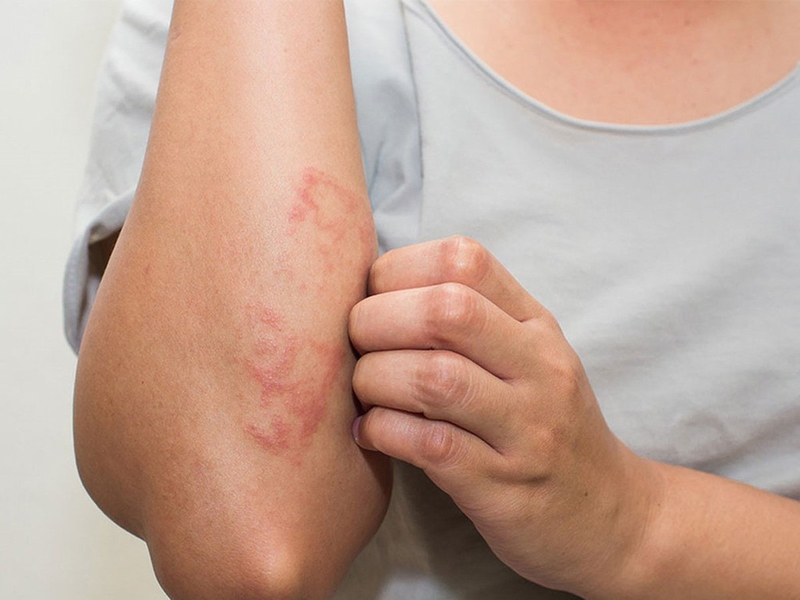
Can a Fan Cause Skin Rashes?
A fan does not directly cause skin rashes.
However, dry skin may become:
-
Itchy
-
Irritated
-
More likely to develop small cracks
Scratching irritated skin can sometimes lead to redness or secondary skin irritation.
If you develop a persistent rash, it may be caused by:
-
Eczema
-
Contact dermatitis
-
Heat rash
-
Allergic reactions
-
Infections
Rather than the fan itself.
If a rash persists or worsens, consult a healthcare professional.
Can a Fan Make Eczema Worse?
Possibly.
People with eczema already have a weakened skin barrier.
Prolonged airflow combined with low humidity may increase skin dryness, potentially worsening:
-
Itching
-
Flaking
-
Irritation
Using a fragrance-free moisturizer regularly may help reduce these effects.
Does Sleeping With a Fan Affect Your Eyes?
Air blowing directly toward the face may also increase evaporation of tears.
Some people wake up with:
-
Dry eyes
-
Eye irritation
-
Redness
-
Blurred vision that improves after blinking
Individuals who wear contact lenses or have dry eye syndrome may be more susceptible.
Can a Fan Dry Out Your Nose and Throat?
Yes, in some cases.
Continuous airflow may contribute to:
-
Dry nasal passages
-
Dry throat
-
Mild morning discomfort
This is more likely when indoor humidity is already low.
Drinking enough water and maintaining comfortable indoor humidity may help.
The Role of Indoor Humidity
Humidity significantly influences skin comfort.
Very dry indoor air can increase:
-
Skin dryness
-
Lip dryness
-
Eye irritation
Many experts suggest maintaining indoor humidity between 30% and 50% for comfort, though the ideal level may vary depending on climate and individual needs.
If indoor air becomes excessively dry, a humidifier may help.
However, humidifiers should be cleaned regularly to reduce the risk of mold and bacterial growth.
Who Is More Sensitive to Fan Air?
Some individuals are more likely to notice skin effects.
These include:
-
Older adults
-
Infants
-
People with eczema
-
Individuals with psoriasis
-
Those with naturally dry skin
-
People living in dry climates
For these groups, directing the fan away from the body may improve comfort.
Can a Dirty Fan Affect Skin and Allergies?
Yes.
Dust accumulating on fan blades may be redistributed into the room each time the fan operates.
Although this does not directly damage the skin, it may increase exposure to:
-
Dust mites
-
Pet dander
-
Mold particles
-
Other airborne irritants
Regularly cleaning fan blades helps improve indoor air quality.
Benefits of Sleeping With a Fan
Despite the potential drawbacks for some individuals, fans also offer several advantages.
They may help:
-
Improve sleep comfort
-
Increase air circulation
-
Provide white noise
-
Reduce the feeling of stuffiness
-
Lower the risk of overheating during sleep
Better sleep supports overall health, including skin health.
Tips to Reduce Skin Dryness While Using a Fan
You don't necessarily need to stop using your fan.
Instead, consider these simple adjustments.
Avoid Direct Airflow
Position the fan so air circulates around the room rather than blowing directly onto your face or body throughout the night.
Moisturize Before Bed
Applying a fragrance-free moisturizer before sleeping helps support the skin barrier and reduce overnight moisture loss.
Look for products containing ingredients such as:
-
Ceramides
-
Glycerin
-
Hyaluronic acid
-
Petrolatum
Stay Hydrated
Although drinking extra water won't completely prevent dry skin, staying well hydrated supports overall health.
Hydration needs vary between individuals.
Clean Your Fan Regularly
Dust buildup can reduce indoor air quality.
Wipe fan blades regularly according to the manufacturer's instructions.
Wash Bedding Frequently
Dust mites and allergens can accumulate in:
-
Sheets
-
Pillowcases
-
Blankets
Regular washing in hot water may help reduce allergen exposure.
Monitor Indoor Humidity
If the air feels unusually dry, consider using a hygrometer to measure humidity.
A properly maintained humidifier may improve comfort in some homes.
When Skin Symptoms May Have Another Cause
Persistent skin problems should not automatically be blamed on your fan.
Dryness, itching, or rashes may also result from:
-
Eczema
-
Psoriasis
-
Contact dermatitis
-
Allergic reactions
-
Fungal infections
-
Certain medications
-
Thyroid disorders
-
Diabetes
-
Nutritional deficiencies
Proper diagnosis is important if symptoms continue.
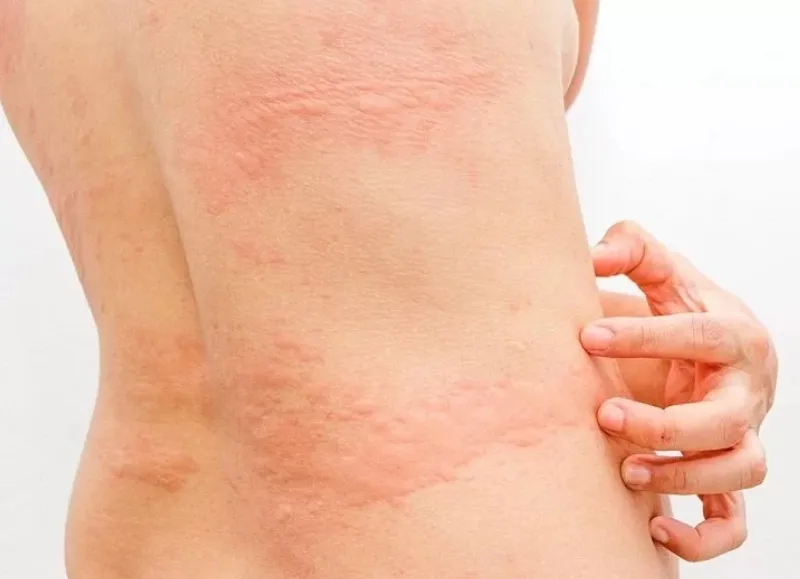
When Should You See a Doctor?
Seek medical advice if you experience:
-
Persistent rash
-
Severe itching
-
Painful skin cracks
-
Signs of infection
-
Dry skin that does not improve with moisturizers
-
Frequent allergic symptoms despite reducing dust exposure
A healthcare professional can identify the underlying cause and recommend appropriate treatment.
Common Myths About Sleeping With a Fan
Myth 1: Fans Cause Allergies
False.
Fans circulate existing allergens but do not create allergies.
Myth 2: Sleeping With a Fan Always Damages the Skin
Most people experience no significant skin problems.
Those with sensitive or dry skin may notice increased dryness under certain conditions.
Myth 3: Drinking More Water Completely Prevents Dry Skin
Hydration is important, but skin moisture also depends on the skin barrier and environmental conditions.
Myth 4: Fans Are Dangerous for Everyone
Fans are generally safe when used properly.
The effects vary depending on personal health, room conditions, and how the fan is positioned.
The Bottom Line
Sleeping with a fan on does not directly cause allergies or skin diseases, but it may contribute to dry skin, eye irritation, or mild discomfort in some individuals - particularly if the air blows directly onto the body for extended periods or if indoor humidity is very low. Additionally, dirty fans can circulate dust and allergens already present in the room, which may worsen symptoms for people with allergies or asthma.
Simple steps such as cleaning your fan regularly, avoiding direct airflow, moisturizing before bed, washing bedding frequently, and maintaining comfortable indoor humidity can help minimize these effects while allowing you to continue enjoying a cooler, more comfortable night's sleep.
Final Thoughts
For most people, sleeping with a fan is a safe and effective way to stay comfortable during warm nights. While fans may slightly increase moisture loss from the skin or circulate airborne allergens in certain environments, they are not a direct cause of allergic skin reactions. Individual sensitivity, skin type, room cleanliness, and humidity levels all play a much larger role.
If you notice persistent dry skin, itching, or other symptoms that seem to worsen overnight, consider adjusting how you use your fan and paying attention to your indoor environment. And if symptoms continue despite these changes, consult a healthcare professional to determine whether an underlying skin condition or allergy may be responsible. Small adjustments to your bedtime routine can often make a noticeable difference in both your comfort and your skin health.