Can You Eat Meat If You Have High Uric Acid? 3 Types of Meat That Are Safe and How to Consume Them Wisely
Many people with high uric acid levels wonder whether they should completely avoid meat. In this article, doctors clarify this concern and provide guidance on which meats to eat, how much, and the best ways to prepare them.
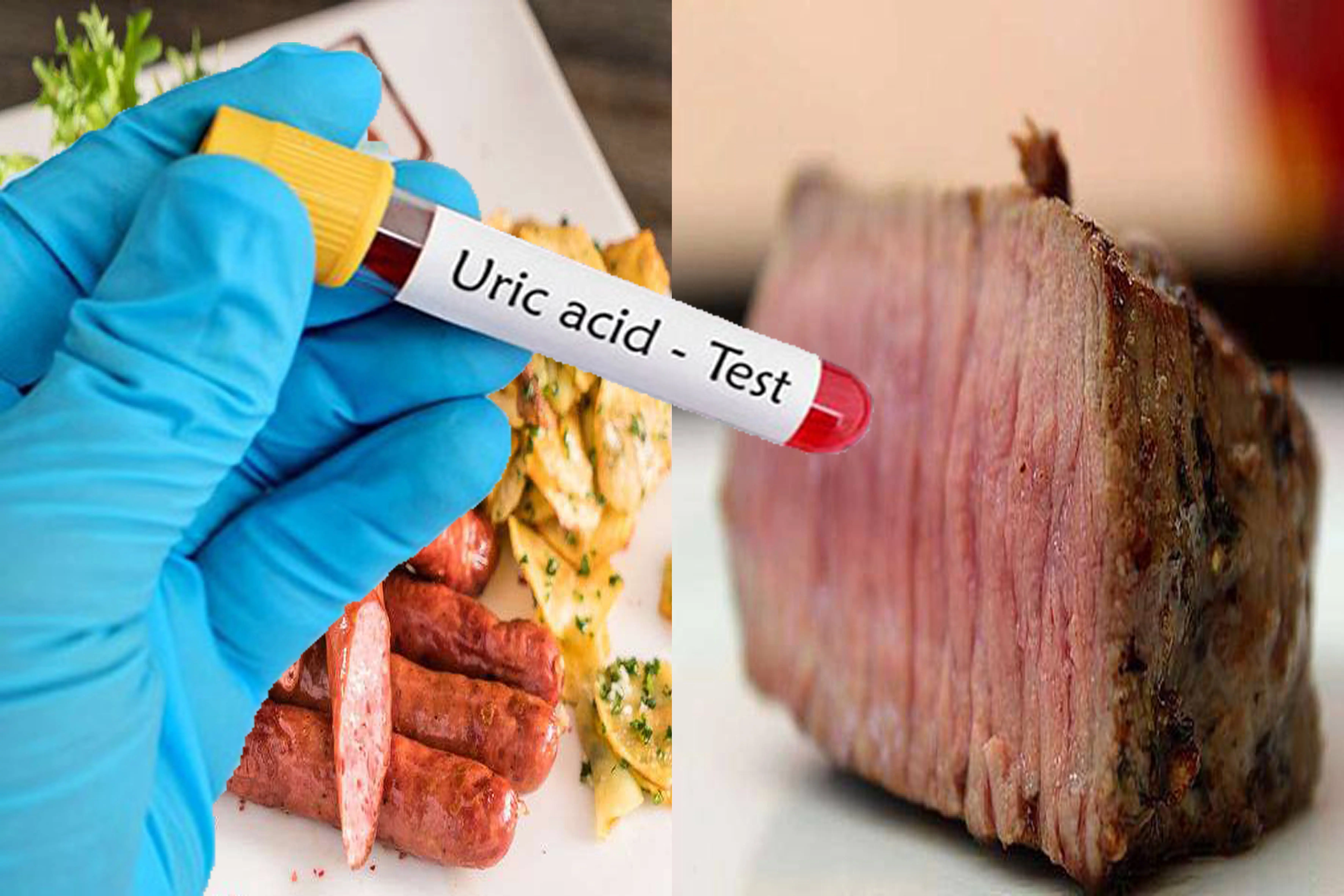
1. How Does Meat Affect Those with High Uric Acid?
Meat contains higher levels of uric acid compared to vegetables, grains, and other foods. Uric acid in the body is closely related to purines, as uric acid is the final metabolic product of purines. While it’s commonly advised to avoid high-purine foods, not all purines in the body come from food.
In fact, about 80% of purines are naturally produced by the body, while only 20% come from dietary sources. If you are on gout medication or not experiencing an acute gout attack, eating a small portion of meat is generally safe.
Seafood (fish, shrimp, crab) and organ meats contain the highest purine levels, whereas poultry and livestock meats contain relatively lower amounts. If you have high uric acid, you can eat lean meats from livestock in moderation but should limit seafood and organ meats.
Daily meat intake should ideally be around 45-70g (about the size of a palm). If your uric acid is under control, you may also consume some seafood with lower purine content, such as jellyfish and sea cucumbers.
Certain fish, like salmon, tuna, and eel, contain moderate purine levels (100 mg/100 g) and can be eaten in moderation. Fish like cod, swordfish, and abalone contain higher purine levels (150 mg/100 g) and should be consumed sparingly. Avoid fish with very high purine content, such as sardines, mackerel, anchovies, dried fish, and shellfish.
Processed meats, such as bacon, sausages, and canned meats, should also be avoided due to their high salt and preservative content. When cooking meat, opt for steaming, boiling, or stewing instead of frying or grilling, which can increase purine concentration.
2. Dietary Tips for Managing High Uric Acid
- Control calorie intake: Maintain a healthy weight and avoid overeating.
- Limit protein consumption: Patients with gout should consume 0.4-0.5g of protein per kg of body weight (about 40g daily).
- Reduce fat intake: Keep total fat consumption to around 50g per day, prioritize vegetable oils over animal fats.
- Focus on carbohydrates: Foods like rice, noodles, and grains should be the primary source of calories.
- Avoid alcohol and caffeine: Alcohol, coffee, and cocoa can trigger gout attacks and should be limited.
- Increase vitamin B and C intake: Consume citrus fruits, apples, and leafy greens to ensure sufficient vitamin intake.
- Avoid high-purine foods: Limit organ meats, seafood, beef, lamb, and legumes. Instead, opt for milk, eggs, bread, cucumbers, and tomatoes, which are low in purines.
Since meat provides essential nutrients that are difficult to replace, completely avoiding it is unrealistic. Instead, limit total daily meat intake to 200g, and strictly avoid organ meats and high-purine seafood to prevent worsening your condition.
3. 3 Types of Meat That Are Safe for High Uric Acid
- Lean Meat: Although it contains some purines, lean meats (e.g., pork loin, lean beef) have much lower purine levels than seafood and organ meats. Avoid fatty cuts, as they contribute to weight gain and contain more purines.
- Poultry (Chicken, Duck, Goose): These meats are lower in fat and cholesterol, reducing strain on the body while providing essential nutrients. However, avoid poultry skin, which is high in fat.
- Certain Fish: Opt for freshwater fish like grass carp and common carp, and limit consumption of saltwater fish.
By making smart dietary choices and managing your purine intake, you can still enjoy meat while keeping your uric acid levels in check.