
11 Honey Remedies That May Help Support Your Health Naturally
Discover 11 Time-Honored Honey Remedies for Everyday Wellness
Health 02/08/2026 01:39
Uric acid and heart health are two topics that often appear together in health discussions. Many online articles claim that certain foods can "flush out" uric acid, instantly prevent gout, or dramatically reduce the risk of stroke. While these headlines may attract attention, they often oversimplify complex health conditions.
The truth is that diet plays an important role in supporting healthy uric acid levels and cardiovascular health, but no single food can cure gout, eliminate excess uric acid overnight, or prevent heart disease on its own.
Instead, long-term health depends on an overall dietary pattern, regular physical activity, maintaining a healthy weight, and managing medical conditions such as high blood pressure, diabetes, and high cholesterol.
Here's what current research tells us about the connection between diet, uric acid, and heart health.

Uric acid is a natural waste product formed when the body breaks down compounds called purines.
Purines are found naturally in:
Your body's cells
Certain foods
Some beverages
Normally, uric acid dissolves in the blood, passes through the kidneys, and leaves the body in urine.
However, when the body produces too much uric acid or the kidneys cannot remove enough of it, blood uric acid levels may rise—a condition known as hyperuricemia.
Not everyone with hyperuricemia develops symptoms, but high uric acid can increase the risk of gout and kidney stones in some individuals.
Researchers have observed that elevated uric acid levels are often associated with conditions such as:
High blood pressure
Obesity
Type 2 diabetes
Chronic kidney disease
Metabolic syndrome
These conditions are also linked to a higher risk of cardiovascular disease.
However, scientists continue to study whether uric acid itself directly contributes to heart disease or whether it is primarily a marker of underlying metabolic health.
Regardless, maintaining healthy uric acid levels is one part of supporting overall wellness.
Diet affects uric acid by influencing both its production and elimination.
Certain foods are naturally higher in purines and may contribute to higher uric acid levels in susceptible individuals, while others support a balanced eating pattern associated with better metabolic health.
Rather than focusing on one "miracle food," experts recommend looking at your overall diet.
Cherries are among the most studied fruits in relation to gout.
Some research suggests that cherries and tart cherry products may be associated with a lower risk of recurrent gout attacks in certain individuals.
Scientists believe their antioxidants and anti-inflammatory compounds may contribute to these effects.
However, cherries do not cure gout or rapidly lower uric acid.
Oranges, grapefruits, lemons, and other citrus fruits provide:
Vitamin C
Fiber
Water
Antioxidants
Some studies suggest adequate vitamin C intake may modestly support healthy uric acid levels.
More research is needed to fully understand this relationship.
A diet rich in vegetables supports overall health and provides:
Fiber
Potassium
Folate
Numerous plant compounds
Interestingly, vegetables naturally higher in purines—such as spinach and mushrooms—have not been shown to increase gout risk in the same way that certain animal foods do.
Several studies suggest low-fat dairy foods may help lower the risk of gout.
Examples include:
Low-fat milk
Yogurt
Cottage cheese
These foods may promote uric acid excretion through the kidneys.

Hydration is one of the simplest ways to support kidney function.
Drinking enough water helps:
Dilute urine
Support normal uric acid elimination
Reduce kidney stone risk
Water remains one of the healthiest beverage choices.
Certain foods are relatively high in purines or are associated with increased uric acid production.
These include:
Examples:
Liver
Kidney
Sweetbreads
These foods contain high concentrations of purines.
Certain seafood is relatively rich in purines, including:
Sardines
Anchovies
Mussels
Herring
Moderation may be appropriate for people with recurrent gout.
Sugar-sweetened beverages containing high amounts of fructose have been associated with elevated uric acid levels.
Replacing sugary drinks with water is generally a healthier choice.
Beer and excessive alcohol intake may increase uric acid levels and trigger gout attacks in susceptible individuals.
Limiting alcohol is often recommended for those with gout.
Many dietary habits that support healthy uric acid levels also support cardiovascular health.
Examples include:
Eating more fruits and vegetables
Choosing whole grains
Including legumes and nuts
Selecting healthy fats such as olive oil
Eating fish in moderation
Limiting processed foods
Reducing excess sodium
Avoiding excessive added sugars
These habits resemble dietary patterns such as the Mediterranean diet, which has been associated with improved heart health.
Diet is only one piece of the puzzle.
Other healthy habits include:
Gradual weight loss may improve both metabolic health and uric acid levels in individuals who are overweight.
Crash diets, however, may temporarily increase uric acid.
Regular exercise supports:
Healthy blood pressure
Cholesterol levels
Blood sugar control
Weight management
Aim for at least 150 minutes of moderate physical activity each week, or as recommended by your healthcare provider.
Poor sleep has been linked to several cardiometabolic conditions.
Most adults benefit from seven to nine hours of quality sleep each night.
Smoking significantly increases cardiovascular risk.
Quitting smoking remains one of the most important steps for long-term heart health.
Fact: Onions are nutritious and contain antioxidants, but there is no evidence that they rapidly lower uric acid or cure gout.
Fact: Stroke prevention depends on managing multiple risk factors, including blood pressure, cholesterol, diabetes, physical activity, and smoking status.
Fact: Dietary recommendations should be individualized based on medical history, symptoms, and healthcare provider guidance.
Fact: Current evidence does not support avoiding nutrient-rich vegetables simply because they contain moderate amounts of purines.
Fact: Staying hydrated is beneficial, but lemon water has not been proven to rapidly eliminate excess uric acid.
Seek medical evaluation if you experience:
Sudden severe joint pain
Swelling, redness, or warmth in a joint
Recurrent gout attacks
Kidney stones
Persistently elevated uric acid levels
Chest pain, shortness of breath, or symptoms suggestive of stroke
Medical treatment may be necessary depending on the underlying condition.
Simple habits can make a meaningful difference over time:
Drink plenty of water throughout the day.
Fill half your plate with fruits and vegetables.
Choose whole grains instead of refined grains.
Limit sugar-sweetened beverages.
Eat lean sources of protein.
Stay active most days of the week.
Maintain a healthy body weight.
Follow your prescribed treatment plan if you have gout, high blood pressure, diabetes, or heart disease.
Consistency matters far more than searching for a single "superfood."

A healthy diet can play an important role in supporting healthy uric acid levels and cardiovascular health, but there is no single food that can cure gout, eliminate excess uric acid overnight, or prevent stroke on its own. The strongest evidence supports an overall eating pattern rich in fruits, vegetables, whole grains, legumes, nuts, and low-fat dairy products, while limiting excessive alcohol, sugary beverages, and certain high-purine foods when appropriate.
Healthy lifestyle habits—including regular physical activity, adequate hydration, maintaining a healthy weight, avoiding smoking, and managing conditions such as high blood pressure, diabetes, and high cholesterol—are equally important. By focusing on sustainable daily choices rather than quick fixes, you can better support both your metabolic health and your heart over the long term.
Discover 11 Time-Honored Honey Remedies for Everyday Wellness

Want More Iron in Your Diet? These Heart-Healthy Vegetables Are Worth Adding

Understanding Kidney Disease: 6 Foot Symptoms That Shouldn't Be Ignored
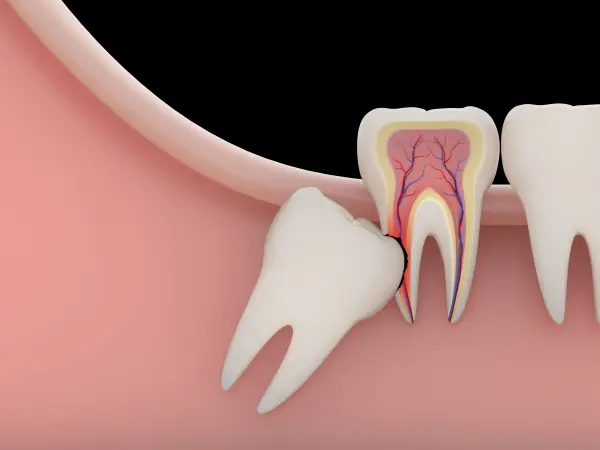
6 Common Symptoms That May Indicate an Impacted Wisdom Tooth

Nuts and Your Health: What Research Says About Their Benefits and Potential Risks

Smart bedtime drink choices may support better heart and vascular health.
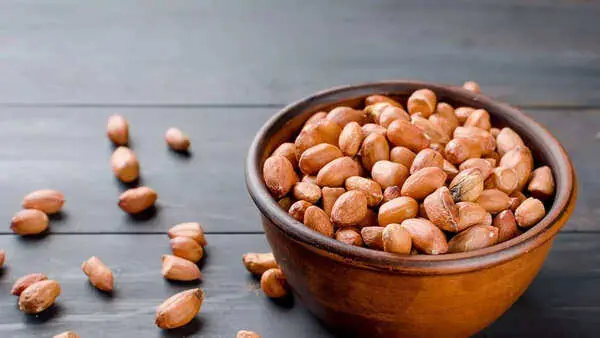
🧠 What Does Eating Peanuts Really Do to Your Body? Here’s What Experts Want You to Know

🌙 You Wake Up at 3 or 4 A.M. for a Reason — But It May Not Be What You Think…

👀 What You Pour Down the Kitchen Sink Matters More Than You Think…

Before You Reach for Ginger, Check These 5 Health Conditions First

Persistent vomiting in children should never be ignored or self-treated.
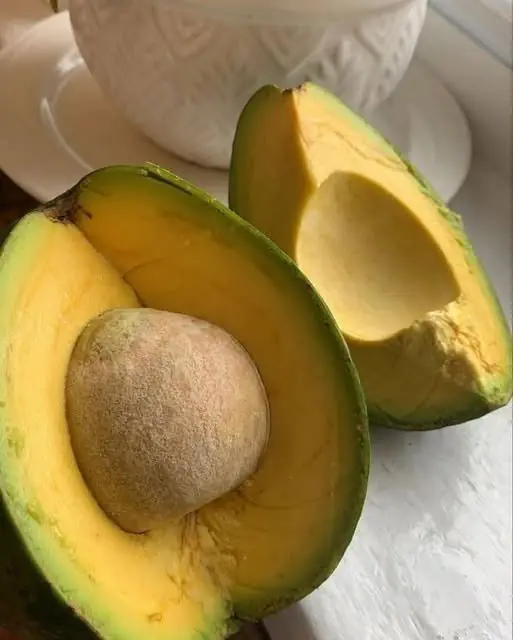
A daily avocado may offer surprising health benefits when eaten wisely.

Your Swollen Feet Could Be Missing These 5 Essential Nutrients

Some morning symptoms deserve attention, but they are not cancer-specific.

❤️ These Everyday Foods Can Help Support Healthy Arteries — Here’s What to Add to Your Meals

⚠️🍌 Do You Eat Bananas Before Sleeping? Here’s What Health Experts Say… See More 👇

😰 If You Notice These Changes in Your Hands, It May Be Time to Pay Attention to Your Health
Doctors Warn This “Bitter Vegetable” May Be More Toxic Than Arsenic If Eaten Incorrectly
Think Twice Before Serving Tilapia to Your Family. The Reason Behind It Is Shocking
Discover 11 Time-Honored Honey Remedies for Everyday Wellness

Air Conditioner Fan Speed: Is High or Low the Better Choice?
Want More Iron in Your Diet? These Heart-Healthy Vegetables Are Worth Adding
Understanding Kidney Disease: 6 Foot Symptoms That Shouldn't Be Ignored

A Step-by-Step Guide to Treating Mold and Peeling Paint on Walls
6 Common Symptoms That May Indicate an Impacted Wisdom Tooth
Nuts and Your Health: What Research Says About Their Benefits and Potential Risks
Smart bedtime drink choices may support better heart and vascular health.
🧠 What Does Eating Peanuts Really Do to Your Body? Here’s What Experts Want You to Know
🌙 You Wake Up at 3 or 4 A.M. for a Reason — But It May Not Be What You Think…
👀 What You Pour Down the Kitchen Sink Matters More Than You Think…

⚠️ If You Do This After Cooking, You Could Be Shortening the Life of Your Pipes…
Before You Reach for Ginger, Check These 5 Health Conditions First
Persistent vomiting in children should never be ignored or self-treated.
A daily avocado may offer surprising health benefits when eaten wisely.
Your Swollen Feet Could Be Missing These 5 Essential Nutrients

That decorative cloth serves more than just an attractive hotel room design.
Some morning symptoms deserve attention, but they are not cancer-specific.
❤️ These Everyday Foods Can Help Support Healthy Arteries — Here’s What to Add to Your Meals