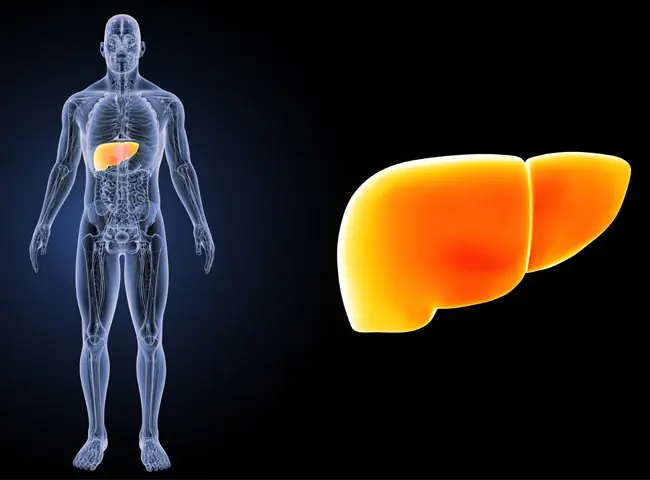
What Are the Early Signs of Fatty Liver? Here Are 9 to Watch For
These 9 Early Symptoms Could Be Your Liver Asking for Attention
Health 29/07/2026 10:23
When people think about cervical cancer, they usually associate it with symptoms such as abnormal vaginal bleeding, pelvic pain, or unusual discharge. However, many people wonder whether changes in the feet—such as swelling, pain, or numbness—could also be related.
The short answer is yes, in some cases, but these symptoms are not usually early signs of cervical cancer. Instead, they may occur when the disease has progressed or when another medical condition is present.
Here's what current medical evidence tells us.
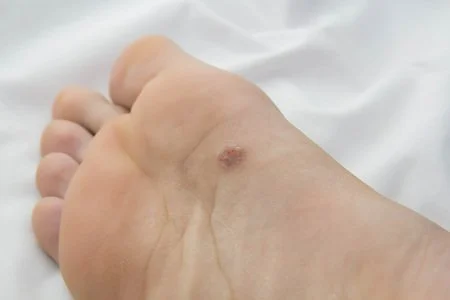
Although cervical cancer primarily affects the cervix, advanced disease can sometimes lead to symptoms elsewhere in the body, including the legs and feet.
These changes are generally indirect, meaning they occur because the cancer affects nearby tissues, lymph nodes, or blood vessels—not because it directly involves the feet.
Some possible foot- or leg-related symptoms include:
It's important to remember that these symptoms are far more commonly caused by other conditions, such as injuries, vein problems, heart disease, kidney disease, or medication side effects.
One possible reason is lymphedema.
The lymphatic system helps remove excess fluid from body tissues. If cervical cancer spreads to lymph nodes or if lymph nodes are removed or treated with radiation, lymph drainage may become impaired.
As a result, fluid can accumulate in the legs or feet, causing swelling.
Lymphedema may also occur after cancer treatment and is recognized as a potential long-term side effect in some patients.
In more advanced cervical cancer, a growing tumor may press against nearby veins or lymphatic vessels.
When normal blood or lymph flow is blocked, fluid can build up in the lower limbs.
This type of swelling is often:
However, similar symptoms can also result from blood clots, chronic venous disease, or heart failure, so medical evaluation is essential.
Sometimes.
Advanced pelvic tumors may affect nearby nerves, leading to symptoms such as:
In addition, certain chemotherapy medications can cause peripheral neuropathy, a condition that affects nerves in the hands and feet.
Not everyone receiving treatment develops neuropathy, and symptoms vary widely among individuals.
According to major cancer organizations, early cervical cancer often causes no symptoms at all.
When symptoms do develop, they commonly include:
These remain the symptoms that healthcare professionals recommend paying the closest attention to.
You should seek medical evaluation if you experience:
Many of these symptoms are not caused by cervical cancer, but they deserve professional assessment to identify the underlying cause.
Fortunately, cervical cancer is one of the most preventable cancers.
Experts recommend:
Routine screening can detect precancerous changes long before cancer develops.
Changes in the feet—such as swelling, numbness, or pain—are not considered typical early warning signs of cervical cancer. However, in some cases, advanced cervical cancer or its treatment may contribute to these symptoms through effects on the lymphatic system, blood vessels, or nerves.
Because these symptoms are common and have many possible causes, they should not be used alone to diagnose cervical cancer. If you notice persistent or unexplained changes in your legs or feet—especially when accompanied by abnormal vaginal bleeding or pelvic symptoms—it is important to consult a healthcare professional for proper evaluation.
Early detection through HPV vaccination and regular cervical screening remains the most effective strategy for reducing the risk of cervical cancer.
Medical disclaimer: This article is for educational purposes only and should not be considered medical advice. Anyone experiencing persistent or concerning symptoms should seek evaluation from a qualified healthcare professional.
These 9 Early Symptoms Could Be Your Liver Asking for Attention
An Aneurysm Can Be Silent—But These Symptoms May Be Important.
These 7 Symptoms Could Signal a Higher Risk of a Heart Attack—Know When to Seek Medical Care. 👇
A Lump Behind Your Ear Could Have Several Causes
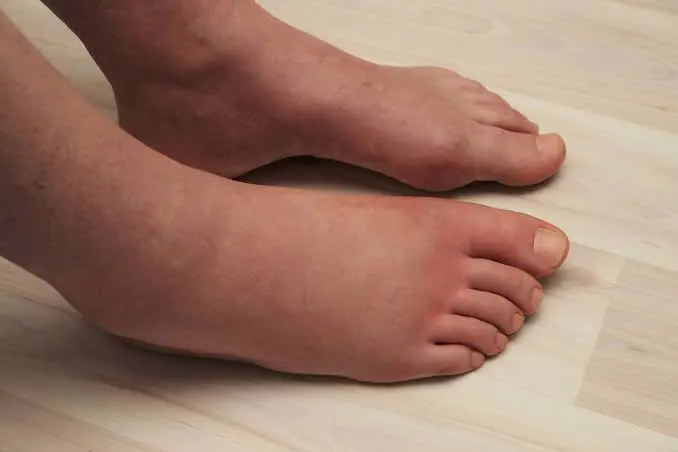
What Your Swollen Feet and Ankles Might Be Saying About Your Health.

Think You Know Okra? Here Are 16 Surprising Facts
Bruises That Appear Out of Nowhere? Here's What Medical Experts Recommend.

Too Much of a Good Thing? What Excess Peanut Consumption May Do to Your Body.

Night Leg Cramps May Be More Than Just an Annoyance. Here's Why.

What Makes These Perfect Square Waves So Incredibly Dangerous?

Garlic's Hidden Risks Most People Never Hear About
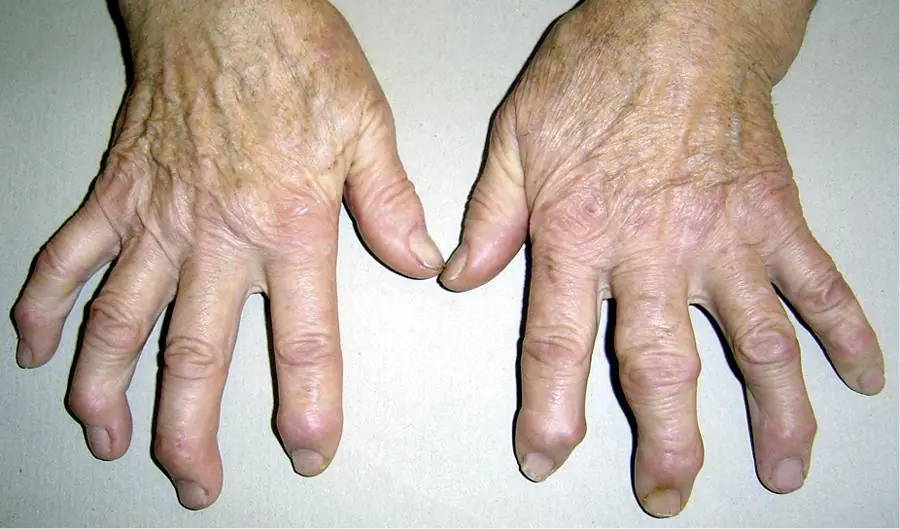
Are These Hard Bumps on Your Fingers a Warning Sign?

Brittle nails may reflect lifestyle habits, aging, or hidden health conditions.

Raw ginger is healthy, but poor hygiene may increase contamination risks.

Night leg cramps may signal dehydration, muscle strain, or health issues.
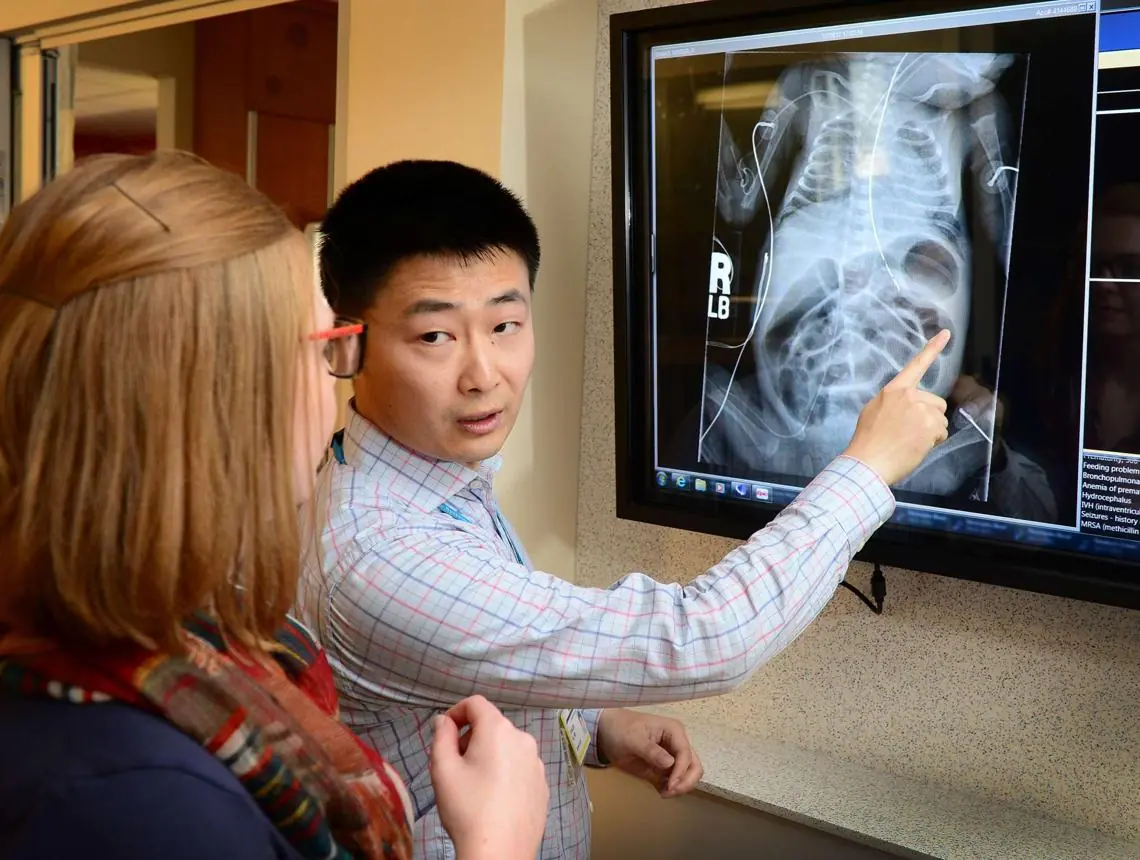
A rare infant case highlights symptoms parents should never ignore early.

A colorful vegetable-rich diet may help support long-term health naturally.

Bed bug bites can be itchy—early detection helps stop infestations fast.
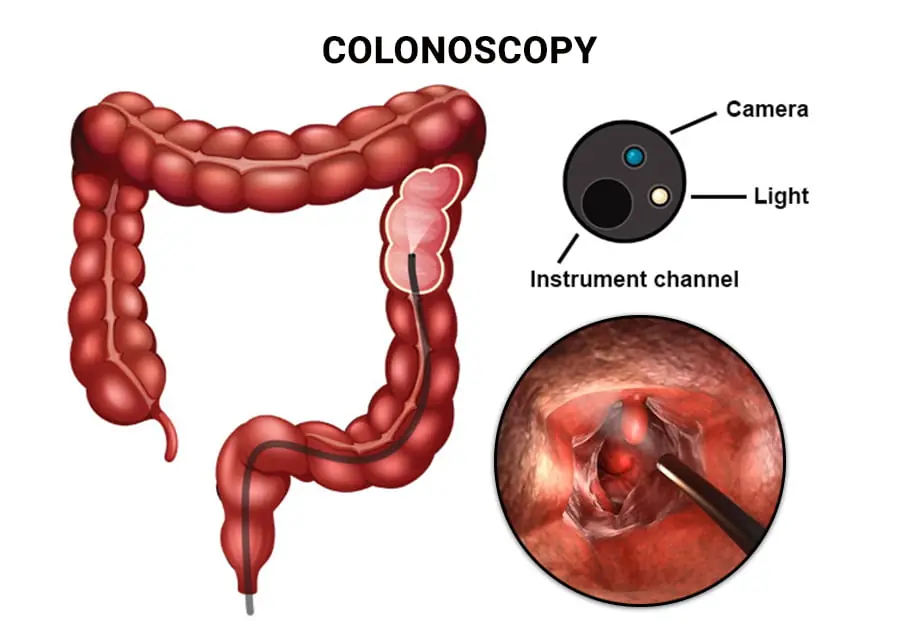
💙 A Colonoscopy Can Be an Important Screening Test—Here's What to Know Beforehand... Check the 1st Comment
These 9 Early Symptoms Could Be Your Liver Asking for Attention
An Aneurysm Can Be Silent—But These Symptoms May Be Important.

A Lunch Filled with Kindness
These 7 Symptoms Could Signal a Higher Risk of a Heart Attack—Know When to Seek Medical Care. 👇
A Lump Behind Your Ear Could Have Several Causes
What Your Swollen Feet and Ankles Might Be Saying About Your Health.
Think You Know Okra? Here Are 16 Surprising Facts
Bruises That Appear Out of Nowhere? Here's What Medical Experts Recommend.
Too Much of a Good Thing? What Excess Peanut Consumption May Do to Your Body.
Night Leg Cramps May Be More Than Just an Annoyance. Here's Why.

The Price of Judgment
What Makes These Perfect Square Waves So Incredibly Dangerous?
Garlic's Hidden Risks Most People Never Hear About

Don't Let This Meat Trick Fool You at the Supermarket
Are These Hard Bumps on Your Fingers a Warning Sign?
Brittle nails may reflect lifestyle habits, aging, or hidden health conditions.
Raw ginger is healthy, but poor hygiene may increase contamination risks.
Night leg cramps may signal dehydration, muscle strain, or health issues.
A rare infant case highlights symptoms parents should never ignore early.