Both cashews and almonds are rich in healthy fats:
Cashews are high in monounsaturated fatty acids (MUFAs), which support heart health.3 However, cashews contain more saturated fat than almonds, which some people may want to watch.12
Almonds are also a great source of MUFAs and generally have less saturated fat, making them a heart-friendly option.4
The benefits of MUFAs include:5
MUFAs support heart health by helping maintain healthy cholesterol levels, which can lower the risk of heart disease.
They also promote feelings of fullness, aiding in appetite control and supporting weight management by potentially reducing overall calorie intake.
MUFAs have anti-inflammatory properties that may reduce the risk of chronic diseases linked to inflammation.
Which Has More Protein?
All nuts have protein, but cashews and almonds are particularly high in this nutrient:6
Cashews provide approximately 5.16 grams (g) of protein in 1 ounce.1
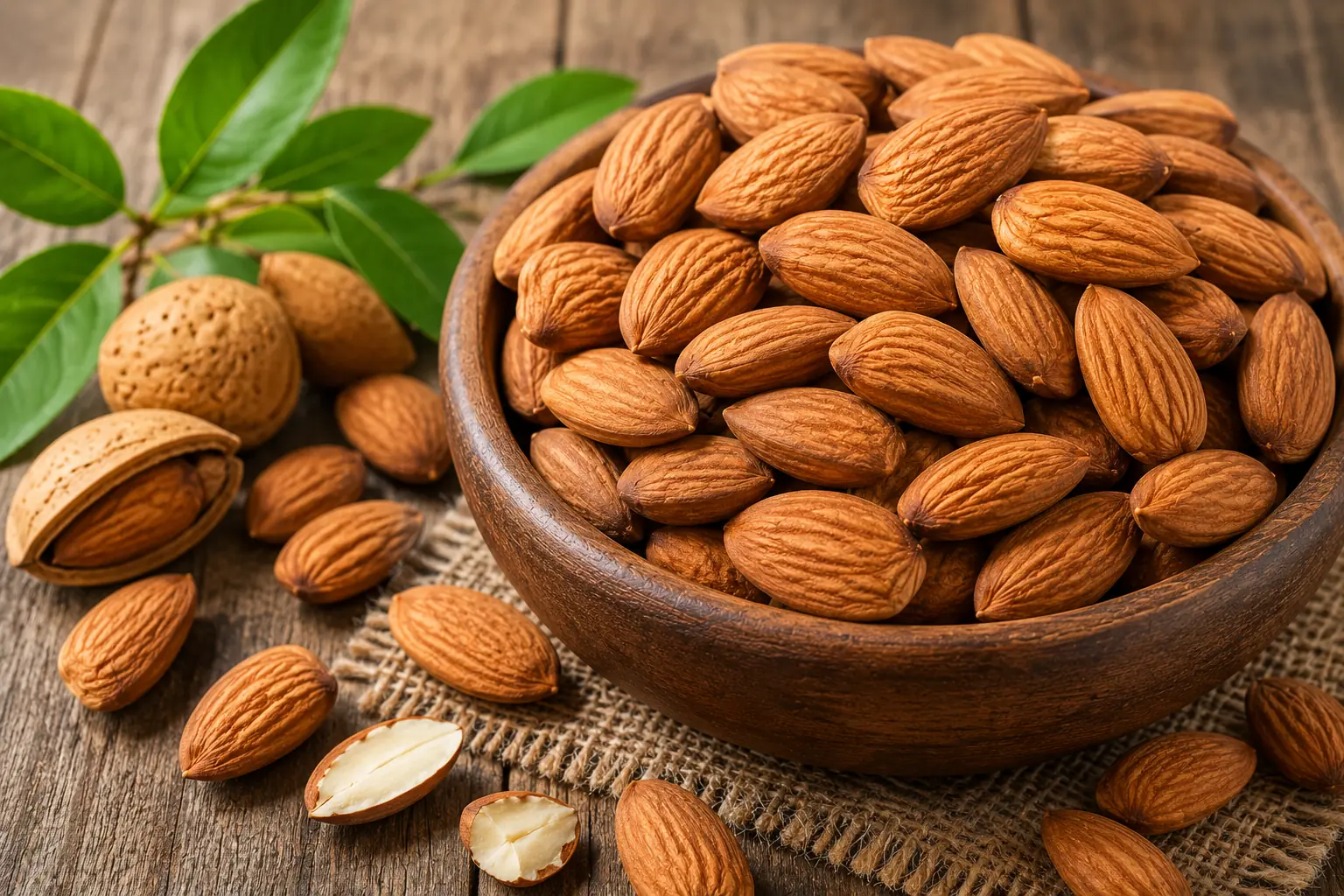
Almonds provide slightly more, approximately 6.01 g of protein in 1 ounce.2
The recommended dietary allowance (RDA) for protein varies based on age, sex, and activity level. According to the Dietary Guidelines for Americans, 2025–2030, adults are advised to consume 1.2 to 1.6 g of protein per kilogram of body weight, which is more than advised in previous guidelines.78 People who are more physically active may benefit from a higher protein intake.
Protein supports the formation of bones, cartilage, muscles, blood, skin, enzymes, hormones, and vitamins.9 It is also essential for growth, development, cell repair, blood clotting, fluid balance, and immune function.
 How Do Their Vitamins and Minerals Compare?
Cashews and almonds provide a variety of essential vitamins and minerals.
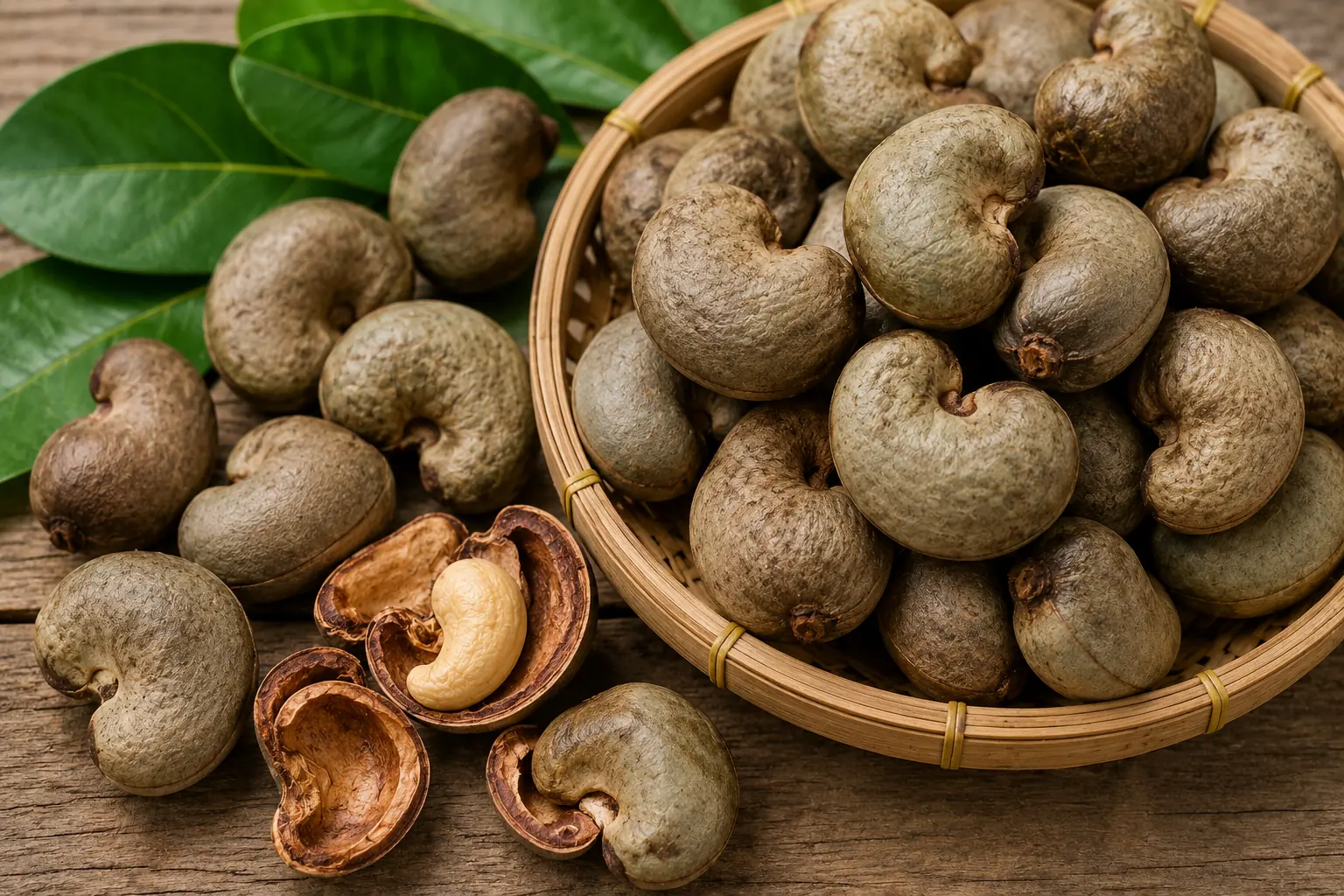
Vitamin B6:Cashews are a richer source of vitamin B6 compared to almonds, providing 0.118 milligrams (mg) per ounce, while almonds offer only 0.039 mg per ounce.
The recommended daily intake of vitamin B6 for adults ranges from 1.3 to 1.7 mg, depending on age and sex.
Vitamin K:Cashews provide a significant amount of vitamin K, delivering 9.67 micrograms (mcg) per ounce.1 On the other hand, almonds contain no vitamin K.2 For adults, the recommended daily intake of vitamin K is 120 micrograms for men and 90 micrograms for women.
Calcium:Cashews contain 10.5 mg of calcium per ounce, which is modest compared to nuts like almonds, which supply 76.3 mg per ounce.12 The recommended daily calcium intake is 1,000 mg for adult males and 1,200 mg for adult females.
Magnesium:Cashews and almonds are both rich in magnesium. One ounce of cashews provides 82.8 mg of magnesium, while the same amount of almonds offers 76.5 mg.12 The recommended maximum daily intake of magnesium is 420 mg for men and 320 mg for women.
Iron:Cashews and almonds are notable sources of iron. One ounce of cashews provides 1.89 mg of iron, while the same serving of almonds contains 1.05 mg.12 The recommended daily intake of iron is 8 mg for men and 18 mg for women.
Zinc:Cashews and almonds both provide zinc, with cashews offering 1.64 mg per ounce and almonds supplying 0.885 mg per ounce.12 Adult men require 11 mg of zinc daily, while adult women need 8 mg.
How Can You Include Cashews and Almonds in Your Diet?
Delicious ways to enjoy cashews and almonds include:
Creamy bases: Blend them to create rich, creamy textures for soups, sauces, and chilis.
Sweet treats: Incorporate them into baked goods or healthy desserts, such as granola bars or trail mix.
Recipes: Toast them and add for extra crunch and flavor in your favorite dishes.
Salads: Sprinkle them on top to enhance texture and taste.
Oatmeal and yogurt: Stir them into oatmeal or yogurt for added nutrition.
Snacks: Savor them on their own as a wholesome, satisfying snack.
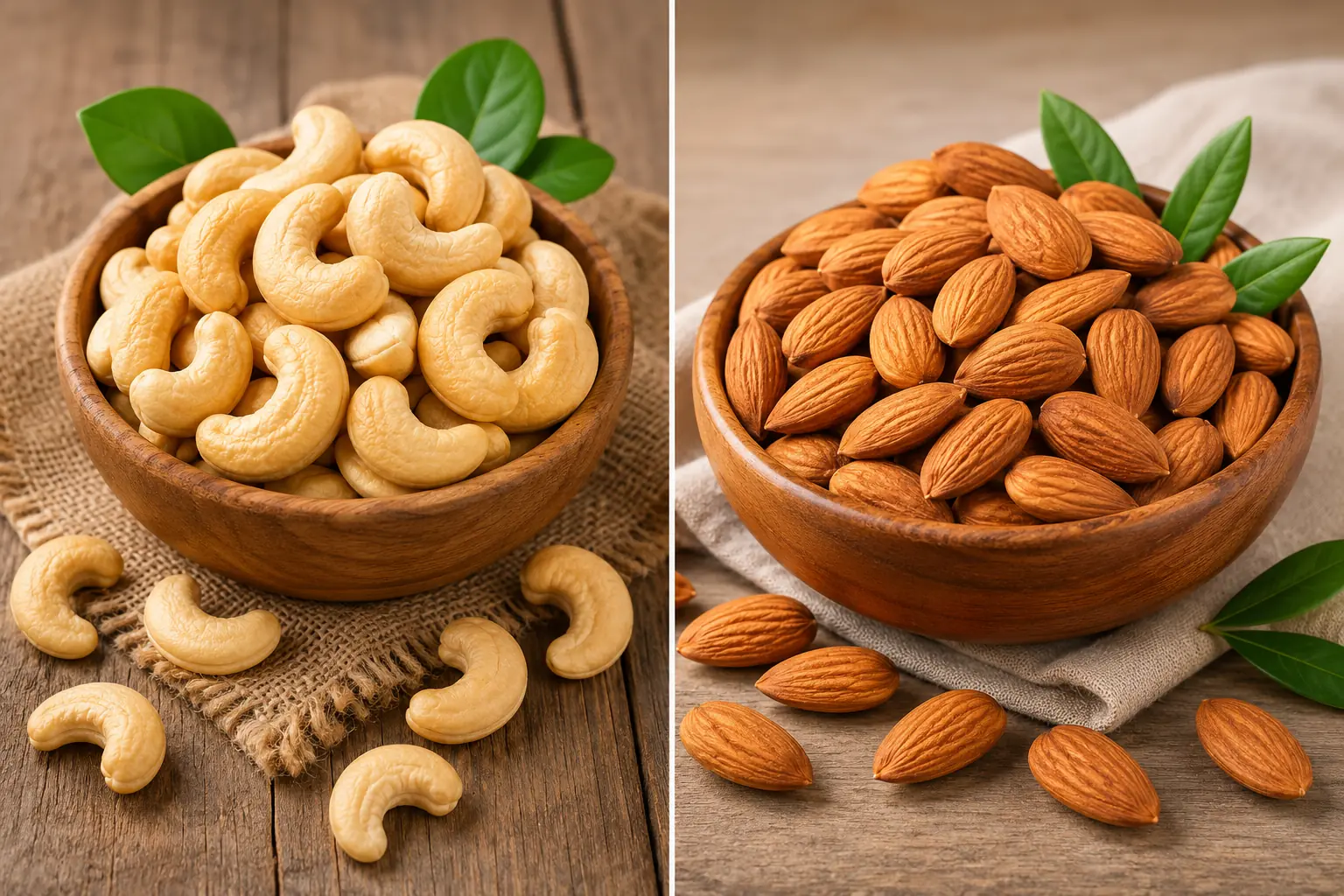 Nuts can be a great addition to a balanced diet. Studies show that incorporating approximately 1 ounce of nuts per day into your diet is associated with about a 20% decrease in the risk of heart disease and overall mortality, and a 10% reduction in cancer death compared to people who do not consume nuts.