Home remedies have been passed down through generations, and many continue to attract attention online. One combination that has gained popularity is castor oil and baking soda. Supporters claim that mixing these two common household ingredients can relieve joint pain, improve skin conditions, remove cysts, treat fungal infections, reduce inflammation, and even detoxify the body.
While castor oil and baking soda each have legitimate uses, many of the dramatic health claims circulating on social media are not supported by strong scientific evidence. Some uses are based on traditional practices or limited research, while others remain unproven.
Understanding what these ingredients can—and cannot—do can help you make informed decisions about your health.
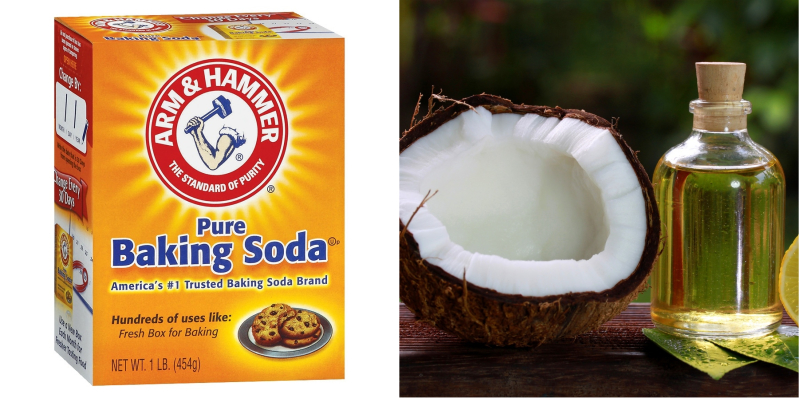
What Is Castor Oil?
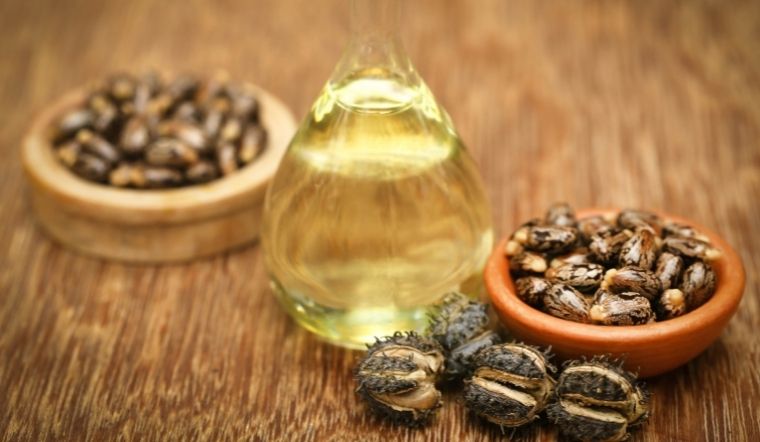
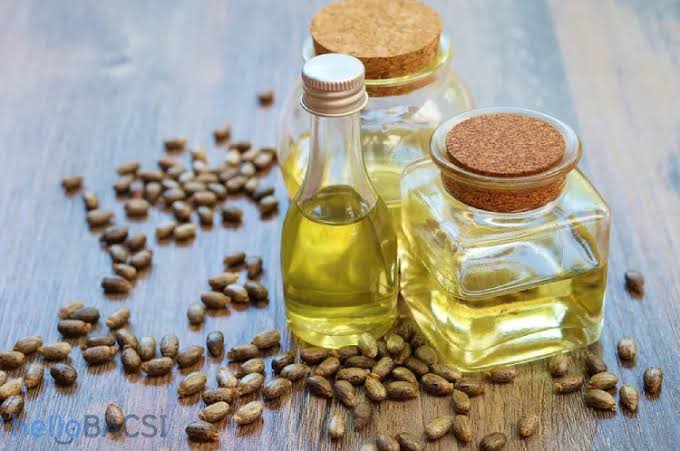
Castor oil is a vegetable oil extracted from the seeds of the Ricinus communis plant.
It contains several fatty acids, with ricinoleic acid making up the majority of its composition.
For centuries, castor oil has been used in traditional medicine and personal care products.
Today, it is commonly found in:
-
Moisturizers
-
Hair products
-
Cosmetics
-
Massage oils
-
Some over-the-counter laxatives
Its thick consistency makes it useful as a skin-conditioning ingredient.
What Is Baking Soda?
Baking soda, or sodium bicarbonate, is a naturally occurring alkaline compound.
It has many household uses, including:
-
Baking
-
Cleaning
-
Deodorizing
-
Neutralizing acids
In medicine, sodium bicarbonate is sometimes used under professional supervision for specific conditions, such as certain acid-base imbalances.
However, household baking soda should not be viewed as a treatment for multiple diseases.
Why Are People Combining Castor Oil and Baking Soda?
Online posts often recommend making a paste by mixing castor oil with baking soda and applying it to the skin.
Common claims include that it may help with:
-
Dry skin
-
Calluses
-
Minor skin irritation
-
Joint discomfort
-
Muscle soreness
-
Fungal infections
-
Age spots
-
Skin tags
Let's examine what current evidence suggests.
1. May Help Moisturize Dry Skin
One of the best-supported uses of castor oil is as a moisturizer.
Because it is rich in fatty acids, castor oil helps reduce water loss from the skin by forming a protective barrier.
People with dry elbows, heels, or hands may find it beneficial as part of a moisturizing routine.
Adding baking soda is unlikely to improve this moisturizing effect and, in some people, may actually increase skin irritation because of its abrasive and alkaline nature.
2. May Temporarily Soften Rough Skin
A small amount of castor oil can soften rough patches of skin.
Combined with gentle exfoliation, this may improve the appearance of:
-
Dry heels
-
Elbows
-
Knees
-
Thickened skin
Baking soda has mild abrasive properties, but frequent scrubbing may damage the skin barrier, especially on sensitive skin.
Gentle exfoliation no more than once or twice a week is generally sufficient.
3. Can It Relieve Joint or Muscle Discomfort?
Some people apply warm castor oil packs over sore joints or muscles.
There is limited scientific evidence that castor oil packs may provide temporary comfort, possibly because of:
-
Warmth
-
Massage
-
Relaxation
However, there is no strong evidence that castor oil or baking soda treats arthritis, tendon injuries, or chronic joint diseases.
Persistent pain should be evaluated by a healthcare professional.
4. Can It Treat Fungal Infections?
This is a common claim online.
Laboratory studies suggest that certain compounds found in castor oil may have antimicrobial properties.
Likewise, baking soda may alter surface pH under certain conditions.
However, there is insufficient clinical evidence that a castor oil and baking soda mixture effectively treats fungal infections such as athlete's foot or nail fungus.
Persistent fungal infections usually require antifungal medications.
5. May Help Remove Makeup and Condition the Skin
Castor oil is frequently included in cleansing oils because it helps dissolve makeup, sunscreen, and excess skin oils.
When used appropriately and rinsed away, it can leave skin feeling soft.
Baking soda should generally not be added to facial cleansers, as it may disrupt the skin's natural protective barrier and increase irritation.
6. Does It Remove Skin Tags or Warts?
Many internet posts recommend applying castor oil and baking soda to skin tags or warts.
Currently, there is no high-quality scientific evidence confirming that this combination safely or effectively removes these skin growths.
Attempting to remove skin lesions at home may lead to:
-
Infection
-
Bleeding
-
Scarring
-
Delayed diagnosis of skin cancer
Any new or changing skin growth should be evaluated by a healthcare professional.
7. Can It Reduce Inflammation?
Both castor oil and ricinoleic acid have been studied for potential anti-inflammatory effects in laboratory and animal research.
However, human evidence remains limited.
If any benefit occurs, it is likely modest and should not replace evidence-based treatments for inflammatory conditions.
8. Does It Detoxify the Body?
One of the most widespread myths is that castor oil and baking soda "draw toxins out through the skin."
There is no scientific evidence supporting this claim.
The body already has highly efficient detoxification systems, including:
-
The liver
-
The kidneys
-
The digestive system
-
The lungs
Healthy skin acts primarily as a protective barrier rather than a detoxification organ.
How to Use Castor Oil Safely on the Skin
If you wish to use castor oil for skin care, simple is often best.
Basic Moisturizing Method
-
Wash and dry the skin.
-
Apply a small amount of castor oil.
-
Massage gently.
-
Leave overnight or rinse after several hours if desired.
Because castor oil is thick, many people mix it with lighter oils such as:
-
Jojoba oil
-
Sweet almond oil
-
Coconut oil (if tolerated)
Always perform a patch test before widespread use.
Should You Mix It With Baking Soda?
For most skincare purposes, there is little evidence that adding baking soda provides additional benefits.
In fact, baking soda may:
-
Increase dryness.
-
Cause redness.
-
Disrupt the skin's natural acidic barrier.
-
Irritate sensitive skin.
People with eczema, rosacea, or sensitive skin should be especially cautious.
Possible Side Effects
Although castor oil is generally well tolerated on the skin, side effects can occur.
These include:
-
Skin irritation
-
Allergic reactions
-
Rash
-
Itching
Baking soda may also cause:
-
Dryness
-
Burning
-
Skin irritation
-
Increased sensitivity
If irritation develops, discontinue use immediately.
Who Should Avoid These Remedies?
Consult a healthcare professional before using castor oil or baking soda if you have:
-
Open wounds
-
Severe eczema
-
Psoriasis
-
Active skin infections
-
Known allergies
-
Chronic skin conditions
Do not apply homemade mixtures to broken skin without medical advice.
Better Evidence-Based Ways to Support Healthy Skin
Rather than relying on internet remedies alone, dermatologists generally recommend:
Moisturize Daily
Use fragrance-free moisturizers after bathing.
Protect Your Skin From the Sun
Daily sunscreen helps reduce premature skin aging and lowers the risk of skin cancer.
Stay Hydrated
Adequate fluid intake supports overall health, although hydration alone does not eliminate dry skin.
Eat a Balanced Diet
Foods rich in vitamins, minerals, healthy fats, and antioxidants support skin health from within.
Treat Medical Skin Conditions Promptly
Persistent rashes, infections, or unusual skin growths should be assessed by a qualified healthcare professional.
Common Myths About Castor Oil and Baking Soda
Myth 1: It Dissolves Cysts
False.
There is no reliable scientific evidence that applying castor oil and baking soda can dissolve cysts.
Medical evaluation is recommended for enlarging or painful cysts.
Myth 2: It Cures Arthritis
False.
Neither ingredient has been proven to cure arthritis or reverse joint damage.
Myth 3: It Removes Toxins Through the Skin
False.
The skin is not a primary detoxification organ.
Myth 4: Natural Means Completely Safe
False.
Natural ingredients can still cause allergic reactions, irritation, and unwanted side effects.
When Should You See a Doctor?
Seek medical advice if you experience:
-
Persistent joint pain.
-
Rapidly growing skin lesions.
-
Painful cysts.
-
Severe rashes.
-
Signs of skin infection, including redness, warmth, swelling, or pus.
-
Symptoms that do not improve with appropriate care.
Home remedies should never delay diagnosis or treatment of potentially serious conditions.
Final Thoughts
Castor oil and baking soda have each earned a place in traditional home care for different reasons. Castor oil is a well-known moisturizer that may help soften dry skin and support a healthy skin barrier, while baking soda has practical household uses and can act as a gentle abrasive in certain situations. However, current scientific evidence does not support many of the dramatic health claims made about combining these two ingredients, particularly those involving detoxification, cyst removal, arthritis treatment, or curing fungal infections.
If you choose to use castor oil for skincare, it is generally best to keep the routine simple, perform a patch test first, and avoid mixing it with potentially irritating ingredients unless advised by a healthcare professional. Long-term skin and joint health are far more likely to benefit from evidence-based habits such as regular moisturizing, sun protection, a balanced diet, physical activity, and appropriate medical care when needed.