Being mindful of your negative news habit can help you bring it to an end.
There’s a reason “doomscrolling” sounds like a bleak term: It is.
The word captures our tendency to go online and consume bad news in bunches — often to the point of causing emotional or physical harm. It’s a habit that can plunge you into a dark and depressing place.
 So, why do we do it? And more importantly, how can we stop?
What does doomscrolling mean?
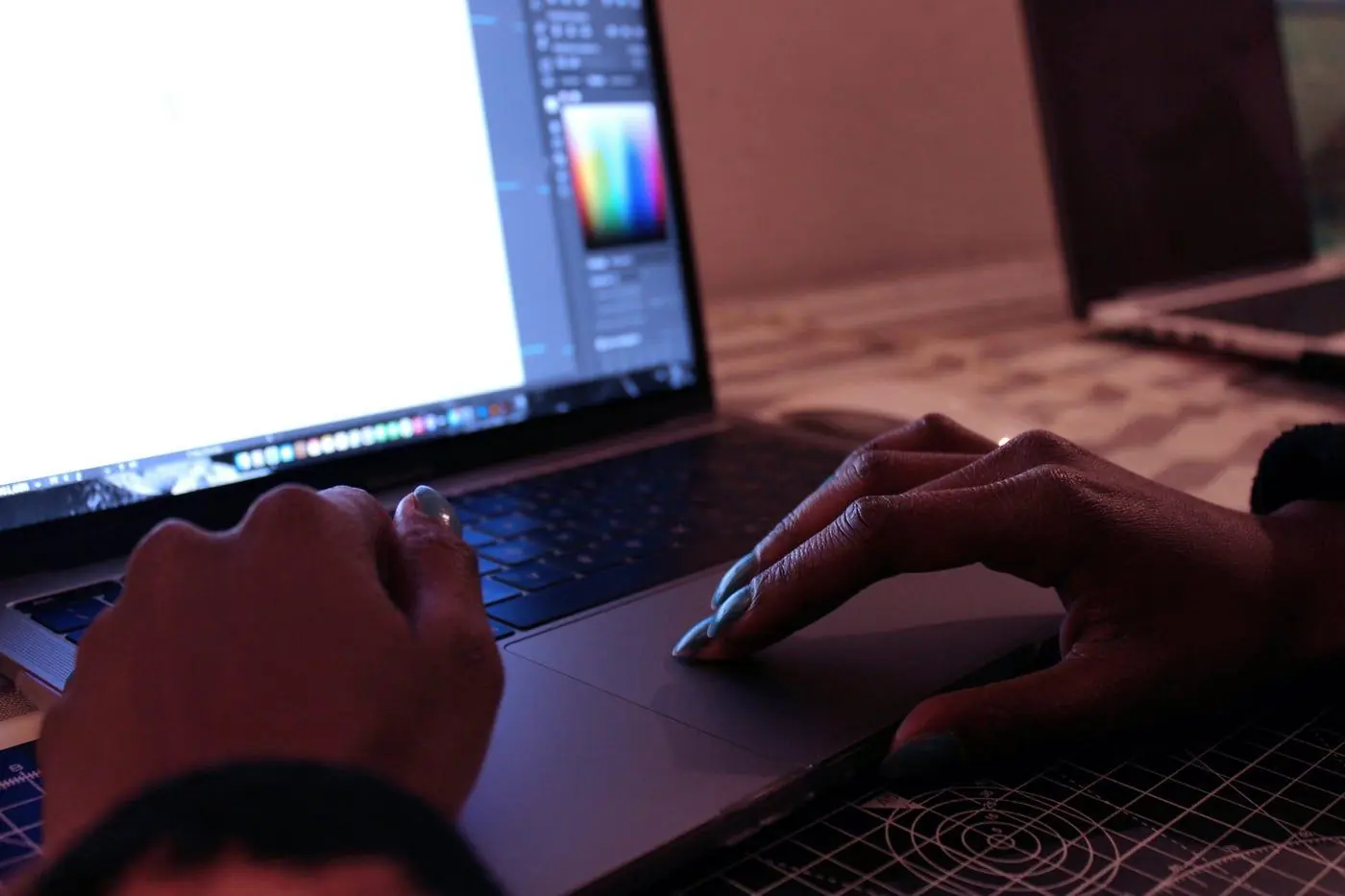
Doomscrolling is the habit of endlessly scrolling through upsetting or negative content online — even when it makes you feel worse. It often happens on social media or news apps, where one alarming post after another keeps you hooked.
Over time, this barrage of negativity can take a toll on your mental and physical health, says Dr. Albers. It can darken your view of the world while creating stress, anxiety and mental fatigue.
“It can be like stepping into quicksand,” Dr. Albers illustrates. “The negativity can pull you under quickly.”
Why do we do it?We tend to doomscroll because our brains want updates when the world feels uncertain or threatening. Once you start searching out news, you get locked into wanting even more information.
“It can become a mindless habit,” says Dr. Albers. “A lot of times, you might not even be aware you’re doing it. But once you have a spare moment, you pick up your phone and start scrolling. It becomes second nature.”
As you’re doing it, you may tell yourself you’re just trying to stay in the know. It’s good to be informed, right?
But there may be something deeper at play.
“We often look for information that confirms how we feel when we’re depressed,” she continues. “Doomscrolling operates with the same mindset: If you’re feeling negative, then reading negative content only reconfirms how you feel.”
Some research shows that men and younger adults doomscroll more than women and older adults. However, other studies say that women may be more likely to doomscroll.
Signs to watch for
Most of us spend hours a day on our phones. So, when does usage cross the line to doomscrolling? Here are some common signs:
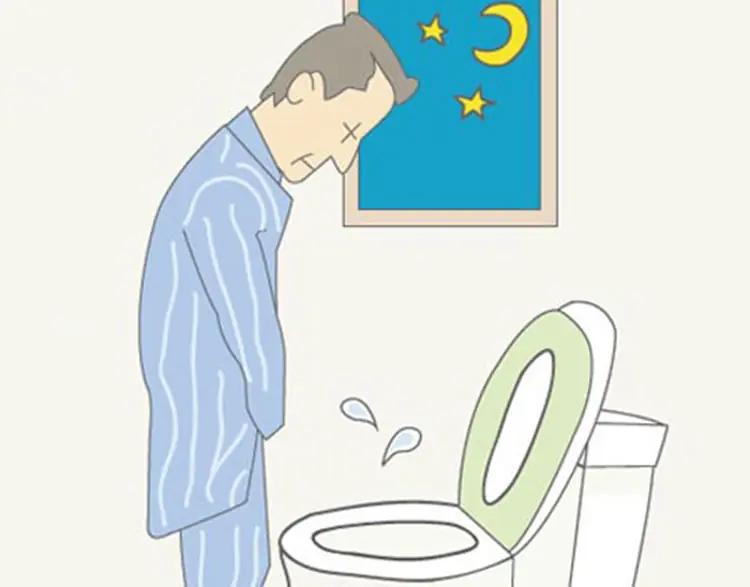
You check social media or news apps first thing in the morning or late at night.
You feel a strong urge to stay updated “just in case.”
You refresh feeds repeatedly, looking for updates.
You lose track of time as one upsetting post leads to another.
You feel anxious, stressed or drained while reading but continue anyway (or keep returning).
Your sleep, productivity or peace of mind starts to be affected.
You have trouble focusing on anything else.
The negative effects of doomscrolling
Doomscrolling can ripple through your mind, body and daily habits. It can affect you:
Mentally: Doomscrolling can heighten anxiety and stress while creating a sense of helplessness and despair. Over time, it can also lead to mental fatigue and difficulty concentrating.
Physically: Spending long stretches glued to upsetting content can disrupt sleep, especially if you scroll at night. Nonstop negativity may also leave you feeling tense, exhausted or overstimulated. Headaches can occur, too.
Behaviorally: Compulsive scrolling can pull you away from real-life activities and interfere with your work, relationships and daily routines. Negative news can also leave you with a sour outlook on life.
Biologically, doomscrolling feeds your brain a continual stream of cortisol, also known as the stress hormone. Over time, high levels of cortisol can cause a variety of mental and physical health issues.
Tips to stop doomscrollingThere are steps you can take to reduce the urge to dive into the bad news abyss. Dr. Albers shares these seven tips to help you break your doomscrolling habit.
1. Set boundariesIt’s OK to read some news to stay informed, but boundaries are crucial: “When it comes to doomscrolling, this means setting some parameters for when, where and for how long you read the news,” advises Dr. Albers.
To do this, you can:
Move your phone. Put your phone out of reach — or maybe even in another room entirely — so you can’t just mindlessly grab it and start scrolling.
Set time limits. Use technology to your advantage so you don’t lose hours doomscrolling. Tools like your phone’s alarm app can help you stick to healthier boundaries online.
Curate your feeds. Unfollow negative news sources or those that tend to make you anxious. Putting a cap on the number of sites you read in one day or even one sitting can help limit doomscrolling, too.
2. Ask ‘why’ you’re checking your phoneChecking your phone can become something you do automatically and without much thought. Dr. Albers encourages you to become more mindful about your phone habits to limit doomscrolling.
When you do pick up your phone, pause for a moment and ask yourself if there’s a legitimate reason why. If there’s not, try a cognitive behavioral technique known as thought-stopping to halt the impulse.
“When you have difficulty turning off a thought, imagine a red stop sign,” instructs Dr. Albers. “The power of imagination can help curb your thinking.”
3. Slow your scrollFocusing on what you’re reading may help limit seemingly endless scrolling. The reason? Consistently zipping through posts and videos shortens your attention span, which further fuels your scrolling habit.
“Consciously and consistently remind yourself to ‘pace, don’t race’ through articles and posts,” Dr. Albers advises.
4. Notice how you feelPay attention to your physical and mental response to doomscrolling. Is your neck stiff from staring down at the screen? Is your heart racing from what you read? Do you suddenly feel incredibly sad?
“Try to be mindful of the way an article, story, post or video makes you feel,” says Dr. Albers. “Notice any negative sensations. That’s your body and mind telling you to stop.”
5. Stay busy
It’s difficult to spend time doomscrolling if you’re doing something else. So, head out for a walk or hit the gym. Make plans with a friend. Pamper yourself with an act of self-care. Volunteer at a local charity to add some “good” to the world.
“Take control over what is happening right now,” encourages Dr. Albers.
6. Consider disconnectingSometimes, you just have to go analog for a bit. If you can’t stop doomscrolling, you may need to take a social media break. Take a breather and start fresh later on (if you want to come back at all).
Use the time away from social media to reconnect with people and activities you enjoy.
“The No. 1 benefit of reducing your social media time is learning to be more present in your own life,” says Dr. Albers.
 7. Ask for help
If you can’t seem to break your doomscrolling ways, consider seeking help from a therapist who specializes in cognitive behavioral therapy. This structured, goal-oriented type of talk therapy can help you get to the root of the habit.
Final thoughts
Is there a way to find a silver lining in doomscrolling? Perhaps, says Dr. Albers. If you find yourself mired in a feed of bad news, use it as an opportunity to reflect on what you have to be thankful for.
“If you find yourself sinking into doomscrolling, ask yourself to find the nugget of gold from this behavior,” she recommends. “What does it tell you to be grateful for or to appreciate in your life?”