Gout is one of the most common forms of inflammatory arthritis, affecting millions of people worldwide. It develops when high levels of uric acid in the blood lead to the formation of tiny urate crystals in the joints, causing sudden episodes of severe pain, swelling, redness, and stiffness.
Although medications are often necessary to control gout, diet also plays an important role in managing the condition. Certain foods are naturally high in purines, substances that the body breaks down into uric acid. Eating large amounts of these foods may contribute to higher uric acid levels and increase the likelihood of gout flare-ups in some individuals.
However, it's important to remember that diet is only one factor affecting gout. Genetics, kidney function, body weight, alcohol consumption, medications, and overall health also influence uric acid levels.
Here's what current evidence says about foods that people with gout may want to limit and what they can eat instead.
What Is Gout?
Gout is a type of arthritis caused by excess uric acid in the bloodstream.
When uric acid levels remain elevated, crystals may collect in joints, commonly affecting:
-
The big toe
-
Ankles
-
Knees
-
Feet
-
Wrists
-
Fingers
-
Elbows
A gout attack often develops suddenly and may wake a person during the night because of intense joint pain.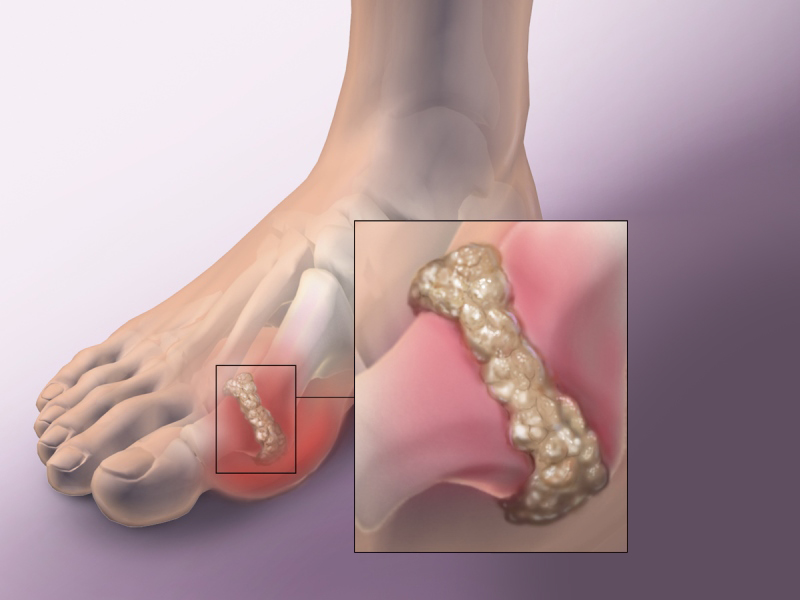
What Is Uric Acid?
Uric acid is produced when the body breaks down purines, compounds found naturally in:
-
Human cells
-
Many foods
Normally, uric acid dissolves in the blood, passes through the kidneys, and leaves the body in urine.
Problems develop when:
-
The body produces too much uric acid, or
-
The kidneys cannot remove enough of it.
Foods That May Increase Uric Acid Levels
1. Organ Meats
Organ meats are among the richest dietary sources of purines.
Examples include:
-
Liver
-
Kidney
-
Heart
-
Sweetbreads
Regular consumption may increase uric acid production in susceptible individuals.
Most healthcare professionals recommend limiting these foods if you have gout.
2. Certain Seafood
Some seafood contains relatively high amounts of purines.
Examples include:
-
Anchovies
-
Sardines
-
Herring
-
Mackerel
-
Mussels
-
Scallops
This does not mean seafood must be completely avoided.
Moderation is usually recommended, and fish with lower purine content can often remain part of a healthy diet.
3. Red Meat
Large amounts of:
-
Beef
-
Lamb
-
Pork
-
Venison
may contribute to increased uric acid levels when eaten frequently.
Lean portions consumed in moderation are generally preferable to excessive intake.
4. Alcohol
Alcohol is a well-known trigger for gout attacks.
Beer appears to have one of the strongest associations because it contains both alcohol and purines from brewer's yeast.
Spirits and excessive wine consumption may also increase risk.
Alcohol may contribute by:
-
Increasing uric acid production
-
Reducing the kidneys' ability to remove uric acid
Limiting alcohol is often recommended for people with gout.
5. Sugar-Sweetened Beverages
Soft drinks and sweetened beverages containing high-fructose corn syrup or large amounts of added sugar may raise uric acid production.
Examples include:
-
Regular soda
-
Sweetened fruit drinks
-
Energy drinks
-
Sweetened iced tea
Choosing water or unsweetened beverages is generally a healthier option.
6. Foods High in Added Sugar
Excess sugar intake may contribute to:
-
Weight gain
-
Insulin resistance
-
Elevated uric acid levels
Foods to enjoy only occasionally include:
-
Candy
-
Cakes
-
Cookies
-
Sweet desserts
Reducing added sugars benefits overall health in addition to gout management.
Foods That Are Generally Safe
Many nutritious foods contain low or moderate amounts of purines and can usually be enjoyed as part of a balanced diet.
Examples include:
-
Most vegetables
-
Fruits
-
Whole grains
-
Low-fat dairy products
-
Eggs
-
Nuts
-
Seeds
-
Beans (for most people)
Interestingly, although some vegetables contain purines, research suggests they do not appear to increase gout risk in the same way as high-purine animal foods.
Examples include:
-
Spinach
-
Mushrooms
-
Asparagus
-
Cauliflower
There is generally no need to avoid these vegetables unless advised otherwise by your healthcare provider.
Foods That May Help Support Gout Management
Low-Fat Dairy Products
Research suggests low-fat dairy foods may be associated with a lower risk of gout.
Examples include:
-
Milk
-
Yogurt
-
Cottage cheese
Cherries
Some studies suggest cherries and tart cherry products may reduce the frequency of gout flare-ups in certain individuals.
More research is still needed, but moderate consumption of cherries may be a healthy addition to the diet.
Coffee
Some observational studies have linked moderate coffee consumption with lower uric acid levels in certain populations.
However, coffee should not be considered a treatment for gout.
Vitamin C-Rich Foods
Vitamin C may have a modest uric acid-lowering effect.
Healthy sources include:
-
Oranges
-
Strawberries
-
Bell peppers
-
Kiwi
-
Broccoli
High-dose vitamin C supplements should only be used after discussing them with your healthcare provider.
The Importance of Staying Hydrated
Water helps the kidneys remove uric acid from the body.
Aim to drink enough fluids throughout the day unless your healthcare provider has recommended fluid restrictions.
Good hydration may reduce the likelihood of crystal formation.
Does Weight Matter?
Yes.
Excess body weight increases the risk of gout.
Gradual, sustainable weight loss—when appropriate—may help reduce uric acid levels and decrease the frequency of gout attacks.
Crash diets or prolonged fasting should be avoided because they may temporarily increase uric acid levels.
Lifestyle Habits That Support Gout Management
Healthy daily habits include:
-
Staying physically active.
-
Maintaining a healthy weight.
-
Drinking enough water.
-
Limiting alcohol.
-
Choosing a balanced diet.
-
Following prescribed medications consistently.
Diet works best when combined with appropriate medical treatment.
Common Myths About Gout
Myth 1: People With Gout Must Avoid All Meat
False.
Most guidelines recommend limiting, not necessarily eliminating, high-purine meats.
Moderation is key.
Myth 2: Vegetables Cause Gout Because They Contain Purines
False.
Purine-rich vegetables have not been shown to increase gout risk the way certain animal foods do.
Myth 3: Diet Alone Can Cure Gout
False.
For many people, medication is necessary to control uric acid levels and prevent long-term joint damage.
Diet supports treatment but does not replace it.
When Should You See a Doctor?
Seek medical evaluation if you experience:
-
Sudden severe joint pain.
-
Swollen, red, and warm joints.
-
Recurrent gout attacks.
-
Fever accompanying joint pain.
-
Difficulty walking because of joint swelling.
Your healthcare provider may recommend blood tests, joint fluid analysis, or imaging studies to confirm the diagnosis and determine the best treatment.
Preventing Future Gout Flare-Ups
Long-term gout management often includes:
-
Taking uric acid-lowering medications if prescribed.
-
Monitoring uric acid levels.
-
Following a balanced eating plan.
-
Staying well hydrated.
-
Maintaining a healthy weight.
-
Attending regular medical follow-up appointments.
These strategies help reduce the risk of future attacks and protect joint health.
Final Thoughts
Diet plays an important role in gout management, but it is only one piece of the puzzle. Foods such as organ meats, certain seafood, large amounts of red meat, alcohol, sugar-sweetened beverages, and foods high in added sugars may contribute to higher uric acid levels and increase the likelihood of gout flare-ups in some people. At the same time, nutritious foods such as vegetables, fruits, whole grains, low-fat dairy products, and adequate water intake can support overall health and may help with long-term gout management.
Rather than eliminating large groups of foods, most people benefit from a balanced approach that emphasizes moderation, healthy lifestyle habits, and adherence to prescribed treatment. If you have gout or elevated uric acid levels, work with your healthcare provider or a registered dietitian to develop a personalized eating plan that meets your nutritional needs while helping reduce future flare-ups.