Eggs are one of the most nutritious and versatile foods in the world. They provide high-quality protein, essential vitamins, minerals, and healthy fats, making them a staple in many households. Whether scrambled, boiled, poached, or baked into your favorite recipes, eggs can be part of a balanced and healthy diet.
However, like many raw animal products, eggs can sometimes carry harmful bacteria, including Salmonella, which may cause foodborne illness if eggs are not stored, handled, or cooked properly. Fortunately, following a few simple food safety practices can significantly reduce this risk.
Understanding how to choose, store, prepare, and cook eggs safely can help protect you and your family while allowing you to enjoy all the nutritional benefits eggs have to offer.
Why Egg Safety Matters
Most eggs sold in supermarkets are safe to eat when handled correctly.
However, harmful bacteria may occasionally be present:
-
On the eggshell
-
Inside the egg before the shell forms (less common)
-
On surfaces that come into contact with raw eggs
Foodborne illnesses can affect anyone, but certain groups have a higher risk of serious complications, including:
-
Young children
-
Older adults
-
Pregnant women
-
People with weakened immune systems
For these individuals, extra caution is especially important.
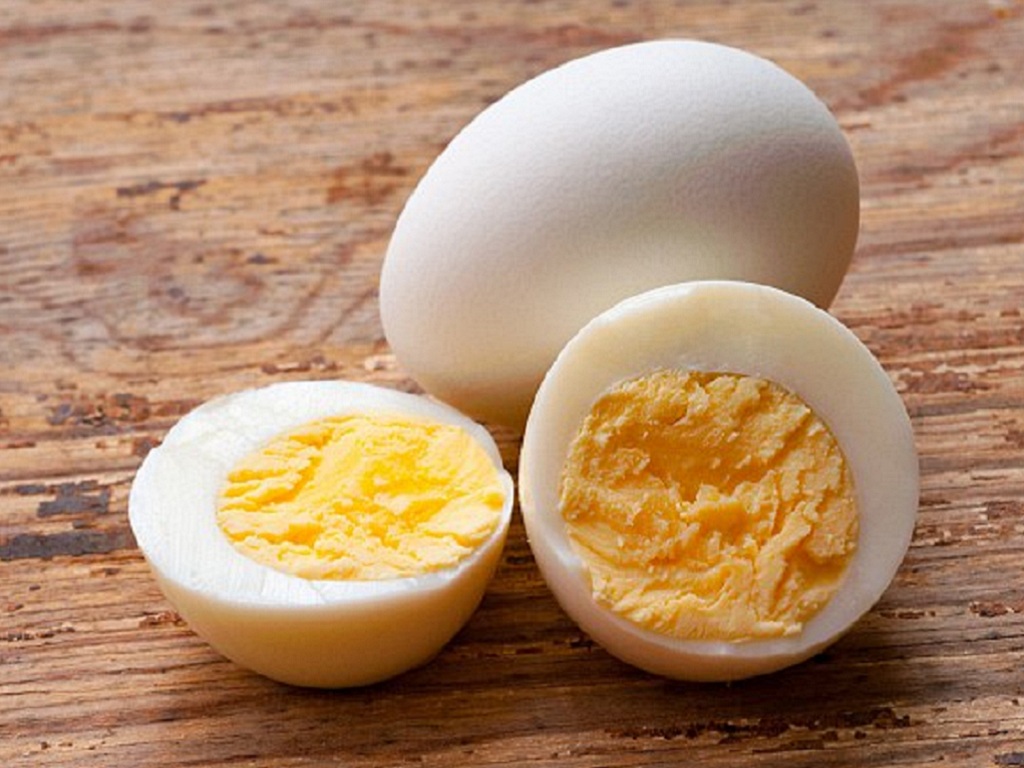
1. Buy Eggs from Reliable Sources
Choose eggs that come from reputable stores or producers.
When shopping:
-
Check the expiration or "best before" date.
-
Make sure the carton is clean and undamaged.
-
Avoid cartons with cracked eggs.
-
Purchase refrigerated eggs if refrigeration is recommended where you live.
Buying fresh, properly handled eggs is the first step in food safety.
2. Refrigerate Eggs Promptly
Proper storage helps slow bacterial growth.
Keep eggs:
-
Refrigerated as soon as possible after purchase.
-
At a consistent cold temperature.
-
In their original carton.
The carton helps protect eggs from absorbing odors and losing moisture.
Avoid storing eggs in the refrigerator door, where temperatures fluctuate each time the door is opened.
Instead, place them on a middle shelf where the temperature remains more stable.
3. Don't Use Cracked Eggs
A cracked shell makes it easier for bacteria to enter the egg.
Discard eggs that:
-
Have large cracks.
-
Leak liquid.
-
Smell unusual.
-
Show signs of spoilage.
Even small cracks can increase contamination risk.
4. Wash Your Hands After Handling Raw Eggs
Raw eggs can transfer bacteria to your hands.
Wash your hands thoroughly with soap and water:
-
Before preparing food.
-
After touching raw eggs.
-
After cleaning egg spills.
-
Before handling ready-to-eat foods.
Hand hygiene remains one of the simplest ways to prevent foodborne illness.
5. Prevent Cross-Contamination
Bacteria from raw eggs can spread to other foods and kitchen surfaces.
Avoid using the same:
-
Cutting boards
-
Bowls
-
Utensils
-
Countertops
without washing them thoroughly after contact with raw eggs.
Keep raw eggs away from foods that will not be cooked, such as salads or fresh fruit.
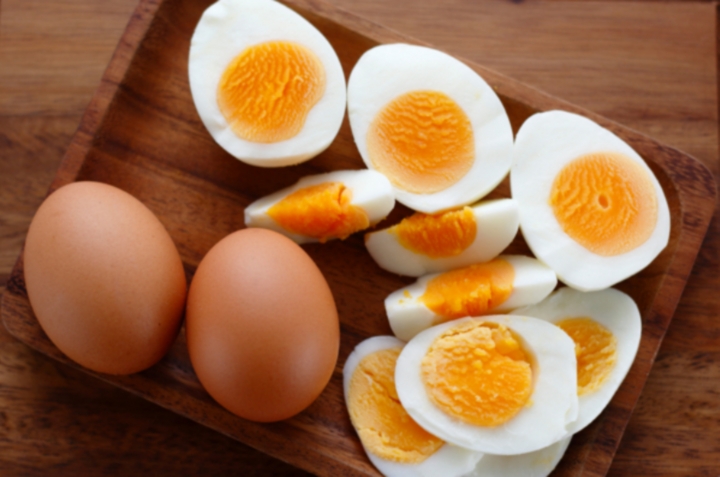
6. Cook Eggs Thoroughly
Cooking eggs to a safe temperature helps destroy harmful bacteria.
In general:
-
Egg whites should be fully set.
-
Egg yolks should be firm unless using pasteurized eggs where appropriate.
Recipes containing raw or lightly cooked eggs may present a higher risk of foodborne illness.
Examples include:
-
Homemade mayonnaise
-
Some dessert mousses
-
Certain salad dressings
-
Homemade ice cream
-
Traditional eggnog
If preparing these foods, consider using pasteurized eggs.
7. Refrigerate Leftovers Quickly
Cooked egg dishes should not remain at room temperature for extended periods.
Refrigerate leftovers promptly and store them in clean, covered containers.
When reheating:
-
Heat thoroughly before serving.
Proper storage helps reduce bacterial growth.
8. Be Careful with Raw Egg Recipes
Some recipes traditionally use raw eggs.
Whenever possible:
-
Choose pasteurized eggs.
-
Follow safe food handling practices.
-
Keep ingredients refrigerated.
This is particularly important if serving:
-
Children
-
Pregnant women
-
Older adults
-
People with weakened immune systems
Nutritional Benefits of Eggs
Eggs are highly nutritious and provide many essential nutrients.
They contain:
-
High-quality protein
-
Vitamin B12
-
Vitamin D
-
Choline
-
Selenium
-
Riboflavin
-
Healthy fats
These nutrients support:
-
Muscle maintenance
-
Brain function
-
Red blood cell production
-
Bone health
-
Eye health
For most healthy people, moderate egg consumption can fit into a balanced diet.
Recognizing Foodborne Illness
Symptoms of foodborne illness can vary depending on the cause.
Common symptoms include:
-
Diarrhea
-
Vomiting
-
Stomach cramps
-
Fever
-
Nausea
-
Headache
Symptoms may begin within hours or several days after consuming contaminated food.
Most healthy adults recover without complications, but some cases require medical attention.
When Should You Seek Medical Care?
Contact a healthcare professional if foodborne illness causes:
-
Persistent high fever
-
Severe dehydration
-
Bloody diarrhea
-
Symptoms lasting several days
-
Difficulty keeping fluids down
Infants, older adults, pregnant women, and individuals with weakened immune systems should seek medical advice promptly if symptoms are severe.
Common Myths About Eggs
Myth: Dirty eggs are fresher.
Fact: Clean eggs from reliable sources are generally safer.
Myth: You can tell whether an egg is contaminated by looking at it.
Fact: Harmful bacteria cannot usually be seen, smelled, or tasted.
Myth: Refrigeration isn't necessary.
Fact: In many countries, refrigeration is recommended to help reduce bacterial growth. Follow local food safety guidance for your region.
Myth: Soft-cooked eggs are always unsafe.
Fact: Properly handled pasteurized eggs may be suitable for some lightly cooked preparations, but recommendations vary depending on individual health risks.
Additional Kitchen Safety Tips
To further reduce foodborne illness:
-
Keep your refrigerator at a safe temperature.
-
Clean kitchen surfaces regularly.
-
Separate raw animal products from ready-to-eat foods.
-
Use clean utensils.
-
Follow expiration dates.
-
Cook foods thoroughly.
Food safety involves the entire preparation process, not just one ingredient.

The Bottom Line
Eggs are a nutritious, affordable, and versatile food that can be enjoyed safely by following a few simple precautions. Buying eggs from reliable sources, refrigerating them properly, avoiding cracked shells, washing your hands after handling raw eggs, preventing cross-contamination, cooking eggs thoroughly, and storing leftovers safely can all help reduce the risk of foodborne illness.
While contamination with bacteria such as Salmonella is relatively uncommon, proper food handling remains the best way to protect yourself and your family. By combining good kitchen hygiene with safe cooking practices, you can continue to enjoy eggs as part of a healthy, balanced diet with confidence.