Prominent or visible veins are common and often harmless. Many people naturally have veins that appear more noticeable on the hands, arms, or legs due to genetics, age, physical activity, or body composition. However, in some cases, changes in the appearance of veins can reflect shifts in circulation or underlying conditions that deserve attention. Understanding why veins become more visible and when to seek medical advice can help individuals maintain healthy circulation throughout life.
1. Why Some People Naturally Have Prominent Veins
Visible veins do not automatically indicate a health problem. Several normal factors can make veins stand out more clearly:
Genetics:
Some individuals inherit naturally prominent or superficial veins. The thickness of the skin, the pattern of subcutaneous fat, and overall body structure all contribute to how veins appear.
Low Body Fat:
People with leaner body compositions often have less fat covering the veins, making them more visible. Athletes, especially weightlifters and runners, typically develop vascularity due to muscle growth combined with low fat.
Heat and Hydration:
Warm temperatures cause blood vessels to dilate, leading to more visible veins. Dehydration, on the other hand, can make veins appear more pronounced as the body compensates by tightening tissues and reducing blood volume.
Physical Activity:
During exercise, blood flow increases and veins temporarily expand. This effect is common and resolves gradually after activity.
These everyday explanations show that prominence alone is not a cause for concern. However, understanding the difference between normal and abnormal changes is important.
2. When Prominent Veins May Signal Circulation Issues
Although many cases of noticeable veins are harmless, certain changes could indicate circulation stress or venous insufficiency. Individuals should pay attention when:
-
Veins become suddenly more visible without a clear explanation
-
A limb feels heavy, swollen, or unusually warm
-
There is persistent aching or throbbing in the area
-
Skin changes appear around the veins, such as discoloration or dryness
-
The veins feel firm, tender, or twisted
These symptoms may suggest that the blood is not flowing efficiently back toward the heart. Poor circulation can cause blood to pool in the veins, making them bulge or become irritated. While often manageable, early evaluation by a healthcare professional ensures proper diagnosis and prevention of complications.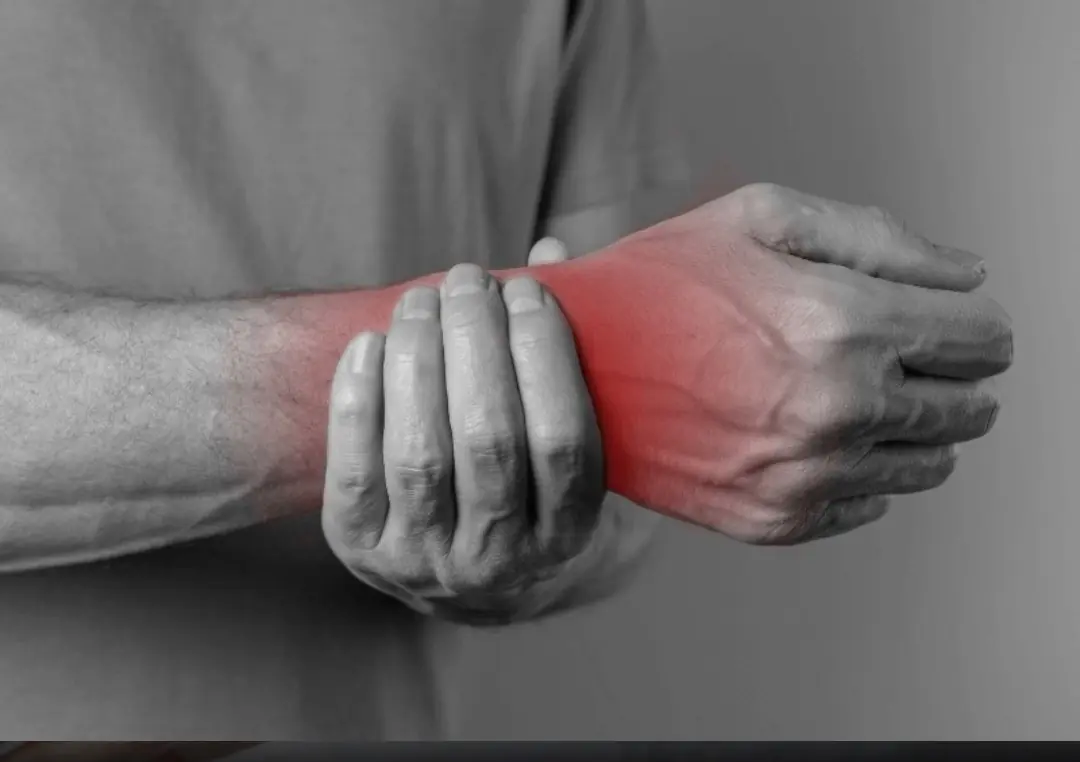 z
z
3. Common Conditions Associated With Vein Changes
Several conditions may affect the appearance or function of veins. Recognizing them early supports better long-term outcomes.
Varicose Veins:
These are enlarged, twisted veins that often occur in the legs due to weakened vein valves. Symptoms may include leg heaviness, itching, and swelling.
Venous Insufficiency:
When the veins have difficulty returning blood to the heart, blood may accumulate, leading to discomfort, swelling, or visible skin changes.
Thrombophlebitis:
This refers to inflammation of a vein, sometimes accompanied by a small clot. The affected area may become red, tender, or warm.
Hormonal Changes:
Pregnancy, contraception, or hormonal fluctuations may influence circulation and cause veins to appear more prominently.
Most of these conditions can be treated effectively when addressed early.
4. What to Tell Someone With Prominent Veins
If someone asks why their veins have become more visible or expresses concern, there are a few important points to share:
-
Prominent veins are often normal, especially with age, low body fat, exercise, or genetics.
-
Monitoring changes is key—a sudden difference is more meaningful than veins that have always been visible.
-
Comfort matters: discomfort, swelling, heat, or tenderness are signals that should not be ignored.
-
Healthy lifestyle habits help circulation, including hydration, regular movement, and avoiding prolonged sitting or standing.
-
Medical evaluation is appropriate when symptoms persist or when there are noticeable changes in the skin or sensation.
The goal is not to alarm anyone but to encourage awareness. A calm, informed perspective empowers individuals to take charge of their vascular health.
5. Strategies to Support Vein and Circulatory Health
Maintaining strong, healthy veins involves consistent habits:
-
Stay hydrated to keep blood flowing efficiently
-
Engage in regular physical activity, especially walking
-
Avoid sitting or standing for long periods without movement
-
Wear compression socks if recommended
-
Maintain a balanced diet, supporting cardiovascular and vein function
These simple measures promote healthy circulation and can improve both comfort and appearance.
Conclusion
Prominent veins are usually a normal part of physiology, influenced by genetics, lifestyle, and natural changes in the body. However, being aware of sudden changes or accompanying symptoms is important. By understanding the factors that affect vein appearance and knowing when to seek medical guidance, individuals can protect their circulatory health and maintain confidence in their physical well-being.