Cervical cancer is one of the cancers that can be difficult to recognize in its earliest stages because early cervical cancer often causes no obvious symptoms. A woman may feel completely healthy while abnormal cells are developing in the cervix.
That is one reason regular cervical cancer screening is so important.
When symptoms do appear, they can sometimes be mistaken for menstrual changes, hormonal fluctuations, infections, urinary problems, or other common conditions. Most of these symptoms do not automatically mean cervical cancer. In fact, many have much more common and less serious explanations.
Still, unusual or persistent changes deserve attention.
Here are 10 warning signs and symptoms that women should know, along with why they may warrant medical evaluation.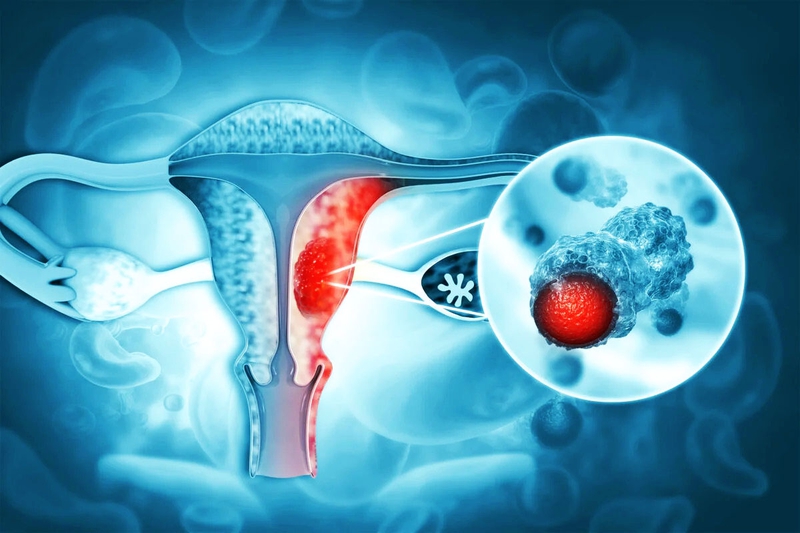
1. Unusual Vaginal Bleeding
One of the most important symptoms associated with cervical cancer is abnormal vaginal bleeding.
This can include bleeding:
-
Between menstrual periods
-
After sexual intercourse
-
After menopause
-
After a pelvic examination
-
Periods that become unusually heavy or last longer than normal
Bleeding after sex, known as postcoital bleeding, can have many causes, including cervical irritation, vaginal dryness, infections, polyps, hormonal changes, and other benign conditions.
However, persistent or unexplained bleeding should not simply be ignored.
Women who have gone through menopause should pay particular attention to any vaginal bleeding, even if it happens only once.
2. Unusual Vaginal Discharge
Changes in vaginal discharge can occur for many reasons, including infections and hormonal changes.
But cervical cancer can sometimes cause discharge that is:
-
More abundant than usual
-
Watery
-
Persistent
-
Blood-tinged
-
Pink or brown
-
Unpleasant-smelling
There is no single type of discharge that proves cervical cancer.
A change in discharge is much more commonly related to conditions such as bacterial vaginosis, sexually transmitted infections, yeast infections, or other gynecological issues.
Nevertheless, persistent discharge that is unusual for you should be evaluated, particularly when it occurs alongside abnormal bleeding or pelvic pain.
3. Pelvic Pain
Persistent or unexplained pain in the lower abdomen or pelvis can have numerous causes.
It may be related to:
-
Menstrual cramps
-
Ovulation
-
Ovarian cysts
-
Endometriosis
-
Fibroids
-
Pelvic infections
-
Urinary problems
-
Gastrointestinal conditions
In some cases, cervical cancer can cause pelvic discomfort, particularly as the disease progresses.
The important distinction is a new, persistent, or worsening pattern rather than occasional mild discomfort.
If pelvic pain continues without an obvious explanation, a healthcare professional can determine whether further testing is needed.
4. Pain During Sexual Intercourse
Pain during sexual intercourse, medically known as dyspareunia, is another symptom that should not simply be dismissed.
Pain can occur because of vaginal dryness, hormonal changes, infections, pelvic floor problems, endometriosis, or other gynecological conditions.
Cervical abnormalities can also contribute to discomfort or bleeding during intercourse.
If sex has suddenly become painful, especially if the problem persists or is accompanied by bleeding or unusual discharge, make an appointment with a healthcare professional.
There is no reason to simply tolerate ongoing pain.
5. Bleeding After Sex
Although it overlaps with abnormal vaginal bleeding, bleeding after intercourse deserves special attention because it can be an early symptom of cervical abnormalities.
A small amount of bleeding can happen for relatively harmless reasons, particularly when vaginal tissues are dry or irritated.
Cervical polyps and infections can also cause bleeding.
But repeated bleeding after sex should be evaluated rather than repeatedly attributed to irritation.
A clinician may perform a pelvic examination and determine whether cervical screening or additional testing is appropriate.
6. Changes in Urination
Cervical cancer can sometimes cause urinary symptoms, particularly when the disease has progressed and begins affecting nearby tissues.
Possible symptoms include:
-
Pain or discomfort when urinating
-
Increased urinary frequency
-
Difficulty urinating
-
Blood in the urine
-
A persistent sensation of needing to urinate
However, urinary symptoms are much more commonly caused by conditions such as urinary tract infections, bladder problems, kidney stones, or other urinary disorders.
If symptoms are persistent or keep returning, medical evaluation is appropriate.
Especially important is blood in the urine, which should not automatically be attributed to a gynecological problem.
7. Changes in Bowel Habits
The cervix is located close to the bladder and rectum.
As cervical cancer advances, it can sometimes affect surrounding tissues and contribute to bowel-related symptoms.
Possible changes include:
-
Persistent constipation
-
Difficulty passing stool
-
Rectal discomfort
-
Changes in bowel habits
-
Blood from the rectum
Again, these symptoms have many other possible causes.
Dietary changes, hemorrhoids, irritable bowel syndrome, medications, and gastrointestinal diseases are far more common explanations.
But a persistent and unexplained change in bowel habits deserves medical attention, particularly when accompanied by other gynecological symptoms.
8. Lower Back or Leg Pain
Some women with advanced cervical cancer may develop pain in the lower back, pelvis, or legs.
This can happen when a tumor becomes large enough to affect nearby structures or nerves.
Leg swelling can also occur in advanced disease when lymphatic drainage is affected.
However, back pain is extremely common and is usually caused by musculoskeletal problems such as muscle strain, posture, arthritis, or spinal conditions.
Likewise, leg swelling has many possible causes.
The concern is greater when these symptoms are new, persistent, unexplained, or accompanied by abnormal vaginal bleeding or other symptoms.
Sudden swelling and pain in one leg, particularly with shortness of breath or chest pain, can indicate a blood clot and requires urgent medical attention regardless of the cause.
9. Unexplained Weight Loss or Loss of Appetite
Unexpected weight loss is a symptom that can occur with many illnesses, including some cancers.
If you're losing weight without intentionally changing your diet or exercise habits, it is worth discussing with a healthcare professional.
Advanced cervical cancer may be associated with:
-
Reduced appetite
-
Unintentional weight loss
-
Persistent fatigue
-
General weakness
But unintentional weight loss is not specific to cervical cancer.
Thyroid disorders, gastrointestinal disease, infections, mental-health conditions, medication effects, and other medical problems can also cause it.
The key is that unexplained weight loss should be investigated rather than ignored.
10. Persistent Fatigue or Weakness
Feeling tired after a busy day is normal.
Persistent fatigue that doesn't improve with adequate rest is different.
Cervical cancer can sometimes cause fatigue indirectly, particularly if abnormal bleeding leads to iron-deficiency anemia.
Heavy or repeated bleeding can reduce the body's iron stores and cause symptoms such as:
-
Tiredness
-
Weakness
-
Pale skin
-
Headaches
-
Dizziness
-
Shortness of breath during activity
-
Rapid heartbeat
These symptoms can also occur with many other forms of anemia and medical conditions.
If you have unusually heavy periods or unexplained bleeding combined with persistent fatigue, a healthcare professional may recommend blood tests to check for anemia and investigate the cause of the bleeding.
Why Cervical Cancer Can Be Difficult to Detect Early
The biggest challenge is that early cervical cancer may not cause noticeable symptoms at all.
This is why waiting for symptoms is not an effective screening strategy.
Cervical cancer usually develops gradually from precancerous changes in cervical cells. Persistent infection with certain high-risk types of human papillomavirus (HPV) is the primary cause of most cervical cancers.
These precancerous changes can often be detected through screening before they become invasive cancer.
That gives doctors an opportunity to monitor or treat the abnormal cells before cancer develops.
HPV Is the Main Cause
Human papillomavirus, commonly known as HPV, is extremely common.
Most sexually active people are exposed to HPV at some point in their lives, and many infections clear naturally without causing cancer.
The concern is persistent infection with high-risk HPV types.
Over time, persistent infection can cause changes in cervical cells.
In a smaller proportion of women, these changes can eventually progress to cervical cancer.
This process usually takes years, which is one reason screening can be so effective.
Regular Screening Matters
Because cervical cancer may be silent during its early stages, screening is one of the most important tools for prevention and early detection.
Depending on age, health history, country, and available guidelines, screening may involve:
-
HPV testing
-
A Pap test
-
HPV and Pap testing together
Screening recommendations vary by country and individual circumstances.
If you have been advised to undergo cervical screening, don't wait for symptoms before doing it.
A screening test is designed to detect changes before symptoms necessarily appear.
HPV Vaccination Can Also Reduce Risk
HPV vaccination is another important tool for cervical cancer prevention.
The vaccine protects against HPV types responsible for a large proportion of cervical cancers and several other HPV-related diseases.
It works best when given before exposure to HPV, which is why vaccination is commonly recommended during adolescence.
However, vaccination does not eliminate every possible cervical cancer risk.
Even vaccinated women may still need cervical screening according to local recommendations.
Does Having HPV Mean You Have Cervical Cancer?
Absolutely not.
An HPV infection is common, while cervical cancer is much less common.
Many HPV infections disappear naturally because the immune system clears them.
Even when high-risk HPV persists, it can take years for significant cellular changes to develop.
A positive HPV test therefore means follow-up is needed, not that someone has cancer.
Your healthcare professional can explain what the result means and whether additional testing is necessary.
When Should You See a Doctor?
Make an appointment with a healthcare professional if you experience:
-
Repeated bleeding after sex
-
Bleeding between periods
-
Any vaginal bleeding after menopause
-
Persistent unusual vaginal discharge
-
New or ongoing pelvic pain
-
Pain during intercourse
-
Unexplained weight loss
-
Persistent fatigue
-
New urinary or bowel symptoms
-
Several of these symptoms occurring together
These symptoms do not mean that you have cervical cancer.
They simply mean that the cause should be identified rather than guessed.
Don't Wait for Symptoms to Get Screened
One of the most important messages about cervical cancer is this:
Feeling healthy does not necessarily mean your cervix is healthy.
Precancerous cervical changes often produce no obvious symptoms.
That's why screening can be so valuable.
If you're due for cervical screening, arrange it even if you feel perfectly well.
And if you have symptoms despite having had a recent screening test, don't assume that the screening result means you can ignore them.
Screening reduces risk, but it does not guarantee that every cervical problem has been ruled out.
The Bottom Line
Cervical cancer can be difficult to spot because early disease may cause few or no symptoms.
When symptoms do occur, possible warning signs include unusual vaginal bleeding, bleeding after sex, persistent vaginal discharge, pelvic pain, pain during intercourse, urinary changes, bowel changes, lower back or leg symptoms, unexplained weight loss, and persistent fatigue.
Most of these symptoms have causes that are much more common than cervical cancer.
The important thing is not to panic but not to ignore persistent or unusual changes either.
Regular cervical screening, HPV vaccination when appropriate, and prompt evaluation of concerning symptoms are key parts of prevention and early detection.
If you notice something that feels different from your normal pattern, especially unexplained bleeding or persistent symptoms, talk with a healthcare professional.
Cervical cancer is often more treatable when detected early, and the absence of symptoms should never be a reason to skip recommended screening.