
What Happens When You Drink Coconut Water Regularly? Experts Weigh In
Doctors Explain the Benefits and Effects of Drinking Coconut Water
Food 23/04/2026 12:58
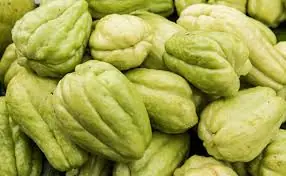
Squashes are popular for their high water and low calorie content, and a unique savory flavor. One such squash to watch for is the chayote. The health benefits of chayote squash are many, and its tender texture and unique taste make it more popular. You can consume this squash raw, or even add it to salads and toasts. Read to know how chayote benefits your health.
What Is It?
A green, pear-shaped fleshy vegetable with a mild, savory taste.
What Are Its Benefits?
It helps reduce blood sugar levels, lowers blood pressure, promotes heart health, prevents kidney stones and manages hypertension.
Who Can Use It?
All except those who are allergic to it.
How Often?
Regularly, but in moderation.
Caution
No known side effects. Consult a doctor in case you are allergic to it.
Chayote squash is a fruit that is used as a vegetable.
It is native to southern Mexico. It is also known as mirliton, choko, vegetable pear, and custard marrow. This squash is especially used in many cuisines all over the world for its unique savory taste and tender edible flesh.
Chayote squash has a unique mild savory flavor. It can be easily mixed with any other vegetable. Raw chayote squash tastes like an apple with a mild crunch and slightly sweet taste, and a ripe one tastes like a cucumber.
A blogger tried chayote squash and shared her experience in her blog. She writes, “The squash is sweet, it reminds me of a green pepper in its texture and flavor, it is very crisp and fresh tasting it almost looks like a green apple, but it smells like earth, and it has a solid consistency that would be good in salad or even a soup…. I will be having this vegetable again because it could replace some other vegetables and switch up boring recipes (i).”
It is believed that chayote squash was a staple diet in the diet of Aztec and Mayan people. The word ‘chayote’ comes from the Aztec word ‘chayohtli.’Chayote squash (100 grams) contains the following nutrients (1):
This graph from a 2025 study published in Plants shows the accumulation of soluble sugars in chayote fruit varieties. Fructose accumulation was compared to glucose accumulation, and no sucrose was discovered. The average values recorded were 1.04% for fructose and 0.76% for glucose, which were comparable to the values reported for other chayote varietal groups, such as nigrum spinosum, virens levis, and nigrum xalapensis, which were 2.03 and 2.42%, respectively.

Similar to the benefits of squash, chayote squash is low in calories and is suitable for a low-sugar diet as it is diabetes-friendly. In a study, chayote was found to significantly reduce blood sugar levels after regular consumption . Research also found that the juice of chayote, when taken before a starch-rich diet, may significantly manage the rise in postprandial blood glucose levels in rats .
A study has shown that chayote squash has potassium and alkaloids . These exhibit diuretic properties that may help kidneys remove excess fluid and salt from the body. This effect might reduce blood pressure.
In another study, the juice of chayote was found to significantly reduce hypertension in pregnant women. However, if you are pregnant and wanted to consume chayote for its benefits, consulting your doctor is recommended.
As stated, the potassium and alkaloids in chayote squash are diuretics. Research has shown that this diuretic property can reduce hypertension and prevent the hardening and calcificationi of arteries . This reduces the possibility of a heart attack.
As per another study, the administration of chayote juice may significantly reduce triglyceridesi and LDL cholesterol and improve HDL cholesterol levels in rats.
Chayote squash is rich in potassium. Research has proven that potassium exhibits diuretic properties that help eliminate the extra fluids in the kidneys and prevent the formation of kidney stones . You can have chayote squash juice or as raw chopped pieces in a salad.
The juice from chayote leaves may also help one manage kidney stones. However, more information is warranted in this regard.
Chayote squash is rich in vitamin C. Anecdotal evidence suggests that regular consumption of chayote squash may minimize acne and dark spots. Studies show that vitamin C is a potent antioxidant that exhibits many beneficial effects on the skin . However, more research is needed to further determine the benefits of chayote on skin.
Chayote squash plants are widely used in the cosmetic, skin care, and pharmaceutical industries. Their fruit extracts were found to protect skin cells from UVA damage. They also may help reduce any harmful substances present in the skin cells. This way, they may possibly slow down premature aging.
Around 20 to 25% of adults worldwide are believed to have metabolic syndrome (MetS), and aging is a significant factor contributing to its occurrence. Consuming chayote squash has been found to help reduce DNA damage and increase the stability of the genetic material that may help reduce the signs of aging. The squash also contains antioxidants and has anti-inflammatory properties that help manage metabolic syndrome and the associated issues with aging.
Anecdotal evidence suggests that chayote squash’s high fiber content and low-calorie count encourage satiety and aid appetite control, promoting weight management. Because of its versatility, it can be easily incorporated into a variety of meals, making it a healthy choice for anyone trying to maintain or reduce their weight.
You can include chayote in your regular diet to reap its benefits. Now that we have discussed how chayote benefits your skin and health, let us look at a few tasty and healthy recipes using chayote.

What You Need
Method
What You Need
Method
What You Need
Method

What You Need
Method
What You Need
Method
What You Need
Method
The high water content in chayote squash makes it prone to spoilage. Proper storage can enhance its shelf-life. Effective storage methods are discussed in the next section.
Chayote can be stored in a refrigerator for 3 weeks. Wipe chayote with a dry cloth. Wrap it in a thin cotton cloth and place it in a plastic bag. Do not freeze chayote. If you observe any spots or molds, discard the squash as it may be rotten and unfit for consumption.
To date, there are no known interactions of chayote squash with any medications. It is a low-calorie and nutrient-dense food and suitable for regular consumption unless one is allergic to it. However, consult your doctor before eating chayote if you are on any medications.
Chayote squash is a versatile veggie that packs a punch with health advantages galore. It can help you manage blood sugar levels and hypertension and much more. Take a step towards a healthier, happier you by adding chayote squash to your plate. Check out the infographic below to find out about the incredible benefits of chayote squash.
Some thing wrong with infographic shortcode. please verify shortcode syntaxThe benefits of chayote squash are numerous. Including it in your regular diet can help manage blood glucose levels and hypertension and reduce the risk of cardiovascular diseases. Also, the high potassium content of chayote squash can prevent the formation of kidney stones, and its rich vitamin C content can promote skin health. However, some people are allergic to chayote squash so check for the same before you start eating it regularly. If you are not allergic to this squash, adding it to your diet will help you reap its benefits. Try any of the recipes mentioned above to enjoy chayote squash in a healthy manner.
Doctors Explain the Benefits and Effects of Drinking Coconut Water
Tapeworms and Vegetables: The Hidden Risk You Can Easily Prevent

Oysters Can Be Risky for Some — Find Out Who Should Avoid Them

This common bedtime snack might not be as harmless as you think… See why👇
Eating tomatoes daily? Here’s what doctors want you to know 🍅👇

Want better digestion, weight loss, and skin? Try eating bananas at these 3 times 👇
This is what your body may experience if you eat peanuts regularly
What happens to your body if you eat too many onions?
Doctors Caution: Possible Side Effects of Eating Okra You Should Know
This simple banana method may help calm your stomach and improve digestion

3 Groups Who Should Limit Coconut Water—It May Affect Circulation and Energy Levels

Want a healthier liver? Don’t miss these 4 vegetables and 2 fruits
5 powerful benefits your body can gain from eating garlic every day

This everyday fruit could boost your health after 60 — here’s how
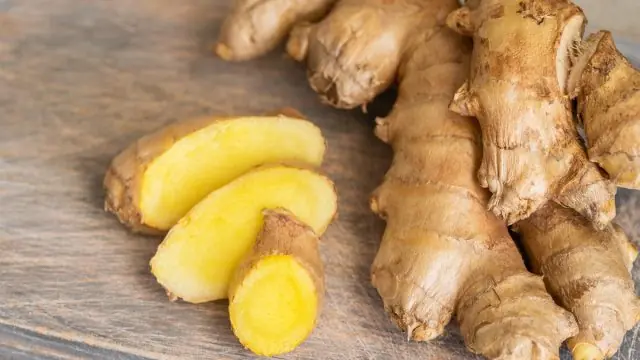
Think Ginger Is Always Safe? These 5 Conditions Say Otherwise

Are Eggs With Blood Spots Safe to Eat? The Truth Explained

3 Perfect Times to Drink Coconut Water + Who Should Drink It Every Day
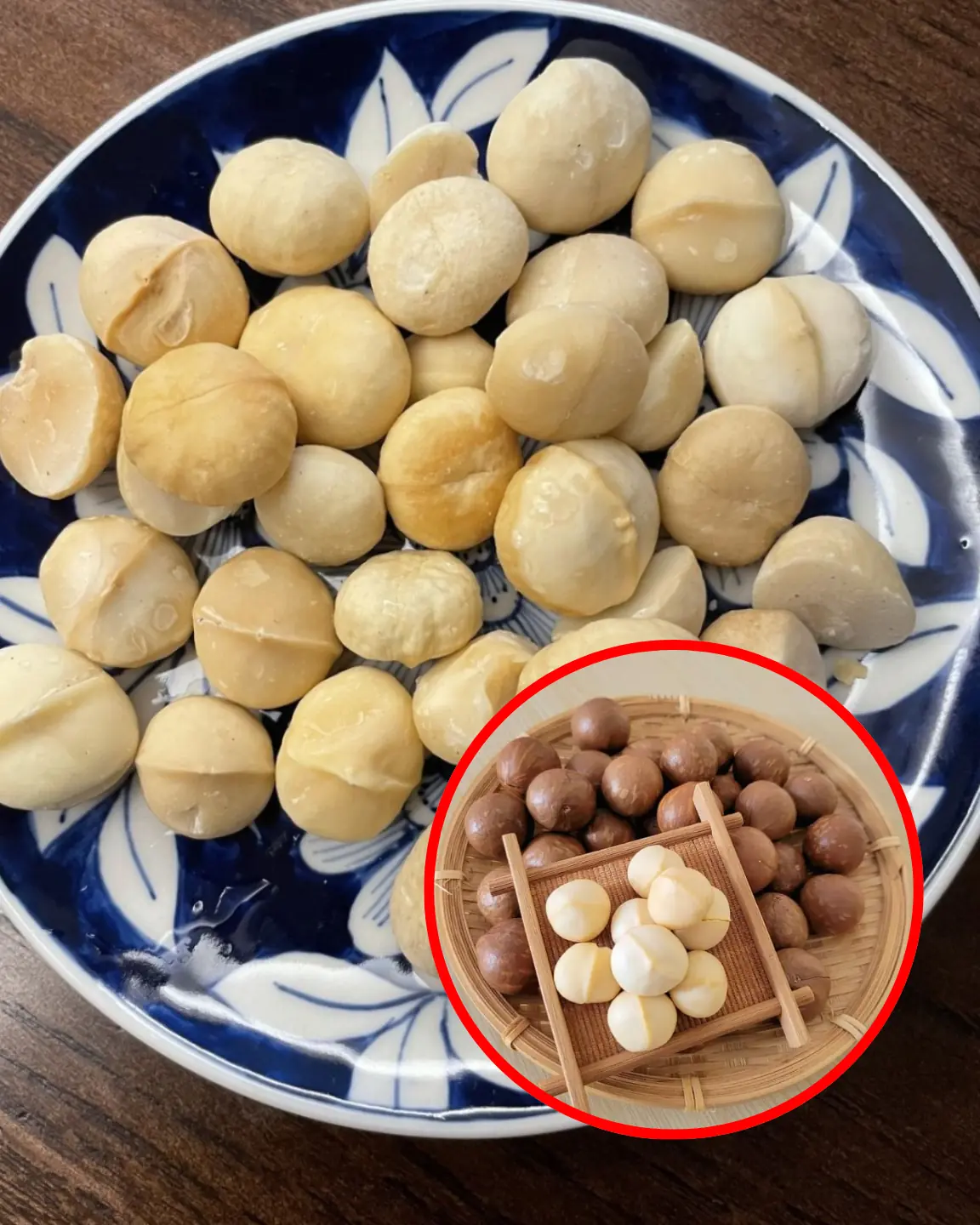
Eating Macadamia Nuts Every Day? Here’s What Might Happen to Your Body
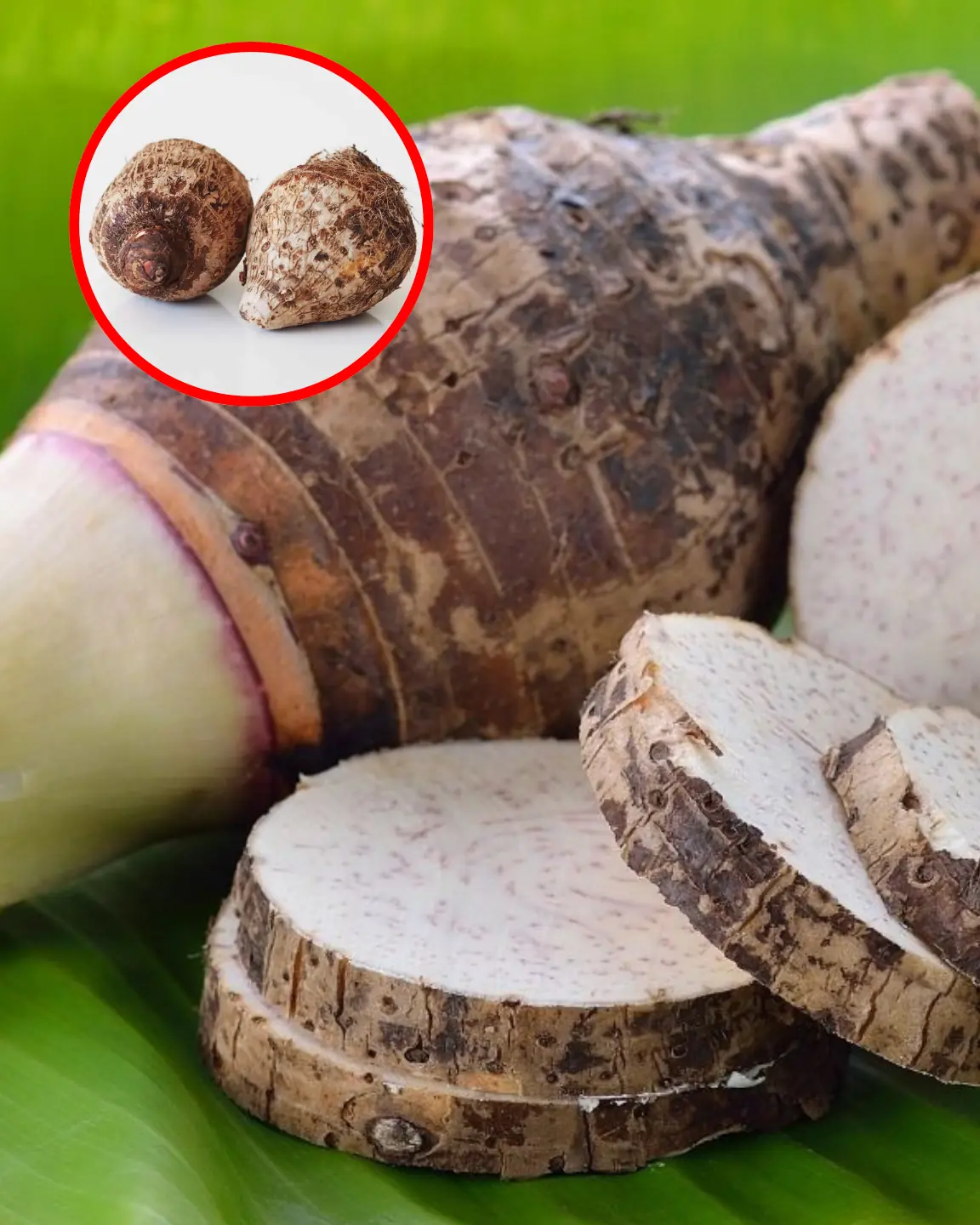
Taro is a common food in many diets, but if you eat it often, you should take note of some important health-related facts that could affect your body more than you think.
Doctors Explain the Benefits and Effects of Drinking Coconut Water

Hand numbness: a temporary issue or a sign of something more serious?
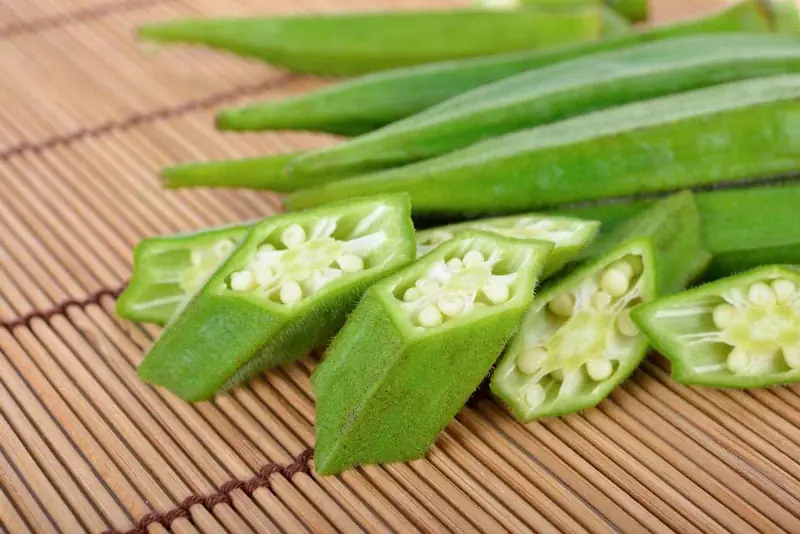
Okra is nutritious - but it may not be ideal for these 8 groups of people

7 egg varieties you may want to avoid for better health

4 parts of chicken that are best not to eat, experts say

What It Means If You Discover a Lump on Your Neck, Back, or Behind Your Ear
The Power of Steamed Ginger: A Simple Habit for Immunity and Cold Protection




7 warning signs in your feet that may indicate kidney problems

Most people don’t think of their feet as a “health warning system,” but your feet are actually one of the first places where hidden internal problems show up.


5 Early Signs of a Mini Stroke in the Elderly


Stomach problems are common and often start with mild discomfort—things like occasional bloating, indigestion, or temporary pain after eating.