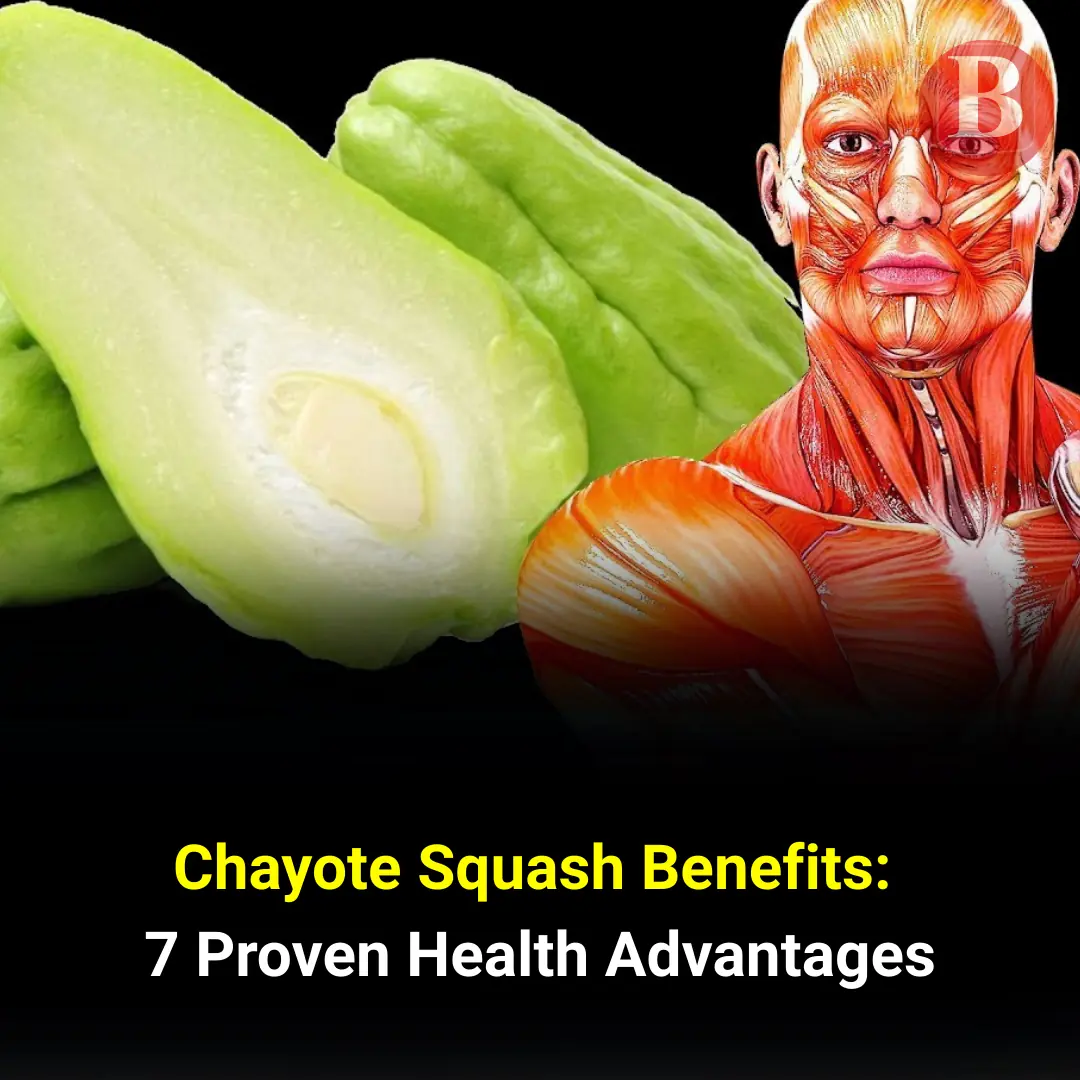
Squashes are popular for their high water and low calorie content, and a unique savory flavor. One such squash to watch for is the chayote. The health benefits of chayote squash are many, and its tender texture and unique taste make it more popular. You can consume this squash raw, or even add it to salads and toasts. Read to know how chayote benefits your health.
What Is It?
A green, pear-shaped fleshy vegetable with a mild, savory taste.
What Are Its Benefits?
It helps reduce blood sugar levels, lowers blood pressure, promotes heart health, prevents kidney stones and manages hypertension.
Who Can Use It?
All except those who are allergic to it.
How Often?
Regularly, but in moderation.
Caution
No known side effects. Consult a doctor in case you are allergic to it.
What Is Chayote Squash?
Chayote squash is a fruit that is used as a vegetable.
It is native to southern Mexico. It is also known as mirliton, choko, vegetable pear, and custard marrow. This squash is especially used in many cuisines all over the world for its unique savory taste and tender edible flesh.
Chayote squash has a unique mild savory flavor. It can be easily mixed with any other vegetable. Raw chayote squash tastes like an apple with a mild crunch and slightly sweet taste, and a ripe one tastes like a cucumber.
A blogger tried chayote squash and shared her experience in her blog. She writes, “The squash is sweet, it reminds me of a green pepper in its texture and flavor, it is very crisp and fresh tasting it almost looks like a green apple, but it smells like earth, and it has a solid consistency that would be good in salad or even a soup…. I will be having this vegetable again because it could replace some other vegetables and switch up boring recipes (i).”
Let us look at the nutrition facts of chayote squash in the following section.
Key Takeaways
- Chayote squash is a versatile vegetable suitable for vegetarian, vegan, and low-calorie diets.
- Raw chayote squash tastes like an apple, while the ripe one tastes like a cucumber.
- It is low in calories and helps reduce blood sugar levels.
- Drinking chayote squash may help manage hypertension, prevent kidney stones, and promote skin health.
Chayote Squash Nutrition Facts
Chayote squash (100 grams) contains the following nutrients (1):
- Calories: 19
- Water: 94.2 grams
- Fat: 0.1 gram
- Fiber: 1.7 grams
- Carbohydrates: 4.5 grams
- Protein: 2.0 grams
- Vitamin C: 7.7 milligrams
- Vitamin E: 0.1 milligrams
- Vitamin B6: 0.1 milligrams
- Total Folate: 93 micrograms
- Copper: 0.1 milligrams
- Potassium: 125 milligrams
- Magnesium: 12 milligrams
- Phosphorus: 18 milligrams
- Zinc: 0.7 milligrams
This graph from a 2025 study published in Plants shows the accumulation of soluble sugars in chayote fruit varieties. Fructose accumulation was compared to glucose accumulation, and no sucrose was discovered. The average values recorded were 1.04% for fructose and 0.76% for glucose, which were comparable to the values reported for other chayote varietal groups, such as nigrum spinosum, virens levis, and nigrum xalapensis, which were 2.03 and 2.42%, respectively.
Accumulation Of Soluble Sugars In Fruits Of Chayote Squash
| Days After Anthesis | Glucose | Fructose |
|---|---|---|
| 3 | 0.1 | 0.2 |
| 6 | 0.3 | 0.4 |
| 9 | 0.2 | 0.5 |
| 12 | 0.5 | 0.7 |
| 15 | 0.7 | 0.9 |
| 18 | 0.7 | 1.2 |
| 21 | 0.6 | 1.4 |
Thanks to these nutrients, chayote squash is known for its important benefits. We have discussed them in the next section.
Health Benefits Of Chayote Squash
1. May Help Manage Blood Glucose Levels

Similar to the benefits of squash, chayote squash is low in calories and is suitable for a low-sugar diet as it is diabetes-friendly. In a study, chayote was found to significantly reduce blood sugar levels after regular consumption . Research also found that the juice of chayote, when taken before a starch-rich diet, may significantly manage the rise in postprandial blood glucose levels in rats .
2. May Help Manage Hypertension
A study has shown that chayote squash has potassium and alkaloids . These exhibit diuretic properties that may help kidneys remove excess fluid and salt from the body. This effect might reduce blood pressure.
In another study, the juice of chayote was found to significantly reduce hypertension in pregnant women. However, if you are pregnant and wanted to consume chayote for its benefits, consulting your doctor is recommended.
3. May Help Reduce The Risk Of Cardiovascular Disease
As stated, the potassium and alkaloids in chayote squash are diuretics. Research has shown that this diuretic property can reduce hypertension and prevent the hardening and calcificationi of arteries . This reduces the possibility of a heart attack.
As per another study, the administration of chayote juice may significantly reduce triglyceridesi and LDL cholesterol and improve HDL cholesterol levels in rats.
4. May Help Prevent Kidney Stones
Chayote squash is rich in potassium. Research has proven that potassium exhibits diuretic properties that help eliminate the extra fluids in the kidneys and prevent the formation of kidney stones . You can have chayote squash juice or as raw chopped pieces in a salad.
The juice from chayote leaves may also help one manage kidney stones. However, more information is warranted in this regard.
5. May Promote Skin Health
Chayote squash is rich in vitamin C. Anecdotal evidence suggests that regular consumption of chayote squash may minimize acne and dark spots. Studies show that vitamin C is a potent antioxidant that exhibits many beneficial effects on the skin . However, more research is needed to further determine the benefits of chayote on skin.
6. May Offer Anti-Aging Benefits
Chayote squash plants are widely used in the cosmetic, skin care, and pharmaceutical industries. Their fruit extracts were found to protect skin cells from UVA damage. They also may help reduce any harmful substances present in the skin cells. This way, they may possibly slow down premature aging.
Around 20 to 25% of adults worldwide are believed to have metabolic syndrome (MetS), and aging is a significant factor contributing to its occurrence. Consuming chayote squash has been found to help reduce DNA damage and increase the stability of the genetic material that may help reduce the signs of aging. The squash also contains antioxidants and has anti-inflammatory properties that help manage metabolic syndrome and the associated issues with aging.
7. May Help With Weight Management
Anecdotal evidence suggests that chayote squash’s high fiber content and low-calorie count encourage satiety and aid appetite control, promoting weight management. Because of its versatility, it can be easily incorporated into a variety of meals, making it a healthy choice for anyone trying to maintain or reduce their weight.
You can include chayote in your regular diet to reap its benefits. Now that we have discussed how chayote benefits your skin and health, let us look at a few tasty and healthy recipes using chayote.
6 Easy And Tasty Recipes With Chayote
1. Chayote Gratin

What You Need
- 1 medium chayote squash
- 150 grams cheese
- 2 teaspoons butter
- 2 small onions
- 4 crushed garlic cloves
- 1 cup fresh cream
- 1 teaspoon salt
- 1 teaspoon chopped cilantro
Method
- Peel the chayote squash and wash with saltwater.
- Slice into medium pieces and keep them aside.
- Add butter to a thick-bottomed frying pan.
- Add the finely chopped onion and garlic.
- Add the chayote pieces and stir fry gently.
- Add the cheese and mix gently.
- Sauté in low flame until the cheese melts.
- Add salt and pepper and mix slowly.
- Fry on low flame for 15 minutes.
- Switch off the flame and add chopped cilantro.
2. Stir-Fried Chayote
What You Need
- 1 medium chayote
- 5 tablespoons butter
- ½ tablespoon minced ginger
- 3 crushed garlic cloves
- 1 tablespoon chili flakes
- ½ tablespoon mustard seeds
- ½ tablespoon cumin seeds
- 1 tablespoon salt
Method
- Peel the chayote and cut them into medium-sized pieces.
- Wash them in salt water and keep them aside.
- Add 5 tablespoons of butter to a thick-bottomed frying pan.
- Add the minced ginger and crushed garlic once the butter starts to melt.
- Add mustard seeds and cumin seeds after 2 minutes. Let them splutter.
- Add the chayote pieces and mix gently.
- Cover with a lid and let the mixture simmer for 5 minutes.
- Once the chayote pieces become soft, sprinkle the salt and chili flakes.
- Mix gently. Do not over stir them as they may break into small pieces. Leave them for 5 minutes.
- Turn the heat to medium and keep stirring for 10 minutes. Switch off the flame and transfer into a serving dish.
3. Pickled Chayote
What You Need
- 1 medium chayote
- 2 small onions
- 1 medium garlic
- 1 tablespoon whole black peppercorns
- 1 tablespoon salt
- 2 cups white vinegar
- ¾ cups granulated white sugar
Method
- Peel the chayote and cut it into medium pieces.
- Wash the pieces with saltwater and strain them. Keep them aside.
- Strain the chayote pieces and let them air dry.
- Peel the onions and garlic and keep them aside.
- Add vinegar, sugar, and 1 tablespoon salt in a thick-bottomed saucepan.
- Bring it to a boil on medium heat. Add the black peppercorns.
- Keep the pickling mixture aside and let it cool completely.
- Add the chayote pieces, onions, and garlic cloves.
- Mix gently and transfer into an airtight jar. Seal with a lid.
- Store in the refrigerator. Do not freeze it. It can be stored for 1 month.
4. Stuffed Chayote

What You Need
- 2 medium chayotes
- 2 medium onions, minced
- 2 tablespoons butter
- 1 tablespoon salt
- ½ tablespoon pepper
- 2 eggs, beaten
- 200 grams cheese
- 150 grams minced meat
- 1 cup sweet corn
Method
- Cut the chayotes in half and remove the seeds.
- Place them in boiling salted water, and cook until tender, approximately for 15 minutes.
- Scoop out the pulp and keep the shells aside.
- Chop the pulp and drain the excess water.
- Fry the onions in butter until they turn transparent.
- Add the pulp of the chayote and minced meat and corn. Mix gently.
- Add salt and pepper and let it simmer for 5 minutes.
- Add the 2 beaten eggs to this mixture and cook on low heat for a few minutes. Keep stirring the mixture to avoid charring.
- Stuff the chayote shells and top with grated cheese.
- Place inside a hot oven, at 400 degrees, until cheese is melted and golden.
- If you are cooking on a frying pan, place the pan on medium heat, grease it with butter, and place the stuffed chayote on it. Cook it until the cheese turns golden brown.
5. Chayote Coconut Milk Soup
What You Need
- 1 medium chayote
- 150 grams beans
- 100 grams cabbage
- 5 tablespoons crushed ginger
- 1 large onion
- 2 tablespoons butter
- 1 cup coconut milk
- 1 ½ teaspoon sugar
- 2 tablespoons lemon juice
- ½ tablespoon salt
- ¼ teaspoon pepper
- 2 sliced red chilies
- 1 cup vegetable broth
Method
- Heat the butter in a large nonstick pot and add the onion. Stir fry until lightly browned, for 3 to 4 minutes.
- Add salt and pepper.
- Remove from heat and set aside.
- In the same pot, cook ginger over medium heat for 2 to 3 minutes.
- Now add chayote, beans, and cabbage and cook over medium flame. Keep stirring until they are lightly browned for 5 to 7 minutes.
- Add vegetable broth, coconut milk, and simmer for 15 to 20 minutes.
- Add onion and cover with a lid and let it cook for 5 minutes.
- Cook till chayote is tender. Do not overcook.
- Sprinkle some pepper and sliced red chilies. Switch off the flame. Serve hot.
- Consume it immediately.
6. Chayote Salad
What You Need
- 1 medium chayote
- 1 cup cherry tomatoes, halved
- 2 tablespoons olive oil
- ¼ cup red onion, thinly sliced
- 1 tablespoon lemon juice
- Salt and pepper to taste
Method
- Combine the red onion, cherry tomatoes, and chayote in a bowl.
- Season with pepper and salt as needed.
- Drizzle the lemon juice and olive oil over the vegetables.
- Gently toss to combine, then serve immediately.
The high water content in chayote squash makes it prone to spoilage. Proper storage can enhance its shelf-life. Effective storage methods are discussed in the next section.
How Do I Store Chayote?
Chayote can be stored in a refrigerator for 3 weeks. Wipe chayote with a dry cloth. Wrap it in a thin cotton cloth and place it in a plastic bag. Do not freeze chayote. If you observe any spots or molds, discard the squash as it may be rotten and unfit for consumption.
Can Chayote Squash Interact with Any Medications?
To date, there are no known interactions of chayote squash with any medications. It is a low-calorie and nutrient-dense food and suitable for regular consumption unless one is allergic to it. However, consult your doctor before eating chayote if you are on any medications.
Infographic: Top 4 Benefits Of Chayote Squash
Chayote squash is a versatile veggie that packs a punch with health advantages galore. It can help you manage blood sugar levels and hypertension and much more. Take a step towards a healthier, happier you by adding chayote squash to your plate. Check out the infographic below to find out about the incredible benefits of chayote squash.
Some thing wrong with infographic shortcode. please verify shortcode syntaxThe benefits of chayote squash are numerous. Including it in your regular diet can help manage blood glucose levels and hypertension and reduce the risk of cardiovascular diseases. Also, the high potassium content of chayote squash can prevent the formation of kidney stones, and its rich vitamin C content can promote skin health. However, some people are allergic to chayote squash so check for the same before you start eating it regularly. If you are not allergic to this squash, adding it to your diet will help you reap its benefits. Try any of the recipes mentioned above to enjoy chayote squash in a healthy manner.