Chicken gizzards may not be the first food that comes to mind when you think about healthy eating.
For some people, they're a favorite part of a chicken dinner. For others, the chewy texture and unfamiliar appearance make them easy to overlook.
But nutritionally, chicken gizzards are surprisingly interesting.
This small organ, which is part of a chicken's digestive system, contains protein, vitamin B12, iron, zinc, selenium, and other important nutrients. When prepared properly, it can be a relatively affordable way to add nutrient-dense animal protein to your diet.
That doesn't mean gizzards are a miracle food or that everyone needs to eat them. Like any food, they have advantages and limitations.
Still, if you've never considered chicken gizzards, their nutritional profile may give you a reason to look twice.
-800x500.jpg)
What Exactly Are Chicken Gizzards?
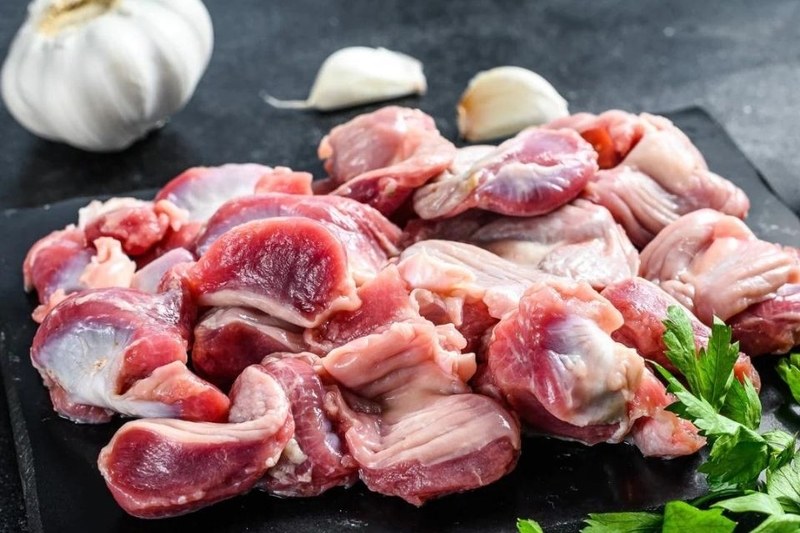
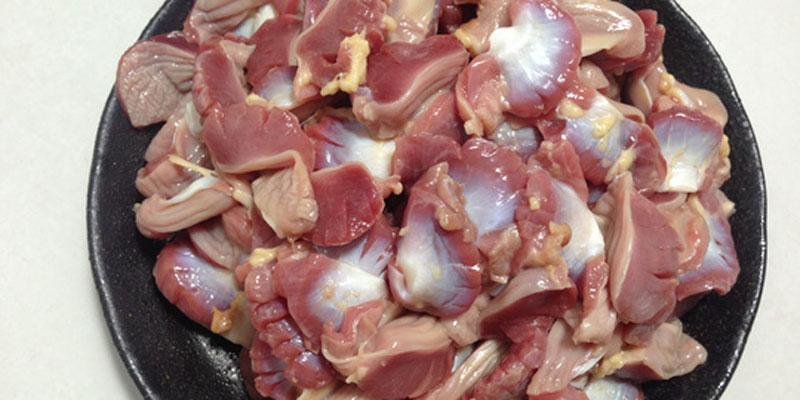
The gizzard is a muscular organ found in the digestive system of chickens and many other birds.
Birds don't have teeth, so their digestive systems use several structures to help process food. The gizzard is particularly muscular and helps grind food before it continues through the digestive tract.
That muscular nature explains something you'll notice immediately when eating gizzards:
They're firm and chewy.
The texture is very different from ordinary chicken breast or thigh meat.
With proper preparation, however, gizzards can become tender and flavorful.
They're commonly:
-
Stewed
-
Braised
-
Boiled
-
Grilled
-
Stir-fried
-
Roasted
-
Added to soups
-
Cooked in sauces
Cooking methods can dramatically change their texture.
1. They're a Good Source of Protein
One of the biggest nutritional advantages of chicken gizzards is their protein content.
Protein is essential for virtually every part of the body.
Your body uses amino acids from protein to support:
-
Muscle tissue
-
Skin
-
Hair
-
Enzymes
-
Hormones
-
Immune function
-
Tissue repair
For people who are trying to maintain muscle as they age, getting enough protein throughout the day becomes particularly important.
Chicken gizzards can contribute to that goal without requiring an expensive cut of meat.
However, the exact amount of protein depends on the serving size and how the gizzards are prepared.
2. They Contain Vitamin B12
Vitamin B12 is another standout nutrient found in many animal-based foods, including chicken gizzards.
B12 plays important roles in:
-
Red blood cell formation
-
Normal neurological function
-
DNA synthesis
-
Energy metabolism
A deficiency can lead to serious problems, including certain types of anemia and neurological symptoms.
People who avoid or limit animal products can sometimes have difficulty obtaining sufficient B12 unless they use fortified foods or supplements.
For people who eat meat, nutrient-dense foods such as organ meats can contribute meaningful amounts of B12.
3. Chicken Gizzards Provide Iron
Iron is essential for producing hemoglobin, the protein in red blood cells responsible for carrying oxygen throughout the body.
Iron also contributes to normal energy metabolism and cellular function.
Not getting enough iron can lead to iron-deficiency anemia.
Symptoms may include:
-
Fatigue
-
Weakness
-
Pale skin
-
Shortness of breath
-
Dizziness
-
Difficulty concentrating
Chicken gizzards contain iron, although the amount and type of iron can vary.
Animal foods generally contain heme iron, which is absorbed more efficiently than the non-heme iron found primarily in plant foods.
That makes iron-containing animal foods potentially useful for people who need more dietary iron.
However, anyone who suspects iron deficiency should get appropriate medical evaluation rather than trying to self-treat solely through diet.
4. They Contain Zinc
Zinc is another mineral found in chicken gizzards.
Your body needs zinc for numerous biological processes, including:
-
Immune function
-
Wound healing
-
DNA and protein synthesis
-
Cell division
-
Normal growth and development
The body doesn't store large amounts of zinc in the same way it stores some other nutrients, so regular dietary intake is important.
A varied diet containing meat, seafood, dairy products, legumes, nuts, and seeds can help provide zinc.
Chicken gizzards are simply one possible source.
5. Selenium Is Another Nutrient They Provide
Selenium doesn't receive as much attention as vitamin C or calcium, but it plays an important role in the body.
It's involved in:
-
Thyroid hormone metabolism
-
Antioxidant defense
-
Immune function
-
Reproductive health
-
DNA synthesis
The amount of selenium in foods can vary depending on factors such as the animal's diet and growing conditions.
Still, chicken gizzards can contribute to overall selenium intake.
And because selenium is needed only in relatively small amounts, more isn't necessarily better.
6. They're Relatively Affordable
Nutrition isn't only about what's on the label.
Cost matters too.
Organ meats such as gizzards are often less expensive than popular cuts of chicken.
That makes them attractive for households trying to build nutritious meals on a budget.
You don't necessarily need premium ingredients to create a protein-rich meal.
A simple dish made with gizzards, vegetables, herbs, and whole grains can be both economical and nutritious.
7. They Can Be Very Filling
Because gizzards provide protein, they can contribute to satiety.
Protein tends to be more filling than many carbohydrate-rich foods, although overall fullness depends on the entire meal.
Pairing gizzards with:
-
Vegetables
-
Beans
-
Whole grains
-
Potatoes
-
Brown rice
-
Other high-fiber foods
can create a balanced meal that keeps you satisfied.
Of course, preparation matters.
Deep-frying gizzards and coating them in a heavy batter can significantly change their overall nutritional profile.
8. They May Be Useful for People Looking for Nutrient-Dense Foods
One of the biggest advantages of organ meats is that they can provide a wide range of nutrients in relatively small portions.
Chicken gizzards aren't as famous as liver, but they still contain several vitamins and minerals.
That makes them interesting for people who want to diversify their protein sources.
Instead of eating the same chicken breast every day, incorporating different cuts and organs can increase dietary variety.
9. They Can Support a More Varied Diet
Eating the same foods repeatedly isn't necessarily unhealthy, but variety makes it easier to obtain a broader range of nutrients.
Chicken gizzards can be part of that variety.
You might alternate between:
-
Chicken breast
-
Chicken thighs
-
Fish
-
Eggs
-
Beans
-
Lean beef
-
Turkey
-
Tofu
-
Chicken gizzards
A diverse diet gives you access to different nutrient combinations.
No single food needs to carry the entire nutritional burden.
10. They Can Be Prepared in Healthier Ways
The nutritional value of gizzards isn't determined solely by the ingredient itself.
Cooking method matters.
Stewing
Slow cooking can help soften the tough muscle fibers and create a tender texture.
Braising
Gizzards can be cooked slowly with vegetables and herbs for a flavorful meal.
Grilling
Grilling can work well after the gizzards have been properly tenderized.
Stir-Frying
Thinly sliced cooked gizzards can be combined with vegetables for a quick meal.
Deep-Frying
This is popular in some cuisines, but it can substantially increase the calorie and fat content of the final dish.
If your goal is a nutrient-conscious meal, cooking methods that don't require large amounts of added oil may be preferable.
Why Are Gizzards So Chewy?
Their texture is directly related to their biological function.
The gizzard is a powerful muscular organ.
It needs to contract and grind food, so it contains dense muscle tissue.
That's why simply cooking it for a few minutes can leave it extremely tough.
Slow cooking is often the key to improving texture.
Many traditional recipes simmer gizzards for an extended period before grilling, frying, or incorporating them into another dish.
Are Chicken Gizzards Healthy for Everyone?
Not necessarily.
A food can be nutritious and still not be appropriate for every individual in every circumstance.
People with certain medical conditions may need to consider their overall intake of:
-
Sodium
-
Cholesterol
-
Saturated fat
-
Protein
-
Iron
-
Certain minerals
The nutritional profile of the final dish also depends heavily on preparation.
For example, boiled or stewed gizzards are very different nutritionally from heavily breaded, deep-fried gizzards served with a salty sauce.
What About Cholesterol?
Because gizzards are an organ meat, some people worry about cholesterol.
Dietary cholesterol affects people differently, and blood cholesterol is influenced by many factors.
These include:
-
Genetics
-
Overall dietary pattern
-
Saturated fat intake
-
Physical activity
-
Body composition
-
Medical conditions
For most people, it's more useful to consider the entire diet rather than labeling one food as simply "good" or "bad."
If you have been diagnosed with high cholesterol or cardiovascular disease, follow the dietary advice provided by your healthcare professional.
Be Careful With Sodium
The gizzard itself doesn't have to be extremely high in sodium.
The bigger issue can be how it's prepared.
Restaurant or packaged gizzards may be:
-
Heavily salted
-
Marinated
-
Breaded
-
Deep-fried
-
Served with salty sauces
If you're trying to reduce sodium, prepare them at home with herbs, garlic, onions, ginger, pepper, lemon, or other seasonings rather than relying heavily on salt.
Flavor doesn't have to come entirely from sodium.
Food Safety Matters
Like other poultry products, chicken gizzards should be handled carefully.
Raw poultry can carry harmful bacteria.
That means you should:
-
Keep raw gizzards refrigerated
-
Avoid cross-contamination
-
Wash your hands after handling raw poultry
-
Clean preparation surfaces properly
-
Cook them thoroughly
-
Refrigerate leftovers promptly
Don't rely on appearance alone to determine whether poultry is safely cooked.
Using a food thermometer is a more reliable approach.
Proper food handling is particularly important with organ meats because they are highly perishable.
What Happens If You Eat Undercooked Gizzards?
Undercooked poultry can expose you to harmful bacteria.
Potential foodborne illnesses can cause symptoms such as:
-
Nausea
-
Vomiting
-
Diarrhea
-
Abdominal pain
-
Fever
Some infections can become serious, particularly in older adults, young children, pregnant people, and individuals with weakened immune systems.
That's why the goal should never be to make gizzards merely "look cooked."
They should be prepared according to established poultry food-safety guidelines.
Chicken Gizzards vs. Chicken Breast
Chicken breast is one of the most popular lean protein sources.
Gizzards offer a different nutritional profile.
Chicken breast is generally prized for:
-
High protein
-
Relatively low fat
-
Mild flavor
-
Easy preparation
Gizzards are notable for:
-
Protein
-
Vitamin B12
-
Iron
-
Zinc
-
Selenium
-
Distinctive texture
-
Low cost
There's no need to choose one exclusively.
They can both have a place in a balanced diet.
What About Chicken Liver?
Chicken liver is another popular organ meat.
It tends to be particularly rich in vitamin A, B vitamins, iron, and other nutrients.
Gizzards have a different profile and generally aren't as concentrated in vitamin A as liver.
This distinction matters because extremely high vitamin A intake from certain organ meats can be problematic.
If you enjoy organ meats, variety and moderation make more sense than consuming very large quantities of one type.
Could Gizzards Help With Iron Intake?
They can contribute iron to the diet.
This may be useful for people who struggle to obtain enough iron from food.
Pairing iron-containing foods with sources of vitamin C can also support absorption of non-heme iron from plant foods consumed in the same meal.
For example, you might serve a gizzard dish with vegetables such as:
-
Bell peppers
-
Broccoli
-
Tomatoes
-
Cabbage
However, if blood tests show iron-deficiency anemia, dietary changes should be guided by a healthcare professional.
Severe iron deficiency may require more than food alone.
Are Chicken Gizzards Good for Muscle Health?
Protein is important for maintaining muscle mass.
This becomes increasingly relevant as people age because muscle mass naturally tends to decline over time.
Resistance exercise combined with adequate protein intake is one of the most effective strategies for supporting muscle health.
Chicken gizzards can contribute protein to that overall pattern.
But eating gizzards alone won't build muscle.
Your overall intake, physical activity, sleep, and training program all matter.
Can You Eat Gizzards Every Day?
You don't necessarily need to.
Even nutritious foods are best consumed as part of a varied diet.
Instead of relying on gizzards every day, rotate different protein sources throughout the week.
For example:
Monday: Fish
Tuesday: Chicken
Wednesday: Beans and eggs
Thursday: Gizzards
Friday: Turkey
Saturday: Fish
Sunday: Another protein source
This provides dietary variety while reducing dependence on any single food.
Who Might Want to Be More Careful?
People with specific health conditions may need personalized dietary guidance.
That includes individuals managing:
-
Kidney disease
-
Certain metabolic disorders
-
High cholesterol
-
Cardiovascular disease
-
Iron overload disorders
-
Other conditions requiring nutrient restrictions
This doesn't automatically mean gizzards are forbidden.
It simply means the appropriate amount depends on the individual.
If you're unsure, ask a registered dietitian or healthcare professional who knows your medical history.
How to Make Chicken Gizzards More Appealing
If you've tried gizzards and found them too tough, preparation may be the problem.
A popular approach is:
Step 1: Clean Them Properly
Remove unwanted connective tissue according to the product's preparation instructions.
Step 2: Simmer Slowly
Cook them gently until they become tender.
Step 3: Add Flavor
Use ingredients such as:
-
Garlic
-
Onion
-
Ginger
-
Black pepper
-
Chili
-
Herbs
-
Lemon
-
Vinegar
Step 4: Finish With a Quick Sear
After they're tender, a short sear or grill can create a pleasant browned exterior.
This combination can produce a much better texture than simply frying raw gizzards immediately.
Why Gizzards Are Popular Around the World
Gizzards aren't a strange or unusual ingredient everywhere.
They're an established food in many culinary traditions.
Different cultures prepare them in different ways:
-
Slow-cooked in stews
-
Grilled on skewers
-
Fried as snacks
-
Added to rice dishes
-
Cooked with vegetables
-
Served in soups
-
Seasoned with spicy sauces
This global popularity demonstrates how different cultures have found creative ways to use parts of the animal that might otherwise be discarded.
A More Sustainable Approach to Food
There is also an environmental argument for eating organ meats.
When animals are raised for food, using more of the animal can potentially reduce waste.
Rather than consuming only the most popular cuts and discarding everything else, nose-to-tail cooking encourages broader use of the animal.
That doesn't automatically make every organ meat environmentally superior in every situation, but it can be part of a more resource-conscious food culture.
The Bottom Line
Chicken gizzards may not have the same reputation as chicken breast, salmon, or eggs, but they deserve more attention than they usually receive.
They provide protein, vitamin B12, iron, zinc, selenium, and other nutrients, while often being considerably less expensive than popular cuts of meat.
They're especially interesting for people who enjoy nutrient-dense foods and want to add more variety to their diet.
But they're not a miracle food.
The healthiest approach is to consider them as one component of a varied, balanced diet.
Choose sensible cooking methods, control added salt and fat, and handle raw poultry carefully.
And if you've never tried them because you assumed they were simply an unusual part of the chicken, you may be missing out on a surprisingly nutritious and versatile ingredient.
Sometimes the most overlooked foods are the ones worth taking a second look at.