Chapter 1: The Unexpected Nutritional Value Hidden Inside Chicken Gizzards
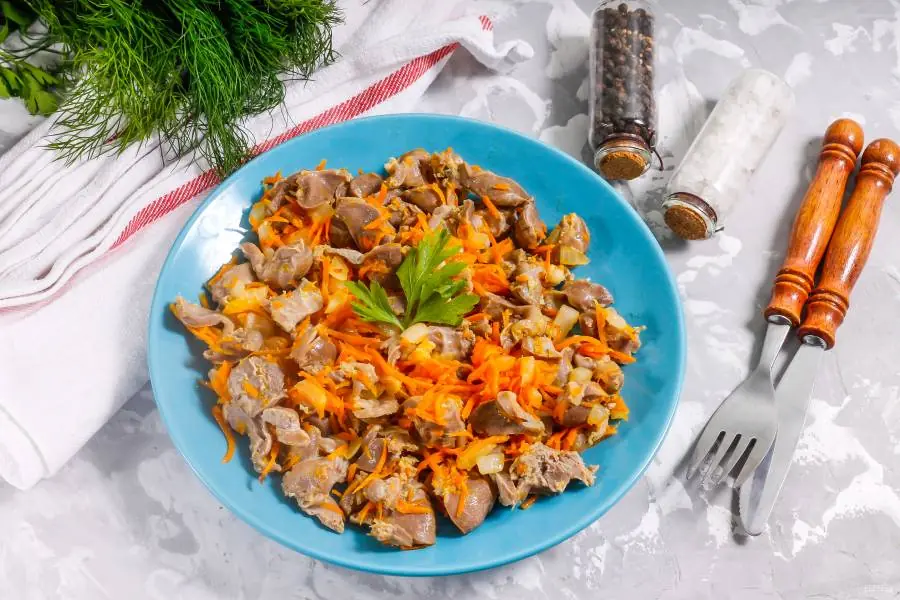
Chicken gizzards are not the first food that comes to mind when people think about healthy eating. Many shoppers head straight for chicken breast, eggs, fish, or lean meat when they want a protein-rich meal. Yet gizzards, a type of poultry organ meat, have quietly remained part of traditional cooking in many countries.
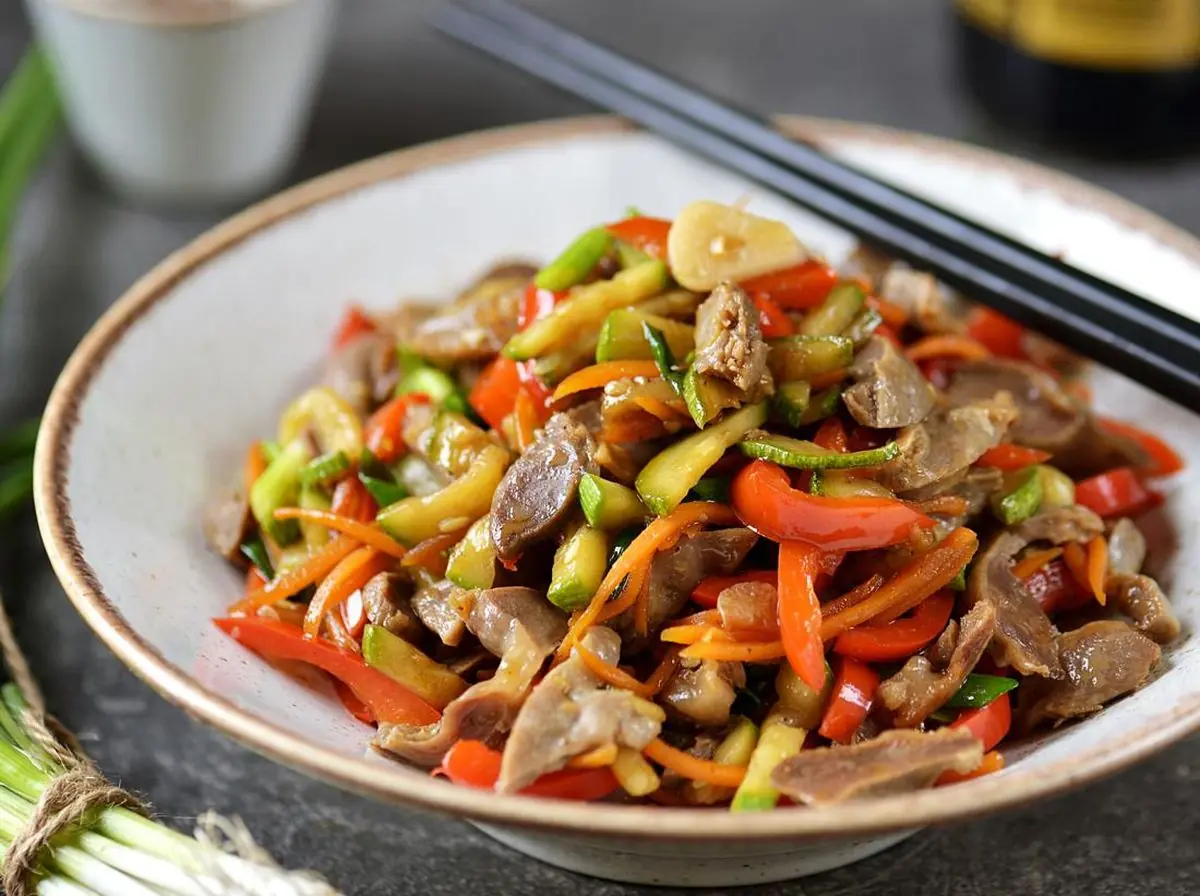
They are inexpensive, widely available, and can be prepared in numerous ways. In some kitchens, they are simmered until tender and added to soups. In others, they are grilled, stir-fried with vegetables, or cooked with garlic, onions, and spices.
Their distinctive texture may not appeal to everyone, but their nutritional profile deserves attention.
The viral image accompanying this topic suggests that eating chicken gizzards could mean people no longer need to take something else. The missing words are important: the image does not identify the supplement or nutrient being discussed. More importantly, no single food can automatically replace every supplement a person might need.
What chicken gizzards can do is contribute useful nutrients to a balanced diet.
What exactly is a chicken gizzard?
A gizzard is part of a bird's digestive system. Unlike humans, chickens do not rely on teeth to chew food. Instead, the gizzard is a muscular organ that helps grind food, often with the assistance of small stones or grit that the bird has swallowed.
Because it performs this mechanical function, the gizzard has a firm, dense texture. That is why it generally needs longer cooking than tender cuts of chicken.
It is also why preparation matters. Properly cleaned and slowly cooked gizzards can become pleasantly tender, while poorly prepared ones may remain tough and chewy.
Although it is an organ meat, a chicken gizzard is not the same as a liver. The two have different nutritional profiles and should not be treated as interchangeable.
A concentrated source of protein
One of the most useful qualities of chicken gizzards is their protein content.
Protein provides amino acids that the body uses to build and maintain muscles, repair tissues, produce enzymes, and support many other essential functions.
A nutritional analysis based on cooked, simmered chicken gizzards reports approximately 30 grams of protein per 100 grams, although exact values vary according to the cooking method and food database.
MyFoodAnalysis+1
This makes gizzards a substantial protein option for people who enjoy organ meats.
Protein can also help meals feel satisfying. When combined with vegetables and an appropriate portion of rice, potatoes, or another carbohydrate source, gizzards can form part of a balanced lunch or dinner.
However, eating more protein does not automatically mean building more muscle. Physical activity, total energy intake, sleep, and overall dietary quality also matter.
Iron: A nutrient worth understanding
Chicken gizzards also provide iron, a mineral needed to produce hemoglobin, the protein in red blood cells that carries oxygen throughout the body.
Iron supports normal energy metabolism and helps tissues receive the oxygen they need.
A lack of iron can lead to iron-deficiency anemia. Common symptoms include tiredness, weakness, shortness of breath, headaches, and noticeable heartbeats.
The National Institutes of Health explains that meat and poultry contain heme and non-heme iron. Heme iron is generally more readily absorbed by the body than the non-heme iron found in plant foods.
This makes chicken gizzards one possible contributor to dietary iron intake.
But there is an important difference between eating an iron-containing food and treating an established iron deficiency.
Someone with anemia may need blood tests, medical investigation, and prescribed iron tablets. Eating gizzards can support a nutritious diet, but it should not be considered a replacement for treatment.
Vitamin B12 and other nutrients
Chicken gizzards also contain vitamin B12, zinc, selenium, and several B vitamins, although the exact amounts depend on the source and preparation.
Vitamin B12 plays an important role in normal nerve function and red blood cell formation. Zinc supports immune function, wound healing, and many cellular processes.
These nutrients make gizzards more than simply a source of protein.
Still, no single food provides everything the body requires. A varied diet containing vegetables, fruits, grains, legumes, dairy or suitable alternatives, and different protein sources remains important.
The real lesson is simple: chicken gizzards can be a nutritious addition to meals, but their value comes from being one part of a varied eating pattern—not from replacing every other food or supplement.
Chapter 2: Could Chicken Gizzards Help With Iron and Vitamin B12 Intake?
The suggestion that chicken gizzards might replace a supplement is particularly interesting because they contain several nutrients associated with blood health and normal nerve function.
Iron and vitamin B12 are two examples.
Both are essential, and deficiencies can affect how people feel and function. However, they have different roles in the body, different causes of deficiency, and different treatment requirements.
Understanding those differences is more useful than believing a viral headline that promises one food can solve several health problems.
Why iron matters so much
Iron is essential for the production of hemoglobin. This protein is found in red blood cells and helps transport oxygen from the lungs to the rest of the body.
When iron levels become too low, the body may struggle to produce enough healthy red blood cells.
The result can be iron-deficiency anemia.
People with this condition may experience persistent tiredness, reduced energy, headaches, pale skin, shortness of breath, or heart palpitations.
Some people also experience unusual symptoms, such as restless legs, changes in their nails, or a desire to eat non-food substances.
The NHS explains that iron-deficiency anemia is commonly investigated with blood tests, including a full blood count. Treatment may involve iron tablets and dietary changes, depending on the cause.