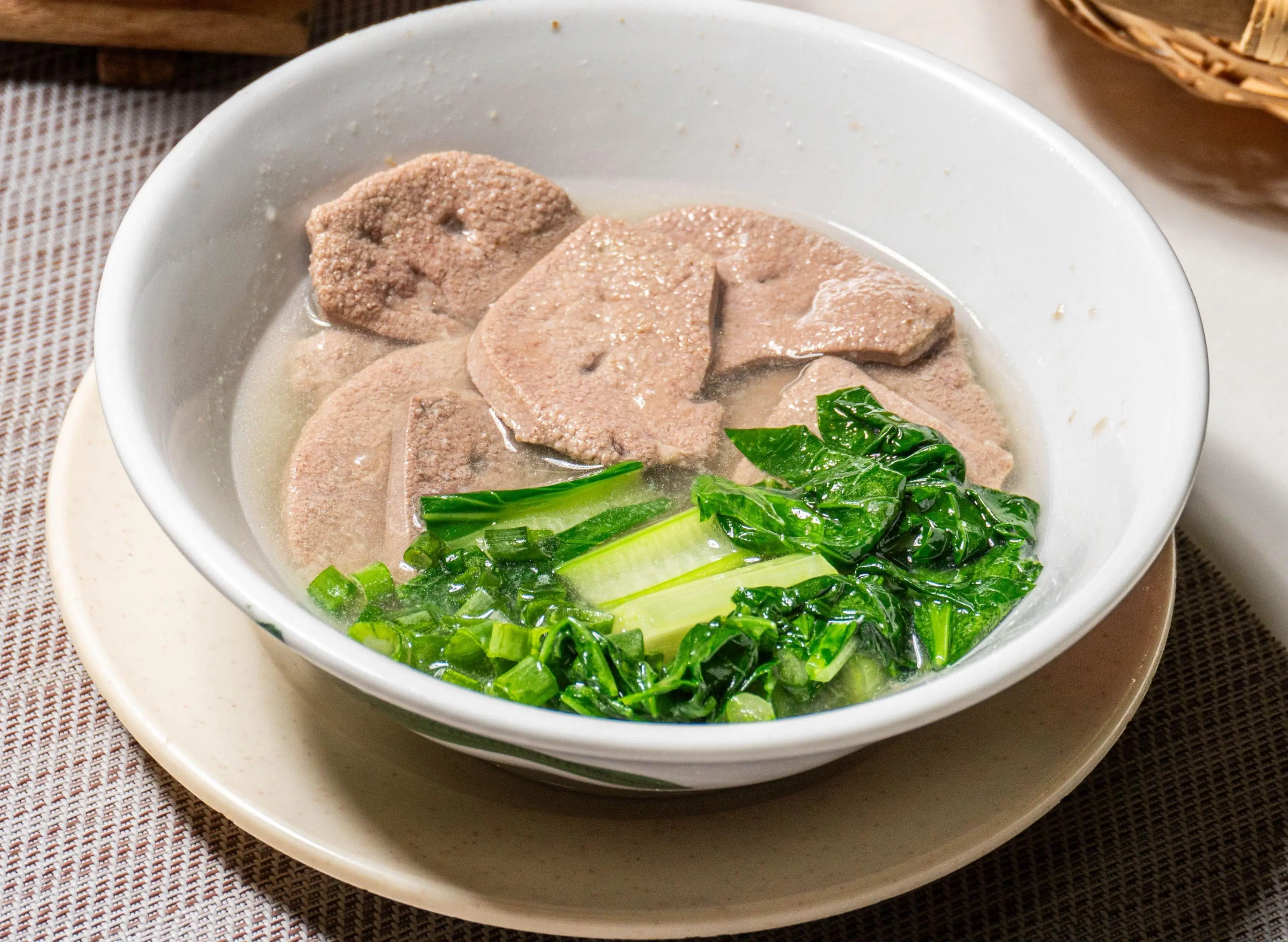
Doctors Warn About Three Popular Dishes That May Carry Hidden Food Safety Risks
Food safety experts urge caution when eating certain high-risk dishes.
Health 21/07/2026 00:04
Cloves and bay leaves are two aromatic ingredients that have been used in kitchens and traditional practices for centuries. While they are best known for enhancing the flavor of soups, stews, rice dishes, sauces, and teas, they have also earned a place in many household traditions around the world.
On social media, you may come across claims that combining cloves and bay leaves can repel insects, purify the air, eliminate odors, or even improve health in remarkable ways. Although these claims are popular, it is important to distinguish traditional practices from scientifically established evidence.
Research has shown that cloves and bay leaves contain a variety of naturally occurring plant compounds with antioxidant and antimicrobial properties. However, there is limited scientific evidence that simply placing them together around the home or preparing simple homemade mixtures provides the wide-ranging benefits often claimed online.
Let's explore what science knows about these two popular herbs, their potential health benefits when used in food, and their common household uses.
![[100g] Lá Nguyệt Quế, Hoa Hồi khô, Quế Khô, Đinh hương Khô, Lá Gia vị](https://down-vn.img.susercontent.com/file/vn-11134207-7ras8-m1aqazirhzywfd)
Cloves are the dried flower buds of the Syzygium aromaticum tree, native to Indonesia but now cultivated in many tropical regions.
They have a warm, slightly sweet flavor and are commonly used in:
Soups
Rice dishes
Curries
Baked goods
Herbal teas
Spice blends
Cloves are particularly rich in eugenol, a naturally occurring compound responsible for much of their distinctive aroma.
They also contain:
Manganese
Fiber
Vitamin K
Antioxidant polyphenols
Bay leaves usually come from the Laurus nobilis tree, often called the bay laurel.
Fresh or dried bay leaves are widely used to flavor:
Soups
Stews
Stocks
Sauces
Beans
Meat dishes
Bay leaves contain aromatic compounds such as:
1,8-cineole
Linalool
Eugenol (in smaller amounts)
Various flavonoids
These compounds contribute to their pleasant fragrance and are being studied for potential biological effects.
Cloves are among the richest spice sources of antioxidants.
Antioxidants help protect cells from oxidative stress caused by unstable molecules known as free radicals.
A diet rich in antioxidant-containing foods may contribute to long-term health, although no single food can prevent chronic disease.
![[100g] Lá Nguyệt Quế, Hoa Hồi khô, Quế Khô, Đinh hương Khô, Lá Gia vị](https://down-vn.img.susercontent.com/file/vn-11134207-7ras8-m1aqgxh6h8v0d6)
Clove oil has traditionally been used for temporary relief of tooth discomfort.
Eugenol has been studied for its mild numbing and antimicrobial properties.
In fact, eugenol is still used in certain dental materials by dental professionals.
However, concentrated clove oil should never be applied excessively or swallowed without medical guidance.
Laboratory studies suggest that eugenol may influence inflammatory pathways.
While these findings are promising, more high-quality human studies are needed to determine how these effects translate into everyday health.
Bay leaves contain essential oils and polyphenols that contribute to their aroma and antioxidant activity.
Although people generally consume only small amounts in cooking, they add flavor without increasing sodium or calories.
In many traditional cuisines, bay leaves have been used to flavor meals that are rich in beans or meats.
While some people believe bay leaves help digestion, scientific evidence remains limited.
Their primary role is culinary rather than medicinal.
Because bay leaves add depth of flavor to soups and stews, they may help reduce the need for excessive salt in recipes.
Reducing sodium intake is one strategy recommended for maintaining healthy blood pressure.
Many online posts recommend combining cloves and bay leaves in different ways, such as:
Simmering them in water.
Placing them in bowls around the home.
Burning them.
Making homemade sachets.
Brewing herbal infusions.
The combination creates a warm, pleasant aroma because both ingredients contain naturally occurring essential oils.
However, scientific evidence supporting many of the dramatic claims is limited.
One of the most common reasons people combine cloves and bay leaves is simply for their fragrance.
When gently simmered in water, they release aromatic compounds that can temporarily make a room smell fresh and inviting.
This practice is similar to making a homemade stovetop potpourri.
Some cultures have traditionally placed cloves or bay leaves in kitchen cabinets or pantries.
Laboratory studies have found that certain compounds found in these plants may have insect-repelling properties under controlled conditions.
However, placing a few cloves or bay leaves around the house should not be considered a proven replacement for professional pest control if an infestation is present.
Some people include bay leaves in containers of rice, flour, or grains as part of traditional food storage practices.
While anecdotal reports are common, scientific evidence supporting this method as a reliable pest prevention strategy is limited.
Proper food storage using airtight containers remains the most effective approach.
Cloves and bay leaves can be combined with ingredients such as:
Cinnamon sticks
Orange peels
Lemon slices
Star anise
Rosemary
These mixtures are often used to naturally fragrance indoor spaces during autumn and winter.
Herbal teas containing cloves and bay leaves are popular in many cultures.
These beverages may provide:
Warmth
Hydration
Flavor
Small amounts of plant compounds
However, there is no strong scientific evidence that drinking clove and bay leaf tea detoxifies the body, melts body fat, cures infections, or treats chronic diseases.
Any potential health benefits are likely modest and should be viewed as part of an overall healthy lifestyle.
When used in normal culinary amounts, cloves and bay leaves are generally considered safe for most healthy adults.
However, some precautions are important.
Large amounts of clove oil may:
Irritate the mouth or digestive tract.
Be toxic if swallowed in significant quantities.
Increase bleeding risk in some individuals because of eugenol.
People taking blood-thinning medications or preparing for surgery should discuss supplement use with their healthcare provider.
Whole dried bay leaves remain tough even after cooking.
They should usually be removed before serving because they may present a choking hazard or irritate the digestive tract if swallowed whole.
Fact: While they create a pleasant aroma, there is no strong scientific evidence that they purify indoor air or remove pollutants.
Fact: Some compounds have shown antimicrobial activity in laboratory studies, but this does not mean that placing cloves and bay leaves around a room disinfects the air or surfaces.
Fact: These herbs may be part of a healthy diet, but they are not proven treatments for chronic illnesses or infections.
Fact: Although certain plant compounds have been studied for insect-repelling properties, household effectiveness varies and should not replace evidence-based pest control methods.
Fact: Excessive consumption of herbs or concentrated essential oils may cause side effects or interact with medications.
If you enjoy these aromatic herbs:
Use them to season soups, stews, sauces, and rice dishes.
Prepare a stovetop potpourri for a pleasant natural fragrance.
Store them in airtight containers to preserve freshness.
Remove whole bay leaves before serving meals.
Use essential oils only according to product directions and keep them out of reach of children and pets.
Cloves and bay leaves are flavorful culinary ingredients that have been valued for centuries in kitchens and traditional household practices. They contain naturally occurring compounds such as eugenol, cineole, and various antioxidants, which are being studied for their potential health-supporting properties. When used in cooking, they can add rich flavor while contributing small amounts of beneficial plant compounds to the diet.
Although many online posts claim that combining cloves and bay leaves can purify the air, repel pests, detoxify the home, or dramatically improve health, current scientific evidence does not support these broad claims. Their most reliable benefits remain their role in enhancing the flavor of foods and providing a pleasant natural aroma. Enjoyed in moderation as part of a balanced lifestyle, cloves and bay leaves can be a valuable addition to both the kitchen and the home—but they should not be viewed as substitutes for proven medical treatments or evidence-based household practices.
Food safety experts urge caution when eating certain high-risk dishes.

💧 Most People Ignore Morning Dry Mouth—Until They Learn These 8 Reasons 😨

8 Types of Pain That Could Signal an Underlying Health Condition

🧐 Is Urinating in the Shower Really as Safe as People Think?

Why Turmeric Is Popular: Exploring Its Potential Health Benefits

⚠️ Your Body May Be Sending a Message if Frequent Gas Comes With These Symptoms 👇
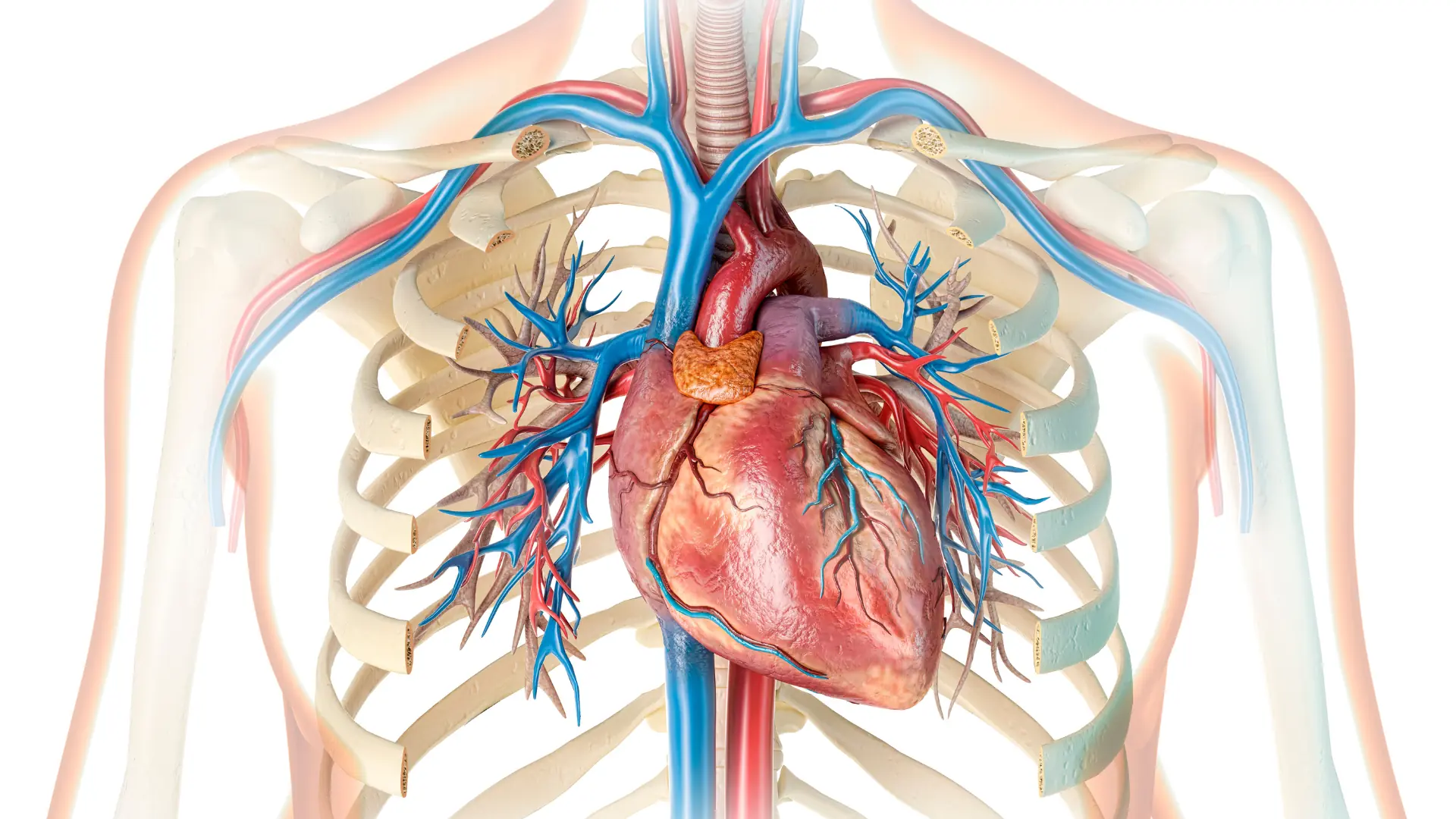
Many Heart Attacks Are Preceded by Warning Signs—Here Are 7 to Recognize ❤️

Why More Nutritionists Recommend Eating Walnuts Every Day 👇

8 Possible Warning Signs of Kidney Problems You Shouldn't Ignore









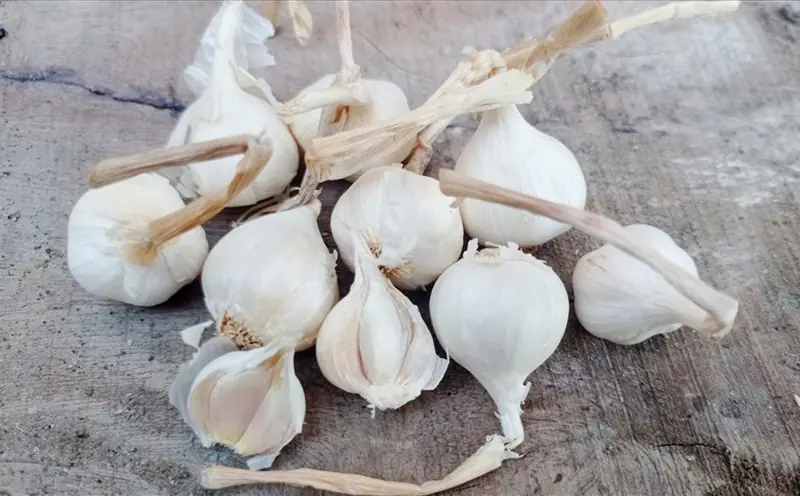
8 Ways Garlic May Support Your Health
Food safety experts urge caution when eating certain high-risk dishes.
💧 Most People Ignore Morning Dry Mouth—Until They Learn These 8 Reasons 😨
8 Types of Pain That Could Signal an Underlying Health Condition
🧐 Is Urinating in the Shower Really as Safe as People Think?
Why Turmeric Is Popular: Exploring Its Potential Health Benefits
⚠️ Your Body May Be Sending a Message if Frequent Gas Comes With These Symptoms 👇
Many Heart Attacks Are Preceded by Warning Signs—Here Are 7 to Recognize ❤️
Why More Nutritionists Recommend Eating Walnuts Every Day 👇


8 Possible Warning Signs of Kidney Problems You Shouldn't Ignore