
He Thought It Was Just an Allergy Then Doctors Revealed the Real Cause
What Looked Like an Ordinary Allergy Turned Out to Require Medical Attention
⏱️ 1 min read 08/08/2026 10:20
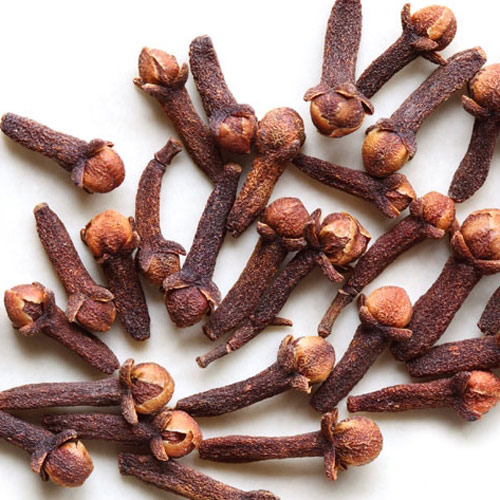
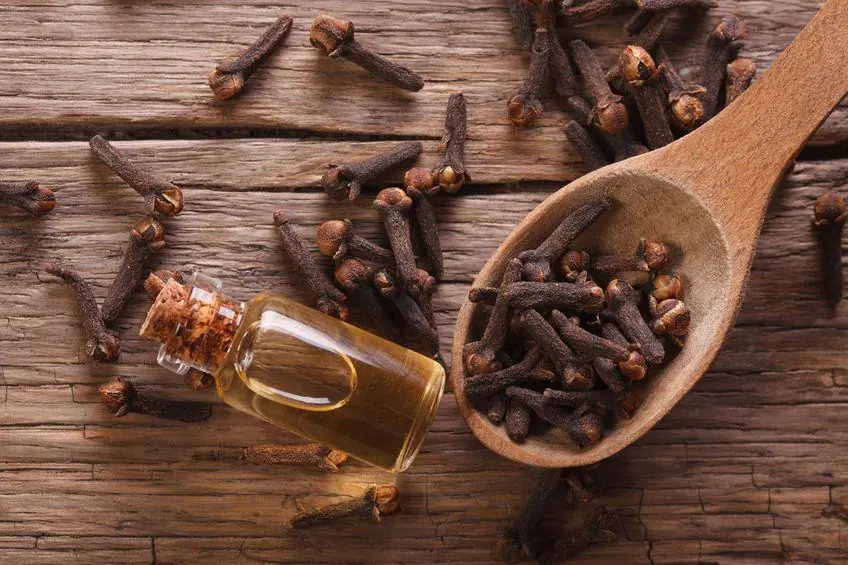
Cloves are tiny aromatic flower buds, but they contain a surprisingly concentrated collection of plant compounds. Used for centuries as a culinary spice and in traditional medicine, cloves are valued for their distinctive flavor as well as their antioxidant and antimicrobial properties.
For women, cloves may offer several potential health benefits when consumed as part of a balanced diet. However, it's important to separate traditional uses and promising laboratory findings from benefits that have been firmly demonstrated in human clinical studies. Cloves are not a cure for hormonal disorders, infertility, infections, or other medical conditions.
So, what makes this familiar spice interesting from a health perspective?
Cloves are the dried flower buds of the Syzygium aromaticum tree, which is native to the Maluku Islands of Indonesia.
They are commonly used in:
Cooking
Baking
Tea
Spice blends
Traditional herbal preparations
Their strong aroma comes largely from eugenol, a natural compound that gives cloves their characteristic scent and flavor.
Cloves also contain smaller amounts of other plant compounds, including flavonoids and other polyphenols.

One of the most notable characteristics of cloves is their high concentration of antioxidant compounds.
Antioxidants help protect cells from oxidative stress, a process involving reactive molecules that can damage cellular components.
Cloves contain compounds such as:
Eugenol
Flavonoids
Phenolic compounds
Adding small amounts of cloves to meals can therefore contribute plant-based antioxidant compounds to the diet.
However, antioxidant activity observed in laboratory experiments does not automatically mean that eating cloves will prevent a particular disease.
Cloves have a long history of traditional use for dental discomfort.
Eugenol has been studied for its:
Antimicrobial activity
Local soothing effects
Potential anti-inflammatory properties
Dentistry has historically used eugenol-containing materials in certain applications.
Clove oil, however, should not be applied directly to the gums or swallowed without professional guidance, because concentrated essential oils can irritate or damage tissues.
For everyday use, incorporating cloves into food or an occasional beverage is considerably gentler.
Chronic inflammation is involved in many health conditions.
Laboratory and experimental research suggests that compounds in cloves, particularly eugenol, may influence inflammatory pathways.
This has generated interest in cloves as a potential dietary source of anti-inflammatory plant compounds.
However, more human research is needed to determine whether ordinary dietary consumption produces meaningful anti-inflammatory effects.
Cloves have traditionally been used to support digestion.
Some people consume clove-infused beverages after meals because the spice may feel soothing and warming.
Traditional uses have included support for:
Gas
Bloating
Indigestion
Appetite
Scientific evidence for treating digestive disorders with cloves remains limited, so persistent abdominal symptoms should not be treated with cloves alone.
Researchers have investigated whether compounds in cloves may influence glucose metabolism.
Laboratory and preliminary studies suggest that certain compounds in cloves may affect:
Glucose uptake
Insulin signaling
Oxidative stress
However, these findings do not mean that cloves can treat diabetes.
Women with diabetes should continue following their prescribed treatment and should not replace medication with herbal remedies.
Adding a small amount of cloves to a healthy diet may be reasonable for many people, but it should be viewed as a food—not a diabetes treatment.
Although cloves are normally consumed in small quantities, they contain several micronutrients.
These include:
Manganese
Vitamin K
Calcium
Magnesium
Because only a small amount of the spice is typically eaten, cloves should not be considered a major source of these nutrients.
A varied diet remains much more important.

This is an area where online claims often go far beyond the evidence.
You may encounter claims that cloves can:
Balance hormones
Regulate menstrual cycles
Improve fertility
Increase estrogen
Treat ovarian problems
At present, there isn't enough high-quality human evidence to conclude that eating cloves can reliably produce these effects.
Some experimental research has examined plant compounds and reproductive health, but findings from laboratory or animal studies cannot automatically be applied to women.
If you experience irregular periods, infertility, severe menstrual pain, or other reproductive symptoms, proper medical evaluation is more important than relying on cloves.
Cloves contain antioxidant and antimicrobial compounds that have attracted scientific interest.
A healthy immune system depends on many factors, including:
Adequate nutrition
Good sleep
Physical activity
Stress management
Vaccination when appropriate
Cloves can contribute useful plant compounds to the diet, but they should not be considered an immune "booster" or substitute for medical treatment.
The strong aromatic compounds in cloves can temporarily mask unpleasant breath odors.
Because eugenol has antimicrobial properties, cloves have traditionally been used in oral-care practices.
However, chewing whole cloves is not a replacement for brushing, flossing, professional dental care, or treatment of gum disease.
Persistent bad breath may indicate:
Gum disease
Tooth decay
Dry mouth
Sinus problems
Digestive or other medical conditions
One simple benefit of cloves is often overlooked: they make healthy foods more flavorful.
You can use cloves in:
Oatmeal
Unsweetened tea
Baked apples
Whole-grain dishes
Homemade spice blends
Roasted vegetables
Soups and stews
Using aromatic spices can make it easier to reduce dependence on excess sugar or salt while still enjoying flavorful meals.
Clove tea is easy to prepare.
A simple approach is to add a small amount of whole cloves to hot water and allow them to steep.
Some people combine cloves with:
Cinnamon
Ginger
Lemon
Black tea
However, stronger is not necessarily better.
There is no established requirement to drink clove tea every day, and concentrated preparations may increase the risk of side effects.
This is where extra caution is necessary.
Clove oil is much more concentrated than culinary cloves.
Undiluted clove oil can cause:
Skin irritation
Mouth irritation
Burning
Allergic reactions
Toxic effects if swallowed in significant amounts
Large amounts of eugenol can be harmful, particularly to the liver.
For this reason, never assume that because cloves are safe as a food, concentrated clove oil is automatically safe to consume.
Culinary amounts of cloves used in food are generally very different from concentrated supplements or essential oils.
However, safety data for medicinal doses of cloves during pregnancy and breastfeeding are limited.
Pregnant or breastfeeding women should speak with a healthcare professional before using concentrated clove preparations, supplements, or clove oil.
Extra caution may be appropriate for people who:
Take blood-thinning medication
Have a bleeding disorder
Have liver disease
Have upcoming surgery
Are pregnant or breastfeeding
Have known allergies to cloves
Are taking multiple medications
Cloves and concentrated eugenol may potentially affect blood clotting, so anyone taking anticoagulant or antiplatelet medication should discuss medicinal use with their healthcare provider.
For most healthy adults, using small amounts of cloves as a culinary spice is generally reasonable.
But there is an important distinction between:
Culinary use
and
High-dose supplementation.
Sprinkling a little ground clove into oatmeal is very different from consuming concentrated clove extracts or essential oil every day.
More is not necessarily better.
There is not enough evidence to support this claim.
Hormonal disorders require proper diagnosis and individualized treatment.
There is no strong clinical evidence that cloves can cure infertility.
Fertility problems can have many causes and should be evaluated by a healthcare professional.
Your liver and kidneys already perform the body's major waste-processing functions.
No tea has been proven to "detox" the body in the way social media often suggests.
Natural substances can still have powerful biological effects.
Concentrated clove oil is a good example.
If you enjoy the flavor, there are plenty of simple options.
Try adding a small amount to:
Morning oatmeal
Apple or pear dishes
Homemade granola
Unsweetened tea
Smoothies in very small quantities
Lentil or bean dishes
Soups
Spice rubs
Whole cloves can also be used during cooking and removed before serving.
Cloves can be a useful addition to a healthy diet, but they should not become the focus of your health strategy.
For women looking to support long-term health, more important factors include:
Eating a varied diet
Getting enough protein and fiber
Regular physical activity
Maintaining a healthy weight
Getting adequate sleep
Managing stress
Avoiding tobacco
Limiting excessive alcohol
Attending recommended health screenings
These habits have substantially stronger evidence behind them than most herbal remedies.
Don't rely on cloves to manage symptoms such as:
Very heavy menstrual bleeding
Persistent pelvic pain
Irregular periods
Unexplained weight changes
Infertility
Severe digestive symptoms
Unusual vaginal bleeding
These symptoms can have many possible causes and deserve proper medical evaluation.
Cloves are much more than a flavorful kitchen spice. They contain eugenol and other plant compounds with antioxidant, antimicrobial, and potentially anti-inflammatory properties. For women, incorporating modest amounts of cloves into a balanced diet may contribute to overall nutritional variety and provide useful plant compounds.
However, claims that cloves can balance hormones, cure infertility, prevent cancer, or treat major diseases are not supported by sufficient clinical evidence.
The safest approach is simple: enjoy cloves as a food, avoid excessive amounts and concentrated essential oils, and speak with a healthcare professional before using high-dose clove supplements.
There is a reason cloves have remained popular in traditional cuisines and herbal practices for centuries. Their distinctive flavor, concentrated plant compounds, and versatility make them an interesting addition to a healthy diet.
But when it comes to women's health, it's important to keep expectations realistic. Cloves can complement a healthy lifestyle, but they are not a miracle remedy.
Used as a culinary spice, cloves can add flavor and beneficial plant compounds to everyday meals. Combined with nutritious foods, regular exercise, adequate sleep, preventive healthcare, and appropriate medical treatment when needed, this small spice can be one enjoyable part of a much bigger approach to long-term wellness.
What Looked Like an Ordinary Allergy Turned Out to Require Medical Attention

Why Experts Want You to Check Your Palms and Soles Today
This nutrient-rich vegetable may support blood sugar and heart health.

Your veins are suddenly visible? The reason may surprise you.

Hard-boiled eggs are nutritious, versatile, and full of surprising facts.

Cloves are more than a kitchen spice—they may offer surprising health benefits.
No single food prevents cancer, but healthy habits can lower your risk.

🥜 What Happens to Your Body When You Eat Too Many Peanuts? The Answer May Surprise You
😳 You Always Sleep on Your Right Side? Doctors Say You Should Know This…
🌰 What Really Happens When You Eat Walnuts? The Answer May Surprise You… See More 👇
Scientists Are Still Discovering What Cloves Can Do
Peanuts offer many nutrients, but they aren't the right choice for everyone.
🥑 Before You Eat Another Avocado, Know These 5 Situations Where Caution May Be Needed
👀 Doctors Reveal What Guava May Do Inside Your Body — The Answer May Surprise You…

👀 8 Subtle Warning Signs Your Body May Send Before a Serious Health Problem

Experts Say All 3 Should Go

😳 Before a Heart Attack, Your Body May Send These 7 Warning Signals

😳 Not Every Bruise Is Harmless: Here’s What Unusual Bruising Could Mean

🥒 What Daily Cucumber Eating Really Does to Your Body — You Might Be Surprised
THEY JUDGED THE WRONG MAN
What Looked Like an Ordinary Allergy Turned Out to Require Medical Attention
The Day My Father Went Bankrupt
Why Experts Want You to Check Your Palms and Soles Today
This nutrient-rich vegetable may support blood sugar and heart health.
Your veins are suddenly visible? The reason may surprise you.
Hard-boiled eggs are nutritious, versatile, and full of surprising facts.
Cloves are more than a kitchen spice—they may offer surprising health benefits.
What That Odd Bulge on Your Window Bars Is Really For
These Everyday Cat Behaviors Reveal How They Really Feel
A simple classroom photo sparked a debate over children's online privacy.
No single food prevents cancer, but healthy habits can lower your risk.
In a world where data is currency and privacy is a fragile illusion, surveillance takes many forms. A striking, high-tension digital snapshot has recently captivated online audiences, offering a glimpse into a high-stakes environment where every keystroke
🥜 What Happens to Your Body When You Eat Too Many Peanuts? The Answer May Surprise You
In a digital landscape filled with curated displays of flawless affection, a single, emotionally charged image has shattered the facade. Capturing a raw moment of physical closeness eclipsed by a stark psychological distance, this visual narrative is forc
In a realm where crowns are worn as shields and identities can be forged or forgotten, the past has a dangerous way of returning to the gates. A compelling story of intrigue, royal deceit, and long-lost faces has captured the collective imagination online