
COFFEE: The MOST Detailed Breakdown of Benefits & Harms
Coffee is honestly one of the most complex drinks on Earth — with over 1,000 bioactive compounds, it affects nearly every system in the body: brain, heart, liver, hormones, nerves, metabolism.
Here’s the ultra-detailed version you asked for 👇
⭐ PART 1 — DETAILED BENEFITS OF COFFEE
1. Coffee & The Brain (Neuroscience Level)
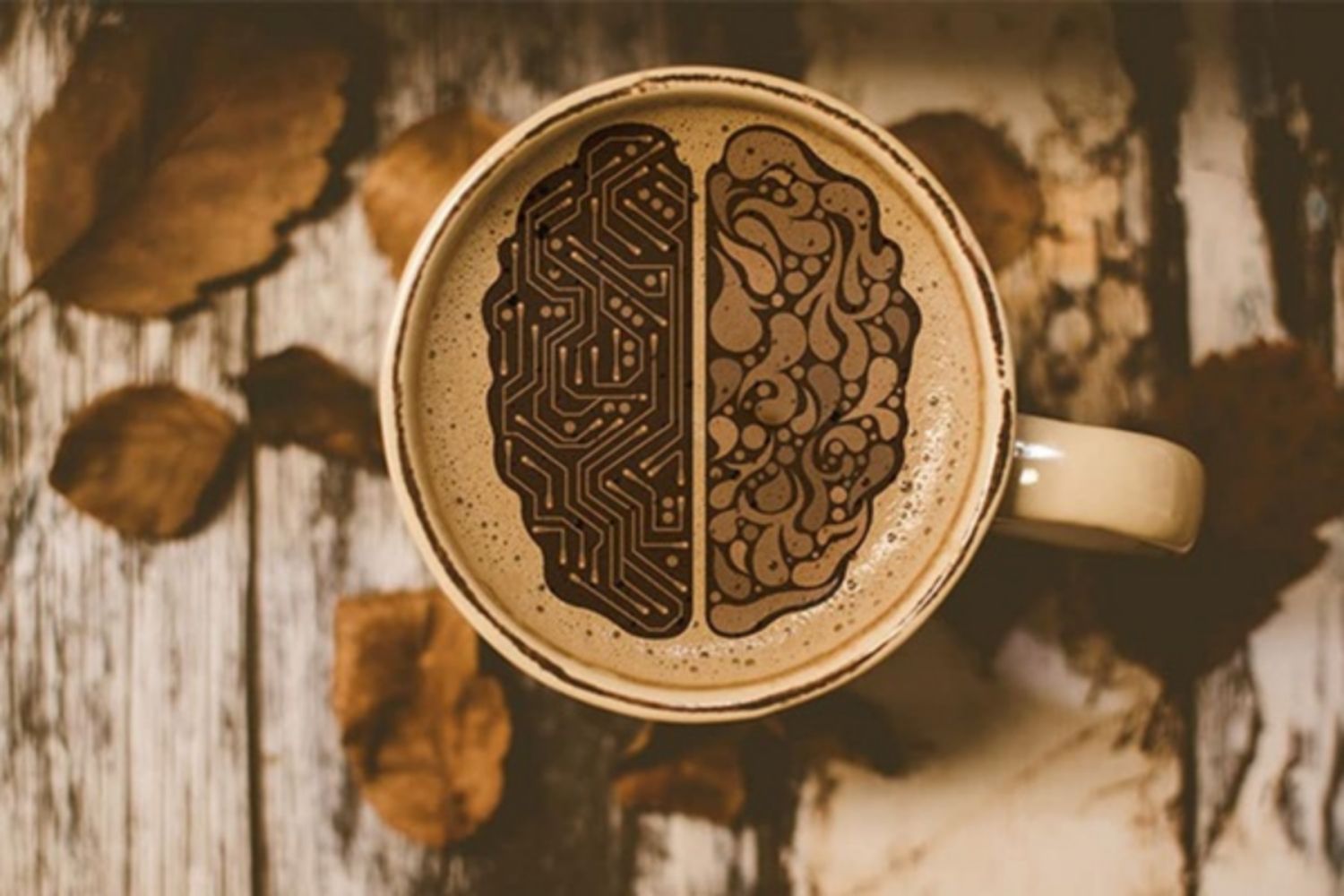
Coffee improves brain function through multiple mechanisms:
✔ Blocks Adenosine
Adenosine = neurotransmitter that makes you sleepy.
Caffeine blocks adenosine receptors → keeps your brain awake, alert, and active.
✔ Boosts Dopamine
This is the “motivation + pleasure” chemical.
→ That’s why coffee makes you feel motivated, focused, and even happier.
✔ Increases Brain-Derived Neurotrophic Factor (BDNF)
BDNF = “fertilizer for your neurons.”
It helps:
-
Create new brain cells
-
Strengthen neural connections
-
Improve long-term memory
Low BDNF = depression + brain fog → coffee helps counterbalance that.
✔ Reduces Risk of Neurodegenerative Disease
Research shows up to 60% lower risk of Parkinson’s and up to 30% lower risk of Alzheimer’s in regular coffee drinkers.
Coffee protects brain cells from inflammation + oxidative damage.
2. Coffee & Physical Performance

Coffee is one of the most effective natural pre-workouts because it:
✔ Boosts adrenaline (epinephrine)
→ Your body becomes faster, stronger, more awake.
✔ Mobilizes fatty acids
Coffee increases fat breakdown → your muscles burn fat for energy.
✔ Improves endurance
Athletes run longer, lift heavier, and train harder with caffeine.
3. Coffee & Metabolism / Weight Loss
Coffee directly impacts metabolism:
✔ Raises metabolic rate by 3–11%
Meaning you burn more calories simply by existing.
✔ Suppresses appetite
Caffeine reduces the hunger hormone ghrelin.
✔ Improves fat oxidation
Especially during workouts — that’s why fat-burning pills contain caffeine.
4. Coffee & The Liver
Coffee protects one of the most hardworking organs:
✔ Lowers risk of fatty liver disease
Coffee reduces liver fat accumulation.
✔ Helps prevent cirrhosis
People who drink 2–3 cups/day have up to 70% lower risk of liver cirrhosis.
✔ Supports liver detox enzymes
Helps your liver break down toxins more efficiently.
5. Coffee & Mood / Mental Health
Moderate caffeine intake can:
-
increase serotonin & dopamine
-
elevate mood
-
reduce risk of depression (up to 20%)
-
decrease suicide risk
Coffee literally gives your brain a chemical “lift.”
6. Coffee & Antioxidants
Coffee is one of the richest dietary sources of antioxidants — more than tea, wine, or fruit.
→ Protects cells
→ Slows aging
→ Reduces inflammation
→ Helps prevent chronic diseases
⚠ PART 2 — DETAILED HARMS OF COFFEE
Here’s the deeper explanation of the harmful effects — the version few people talk about.
1. Coffee & Hormone Disruption (Especially in Women)
Coffee spikes cortisol — your stress hormone.
Chronic high cortisol =
-
belly fat
-
acne
-
irregular periods
-
mood swings
-
insomnia
-
hormonal imbalance
Women metabolize caffeine slower than men → effects last longer.
2. Coffee & Heart Health (When Overused)
✔ Increases heart rate
You may feel:
-
palpitations
-
chest tightness
-
anxiety
✔ Spikes blood pressure
This can be dangerous for people with hypertension.
✔ May trigger arrhythmia
Especially in people with:
-
thyroid issues
-
heart disease
-
high stress levels
3. Coffee & The Nervous System
Excess caffeine overstimulates the nervous system → symptoms include:
-
shaking
-
sweaty hands
-
restlessness
-
hyperactivity
-
anxiety
-
trouble focusing
Long-term? → It can exhaust your adrenal system, causing burnout and fatigue.
4. Coffee & Digestive System
Coffee increases stomach acid → causing:
-
acid reflux
-
gastritis
-
stomach pain
-
nausea
-
diarrhea
People with GERD or ulcers should avoid strong coffee.
5. Coffee & Sleep Cycles
Coffee can stay in the body 6–10 hours.
Even when you “don’t feel it,” it still disrupts deep sleep phases.
Effects include:
-
difficulty falling asleep
-
waking up multiple times
-
light sleep
-
morning tiredness
Poor sleep → hormone chaos → weight gain → anxiety → health decline.
6. Coffee & Bones
Too much coffee reduces calcium absorption.
Over time, this increases risk of:
-
osteoporosis
-
weak bones
-
joint pain
Especially dangerous for women after age 30.
7. Coffee & Dehydration
Caffeine is a diuretic → makes you pee more → increases dehydration.
Symptoms:
-
headaches
-
dry skin
-
fatigue
-
dizziness
You MUST drink extra water if you drink coffee daily.
8. Coffee Addiction & Withdrawal
Caffeine changes brain chemistry → dependence.
When you stop, you may feel:
-
headaches
-
low mood
-
irritability
-
brain fog
-
zero motivation
-
fatigue
Withdrawal can last 2–7 days.
👥 PART 3 — Who Should Limit or Avoid Coffee
❌ People with anxiety
Caffeine worsens symptoms.
❌ People with high blood pressure
Coffee spikes BP.
❌ People with GERD / stomach ulcers
Coffee increases stomach acid.
❌ Pregnant women
Too much caffeine increases miscarriage risk.
❌ People with insomnia
Coffee ruins sleep cycles.
❌ People with arrhythmia
Caffeine can trigger abnormal heart rhythms.
☕ PART 4 — Best Ways to Drink Coffee (Healthy Guide)
✔ Drink coffee AFTER breakfast (not on an empty stomach)
Protects stomach & stabilizes hormones.
✔ Limit 1–2 cups/day
400 mg caffeine max.
✔ Drink before 2 PM
To avoid sleep disruption.
✔ Choose healthier versions:
-
black coffee
-
americano
-
cold brew
-
coffee with a splash of milk
✔ Add water — LOTS of water
To stay hydrated.
❌ Worst Ways to Drink Coffee
-
coffee + empty stomach
-
coffee + sugary syrups (Starbucks-style)
-
coffee late at night
-
4–5 cups/day
-
coffee replacing meals
-
coffee before sleep
🌟 FINAL SUMMARY
Coffee = powerful.
It can turn you into a focused, energized, productive queen/king…
OR
It can wreck your sleep, stress your heart, mess with your hormones, and exhaust your nervous system.
Moderation is not optional — it’s essential.