Cold Mornings and Stroke Risk: The 3-Minute Rule Most People Ignore
A single rushed movement after waking up can trigger a stroke. Doctors therefore recommend the “3-minute slow-down rule” to protect the brain during cold weather.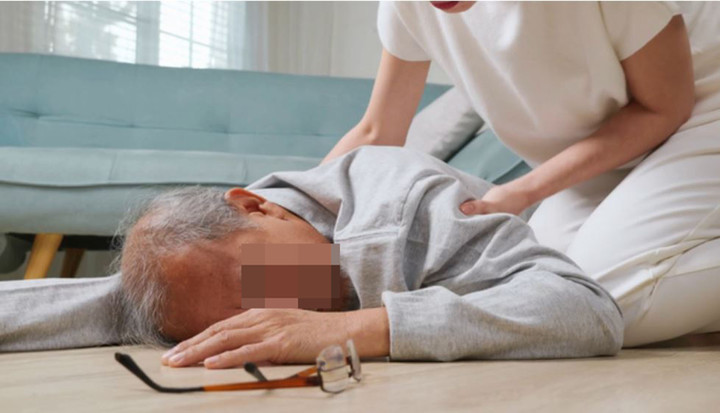
What is the “3-Minute Slow-Down Rule”?
During prolonged cold spells, hospitals often see a rise in stroke admissions—especially among older adults and people with underlying conditions such as cardiovascular disease, hypertension, or diabetes. In this context, Dr. Nguyen Tien Dung, Senior Consultant (Level II) at the Stroke Center of Bach Mai Hospital, has repeatedly emphasized a simple but frequently overlooked principle: slow down for three minutes after waking up in the morning.
According to Dr. Dung, when the body is at rest, sudden changes in posture—particularly in low temperatures—can cause sharp fluctuations in blood pressure. These abrupt changes increase the risk of cerebral vasoconstriction, heart rhythm disturbances, and even the onset of an acute stroke.
“Many stroke cases occur right after waking up, when patients get out of bed too quickly or step into the cold before their bodies have had time to adapt,” he explained.
For this reason, the “3-minute slow-down rule” is considered a safety brake for the body.
Specifically, after waking up, people should avoid jumping out of bed immediately. Instead, remain lying down for 3–5 minutes, gently move the arms and legs, massage the face and neck, and take deep breaths to gradually activate blood circulation. Only then should you slowly sit up, put on warm clothing, and leave the room.
This principle applies not only in the morning. Slowing down is also essential at other moments when the body is vulnerable to temperature shock—such as after bathing, after a daytime nap, or when moving from a warm indoor space to cold outdoor air. Sudden temperature changes can cause intense blood vessel constriction, significantly increasing the risk of stroke, especially in winter.
Five Golden Rules to Prevent Stroke in Cold Weather
In addition to following the “3-minute rule,” doctors advise adopting five key measures to reduce stroke risk during colder months.
First, keep the body properly warm, especially areas that lose heat quickly such as the head, neck, chest, and feet. When going outside, wear a hat, scarf, and socks to prevent cold-induced vasoconstriction.
Second, strictly control blood pressure and underlying health conditions. People with hypertension, heart disease, or diabetes should monitor blood pressure regularly, follow prescribed treatment plans, and never stop or change medication doses on their own during winter.
Third, limit alcohol consumption, smoking, and salty foods. Alcohol and nicotine can raise blood pressure and disrupt heart rhythms, while excessive salt intake causes fluid retention and elevated blood pressure—all major risk factors for stroke.
Fourth, drink enough warm water to prevent blood thickening. Many people drink less water in winter because they don’t feel thirsty, but dehydration quietly increases stroke risk.
Fifth, exercise gently indoors and avoid going outside too early in the morning when frost or very low temperatures are present. Sudden physical activity in cold environments can place excessive strain on the heart and brain.
Doctors also stress that stroke is an extreme medical emergency. “Time is brain,” they warn—every passing minute can lead to the irreversible loss of millions of brain cells. If symptoms such as facial drooping, weakness or paralysis in the limbs, slurred speech, or severe headache appear, emergency services must be called immediately and the patient taken to a medical facility equipped to treat stroke as soon as possible.
People should never rely on folk remedies such as pricking fingertips to draw blood, scraping therapy, drinking lemon water, or using unverified medications. These methods are ineffective and, worse, can waste the golden window for life-saving treatment and disability prevention.