Risk can also be influenced by:
-
A personal history of colorectal polyps
-
Previous colorectal cancer
-
A family history of colorectal cancer or certain polyps
-
Certain inherited genetic conditions
-
Inflammatory bowel disease
-
Lifestyle factors
-
Previous abdominal or pelvic radiation in certain circumstances
People with increased risk may need to begin screening earlier or undergo surveillance more frequently than people at average risk.
Family History Can Be Important
If a close relative has had colorectal cancer or certain types of polyps, tell your doctor.
Family history can influence when screening should begin and which screening strategy is appropriate.
This is particularly important if the relative was diagnosed at a relatively young age or if several family members have had colorectal cancer.
Some hereditary syndromes can substantially increase colorectal cancer risk.
In those situations, genetic counseling or specialized screening may be recommended.
Your Lifestyle Can Also Matter
Screening is one part of colorectal cancer prevention.
Lifestyle choices may also influence risk.
Several habits are generally associated with better overall health and may support colorectal health, including:
-
Eating a diet rich in vegetables, fruits and whole grains
-
Getting adequate dietary fiber
-
Maintaining a healthy body weight
-
Exercising regularly
-
Avoiding tobacco
-
Limiting alcohol
-
Eating processed meat less frequently
-
Following medical advice for chronic conditions
These habits cannot guarantee that someone will never develop a polyp or colorectal cancer.
Genetics, age and other factors also matter.
But healthy lifestyle choices can contribute to overall disease prevention.
Don't Wait for Blood in the Stool
One common misconception is that colorectal disease must cause visible bleeding.
It doesn't.
A polyp can bleed in tiny amounts that aren't visible to the naked eye.
And many polyps don't bleed at all.
That is why waiting until you see blood may mean waiting until a problem has already progressed.
If you are within the recommended screening age range, screening should be based on your risk and medical guidance—not simply on whether you currently have symptoms.
What If You Already Had a Polyp Removed?
Finding a polyp doesn't necessarily mean you are finished with colorectal screening.
Depending on the pathology report, number and size of polyps, and other factors, your doctor may recommend a surveillance colonoscopy at a particular interval.
The timing can vary substantially.
Some people may be advised to return after several years, while others with higher-risk findings may need earlier follow-up.
This is why it is important to keep your colonoscopy and pathology reports.
Knowing what was found previously helps doctors determine what should happen next.
Don't Ignore Recommended Follow-Up
Suppose a doctor recommends another colonoscopy in the future.
It can be tempting to postpone it, especially if you feel completely healthy.
But the absence of symptoms doesn't necessarily mean the risk has disappeared.
Surveillance exists because people with certain previous findings have a higher likelihood of developing additional polyps in the future.
Following the recommended schedule gives doctors another opportunity to identify and remove potentially precancerous lesions.
Can You Prevent Every Colon Polyp?
Unfortunately, no.
There is no guaranteed method for preventing every polyp.
Some people who exercise, eat well and maintain a healthy weight will still develop polyps.
Others may have genetic factors that increase their risk.
The goal is therefore not to assume that lifestyle alone will eliminate the possibility.
Instead, prevention involves several layers:
Know your risk.
Follow appropriate screening recommendations.
Pay attention to persistent symptoms.
Maintain healthy lifestyle habits.
Complete recommended follow-up after abnormal findings.
When Should You Talk to a Doctor?
Even if you are not due for routine screening, certain symptoms should be discussed with a healthcare professional.
These may include:
-
Blood in the stool
-
Persistent unexplained changes in bowel habits
-
Unexplained iron-deficiency anemia
-
Persistent abdominal discomfort
-
Unexplained weight loss
-
Ongoing fatigue associated with other concerning symptoms
-
A strong family history of colorectal cancer
These symptoms do not automatically mean cancer.
They can have many other explanations.
But they deserve appropriate evaluation rather than being ignored.
Prevention Is About More Than Cancer Treatment
There is an important difference between detecting cancer early and preventing cancer from developing in the first place.
Some screening tests primarily aim to detect cancer at an earlier, more treatable stage.
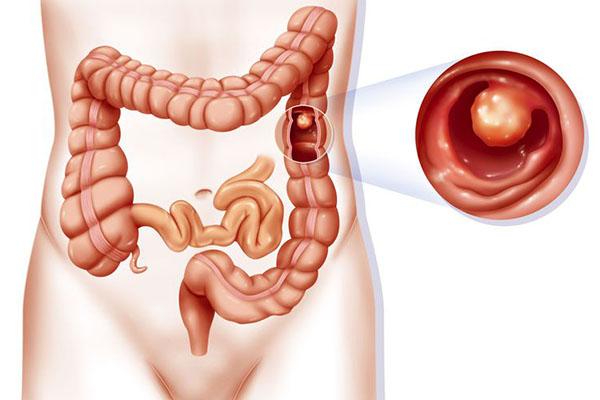
Colonoscopy has an additional potential advantage: when certain precancerous polyps are found, they can often be removed during the procedure.
That means screening can sometimes interrupt the process before cancer develops.
This is one of the reasons colorectal screening is considered an important cancer-prevention strategy.
Don't Let Fear Keep You From Screening
Some people avoid colonoscopy because they are worried about the preparation, discomfort or embarrassment.
Those concerns are understandable.
But avoiding screening because of anxiety can mean missing an opportunity to detect a potentially treatable problem.
Modern colonoscopy is performed with medical monitoring, and sedation is commonly available depending on the setting and patient.
The preparation can be inconvenient, but it is necessary to allow doctors to see the colon clearly.
If you are nervous about screening, discuss your concerns with your healthcare professional rather than simply skipping it.
The Bottom Line
A colon polyp is not automatically cancer.
Many polyps are benign, while some can be precancerous and may gradually develop into colorectal cancer.
The challenge is that many polyps cause no symptoms at all.
That is why screening matters.
Finding an appropriate polyp early can allow it to be removed before it has the opportunity to progress. For people who have already had polyps, follow-up surveillance can help detect new lesions at an earlier stage.
Your personal screening schedule depends on factors such as your age, family history, previous findings and overall risk.
So don't wait for symptoms to tell you something is wrong.
Talk with your healthcare professional about when colorectal cancer screening is appropriate for you, and follow through with recommended testing and surveillance.
Early detection isn't a guarantee that cancer will never occur, but identifying and removing certain precancerous polyps can be an important step in reducing colorectal cancer risk.
Sometimes, the most important cancer-prevention step is finding a problem before it ever has the chance to become cancer.