Feeling like you constantly have mucus stuck in your throat can be annoying, uncomfortable, and sometimes even worrying. Many people describe it as a “lump” sensation, a need to clear the throat often, or sticky phlegm that won’t go away. The good news is that, in most cases, this problem has common causes—many of which are treatable with simple changes.
Below are the most frequent reasons you may experience throat mucus, along with symptoms and practical solutions.
1. Postnasal Drip (The Most Common Cause)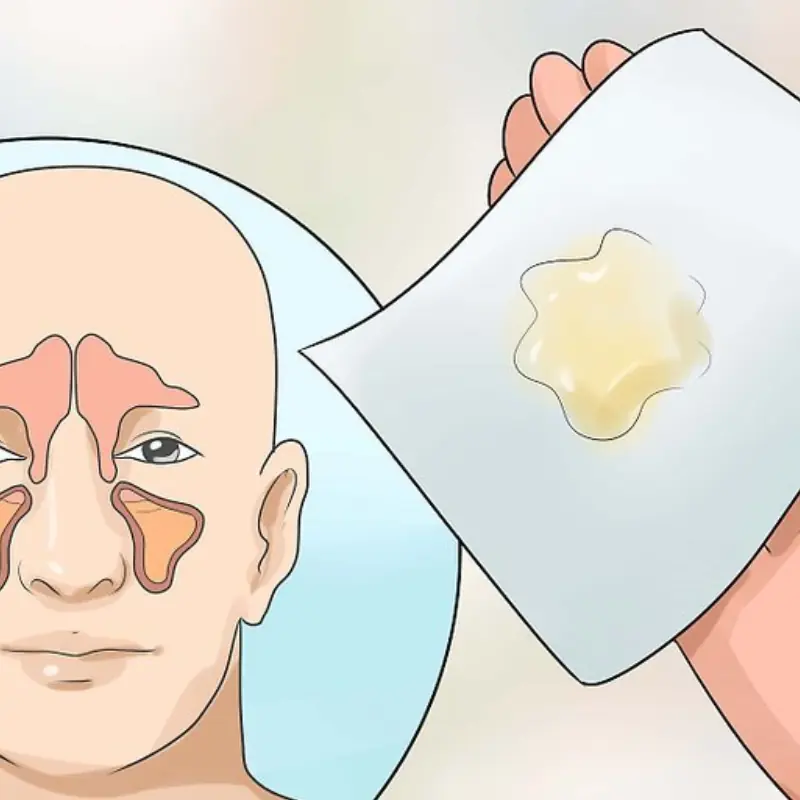
Postnasal drip happens when mucus from your nose and sinuses flows down the back of your throat. Your body normally produces mucus to trap dust and germs, but when production increases, it becomes noticeable.
Common signs include:
-
Frequent throat clearing
-
A dripping sensation in the throat
-
Cough that worsens at night
-
Bad breath or a hoarse voice
Why it happens: allergies, colds, sinus infections, or irritants like smoke.
What helps: staying hydrated, using saline nasal sprays, and avoiding allergens.
2. Allergies and Sensitivities
Allergic rhinitis (hay fever) can trigger excess mucus production. Even mild allergies—dust, pet dander, pollen, mold—can cause chronic mucus in the throat.
Symptoms may include:
-
Sneezing and itchy eyes
-
Runny or blocked nose
-
Throat tickle and cough
-
Mucus that is clear or slightly white
What helps: antihistamines, nasal corticosteroid sprays, and reducing exposure to triggers (air purifier, cleaning dust, washing bedding).
3. Sinus Infections and Chronic Sinusitis
When your sinuses are inflamed or infected, mucus can become thicker and drain into your throat. Chronic sinusitis can last weeks or months.
Clues it may be sinus-related:
-
Facial pressure or headache
-
Thick yellow/green mucus
-
Stuffy nose
-
Reduced smell or taste
What helps: warm steam, saline rinses, and medical treatment if symptoms persist or worsen.
4. Acid Reflux (GERD or “Silent Reflux”)
Acid reflux can irritate the throat and trigger mucus production. Many people don’t feel typical heartburn, especially with silent reflux (LPR), where acid reaches the throat.
Possible symptoms:
-
Constant throat clearing
-
Hoarseness, especially in the morning
-
Sour taste or burning sensation
-
Feeling of something stuck in your throat
What helps: avoiding spicy/fatty foods, eating smaller meals, not lying down after eating, and consulting a doctor if frequent.
5. Dehydration and Dry Air
When you don’t drink enough fluids—or when the air is dry—mucus becomes thick and sticky, making it feel like it’s trapped in your throat.
Signs include:
-
Dry mouth and lips
-
Thick, hard-to-clear phlegm
-
Scratchy throat
What helps: drink more water, use a humidifier, and limit caffeine/alcohol (they can dry you out).
6. Respiratory Infections (Cold, Flu, or COVID-19)
Viral infections often increase mucus production as your body fights illness. Mucus may drip into your throat and cause coughing.
What to watch for:
-
Fever, fatigue, body aches
-
Sore throat
-
Mucus changing color over time
What helps: rest, hydration, warm drinks, and monitoring symptoms. Seek help if breathing becomes difficult.
7. Smoking, Pollution, and Irritants
Smoke and pollutants irritate the airways and can cause chronic mucus as the body attempts to protect itself.
Common triggers:
-
Cigarettes or vaping
-
Dusty environments
-
Chemical fumes
-
Air pollution
What helps: avoiding irritants, improving indoor air quality, and quitting smoking for long-term relief.
8. When to See a Doctor
Most cases of throat mucus improve with home care, but you should get medical advice if you experience:
-
Mucus lasting more than 3–4 weeks
-
Blood in mucus
-
Severe sore throat, trouble swallowing
-
Unexplained weight loss
-
Shortness of breath or chest pain
-
Persistent fever
These may signal infections, chronic reflux, or other conditions that require professional evaluation.
Practical Tips to Reduce Throat Mucus
Here are quick, effective habits you can start today:
-
Drink warm water or herbal tea
-
Gargle with salt water
-
Use saline nasal rinse regularly
-
Avoid dairy if it worsens symptoms (for some people)
-
Elevate your head during sleep
-
Limit smoking and strong fragrances
Final Thoughts
Mucus in the throat is usually your body’s natural response to irritation, infection, or inflammation. By identifying the cause—such as postnasal drip, allergies, sinus problems, or acid reflux—you can choose the right approach and feel better faster. If symptoms persist or worsen, don’t hesitate to consult a healthcare professional for a proper diagnosis and treatment plan.