

Many People Have Questions About Colonoscopies—Here's What You Need to Know
👇 What Most People Wish They Knew Before Having a Colonoscopy
Facts 09/06/2026 12:42
Few natural products have captured as much fascination as cordyceps. Often called the "caterpillar fungus" or "winter worm, summer grass," this unusual organism has been treasured for centuries in parts of Asia and is frequently described as one of the world's most expensive natural substances.
In some years, premium wild cordyceps has sold for prices that rival luxury jewelry, precious metals, and even real estate. This extraordinary value has led many people to wonder: What exactly is cordyceps, and why can it be so expensive?
The answer lies in a remarkable combination of biology, rarity, cultural history, and growing global demand.
Cordyceps is a parasitic fungus that naturally grows on certain caterpillars found in high-altitude regions.
The most famous species is:
Cordyceps sinensis (now often classified as Ophiocordyceps sinensis)
Its life cycle is unlike that of almost any other medicinal fungus.
The fungus infects a caterpillar living underground.
Over time, the fungus grows inside the host and eventually produces a slender stalk that emerges from the soil.
The result appears as a combination of:
A caterpillar body
A grass-like fungal stalk
This unusual appearance gave rise to its traditional nickname:
"Winter worm, summer grass."
Wild cordyceps is found primarily in:
Tibet
Nepal
Bhutan
Parts of western China
Himalayan mountain regions
These areas are characterized by:
High altitudes
Harsh climates
Remote terrain
Short harvesting seasons
The challenging environment contributes significantly to its rarity.
Wild cordyceps is difficult to find.
Harvesters often spend weeks searching mountain meadows for small fungal stalks that may be only a few centimeters tall.
A successful harvest requires:
Experience
Patience
Favorable weather
Unlike many agricultural crops, wild cordyceps grows only under highly specific environmental conditions.
Its natural habitat is relatively small compared to global demand.
Harvesting is done almost entirely by hand.
Workers carefully search alpine grasslands and remove specimens individually.
This process is slow and physically demanding.
Cordyceps has long been valued in traditional medicine systems.
Demand has expanded internationally as interest in medicinal mushrooms and natural supplements has increased.-1200x676.jpg)
Environmental pressures and overharvesting have reduced some natural populations.
Lower supply combined with strong demand can drive prices upward.
During periods of peak demand, premium wild cordyceps has reportedly sold for tens of thousands of dollars per kilogram.
Exceptional specimens have sometimes been compared to:
Gold
Rare gemstones
Luxury collectibles
In certain regions, families have relied on seasonal cordyceps harvesting as a major source of income.
For centuries, cordyceps has been used in traditional wellness practices.
Historically, it has been associated with supporting:
Energy levels
Physical stamina
Respiratory health
Overall vitality
Traditional practitioners often regarded it as a valuable tonic.
Scientists have become increasingly interested in cordyceps because it contains numerous bioactive compounds.
These include:
Polysaccharides
Nucleosides
Sterols
Antioxidant compounds
Researchers continue to study potential effects on:
Exercise performance
Immune function
Inflammation
Cellular health
While laboratory and preliminary human studies show promise, cordyceps should not be considered a proven treatment or cure for any disease.
More high-quality clinical research is needed.
Because genuine wild cordyceps is extremely expensive, scientists have developed cultivation methods.
Advantages:
Traditionally prized
Rare and collectible
Disadvantages:
Extremely expensive
Limited availability
Advantages:
More affordable
Easier to produce
More sustainable
Disadvantages:
Some enthusiasts believe it differs from wild varieties
Today, most cordyceps supplements on the market use cultivated forms rather than wild specimens.
The phrase is largely symbolic but reflects how valuable cordyceps has become.
In certain markets, high-grade wild specimens have commanded prices that exceed the value of gold by weight.
Several factors contribute to this reputation:
Extreme rarity
Difficult harvesting conditions
Historical prestige
Strong consumer demand
The growing popularity of cordyceps has created challenges.
Excessive collection may threaten natural populations.
Large numbers of harvesters entering fragile alpine ecosystems can affect local environments.
Researchers and governments continue exploring ways to:
Protect natural habitats
Improve cultivation methods
Reduce pressure on wild populations
Cordyceps is often surrounded by exaggerated claims.
No scientific evidence supports the idea that it cures serious diseases.
Price does not necessarily reflect effectiveness.
Cultivated cordyceps may contain many of the same important compounds.
Many people maintain excellent health without consuming cordyceps.
It should be viewed as an optional supplement rather than a necessity.
Cordyceps is part of a broader trend involving medicinal fungi.
Other popular examples include:
Reishi
Lion's Mane
Chaga
Turkey Tail
Interest in these mushrooms has increased as researchers explore their potential biological properties.
Cordyceps is one of nature's most fascinating organisms. Its unusual life cycle, extreme rarity, cultural significance, and growing global demand have helped make it one of the world's most valuable natural products.
Although often described as "more precious than gold," its true value extends beyond price alone. Cordyceps represents a unique intersection of biology, tradition, economics, and modern scientific curiosity.
Whether viewed as a traditional wellness ingredient, a rare natural treasure, or a subject of ongoing research, cordyceps continues to captivate people around the world. Its story serves as a reminder that some of nature's most remarkable creations can be found in the most unexpected places—even high in the remote mountains of the Himalayas.
👇 What Most People Wish They Knew Before Having a Colonoscopy

When Does a Bathroom Habit Become a Cau.se for Con.cern?

Why Do Visible Ve.ins Appear?

Why Should You Leave the Bathroom Light On in a Hotel?

You've Probably Seen Water Bottles Outside Japanese Homes - Here's Why They're There

Have You Ever Seen an Insect Like This? I Found It in My Son's Hair 😳
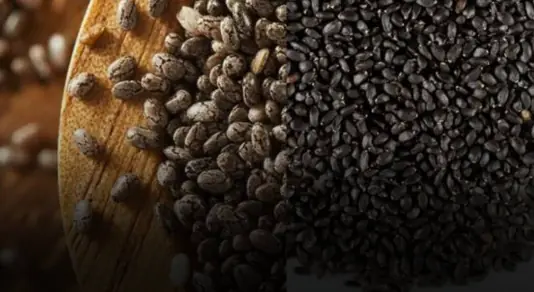
Chia seeds may be small, but they pack a powerful punch when it comes to health benefits.

Two Buffet Items You May Want to Skip

Do You Really Need a Thigh Gap? Here's What Experts Want You to Know

These Fingernails Tell a Story Many People Miss

Although bitter melon is generally considered safe, it can pose significant risks to certain groups of people
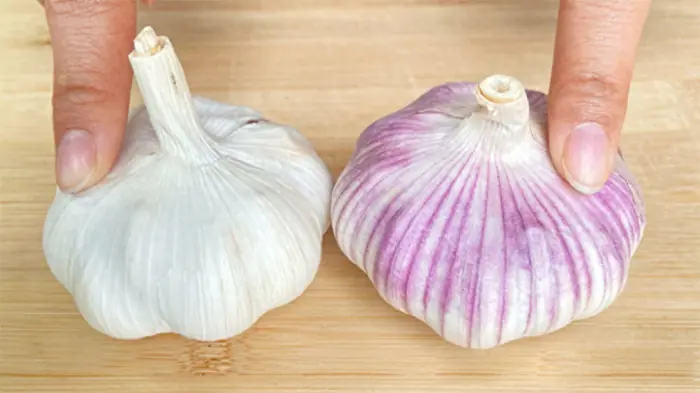
When Buying Garlic, Should You Pick White-Skinned or Purple-Skinned Bulbs?

The Mariana Trench, the deepest point in the ocean, was once believed to be an untouched abyss far from the reach of human pollution.


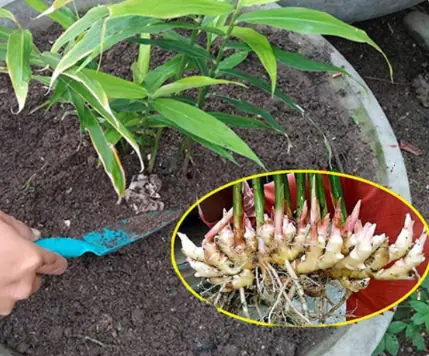

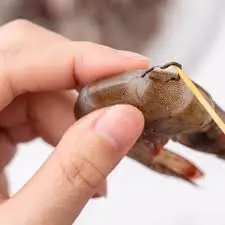
The Hidden Truth About the "Vein" in Shrimp That Many People Miss 🤯

Baldness May Be a Sign of He.art Dise.ase

Could One Banana a Day Benefit Your Heart? Understanding Its Impact on Bl00d Pressure

Protect Your Lungs: 6 Common Items in Your Home That May Influence Indoor Air Quality

Looking to Support Memory as You Age? Eggs May Play a Role in a Brain-Healthy Diet

One Daily Habit, One Serious Diagnosis: The Story That's Getting Attention
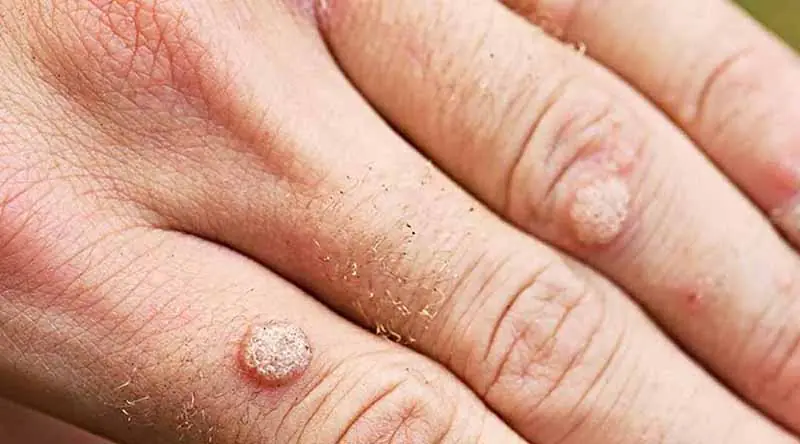
Understanding the 6 Main Types of Warts and How They Are Treated

The Truth About Canned Peaches and Their Effects on Your Body

Does Going to Bed Before 10 PM Really Benefit Your Health?

Waking Up With These 2 Persistent Symptoms Could Be Your Body's Way of Signaling Liver Stress

Common Causes of a White Tongue and When to Seek Medical Advice

🧄 Why Nutrition Experts Often Recommend Including Garlic in a Balanced Diet 👇

Hip Pain Can Have Many Causes - Here's What You Should Know

Most People Ignore These 5 Early Cancer Warning Signs Until It's Too Late

🚨 One Quick Look Could Reveal Important Information About Your Health 👇

The Truth Was Different
👇 What Most People Wish They Knew Before Having a Colonoscopy
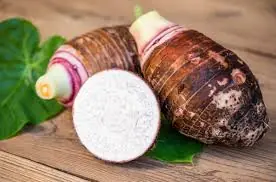
😮 You May Have Seen This Plant Hundreds of Times Without Knowing Its Secrets 👇

These 7 Everyday Symptoms Could Be More Than Just Part of Getting Older
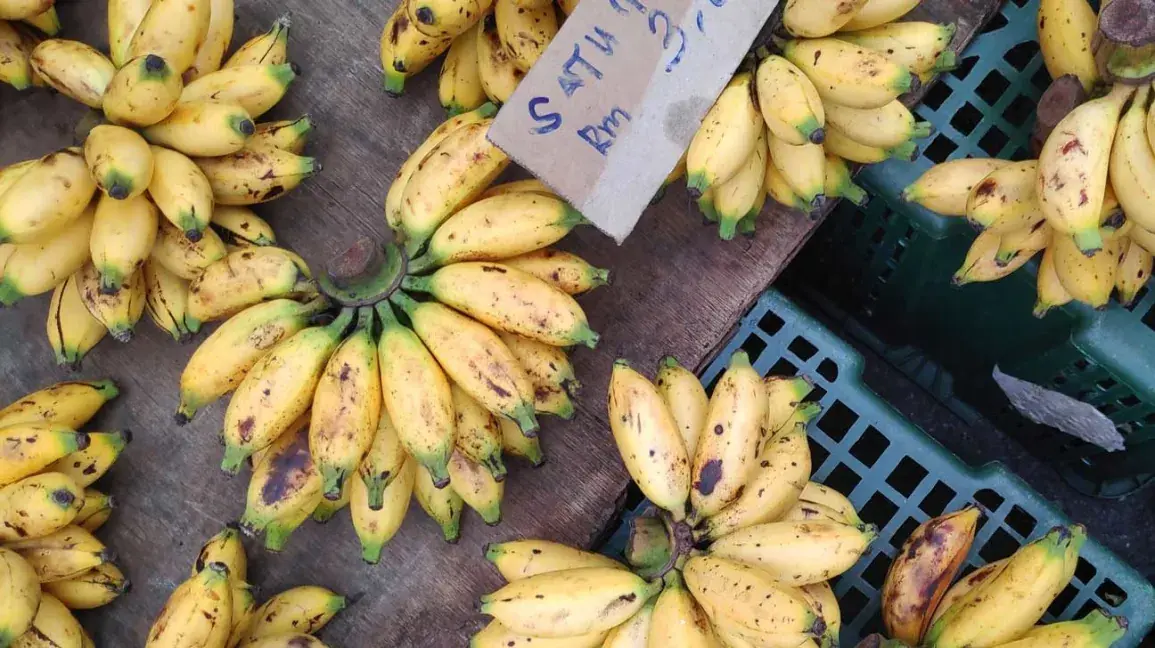
Could Eating Bananas Before Bed Improve Your Health? One Man's Experience Is Turning Heads

Your Headaches May Not Be Random—Here's What They Could Be Telling You