

She Ate a Boiled Sweet Potato Every Morning for a Year: What Nutrition Experts Say
Daily food habits can influence health in ways many people overlook.
Health 09/06/2026 22:32
For thousands of years, people around the world have used foot massage as a way to relax, reduce tension, and promote a sense of well-being. In many traditional healing systems, including reflexology, specific areas of the feet are believed to correspond to different parts of the body.
While scientific evidence supporting all reflexology claims remains limited, many people report feeling more relaxed and comfortable after a foot massage. Researchers suggest that some benefits may result from improved circulation, muscle relaxation, stress reduction, and the body's natural response to touch.
Whether you are looking to unwind after a long day or simply want to learn more about traditional wellness practices, understanding common foot pressure points can be both interesting and useful.
Here are 8 key foot massage points frequently discussed in reflexology and traditional wellness practices.
Reflexology is a complementary practice based on the idea that certain areas of the feet correspond to organs and systems throughout the body.
Applying pressure to specific points may help:
Promote relaxation
Reduce stress
Improve comfort
Support overall well-being
It is important to note that reflexology should not replace medical treatment for health conditions.
Even without relying on reflexology theories, foot massage offers several potential benefits.
Reduce stress
Promote relaxation
Improve mood
Ease muscle tension
Encourage circulation
Support better sleep
Many people simply find it enjoyable and calming.
Located near the center of the foot, just below the ball of the foot, this area is one of the most commonly discussed reflexology points.
Practitioners often associate this point with:
Relaxation
Stress relief
Emotional balance
Apply gentle pressure using your thumb for several seconds while breathing slowly and deeply.
In reflexology, the big toe is often associated with the head and neck region.
Mental relaxation
Tension reduction
General comfort
Use circular thumb movements around the base and sides of the big toe.
Many people find this area particularly soothing.
The ball of the foot is located just beneath the toes.
This area is commonly linked to:
Chest region
Upper body
Respiratory system
Apply firm but comfortable pressure while moving your thumb across the area.
The arch is one of the most frequently targeted areas during foot massage.
The arch contains many muscles, tendons, and connective tissues.
The arch is often linked to:
Digestive organs
Internal body systems
Many people experience:
Relaxation
Reduced foot fatigue
Improved comfort after standing for long periods
The heel absorbs substantial pressure during daily activities.
Foot fatigue
Muscle tightness
General soreness
The heel is sometimes connected with lower body regions.
Use firm circular motions with your thumb or knuckles.
The inner edge extends from the heel toward the big toe.
Practitioners often associate this area with the spine.
Apply gentle pressure while moving upward along the inner edge.
Many people enjoy this technique after prolonged sitting.
This section lies directly under the toe pads.
Reflexologists often connect this area with:
Upper body comfort
Relaxation

Use slow circular movements with moderate pressure.
The area can feel surprisingly sensitive in some individuals.
Located near the center of the foot's arch, this point is frequently highlighted in reflexology charts.
Practitioners often associate it with:
Energy balance
Overall wellness
Apply gentle steady pressure for several seconds before releasing.
Although many traditional reflexology claims remain under investigation, researchers have identified several ways massage may influence the body.
Touch receptors in the skin send signals to the brain that may promote relaxation.
Massage can reduce tension in muscles and connective tissues.
Movement and pressure may encourage blood flow to local tissues.
Many people experience lower perceived stress levels after massage.
It is important to maintain realistic expectations.
Cure diseases
Replace medical treatment
Diagnose health conditions
Eliminate serious medical problems
Any persistent symptoms should be evaluated by a healthcare professional.
Sit comfortably and support one foot.
Apply a small amount of lotion or massage oil if desired.
Begin with gentle strokes across the entire foot.
Focus on specific pressure points using your thumbs.
Massage each area for 30–60 seconds.
Repeat on the opposite foot.
Even a five-minute session can feel relaxing.
Many people enjoy foot massage:
Long workdays
Exercise
Travel
Standing for extended periods
It may also become part of a bedtime relaxation routine.
Although foot massage is generally safe, some individuals should exercise caution.
Severe foot injuries
Open wounds
Severe circulation disorders
Certain nerve conditions
Blood clotting concerns
Special considerations may apply.
Using warm water before massage
Practicing deep breathing
Creating a quiet environment
Taking your time
Relaxation often enhances the overall experience.
There is no scientific evidence supporting such claims.
Massage should remain comfortable.
Excessive pressure can cause discomfort or injury.
It should be viewed as a complementary wellness practice.
Foot massage is only one component of overall wellness.
Balanced nutrition
Physical activity
Adequate sleep
Stress management
Preventive healthcare
Healthy lifestyle habits remain essential.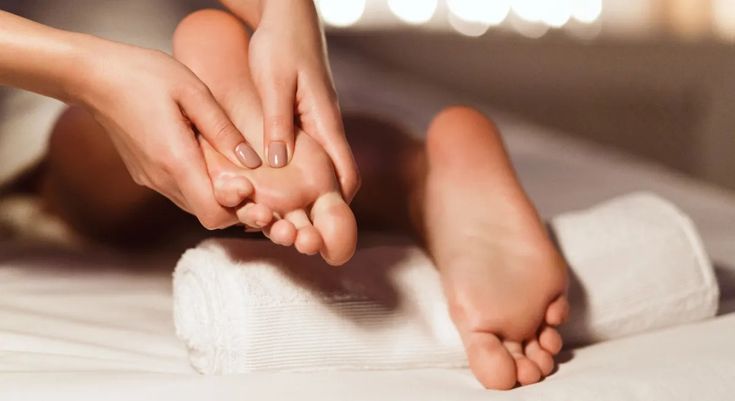
Foot massage has been used for centuries as a tool for relaxation and comfort. Whether viewed through the lens of reflexology or simply as a soothing form of self-care, many people find that gentle pressure applied to specific areas of the feet helps them feel calmer, more relaxed, and less tense.
The eight pressure points discussed above—including the solar plexus point, big toe area, arch, heel, and inner foot edge—are among the most commonly referenced locations in traditional foot massage practices. While reflexology should not be considered a replacement for medical treatment, it can be a pleasant and potentially beneficial addition to a healthy wellness routine. Sometimes, a few minutes spent caring for your feet can be a simple yet effective way to support relaxation and overall well-being.
Daily food habits can influence health in ways many people overlook.

Balanced breakfast choices may support better blood sugar management daily.

The Nutrient-Rich Juice Blend That May Support Overall Wellness

The Benefits of Omega-3: 6 Fish That Can Help Boost Your Intake
Electrical Safety Starts at Home: 5 Appliances to Consider Unplugging After Use
Understanding Fatty Liver Disease: Risk Factors, Symptoms, Treatment, and Natural Supportive Measures
Tiny Red Dots on Your Skin? Here's What They Could Mean

Could One Banana a Day Benefit Your Heart? Understanding Its Impact on Bl00d Pressure

Looking to Support Memory as You Age? Eggs May Play a Role in a Brain-Healthy Diet
One Daily Habit, One Serious Diagnosis: The Story That's Getting Attention
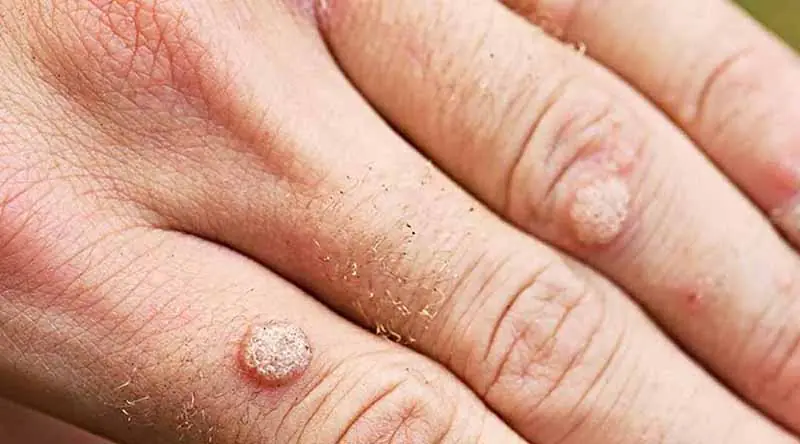
Understanding the 6 Main Types of Warts and How They Are Treated

The Truth About Canned Peaches and Their Effects on Your Body
Does Going to Bed Before 10 PM Really Benefit Your Health?
Waking Up With These 2 Persistent Symptoms Could Be Your Body's Way of Signaling Liver Stress
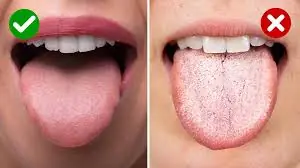
Common Causes of a White Tongue and When to Seek Medical Advice
🧄 Why Nutrition Experts Often Recommend Including Garlic in a Balanced Diet 👇
Hip Pain Can Have Many Causes - Here's What You Should Know
Most People Ignore These 5 Early Cancer Warning Signs Until It's Too Late
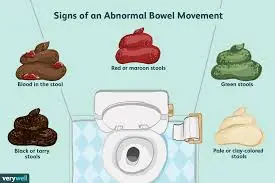
🚨 One Quick Look Could Reveal Important Information About Your Health 👇
Daily food habits can influence health in ways many people overlook.
Balanced breakfast choices may support better blood sugar management daily.
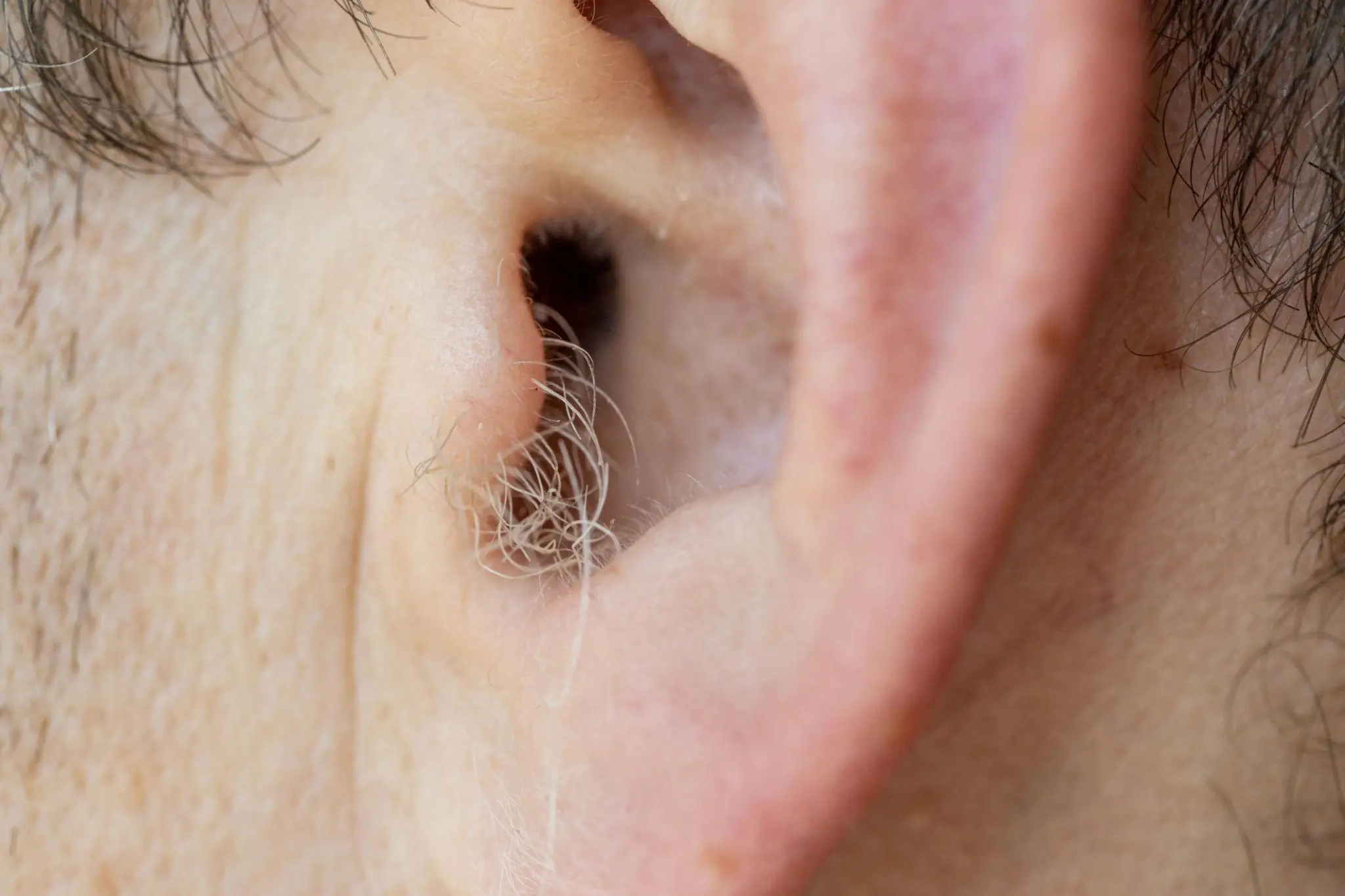
Why Some People Grow More Ear Hair Than Others
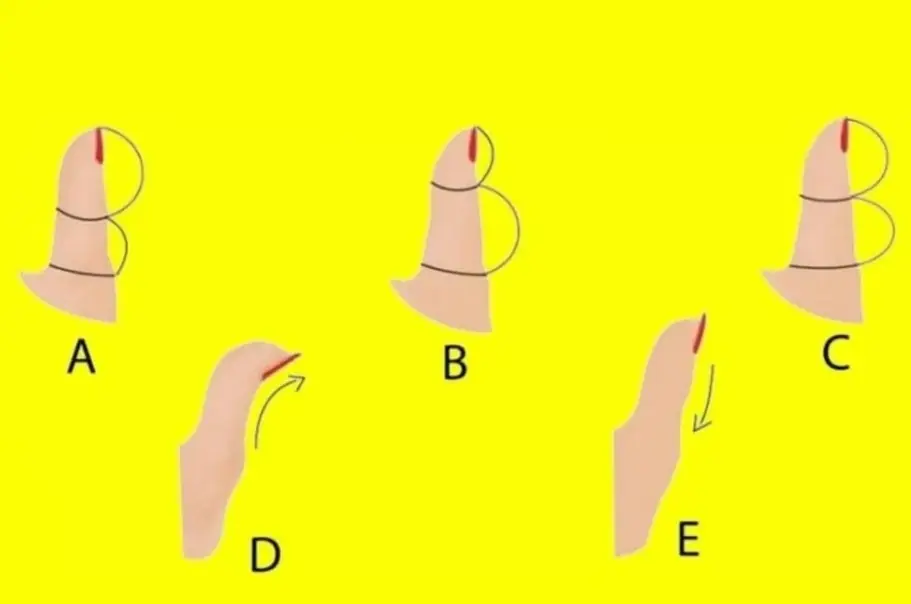
The Hidden Meaning Behind Different Thumb Shapes
The Nutrient-Rich Juice Blend That May Support Overall Wellness
The Benefits of Omega-3: 6 Fish That Can Help Boost Your Intake
Electrical Safety Starts at Home: 5 Appliances to Consider Unplugging After Use
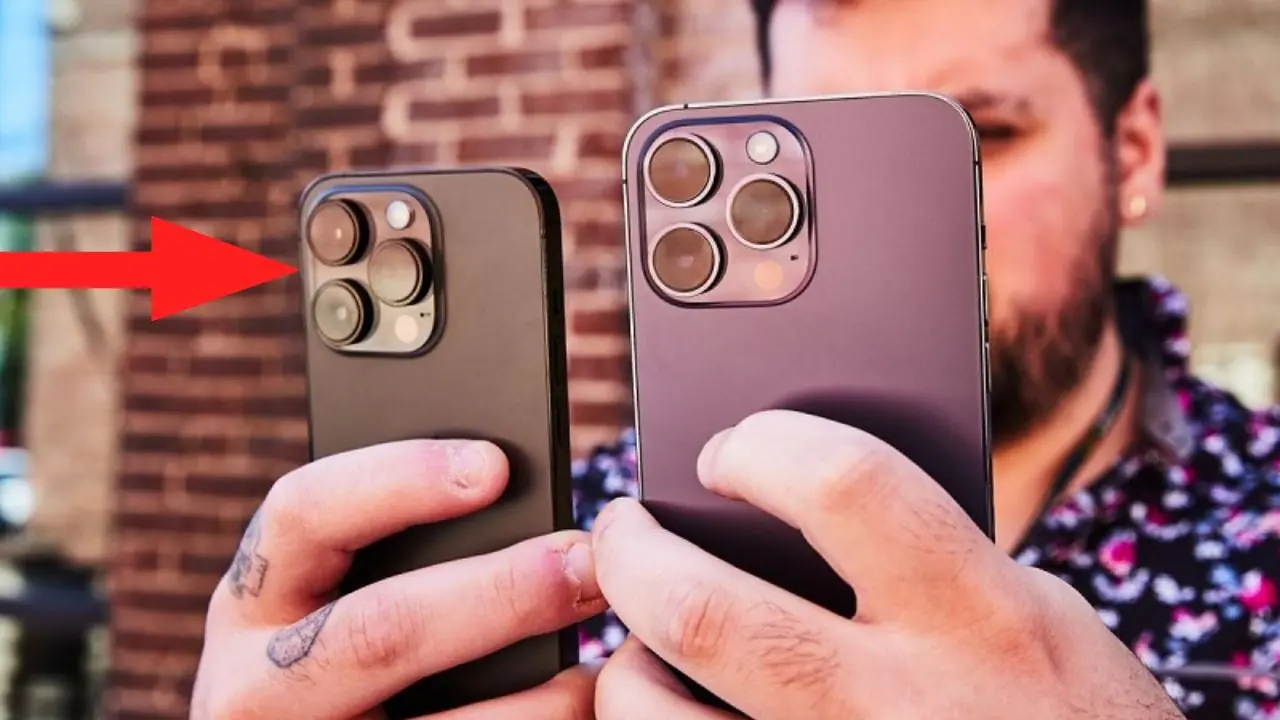
The Surprising Reasons Some Smartphone Users Prefer Going Caseless
Understanding Fatty Liver Disease: Risk Factors, Symptoms, Treatment, and Natural Supportive Measures
Tiny Red Dots on Your Skin? Here's What They Could Mean
Could One Banana a Day Benefit Your Heart? Understanding Its Impact on Bl00d Pressure
Protect Your Lungs: 6 Common Items in Your Home That May Influence Indoor Air Quality
Looking to Support Memory as You Age? Eggs May Play a Role in a Brain-Healthy Diet
One Daily Habit, One Serious Diagnosis: The Story That's Getting Attention
Understanding the 6 Main Types of Warts and How They Are Treated
The Truth About Canned Peaches and Their Effects on Your Body
Does Going to Bed Before 10 PM Really Benefit Your Health?
Why Cordyceps, the Famous "Caterpillar Fungus," Was Once Worth a Fortune?
Waking Up With These 2 Persistent Symptoms Could Be Your Body's Way of Signaling Liver Stress