Is Salmon Really as Healthy as You Think? The Facts May Surprise You
Before Eating Salmon Again, Here’s What You Should Know
⏱️ 1 min read 19/08/2026 17:13
Garlic has been used in traditional cooking and herbal practices for thousands of years. Today, scientists are taking a closer look at this familiar kitchen ingredient because it contains several sulfur-containing compounds that appear to have antimicrobial activity.
One compound in particular has attracted significant attention: allicin.
When fresh garlic is crushed or chopped, an enzyme called alliinase helps convert a compound called alliin into allicin. Laboratory research suggests that allicin and other compounds found in garlic can interfere with certain microorganisms, including some bacteria and fungi.
But there is an important distinction between showing antibacterial activity in a laboratory and proving that eating garlic can treat an infection in a person.
Garlic is not a substitute for antibiotics or professional medical care. Nevertheless, its antimicrobial properties make it an interesting part of nutrition and ongoing scientific research.
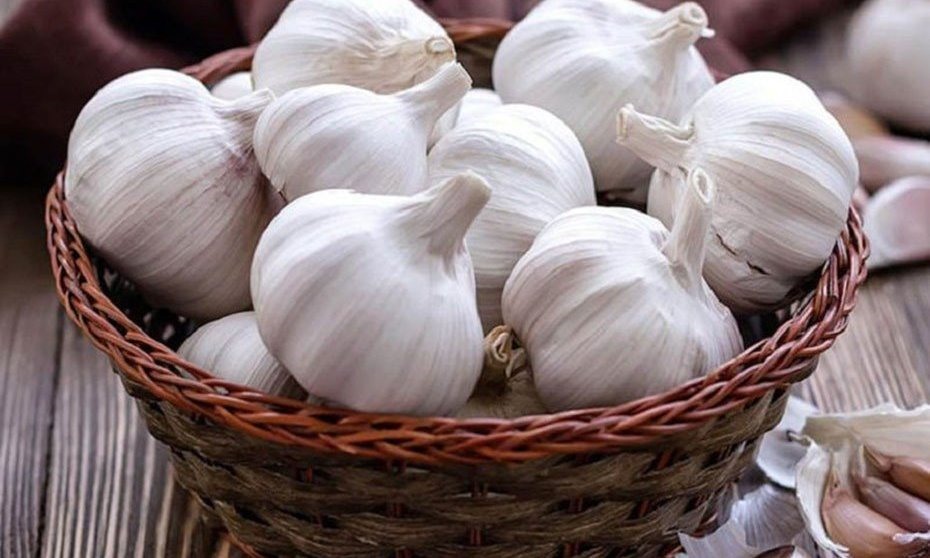
Garlic belongs to the Allium family, along with onions, leeks, shallots, and chives.
Its distinctive smell and flavor come largely from sulfur-containing compounds.
When a garlic clove is intact, many of these compounds exist in relatively stable forms.
Once the clove is:
Cut
Crushed
Chopped
Chewed
enzymatic reactions begin producing new sulfur compounds.
Among the most studied is allicin.
This chemical transformation is one reason freshly crushed garlic has such a strong aroma.
Allicin has demonstrated antimicrobial activity in laboratory studies.
Researchers have found that it can interact with proteins containing sulfur groups, potentially disrupting important processes within microorganisms.
This may interfere with:
Enzyme activity
Cellular metabolism
Microbial growth
Certain protective mechanisms
Because bacteria rely on many enzymes to survive and reproduce, compounds that interfere with these systems can potentially inhibit their growth.
However, the effects observed in a laboratory dish don't automatically translate into the same effect after eating garlic.
Laboratory research has investigated garlic extracts or garlic-derived compounds against a variety of bacteria.
These studies have included organisms associated with:
Foodborne illness
Skin infections
Respiratory infections
Gastrointestinal disease
Urinary infections
Some research has reported inhibitory effects against bacteria such as Staphylococcus aureus, Escherichia coli, and certain species of Salmonella.
Other studies have examined garlic's activity against Helicobacter pylori, the bacterium associated with many stomach ulcers and an increased risk of stomach cancer.
But laboratory findings vary depending on:
Garlic preparation
Concentration
Extraction method
Bacterial species
Experimental conditions
Therefore, it would be misleading to claim that garlic simply "kills 14 types of bacteria" in the human body.
This is one of the more interesting areas of research.
Antibiotic resistance is a growing global health problem.
Some bacteria have developed resistance to commonly used antibiotics, making infections harder to treat.
Researchers are therefore investigating natural compounds—including garlic-derived compounds—for potential antimicrobial effects.
Some laboratory studies suggest that garlic compounds may affect bacteria that have resistance to certain antibiotics.
However, this does not mean garlic can replace antibiotic treatment.
Developing an effective antimicrobial medicine requires much more than showing that a compound kills bacteria in a laboratory experiment.
Scientists must establish:
Effective doses
Safety
Absorption
Distribution in the body
Drug interactions
Effectiveness in humans
That process can take years.
Another fascinating area of research involves biofilms.
A biofilm is a structured community of microorganisms attached to a surface and surrounded by a protective matrix.
Biofilms can make bacteria more difficult to eliminate.
They can form on:
Teeth
Medical devices
Wounds
Tissues
Other surfaces
Some laboratory studies suggest that garlic-derived compounds may interfere with biofilm formation or communication between bacteria.
This is scientifically interesting because biofilms are involved in many persistent infections.
However, again, laboratory findings don't mean that eating garlic will eliminate a biofilm infection.
Certain bacteria communicate using chemical signals.
This process is sometimes called quorum sensing.
It allows bacteria to coordinate behaviors when their population reaches a particular density.
These behaviors can include:
Biofilm formation
Virulence
Movement
Production of certain enzymes
Researchers have investigated whether garlic compounds can interfere with these communication systems.
If confirmed and developed into useful treatments, such mechanisms could potentially become part of future strategies against certain bacterial infections.
For now, this remains an active area of research.
One of the bacteria that has received particular attention in garlic research is Helicobacter pylori.
H. pylori can colonize the stomach and is associated with:
Gastritis
Peptic ulcers
Increased risk of stomach cancer
Some laboratory and early clinical research has investigated whether garlic compounds can affect H. pylori.
The results are interesting but not strong enough to recommend garlic as a replacement for standard eradication therapy.
When H. pylori infection is diagnosed, doctors may prescribe a combination of antibiotics and acid-suppressing medications.
Completing the prescribed treatment is important.
Garlic's potential antimicrobial effects aren't limited to bacteria.
Laboratory studies have also investigated garlic compounds against certain fungi, including Candida species.
Allicin and other sulfur-containing compounds may interfere with fungal cellular processes.
Again, this doesn't mean garlic can replace antifungal medications.
If someone has a persistent fungal infection, proper diagnosis and treatment are important.
Garlic has also been investigated for potential antiviral effects.
Some laboratory and small human studies have explored whether garlic consumption or supplements may influence the occurrence or severity of certain respiratory infections.
However, evidence is inconsistent.
Garlic should not be presented as a treatment or cure for viral infections such as influenza or COVID-19.
Good hygiene, vaccination when appropriate, and evidence-based medical treatment remain much more reliable strategies.
Although allicin receives most of the attention, garlic contains many other compounds.
These include various sulfur-containing molecules that can form as garlic is:
Chopped
Crushed
Heated
Digested
Different preparations can therefore have very different chemical profiles.
This is one reason research results can vary significantly between:
Fresh garlic
Garlic powder
Aged garlic extract
Garlic oil
Garlic supplements
You cannot assume that every garlic product has the same biological activity.
Heat can significantly affect the formation and stability of allicin.
If garlic is heated immediately after crushing, the enzyme responsible for producing allicin can be inactivated.
This doesn't mean cooked garlic has no health value.
Cooking produces and preserves other compounds, and garlic remains a nutritious ingredient.
But if you're specifically interested in allicin formation, allowing freshly crushed garlic to sit for a short period before cooking may preserve more of the enzymatic conversion.
The exact amount produced depends on many factors, including garlic variety, freshness, preparation, and cooking method.
Garlic supplements can contain concentrated extracts, powders, oils, or aged garlic preparations.
Their chemical composition can differ substantially from fresh garlic.
Some supplements are standardized for particular compounds, while others aren't.
This makes it difficult to generalize research findings.
A study involving a specific aged garlic extract doesn't necessarily prove that eating raw garlic will produce the same effect.
Likewise, a laboratory experiment using purified allicin doesn't necessarily represent what happens after eating a garlic clove.
This distinction is essential.
Antibiotics are medications specifically developed to treat susceptible bacterial infections.
They undergo rigorous testing for:
Dose
Effectiveness
Safety
Side effects
Drug interactions
Garlic is a food containing biologically active compounds.
Even if some of those compounds have antibacterial properties, that doesn't make garlic an antibiotic.
If a doctor prescribes antibiotics for a bacterial infection, replacing them with garlic could allow the infection to worsen.
This is a common misunderstanding.
Imagine a laboratory study in which researchers expose bacteria directly to a concentrated garlic extract.
The bacteria may be inhibited or killed.
But when you eat garlic, the compounds go through:
Digestion
Absorption
Metabolism
Distribution
Elimination
Only some compounds may reach particular tissues, and they may not reach concentrations high enough to reproduce the laboratory effect.
This is why in vitro research is useful for discovering potential mechanisms but cannot automatically establish clinical effectiveness.
Garlic provides several nutrients and plant compounds that can contribute to an overall healthy diet.
However, claims that garlic dramatically "boosts immunity" are often exaggerated.
Your immune system is a highly complex network involving:
White blood cells
Antibodies
Physical barriers
Signaling molecules
Organs and tissues
No single food can make the immune system invincible.
Garlic can simply be one nutritious component of a varied diet.
Some research suggests garlic-derived compounds may influence inflammatory pathways.
Chronic inflammation is involved in many diseases, including cardiovascular disease and metabolic disorders.
Researchers are studying how garlic compounds interact with pathways involved in:
Oxidative stress
Inflammatory signaling
Cellular protection
But this doesn't mean garlic can treat chronic inflammatory diseases.
It is better understood as one food that may contribute to a health-supportive dietary pattern.
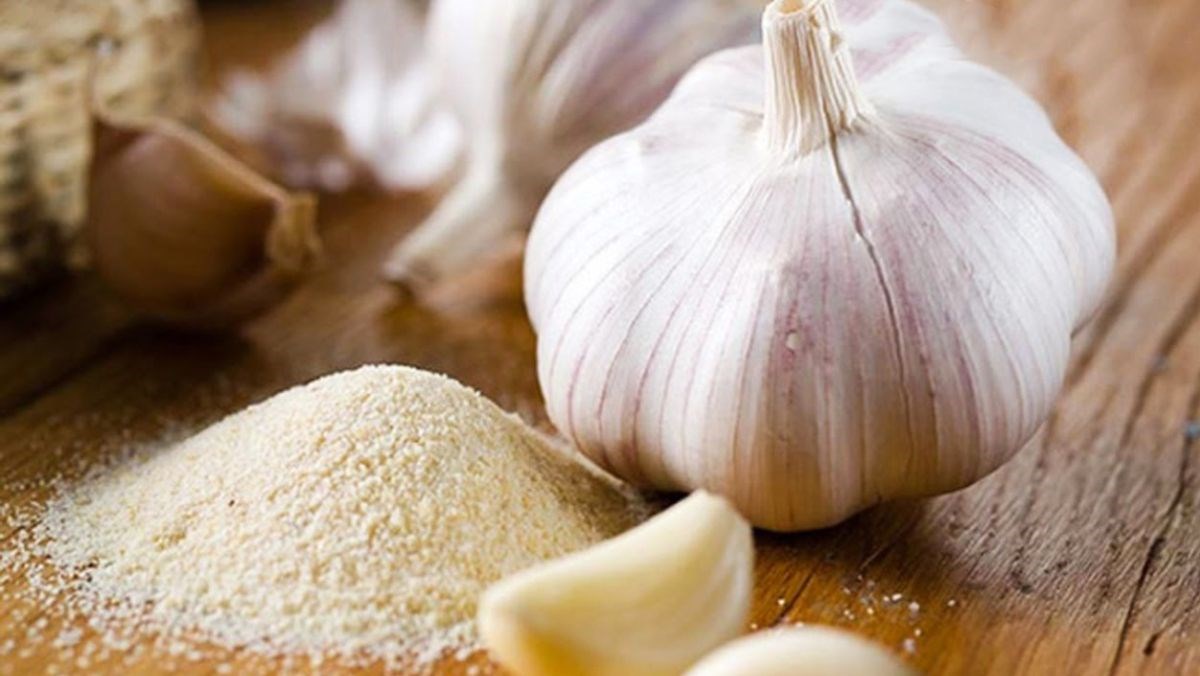
Garlic has also been studied for potential cardiovascular effects.
Some research suggests certain garlic preparations may modestly influence:
Blood pressure
Cholesterol
Blood vessel function
Results vary substantially depending on the garlic preparation and study population.
For someone with high blood pressure or cholesterol, garlic should complement—not replace—evidence-based treatment.
Researchers have also investigated whether garlic may influence glucose metabolism.
Some studies have reported modest effects on blood glucose or insulin-related markers.
But evidence is not strong enough to use garlic as a treatment for diabetes.
People with diabetes should continue prescribed medications and monitor blood glucose as recommended.
There is another benefit that's easy to overlook.
Garlic makes healthy foods taste better.
Adding garlic to:
Vegetables
Beans
Lentils
Fish
Whole grains
Soups
can make nutritious meals more enjoyable without relying heavily on sugar or excessive amounts of salt.
That can indirectly support healthier eating habits.
Raw garlic contains compounds that may differ from those in cooked garlic.
However, raw garlic can be harsh on the digestive system for some people.
It may cause:
Heartburn
Stomach irritation
Gas
Bloating
Nausea
People with reflux or sensitive digestive systems may tolerate cooked garlic better.
There is no requirement to eat garlic raw to have a healthy diet.
Yes.
More isn't necessarily better.
Large amounts of raw garlic may cause gastrointestinal discomfort.
Potential symptoms include:
Heartburn
Abdominal pain
Gas
Nausea
Diarrhea
Garlic can also influence platelet function and may increase bleeding risk in some circumstances, particularly when concentrated supplements are used.
This matters for people taking blood-thinning medications.
If you're considering a concentrated garlic supplement, speak with your doctor or pharmacist if you take medications such as:
Warfarin
Aspirin
Certain antiplatelet medications
Some blood-pressure medications
Other drugs affected by liver metabolism
The risk depends on the specific product, dose, and medication.
Food amounts of garlic are generally less concerning than high-dose supplements, but individual circumstances vary.
Because concentrated garlic supplements may affect platelet function, healthcare professionals may recommend stopping certain supplements before surgery.
Don't make this decision on your own.
If you're scheduled for surgery, tell your surgical team about all supplements and herbal products you're taking.
This is especially important.
If you develop symptoms suggesting a bacterial infection—such as:
High fever
Severe pain
Difficulty breathing
Rapidly worsening symptoms
Confusion
Significant swelling
Pus from a wound
seek medical care.
Depending on the infection, treatment may require antibiotics, drainage, supportive care, or other medical interventions.
Trying to treat a serious infection exclusively with garlic can delay appropriate treatment.
When antibiotics are necessary, they should be used exactly as prescribed.
Don't:
Share antibiotics
Save leftover antibiotics
Take antibiotics prescribed to someone else
Stop treatment without medical advice
Substitute garlic for necessary treatment
Antibiotic resistance is a serious public health problem, and appropriate use helps preserve these medications.
The evidence around garlic can be divided into several categories.
This provides strong evidence that garlic-derived compounds can have antimicrobial activity under certain experimental conditions.
These can help scientists understand biological mechanisms but don't necessarily predict human outcomes.
These are more directly relevant but often involve specific garlic preparations, relatively small groups, or particular health outcomes.
The strongest conclusion is therefore:
Garlic has biologically active compounds with antimicrobial properties, but more research is needed to determine exactly how these effects translate into human health and clinical treatment.
You may encounter headlines claiming that garlic "kills 14 types of bacteria" or a specific number of pathogens.
The problem is that such numbers often come from laboratory studies or collections of studies using different experimental conditions.
The number doesn't mean that eating garlic will eliminate those bacteria from your body.
It also doesn't mean that every garlic preparation has the same effect.
Scientific findings need context.
You don't need to consume huge amounts.
A practical approach is to use garlic as a flavorful ingredient.
Try adding freshly chopped or crushed garlic to:
Stir-fried vegetables
Bean dishes
Lentil soups
Roasted vegetables
Fish
Chicken
Whole-grain dishes
Homemade sauces
Combining garlic with a broad variety of plant foods provides a much more balanced nutritional strategy.
For example:
Garlic + broccoli + chickpeas + brown rice + olive oil
This meal provides:
Fiber
Plant protein
Vitamins
Minerals
Healthy fats
Various plant compounds
Garlic contributes flavor and sulfur-containing compounds without needing to be treated as a medicine.
Some people consume fermented or aged garlic products.
Aged garlic extract has been studied for cardiovascular and antioxidant effects.
Fermentation and aging can change the chemical composition of garlic significantly.
However, the effects of one specialized garlic preparation cannot automatically be applied to all garlic products.
Always check what type of preparation was actually studied.
Scientists have also investigated garlic and cancer risk.
Some observational studies have explored associations between higher consumption of allium vegetables and certain cancers.
Possible mechanisms being studied include:
Effects on oxidative stress
Cellular signaling
Detoxification pathways
Inflammation
Cell growth
But observational research cannot prove that garlic prevents cancer.
Cancer prevention is much broader than eating one particular food.
Avoiding tobacco, limiting alcohol, maintaining a healthy weight, staying active, eating a varied diet, and following recommended screening guidelines are more important components of an evidence-based prevention strategy.
Garlic contains compounds that may interact with gut microorganisms.
Researchers are investigating whether garlic and other plant foods can influence the composition and activity of the gut microbiome.
This is an exciting field, but scientists still don't fully understand what a "perfect" microbiome looks like.
Different people have different microbial communities.
So claims that garlic will "kill bad bacteria while preserving all good bacteria" are too simplistic.
If you're trying to reduce your risk of infections, basic prevention remains extremely important.
This includes:
Washing hands
Safe food preparation
Proper wound care
Vaccination when appropriate
Safe sexual practices
Adequate sleep
Good nutrition
Garlic can be part of a healthy diet, but it can't replace these measures.
Seek medical advice if you have symptoms of a potentially serious infection, including:
Persistent high fever
Severe or worsening pain
Shortness of breath
Confusion
Rapid heartbeat
Significant dehydration
A rapidly spreading skin infection
A wound that becomes increasingly red, swollen, or painful
Don't wait for garlic or another food to solve the problem.
If you want the simplest takeaway, remember these points:
Especially sulfur-containing compounds such as allicin.
This includes activity against several bacterial species.
Eating garlic doesn't guarantee that an infection will be eliminated.
It can contribute flavor and plant compounds to a healthy diet.
Concentrated products can have side effects and medication interactions.
Don't replace prescribed antibiotics or other treatments with garlic.
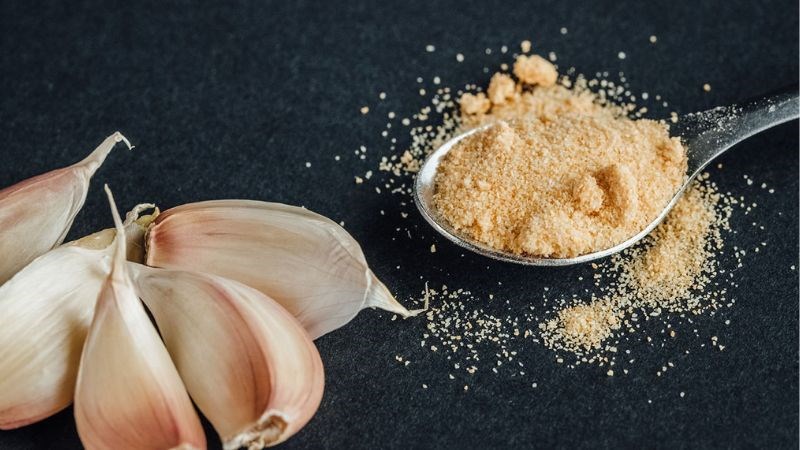
Garlic is more than just a flavorful ingredient.
Its sulfur-containing compounds—particularly allicin—have demonstrated antimicrobial activity in laboratory research, and scientists continue to investigate how these compounds may interact with bacteria, fungi, and other microorganisms.
Research has explored garlic's potential effects against organisms including E. coli, Staphylococcus aureus, Salmonella, and H. pylori, among others.
But the headline "garlic kills bacteria" needs important context.
A compound killing bacteria in a laboratory dish doesn't mean that eating a few cloves of garlic will treat an infection inside the human body.
For now, the strongest practical takeaway is simple:
Garlic can be a nutritious and flavorful part of a balanced diet, and its antimicrobial properties are scientifically interesting—but it should not be considered a replacement for antibiotics or medical treatment.
The appeal of garlic is understandable. It's cheap, widely available, easy to use, and has a long history in traditional food and medicine.
Modern science has given researchers several reasons to take a closer look at it. Compounds such as allicin can interact with microorganisms in fascinating ways, and laboratory studies continue to reveal potential mechanisms involving bacterial growth, biofilms, and microbial communication.
But good science also means recognizing what we don't know.
Garlic isn't a miracle antibiotic. It won't reliably cure a bacterial infection, and eating more isn't necessarily better.
Instead, think of garlic as one small piece of a much bigger health picture: a nutritious ingredient that may offer useful biological effects while contributing to an overall healthy eating pattern.
If you have a suspected infection, especially one that is severe or worsening, get appropriate medical care rather than trying to treat it with food alone.
Before Eating Salmon Again, Here’s What You Should Know

Eat Sweet Potatoes at These 2 Times for Better Bl00d Sugar Control
Your Body May Signal Liver Problems: 3 Unusual Odors to Watch For
Could You Have Diabetes? 12 Early Signs to Watch For

Keep Waking Up at 3 or 4 in the Morning? Here’s What Could Be Behind It

What Your Legs and Feet May Be Telling You at Night
Eating Bell Peppers? Here Are Some Potential Effects to Know About
From Digestion to Antioxidants: What Clove Water May Do for Your Body
Could This Vegetable Carry Hidden Parasites? What You Should Know
Before Eating More Garlic, These People Should Think Twice
5 Nose Changes That Could Be Linked to Underlying Health Conditions

15 Foods That May Cause Problems When Combined With Eggs
Early skin changes may reveal hidden health issues worth attention.
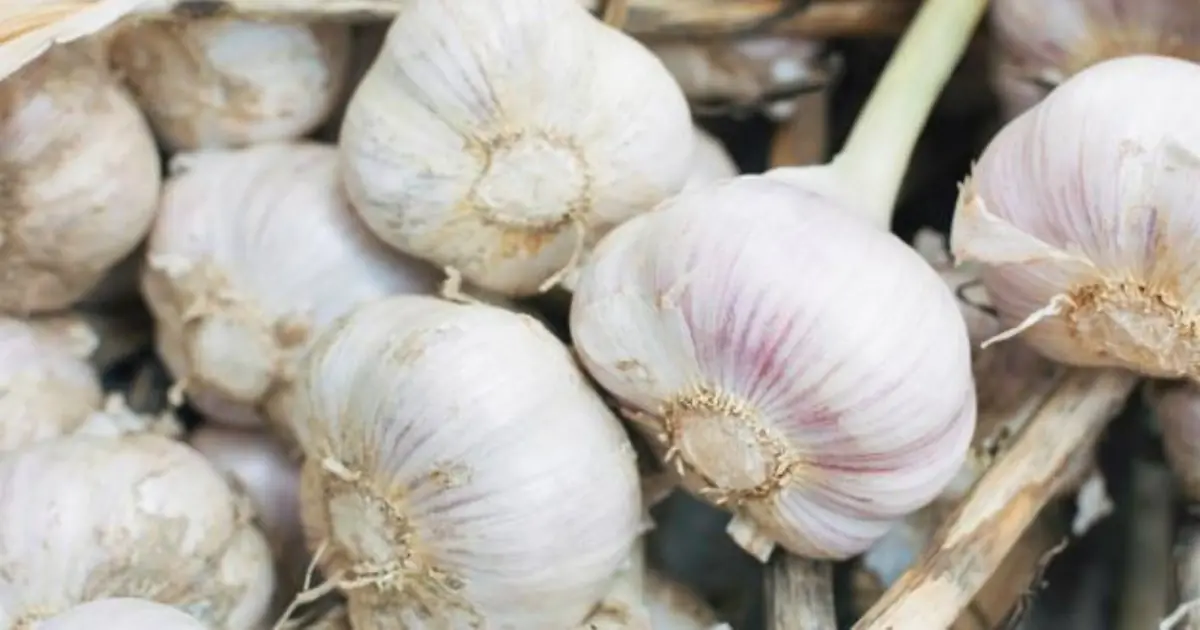
A Clove of Garlic Before Bed: What Science Really Says
Thinking About an Overnight Colon Cleanse? Here’s What You Should Know
10 Early Warning Signs of Cervical Can.cer Every Woman Should Know

Researchers Discover a Possible Clue to What Causes Autism
What Are the Warning Signs of Ovarian Can.cer?

Before Eating Salmon Again, Here’s What You Should Know
Got Bitten by an Assassin Bug? Follow These Steps and Don’t Panic
Found this tiny creature on the skin - would you know what it is?
Eat Sweet Potatoes at These 2 Times for Better Bl00d Sugar Control
Your Body May Signal Liver Problems: 3 Unusual Odors to Watch For
Could You Have Diabetes? 12 Early Signs to Watch For
Keep Waking Up at 3 or 4 in the Morning? Here’s What Could Be Behind It
What Your Legs and Feet May Be Telling You at Night
Do Dogs Know When Someone Has Good or Bad Intentions?
Eating Bell Peppers? Here Are Some Potential Effects to Know About
From Digestion to Antioxidants: What Clove Water May Do for Your Body
Could This Vegetable Carry Hidden Parasites? What You Should Know
Before Eating More Garlic, These People Should Think Twice
5 Nose Changes That Could Be Linked to Underlying Health Conditions
15 Foods That May Cause Problems When Combined With Eggs
Early skin changes may reveal hidden health issues worth attention.
A Clove of Garlic Before Bed: What Science Really Says
Thinking About an Overnight Colon Cleanse? Here’s What You Should Know
10 Early Warning Signs of Cervical Can.cer Every Woman Should Know