Kidney cancer is among the most common cancers affecting the urinary system. The kidneys are two bean-shaped organs located on either side of the spine, just below the rib cage. They play a vital role in filtering waste products from the blood, regulating fluid balance, producing hormones, and maintaining overall health.
One of the challenges of kidney cancer is that it often develops silently. In its early stages, many people experience no noticeable symptoms at all. As a result, kidney cancer is sometimes discovered accidentally during imaging tests performed for unrelated reasons.
However, as the disease progresses, certain warning signs may begin to appear. While these symptoms do not automatically mean someone has kidney cancer, they should not be ignored, especially if they persist or worsen over time.
Here are 7 symptoms that deserve attention.-800x450.jpg)
1. Blood in the Urine
One of the most common warning signs of kidney cancer is blood in the urine, a condition known as hematuria.
The blood may appear:
- Pink
- Red
- Rust-colored
- Brown
In some cases, the amount of blood is so small that it can only be detected through laboratory testing.
Why It Happens
A tumor within the kidney may cause bleeding into the urinary tract.
Important Note
Blood in the urine can also result from:
- Urinary tract infections
- Kidney stones
- Bladder conditions
- Certain medications
Regardless of the cause, visible blood in the urine should always be evaluated by a healthcare professional.
2. Persistent Pain in the Side or Lower Back
Many people occasionally experience back pain, making it easy to overlook this symptom.
However, kidney cancer may cause pain that:
- Occurs on one side of the body
- Persists over time
- Does not improve with rest
- Is located below the ribs
Why It Happens
As a tumor grows, it may place pressure on surrounding tissues and structures.
When to Be Concerned
Pain that continues for several weeks or becomes progressively worse deserves medical attention.
3. A Lump or Mass in the Abdomen
As kidney cancer grows, it may sometimes become large enough to create a noticeable mass.
A person may feel:
- A lump in the side
- Fullness in the abdomen
- Swelling in the flank area
Although many kidney tumors are detected before becoming this large, a visible or palpable mass should always be examined by a healthcare provider.
4. Unexplained Weight Loss
Losing weight without trying can sometimes indicate an underlying medical condition.
People with kidney cancer may experience:
- Reduced appetite
- Early fullness
- Unintentional weight loss
Why It Happens
Cancer can affect metabolism and alter the body's ability to utilize nutrients effectively.
Unexpected weight loss that occurs without changes in diet or exercise should never be ignored.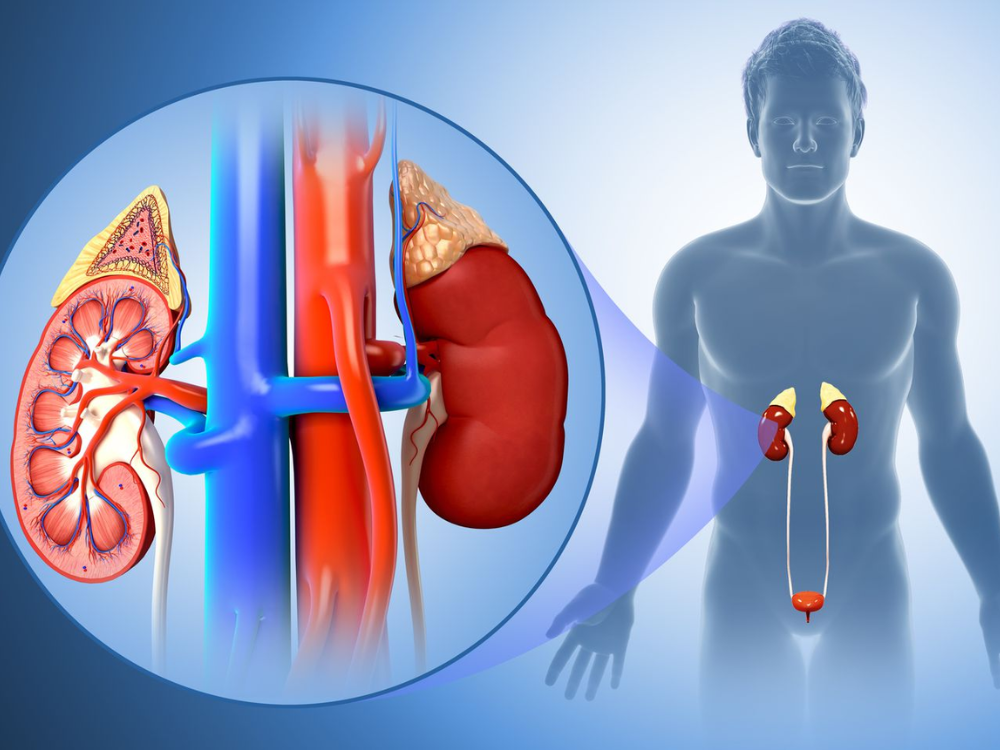
5. Persistent Fatigue
Fatigue is one of the most common symptoms associated with many types of cancer.
Unlike ordinary tiredness, cancer-related fatigue often:
- Persists despite rest
- Interferes with daily activities
- Feels overwhelming
Possible Causes
Fatigue may develop due to:
- Anemia
- Inflammation
- Metabolic changes
- The body's response to cancer
If exhaustion becomes chronic and unexplained, medical evaluation may be warranted.
6. Fever Without an Obvious Cause
A persistent low-grade fever that is not linked to infection may sometimes occur in people with kidney cancer.
Characteristics
The fever may:
- Come and go
- Last for several weeks
- Occur without cold or flu symptoms
Why It Happens
Certain cancers can trigger immune responses that affect body temperature regulation.
While fever has many possible causes, unexplained fevers should be investigated.
7. Anemia and Related Symptoms
The kidneys help produce a hormone called erythropoietin, which stimulates red blood cell production.
When kidney function is disrupted, anemia may develop.
Symptoms of Anemia
- Fatigue
- Weakness
- Pale skin
- Dizziness
- Shortness of breath
Blood tests often reveal anemia before its cause becomes obvious.
Additional Symptoms That May Occur
Although less common, some people with kidney cancer may also experience:
- Night sweats
- Swelling in the legs or ankles
- High blood pressure
- Loss of appetite
- General feelings of illness
The presence of multiple symptoms may increase the need for further evaluation.
Risk Factors for Kidney Cancer
Several factors may increase the likelihood of developing kidney cancer.
Smoking
Smoking is one of the strongest risk factors.
Obesity
Excess body weight has been linked to increased kidney cancer risk.
High Blood Pressure
Long-term hypertension may contribute to kidney damage and increased risk.
Family History
Having a close relative with kidney cancer may raise risk.
Age
Kidney cancer becomes more common with increasing age.
Certain Workplace Exposures
Exposure to some industrial chemicals may increase risk.
Understanding these factors can help individuals make informed health decisions.
Why Early Detection Matters
Kidney cancer is often more treatable when detected at an early stage.
When diagnosed early, treatment options may include:
- Surgery
- Partial kidney removal
- Tumor ablation
- Targeted therapies
- Immunotherapy
Early detection may improve outcomes and increase treatment options.
How Kidney Cancer Is Diagnosed
Healthcare providers may use several tests to investigate symptoms.
Urine Tests
These tests can detect blood or other abnormalities.
Blood Tests
Blood work can help evaluate kidney function and identify anemia.
Imaging Studies
Common imaging tests include:
- Ultrasound
- CT scans
- MRI scans
Biopsy
In some cases, a tissue sample may be obtained for analysis.
Can Kidney Cancer Be Prevented?
While not all cases can be prevented, certain lifestyle habits may help reduce risk.
Avoid Smoking
Quitting smoking is one of the most effective preventive measures.
Maintain a Healthy Weight
Regular exercise and balanced nutrition support overall health.
Control Blood Pressure
Managing hypertension may help protect kidney health.
Stay Hydrated
Adequate hydration supports normal kidney function.
Attend Regular Health Checkups
Routine medical care may help identify health concerns early.
When Should You See a Doctor?
Medical evaluation is recommended if you experience:
- Blood in the urine
- Persistent side or back pain
- Unexplained weight loss
- Ongoing fatigue
- Unexplained fever
- A noticeable abdominal lump
Prompt attention to symptoms may help identify problems before they become more serious.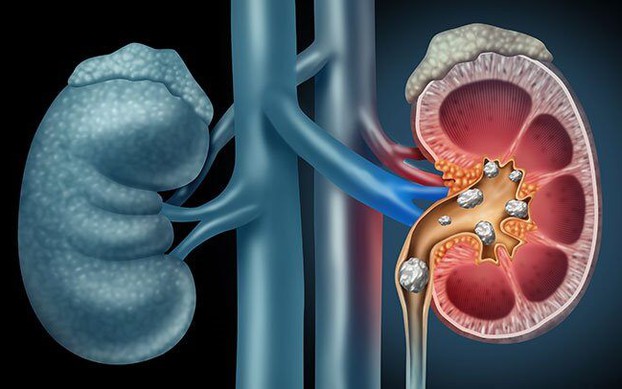
Final Thoughts
Kidney cancer often develops quietly, which is why awareness of potential warning signs is so important. Blood in the urine, persistent flank pain, abdominal masses, unexplained weight loss, fatigue, fever, and anemia are among the symptoms that deserve attention.
Most people who experience these symptoms do not have kidney cancer. However, persistent or unusual changes in your health should never be ignored. Paying attention to your body's signals and seeking medical advice when symptoms arise can help ensure earlier diagnosis, more treatment options, and better long-term outcomes.
When it comes to kidney cancer, awareness and timely medical evaluation can make a meaningful difference.