
Doctors Reveal What Eating Eggs in the Morning May Do to Your Body
🍳 What Happens When You Eat Eggs Every Morning? Doctors Explain…
⏱️ 1 min read 25/08/2026 23:03
The image tells a dramatic story: someone reportedly drank lemon water every day for two years to control high blood pressure, followed by an alarming medical outcome.
Stories like this can spread quickly because they combine a familiar household drink with a serious health condition. But there is an important distinction between a food that may be part of a healthy lifestyle and a treatment that can safely control a medical condition.
Lemon water can be refreshing, help some people drink more fluids, and provide a small amount of vitamin C. However, there is no good evidence that drinking lemon water by itself can reliably control hypertension or replace prescribed blood-pressure medication.
The real lesson is not that lemon water is dangerous. It is that high blood pressure should be managed with evidence-based care rather than relying on a single food or drink.
Lemons contain vitamin C and other plant compounds, but adding lemon juice to water does not transform the drink into a medication.
Some studies have investigated citrus fruits and cardiovascular health, and diets rich in fruits and vegetables are generally associated with better cardiovascular outcomes. However, that is very different from proving that lemon water alone can treat hypertension.
Blood pressure is influenced by numerous factors, including:
• Genetics
• Sodium intake
• Body weight
• Physical activity
• Alcohol consumption
• Stress and sleep
• Kidney function
• Hormonal factors
• Certain medications
Because hypertension has multiple causes and risk factors, treating it usually requires a comprehensive approach.
There is one simple benefit worth recognizing.
Some people do not drink enough fluids during the day. Adding lemon can make plain water more appealing, encouraging them to drink it instead of sugary beverages.
Replacing soda, sweetened tea, or other high-calorie drinks with unsweetened lemon water may support a healthier diet.
But the benefit comes primarily from choosing water instead of less healthy beverages, not from a special blood-pressure-lowering effect of lemon.
In other words, lemon water can be a healthy habit without being a cure.
This is one of the most important facts about hypertension.
Many people with high blood pressure feel completely normal.
That means you cannot reliably determine whether your blood pressure is controlled by how you feel after drinking lemon water—or by whether you have headaches, dizziness, or other symptoms.
The only way to know your blood pressure is to measure it properly.
Someone can feel perfectly healthy while their blood pressure remains dangerously elevated.
That is why regular monitoring matters, particularly for people who have already been diagnosed with hypertension.
One of the biggest risks associated with viral “natural remedy” stories is that readers may interpret them as evidence that medication is unnecessary.
That can be dangerous.
If a doctor has prescribed blood-pressure medication, do not stop taking it because a particular food, tea, supplement, or drink appears to work in an online story.
Blood-pressure medications work through specific physiological mechanisms, and treatment is often adjusted according to repeated measurements and a person's overall cardiovascular risk.
If you want to reduce or discontinue medication, discuss it with your healthcare professional.
Sometimes lifestyle improvements can reduce the amount of medication a person needs—but that decision should be based on actual blood-pressure readings and medical supervision.
Another popular claim is that lemon water can dissolve plaque or “clean” blocked arteries.
There is no evidence that drinking lemon water physically removes atherosclerotic plaque from arteries.
Atherosclerosis develops over years through complex interactions involving cholesterol, inflammation, blood pressure, smoking, diabetes, genetics, and other factors.
There is no simple drink that can scrub plaque from blood vessels.
However, a diet that emphasizes fruits, vegetables, whole grains, legumes, nuts, fish, and other minimally processed foods can support cardiovascular health as part of an overall lifestyle.
That is a much more realistic message than promising an instant artery cleanse.
If your goal is to improve blood pressure through diet, focusing exclusively on lemon misses a much bigger factor: sodium intake.
Many people consume large amounts of sodium through processed foods, restaurant meals, packaged snacks, sauces, cured meats, and other prepared foods.
Reducing excessive sodium intake can help lower blood pressure, particularly in people who are salt-sensitive.
At the same time, diet quality matters as a whole.
The DASH eating pattern, for example, emphasizes vegetables, fruits, whole grains, beans, nuts, low-fat dairy products, and appropriate protein sources while limiting sodium and highly processed foods.
That type of dietary pattern has substantially more evidence behind it than lemon water as a strategy for controlling hypertension.
Potassium plays an important role in fluid balance and blood-pressure regulation.
Many fruits and vegetables provide potassium naturally, which is one reason a plant-rich diet can be beneficial for cardiovascular health.
But people with kidney disease or certain medications may need to be cautious about potassium intake.
This is another reason why generalized “blood-pressure hacks” can be misleading.
A recommendation that is appropriate for one person may not be appropriate for someone with kidney problems, heart disease, or a particular medication regimen.
Although lemon water is generally safe for most people, drinking large amounts frequently can have disadvantages.
Lemon juice is acidic. Regular exposure to acidic drinks may contribute to tooth enamel erosion, particularly when consumed frequently throughout the day.
If you drink lemon water regularly, consider using a straw, avoiding prolonged sipping, and rinsing your mouth with plain water afterward. Do not brush immediately after consuming an acidic drink, because the enamel may temporarily be more vulnerable.
Some people with acid reflux or sensitive stomachs may also find acidic drinks uncomfortable.
So even a seemingly harmless beverage should be used sensibly.
If you want to improve your blood pressure, focus on strategies supported by evidence.
Build meals around vegetables, fruits, whole grains, legumes, nuts, seeds, fish, and other nutrient-dense foods.
Limit excessive sodium, highly processed foods, added sugars, and excessive saturated fat.
Regular aerobic activity and strength training can contribute to healthier blood pressure.
Even moderate activities such as brisk walking can be useful when performed consistently.
For people who are overweight, even modest weight loss can improve cardiovascular risk factors, including blood pressure.
Excessive alcohol consumption can raise blood pressure and increase cardiovascular risk.
Smoking damages blood vessels and dramatically increases cardiovascular risk.
Poor sleep and conditions such as sleep apnea can contribute to hypertension.
If you regularly snore loudly, wake up gasping, or feel extremely tired during the day, discuss the possibility of sleep apnea with a healthcare professional.
If you have hypertension, home monitoring can provide useful information.
Use a validated upper-arm blood-pressure monitor and follow proper measurement technique.
Before measuring, sit quietly for several minutes. Keep your back supported, feet flat on the floor, and arm supported at heart level.
Avoid measuring immediately after exercise, caffeine, or smoking.
One isolated reading does not always tell the whole story. Repeated readings over time are much more informative.
Keep a record and share it with your healthcare professional when appropriate.
This is where people should be particularly careful with viral health advice.
If your blood pressure is extremely high, do not try to bring it down with lemon water or another home remedy.
If a reading is 180/120 mm Hg or higher, repeat the measurement after resting briefly and follow appropriate medical guidance. If it remains that high, seek urgent medical advice.
If very high blood pressure occurs together with symptoms such as chest pain, shortness of breath, severe headache, confusion, weakness, numbness, vision changes, or difficulty speaking, seek emergency medical care immediately.
These symptoms can indicate a serious medical emergency.
The photograph does not provide enough information to determine why the person was hospitalized or what actually happened.
The claim that someone drank lemon water for two years and then experienced a serious medical event cannot establish that lemon water caused or prevented the outcome.
Without medical records, blood-pressure measurements, medications, underlying conditions, and other relevant information, it would be irresponsible to assign a cause.
A dramatic before-and-after story is not the same thing as scientific evidence.
Lemon water is generally a perfectly reasonable beverage for most people. It can help make water more enjoyable and may be a healthier alternative to sugary drinks.
But it should never be treated as a substitute for proper hypertension management.
Remember:
Lemon water does not reliably control high blood pressure by itself.
It does not dissolve artery plaque.
It cannot replace prescribed medication.
A healthy diet and regular physical activity matter much more.
Blood pressure must be measured rather than guessed from symptoms.
Extremely high readings or concerning symptoms require prompt medical attention.
The healthiest takeaway from this viral image is therefore not “stop drinking lemon water.”
It is:
Enjoy lemon water if you like it—but don't let a simple drink become a substitute for real blood-pressure care.
For hypertension, the boring stuff is often the powerful stuff: regular monitoring, appropriate medication when needed, less sodium, a nutritious diet, physical activity, healthy sleep, avoiding tobacco, and consistent medical follow-up.
🍳 What Happens When You Eat Eggs Every Morning? Doctors Explain…

❤️ Feeling Your Heartbeat While Lying Down? Here’s What It Could Mean…
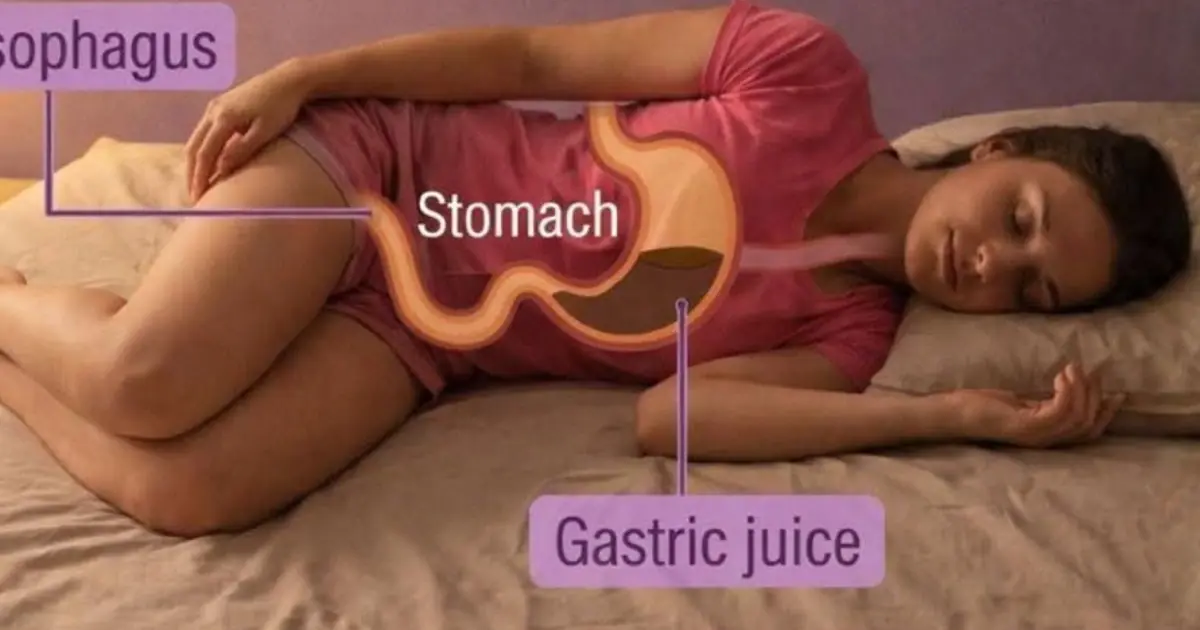
A simple sleeping position may offer surprising benefits for your body.
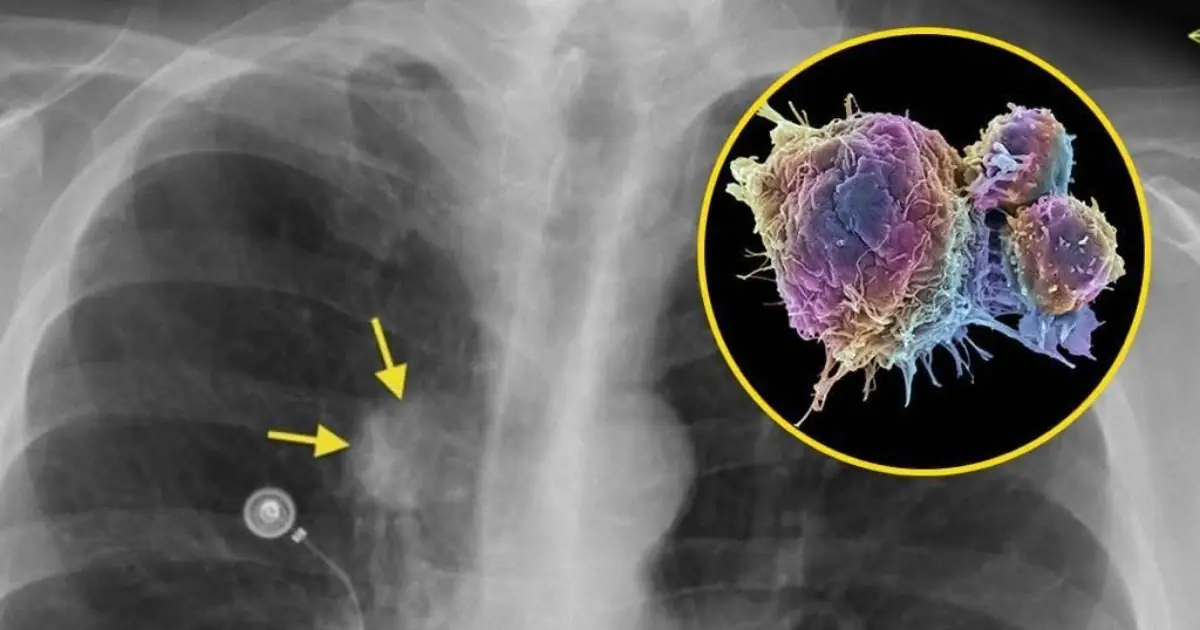
Recognizing unusual symptoms early may help prompt timely medical care.

If You See This Type of Chicken, Doctors Advise You to Throw It Out Immediately

🚨 9 Signs Your Blood Sugar May Be Trying to Tell You Something…
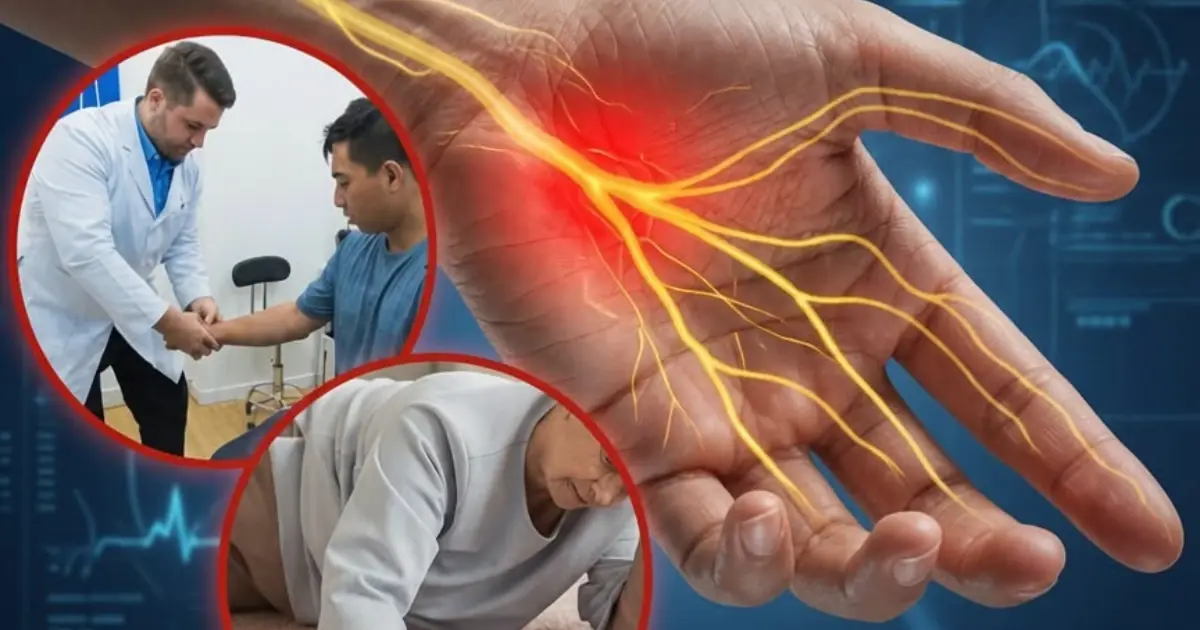
4 Early Warning Signs That Could Show Up Minutes Before a Stroke — Don’t Ignore Them
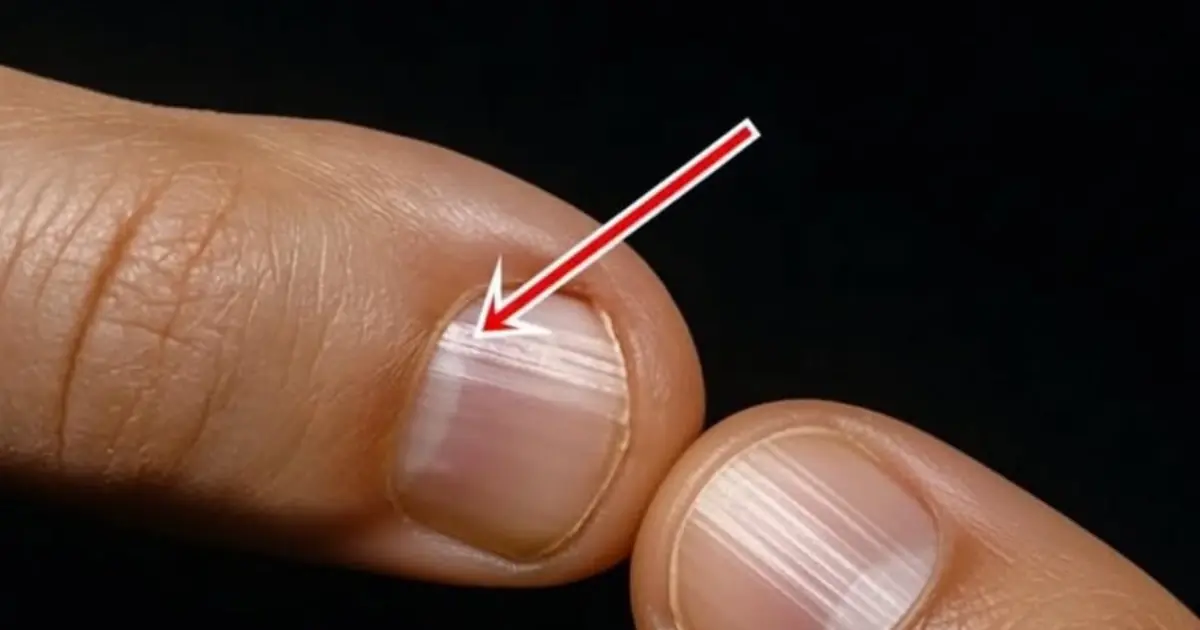
After 40, Your Nails Can Reveal Hidden Changes in Your Body—Don’t Ignore This
The Body Whispers First: Warning Signs of Breast Can.cer That May Appear a Year Before Diagnosis

Many people dismiss nighttime leg cramps as nothing more than a sign of overexertion or dehydration. While occasional muscle cramps are common and usually harmless, frequent or severe episodes can sometimes point to underlying health issues that deserve a

Your Thyroid Is Begging You to Stop Eating These 6 Foods Immediately

Can one simple food really lower blood sugar? Here's the real story.
Cloves are much more than just a sweet, aromatic spice used in cooking; for centuries, they have been valued in traditional medicine for their powerful therapeutic properties. Packed with essential nutrients, vitamins, minerals, and potent plant compounds

What Happens to Your Body When You Eat a Banana Before Bed? Doctors Explain

Tilapia is a popular fish worldwide known for its mild flavor, affordability, and nutritional value. It is high in protein and contains several important nutrients, such as vitamin B12 and vitamin D. However, the safety and ethical concerns related to cer

Stroke can happen at any age, and early action can save lives.

🩺 If Your Kidneys Are in Danger, Your Body Will Warn You With These 8 Signs

If You Wear Socks to Bed, You Should Know This

Are You Sleeping the Wrong Way? This Position May Be Impacting Your Health.
🍳 What Happens When You Eat Eggs Every Morning? Doctors Explain…
❤️ Feeling Your Heartbeat While Lying Down? Here’s What It Could Mean…
A simple sleeping position may offer surprising benefits for your body.
Recognizing unusual symptoms early may help prompt timely medical care.
Most smartphone users overlook these surprisingly useful button shortcuts.
If You See This Type of Chicken, Doctors Advise You to Throw It Out Immediately
A simple intersection puzzle is challenging logic and road-rule knowledge.
Experts say daily food choices may play a key role in brain aging.
New research raises concerns about a common compound found in breakfast staples.
🚨 9 Signs Your Blood Sugar May Be Trying to Tell You Something…
4 Early Warning Signs That Could Show Up Minutes Before a Stroke — Don’t Ignore Them
As one of the most nutrient-dense foods on the planet, salmon has long been celebrated by health experts and culinary enthusiasts alike. Beyond its rich flavor and versatility in the kitchen, this popular fatty fish offers an impressive array of health be
A simple photo sparked confusion online as thousands mistook a fence for a lake.
After 40, Your Nails Can Reveal Hidden Changes in Your Body—Don’t Ignore This
The Body Whispers First: Warning Signs of Breast Can.cer That May Appear a Year Before Diagnosis
A small purple butterfly carries a message of love, loss, and compassion.
Many people dismiss nighttime leg cramps as nothing more than a sign of overexertion or dehydration. While occasional muscle cramps are common and usually harmless, frequent or severe episodes can sometimes point to underlying health issues that deserve a
Your Thyroid Is Begging You to Stop Eating These 6 Foods Immediately
Can one simple food really lower blood sugar? Here's the real story.