Okra is a familiar vegetable in many kitchens, but in recent years, okra water has become a popular wellness trend.
The idea is simple: soak sliced okra in water for several hours, then drink the liquid. Because okra becomes naturally slimy when it comes into contact with water, the resulting drink has a slightly thick texture that some people believe may offer digestive, blood-sugar, and hydration benefits.
Social media has turned okra water into something of a health phenomenon, with claims ranging from “balancing blood sugar” to “cleaning the body.”
But what does this drink actually offer?
The reality is more nuanced. Okra itself is a nutritious vegetable containing fiber, vitamins, minerals, and plant compounds. Drinking the soaking water may provide some soluble components from the vegetable, but it should not be viewed as a miracle drink or a treatment for medical conditions.
Still, as part of a balanced diet, okra can be a useful food for the whole family.
Here are eight potential benefits worth knowing about.
1. It Can Help Increase Your Intake of Water
The most basic benefit of okra water is also one of the easiest to overlook: it is still water.
Staying adequately hydrated is important for normal body functions, including temperature regulation, digestion, circulation, and kidney function.
Some people struggle to drink enough plain water because they find it boring. Adding soaked okra can create a different texture and flavor that makes hydration more interesting.
For children and adults alike, making water more appealing can sometimes help support better drinking habits.
However, okra water should not be thought of as a special hydration formula. Plain water remains an excellent choice.
2. Okra Is Naturally Rich in Fiber
One of the most valuable nutritional characteristics of whole okra is its fiber.
Fiber contributes to normal digestive function and can help support regular bowel movements. It also contributes to feelings of fullness and is associated with broader metabolic and cardiovascular benefits when consumed as part of a healthy diet.
The important distinction is that eating whole okra generally provides more fiber than drinking only the water in which okra has been soaked.
The slimy texture comes partly from soluble fiber and other compounds that can dissolve into water, but you should not assume that all of the vegetable's fiber ends up in the drink.
If improving fiber intake is your goal, eating the okra itself is generally the more nutritious option.
3. It May Support Digestive Health
The soluble fiber and mucilaginous compounds in okra have made it popular among people interested in digestive wellness.
These substances can contribute to the characteristic gel-like texture that appears when okra is cut and soaked.
Fiber interacts with water in the digestive tract and can help support normal stool consistency and bowel regularity.
For people who don't eat many vegetables, introducing more okra into meals can be a simple way to increase plant-food variety.
But okra water should not be promoted as a detox or cure for digestive diseases.
Persistent constipation, severe abdominal pain, blood in the stool, unexplained weight loss, or major changes in bowel habits require medical evaluation rather than a homemade drink.
4. It May Be Part of a Blood-Sugar-Friendly Diet
This is probably one of the biggest reasons okra water has become popular online.
Okra contains soluble fiber and plant compounds that researchers have studied for possible effects on glucose metabolism.
Some early research, including laboratory and animal studies, suggests that components of okra may influence blood-glucose absorption or metabolism.
But this does not mean that drinking okra water has been proven to lower blood sugar in people with diabetes.
That's an important distinction.
A healthy diet that emphasizes vegetables, legumes, whole grains, lean proteins, and minimally processed foods can support metabolic health.
Okra can fit very well into that pattern.
But someone with diabetes should not stop taking medication or replace prescribed treatment with okra water.
5. Okra Provides Important Vitamins and Minerals
Whole okra contains a variety of micronutrients, including vitamin C, vitamin K, folate, magnesium, and other minerals, although exact amounts depend on the portion and preparation.
These nutrients play different roles in the body.
Vitamin C supports normal immune function and collagen production.
Vitamin K is involved in normal blood clotting and bone metabolism.
Folate is important for DNA synthesis and cell division and is particularly important during pregnancy.
Magnesium participates in numerous biochemical reactions involving muscles, nerves, and energy metabolism.
However, drinking the soaking water does not necessarily provide the same nutritional value as eating the vegetable.
That's another reason whole okra remains the more nutritionally complete choice.
6. It Can Add More Plant Foods to the Family Diet
One underrated benefit of a food like okra is simply that it encourages people to eat more vegetables.
A family that regularly incorporates okra into meals is increasing its exposure to plant-based foods.
Okra can be added to:
-
Vegetable stews
-
Soups
-
Curries
-
Stir-fries
-
Roasted vegetable dishes
-
Bean-based meals
-
Grain bowls
-
Salads
It can also be prepared in ways that make it more appealing to children.
Sometimes, improving health isn't about finding one extraordinary food.
It's about making nutritious foods normal parts of everyday meals.
7. It Contains Antioxidant Plant Compounds
Okra contains various naturally occurring plant compounds, including polyphenols and other substances with antioxidant activity.
Antioxidants help protect cells from oxidative damage associated with reactive molecules produced during normal metabolism.
Researchers have investigated okra extracts and its plant compounds for potential antioxidant and anti-inflammatory effects.
These findings are interesting, but laboratory research should not be mistaken for proof of a clinical benefit from drinking homemade okra water.
A more reliable strategy is to eat a wide variety of colorful plant foods.
Different vegetables and fruits provide different types of beneficial compounds, so dietary diversity is more useful than relying heavily on one ingredient.
8. It Can Be a Low-Calorie Alternative to Sugary Drinks
For people who regularly consume soda, sweetened tea, or sugary juice drinks, replacing some of those beverages with unsweetened okra water could have an indirect benefit.
The key isn't that okra water magically burns fat.
It's that an unsweetened beverage can help reduce added-sugar intake.
Over time, reducing sugary drinks can support healthier calorie balance and better overall diet quality.
This can be particularly useful for families where sweetened beverages have become part of everyday meals.
The change may seem small, but repeated habits can matter.
How Is Okra Water Made?
There are several variations, but the basic approach is straightforward.
Wash fresh okra thoroughly.
Slice several pods into pieces.
Place them in a clean container of water.
Refrigerate and allow them to soak for several hours or overnight.
Remove the pieces before drinking, or leave some of the okra in the drink depending on your preference.
Because the drink is made from a raw vegetable, food safety matters.
Use clean utensils and a clean container, refrigerate it during soaking, and avoid leaving it at room temperature for extended periods.
Can You Drink It Every Day?
For most healthy adults, consuming okra as part of a varied diet is generally reasonable.
But there is no strong evidence establishing that everyone needs to drink okra water every day.
You don't need a daily glass simply because something is trending online.
If you enjoy it and it helps you replace sugary drinks, it can be a reasonable addition to your routine.
But don't feel that you are missing out if you prefer eating okra normally.
In nutritional terms, whole vegetables generally offer more complete benefits than strained or infused versions.
Is Okra Water Safe for Children?
There is no special need for children to drink okra water as a health treatment.
Children need balanced meals containing protein, whole grains or other carbohydrate sources, healthy fats, fruits, vegetables, and appropriate fluids.
Water remains the primary beverage.
If children enjoy okra, serving properly cooked okra as part of meals is generally a more useful way to include its nutrients than relying on the soaking liquid.
For infants and very young children, food texture and choking risk need to be considered, and age-appropriate feeding recommendations should take priority.
What About Pregnancy?
Okra can be part of a varied diet during pregnancy.
Its folate and other nutrients can contribute to overall nutritional intake.
However, drinking okra water has not been established as a treatment for pregnancy-related blood-sugar problems, constipation, or other medical conditions.
Pregnant women with gestational diabetes or other complications should follow guidance from their healthcare professionals rather than relying on internet wellness claims.
Food safety is also especially important during pregnancy, so produce should be washed and handled carefully.
Can Okra Water Cure Diabetes?
No.
This is one of the most important myths to address.
There is currently no basis for claiming that homemade okra water can cure diabetes.
Diabetes is a complex metabolic condition that requires appropriate management.
Depending on the type and individual circumstances, treatment may include nutrition changes, physical activity, medications, glucose monitoring, and other medical care.
Okra may be included in a diabetes-friendly diet, but it should not replace evidence-based treatment.
Can It Lower Cholesterol?
Okra contains fiber and other plant compounds that may fit within a heart-healthy eating pattern.
Higher fiber intake from plant foods is generally associated with better cardiovascular health.
But drinking okra water itself has not been established as a reliable treatment for high cholesterol.
If your cholesterol is elevated, the important steps include looking at the entire diet, physical activity, smoking status, body weight, blood pressure, family history, and medical treatment when appropriate.
What About Weight Loss?
Okra water is sometimes marketed as a “fat-burning” drink.
There is no good reason to think that drinking soaked okra water directly causes significant fat loss.
Weight loss ultimately depends on the overall relationship between energy intake and expenditure.
However, replacing a high-calorie sugary beverage with an unsweetened drink can reduce calorie intake.
That is a real and practical benefit.
So, the useful part of the habit is the substitution, not a magical property of okra water.
Why Whole Okra May Be Better
If you enjoy okra, there is a strong argument for simply eating the vegetable.
Whole okra provides:
Fiber
Vitamins
Minerals
Plant compounds
Water
and other components that may be lost or reduced when only the soaking water is consumed.
You can still drink the water if you enjoy it, but don't let it replace vegetables in your diet.
Think of okra water as an optional beverage—not the main nutritional event.
Who Should Be Careful?
Most people can eat okra without major problems.
However, anyone with a known food allergy should avoid it.
People taking medications that affect blood clotting may also want to discuss major dietary changes with their healthcare professional, particularly because okra contains vitamin K.
Individuals with significant digestive problems may experience bloating or discomfort when increasing fiber quickly.
And anyone with a diagnosed medical condition should be careful about using okra water as an alternative treatment.
The Biggest Myth About Okra Water
Perhaps the biggest misunderstanding is the idea that one glass can somehow “clean” your body.
Your liver and kidneys already perform the body's major detoxification and waste-management functions.
You don't need a special beverage to “flush out toxins.”
What your body does benefit from is much more straightforward:
Adequate hydration.
Enough fiber.
A varied diet.
Regular physical activity.
Good sleep.
Appropriate medical care.
Okra can fit into that picture without needing exaggerated claims.
A Simple Way to Use Okra as a Family Food
Instead of making okra water the centerpiece of your health routine, try making the vegetable itself part of family meals.
Add it to a soup with beans and tomatoes.
Cook it with other vegetables.
Roast it with herbs and spices.
Add it to a grain bowl.
Serve it alongside lean protein.
This approach gives you more of the vegetable's complete nutritional profile and makes it easier to build a genuinely varied diet.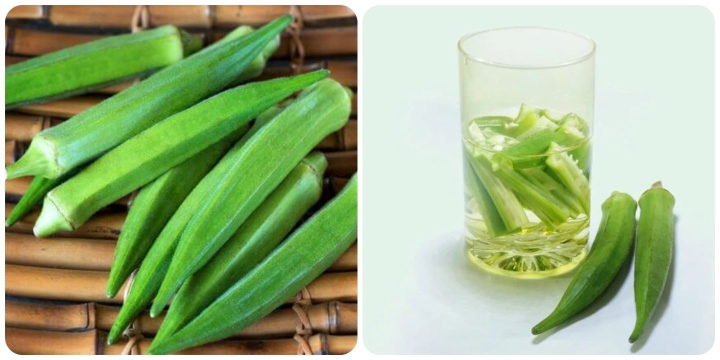
The Bottom Line
Okra is a nutritious vegetable that can contribute fiber, vitamins, minerals, and beneficial plant compounds to a balanced diet.
Drinking water infused with okra has become popular because of its slimy texture and the belief that certain compounds may support digestion and blood-sugar control.
There may be some nutritional value in the water, but the evidence does not justify claims that okra water can cure diabetes, dramatically lower cholesterol, detox the body, or produce rapid weight loss.
For most families, the better takeaway is much simpler:
Eat more vegetables, drink enough water, limit sugary beverages, and think of okra as one useful food among many.
If you enjoy okra water, there is nothing inherently wrong with incorporating it into a healthy routine. Just don't let the trend distract you from the basics.
Sometimes the most powerful “health drink” is simply a glass of water alongside a plate full of real, nutrient-rich food.