Food plays a central role in health and well-being, providing the nutrients our bodies need to function properly. However, like bacteria and viruses, parasites can sometimes be transmitted through food when proper food safety practices are not followed.
The good news is that foodborne parasite infections are relatively uncommon in many parts of the world, especially when foods are sourced responsibly and prepared correctly. Understanding which foods may carry a higher risk can help consumers make informed choices and reduce their chances of exposure.
It's important to note that these foods are not inherently dangerous. In fact, many of them can be nutritious and delicious when handled, stored, and cooked appropriately. The key is knowing where risks may exist and how to minimize them.
Let's explore four common food categories that may occasionally harbor parasites and the steps you can take to stay safe.

What Are Foodborne Parasites?
Parasites are organisms that live on or inside another organism and obtain nutrients from their host.
Common Types Include
-
Protozoa
-
Helminths (worms)
-
Tapeworms
-
Roundworms
Some parasites can be transmitted through contaminated food or water.
How Do Parasites Enter Food?
Parasites may contaminate food during:
Production
-
Farming
-
Fishing
-
Animal raising
Processing
-
Improper handling
-
Contaminated equipment
Preparation
-
Inadequate cooking
-
Poor hygiene practices
Understanding these pathways is the first step toward prevention.
Food #1: Raw or Undercooked Fish
Fish is an excellent source of protein, omega-3 fatty acids, vitamins, and minerals.
However
Certain species of raw or undercooked fish may occasionally contain parasites.
Examples Include
-
Salmon
-
Herring
-
Cod
-
Mackerel
Why Raw Fish Can Present Risks
Cooking typically destroys parasites.
When fish is consumed raw or undercooked, the risk may increase.
What About Sushi?
Many reputable sushi establishments use fish that has been frozen according to food safety standards designed to reduce parasite risks.
Safety Tips
-
Purchase seafood from trusted sources.
-
Follow storage recommendations.
-
Cook fish thoroughly when appropriate.
Food #2: Undercooked Pork
Pork has historically been associated with certain parasite concerns.
Modern Food Safety Practices Have Reduced Risks Significantly
However, proper cooking remains important.
Why Cooking Matters
Heat effectively destroys many parasites and other pathogens.
Safe Practices Include
-
Cooking pork to recommended temperatures.
-
Using a food thermometer.
-
Avoiding cross-contamination.
Common Misconception
Many people believe all pork is dangerous.
In reality, properly sourced and thoroughly cooked pork is generally considered safe.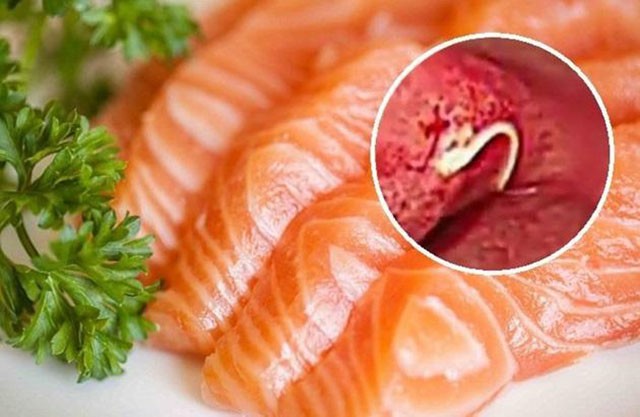
Food #3: Unwashed Fruits and Vegetables
Fruits and vegetables are among the healthiest foods available.
They Provide
-
Fiber
-
Vitamins
-
Minerals
-
Antioxidants
However, produce can occasionally become contaminated.
How Contamination May Occur
Through
-
Soil
-
Water
-
Animal contact
-
Handling during transportation
Why Washing Is Important
Rinsing produce under running water may help remove:
-
Dirt
-
Debris
-
Certain microorganisms
Helpful Practices
-
Wash produce before eating.
-
Clean cutting boards.
-
Separate produce from raw meats.
Food #4: Raw or Undercooked Meat
Various types of meat can occasionally carry parasites if not properly cooked.
Examples May Include
-
Beef
-
Lamb
-
Wild game
Why Thorough Cooking Matters
Cooking helps eliminate many organisms that could potentially cause illness.
Important Safety Measures
-
Cook meat to recommended temperatures.
-
Store meat properly.
-
Avoid consuming raw meat products from questionable sources.
Signs of Possible Foodborne Illness
Foodborne illnesses can have many causes, not just parasites.
Symptoms May Include
-
Nausea
-
Vomiting
-
Diarrhea
-
Abdominal discomfort
-
Fatigue
-
Fever
Symptoms vary depending on the organism involved.
When to Seek Medical Attention
Consult a healthcare professional if symptoms are:
-
Severe
-
Persistent
-
Accompanied by dehydration
-
Associated with significant weight loss
How to Reduce Your Risk
Fortunately, many foodborne illnesses can be prevented.
Practice Good Hand Hygiene
Wash hands thoroughly before:
Activities Such As
-
Cooking
-
Eating
-
Handling food
Cook Foods Properly
Heat remains one of the most effective methods for reducing many food-related risks.
Use
-
Food thermometers
-
Reliable cooking guidelines
Wash Produce Carefully
Fresh fruits and vegetables should be cleaned before consumption.
Especially Important For
-
Leafy greens
-
Berries
-
Produce eaten raw
Avoid Cross-Contamination
Separate:
-
Raw meats
-
Seafood
-
Ready-to-eat foods
Use separate cutting boards when possible.
Store Foods Safely
Proper refrigeration helps maintain food quality and safety.
Follow Recommended Storage Temperatures
Especially for:
-
Meat
-
Seafood
-
Dairy products
Common Myths About Parasites in Food
Myth 1: Parasites Are Visible to the Naked Eye
Many parasites are microscopic.
Myth 2: Only Raw Foods Carry Risk
Contamination can occur in various foods under certain conditions.
Myth 3: Organic Foods Never Contain Parasites
Food safety practices remain important regardless of production methods.
Myth 4: Washing Hands Isn't Important
Hand hygiene remains one of the simplest and most effective safety measures.
The Role of Food Safety Regulations
Modern food systems include multiple layers of protection.
These May Include
-
Inspection programs
-
Processing standards
-
Refrigeration requirements
-
Safety monitoring
These systems help reduce risk throughout the food supply chain.
The Bigger Picture
While stories about parasites in food can sound alarming, it is important to keep the risk in perspective.
Most Foods Are Safe When
-
Properly sourced
-
Properly stored
-
Properly prepared
Food safety is not about fear—it is about awareness and good habits.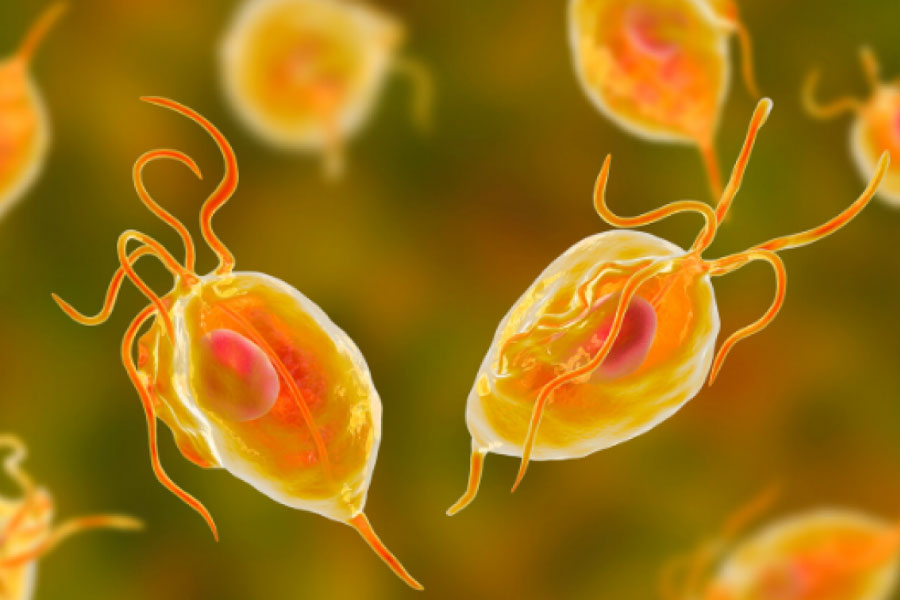
Final Thoughts
Parasites can occasionally be found in certain foods, particularly raw or undercooked fish, undercooked pork, unwashed produce, and inadequately cooked meats. However, these foods do not need to be avoided entirely. Instead, proper food handling, thorough cooking, careful washing, and good kitchen hygiene remain the most effective ways to reduce risk.
By understanding where foodborne parasites may occur and following basic food safety principles, individuals can continue enjoying a wide variety of nutritious foods while protecting themselves and their families. Awareness, rather than avoidance, is often the best strategy for maintaining both safety and a healthy diet.