The liver is one of the body's most vital organs, performing hundreds of essential functions every day. It helps filter toxins from the blood, produces proteins needed for blood clotting, stores energy, supports digestion by producing bile, and plays a key role in regulating metabolism. Because the liver affects so many systems, problems with liver health can sometimes show up in unexpected ways including symptoms involving the head, face, eyes, or mouth.
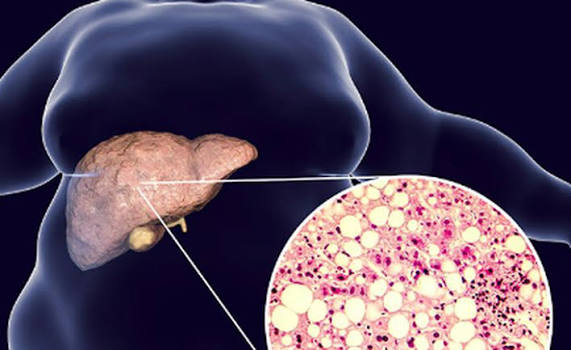
Liver fibrosis occurs when repeated injury to the liver causes scar tissue to replace healthy liver tissue. In its early stages, fibrosis often causes few or no symptoms. As scarring progresses, however, liver function may gradually decline, leading to a wide range of signs throughout the body.
It's important to note that head or facial symptoms alone cannot diagnose liver fibrosis. Many common conditions—including allergies, migraines, eye disorders, vitamin deficiencies, infections, and dehydration—can cause similar symptoms. However, when these changes occur alongside fatigue, abdominal swelling, yellowing of the skin, or other signs of liver disease, they deserve medical attention.
Here are 5 head-related symptoms that may sometimes be associated with advanced liver disease or liver fibrosis.
1. Yellowing of the Eyes (Jaundice)
One of the most recognizable signs of significant liver dysfunction is jaundice, which often first appears in the whites of the eyes before becoming noticeable in the skin.
Jaundice develops when the liver cannot efficiently process bilirubin, a yellow pigment produced during the normal breakdown of red blood cells. As bilirubin builds up in the bloodstream, it can discolor the eyes and skin.
You may notice:
-
Yellowing of the whites of the eyes
-
Yellow-tinted skin
-
Dark-colored urine
-
Pale or clay-colored stools
-
General fatigue
Although liver fibrosis can contribute to jaundice, other conditions such as gallstones, hepatitis, bile duct obstruction, or certain blood disorders may also cause it.
Because jaundice often signals an underlying medical problem, it should always be evaluated by a healthcare professional.
2. Persistent Itching Around the Face or Scalp
Persistent itching without an obvious rash may sometimes occur in people with chronic liver disease.
Researchers believe this may be related to changes in bile acid metabolism or other substances that accumulate in the bloodstream when liver function becomes impaired.
The itching may affect:
-
The scalp
-
The face
-
The neck
-
The arms
-
The palms of the hands
-
The soles of the feet
Unlike allergies, liver-related itching often occurs without a visible skin rash.
Persistent itching has many possible causes, including:
-
Dry skin
-
Allergic reactions
-
Eczema
-
Kidney disease
-
Thyroid disorders
If itching is widespread, persistent, or accompanied by jaundice or fatigue, medical evaluation is recommended.
3. Easy Bruising or Bleeding Around the Face and Mouth
The liver produces many of the proteins needed for normal blood clotting.
When liver function becomes significantly impaired, the body may have difficulty forming clots efficiently.
Possible signs include:
-
Frequent nosebleeds
-
Bleeding gums
-
Easy bruising on the face or body
-
Prolonged bleeding after minor cuts
These symptoms are not specific to liver fibrosis and may also result from:
-
Certain medications (such as blood thinners)
-
Vitamin deficiencies
-
Blood disorders
-
Platelet abnormalities
Nevertheless, unexplained bleeding or bruising should always be discussed with a healthcare provider.
4. Mental Confusion or Difficulty Concentrating
As liver disease progresses, some people may develop a condition called hepatic encephalopathy.
This occurs when the liver is no longer able to remove certain waste products efficiently, allowing substances such as ammonia to affect brain function.
Early symptoms may include:
-
Difficulty concentrating
-
Poor memory
-
Trouble completing familiar tasks
-
Mood changes
-
Daytime sleepiness
-
Slower thinking
More advanced symptoms may involve:
-
Confusion
-
Personality changes
-
Slurred speech
-
Tremors
-
Severe drowsiness
Hepatic encephalopathy is a potentially serious complication that requires prompt medical care.
Confusion should never be ignored, especially when accompanied by known liver disease.

5. Persistent Bad Breath With a Sweet or Musty Odor
A less commonly recognized symptom of advanced liver disease is fetor hepaticus, a distinctive breath odor sometimes described as:
-
Sweet
-
Musty
-
Slightly fruity
It is thought to result from volatile compounds that accumulate in the bloodstream when the liver cannot adequately process them.
Bad breath is far more commonly caused by:
-
Poor oral hygiene
-
Gum disease
-
Dry mouth
-
Sinus infections
-
Acid reflux
However, persistent unusual breath odor combined with jaundice, abdominal swelling, or confusion warrants medical evaluation.
What Is Liver Fibrosis?
Liver fibrosis is the gradual formation of scar tissue within the liver after repeated injury.
Unlike healthy liver tissue, scar tissue cannot perform normal liver functions efficiently.
If the underlying cause continues untreated, fibrosis may eventually progress to cirrhosis, in which extensive scarring permanently alters the liver's structure and function.
Early fibrosis may improve or stabilize if the underlying cause is identified and treated.
Common Causes of Liver Fibrosis
Several conditions can damage the liver over time.
These include:
-
Chronic hepatitis B
-
Chronic hepatitis C
-
Non-alcoholic fatty liver disease (NAFLD)
-
Alcohol-related liver disease
-
Autoimmune hepatitis
-
Certain inherited liver disorders
-
Long-term exposure to some medications or toxins
Managing these conditions early may help slow or prevent further scarring.
Other Symptoms That May Accompany Liver Fibrosis
Symptoms involving the head often occur alongside other signs of liver disease.
These may include:
-
Persistent fatigue
-
Weakness
-
Loss of appetite
-
Unexplained weight loss
-
Nausea
-
Swelling in the legs
-
Abdominal swelling due to fluid buildup (ascites)
-
Spider angiomas (small, spider-like blood vessels on the skin)
-
Red palms
-
Dark urine
-
Pale stools
Not everyone experiences the same symptoms, and many people have no symptoms in the early stages.
Who Is at Higher Risk?
Some people are more likely to develop liver fibrosis than others.
Risk factors include:
-
Obesity
-
Type 2 diabetes
-
Heavy alcohol consumption
-
Chronic viral hepatitis
-
High cholesterol
-
Metabolic syndrome
-
Family history of certain liver diseases
Regular medical follow-up may be especially important for individuals with these risk factors.
How Doctors Diagnose Liver Fibrosis
Because symptoms alone cannot confirm liver fibrosis, healthcare professionals may recommend several tests.
These can include:
Blood Tests
Blood tests may assess:
-
Liver enzymes (ALT and AST)
-
Bilirubin
-
Albumin
-
Blood clotting function
-
Platelet count
Abnormal results may suggest liver injury but do not always indicate fibrosis.
Imaging Tests
Common imaging studies include:
-
Ultrasound
-
CT scan
-
MRI
A specialized ultrasound technique called transient elastography (FibroScan®) can estimate liver stiffness, which may help evaluate the degree of fibrosis.
Liver Biopsy
In selected cases, a liver biopsy may be recommended to confirm the diagnosis and assess the extent of scarring.
Although it is considered the reference standard in some situations, it is not necessary for every patient.
Can Liver Fibrosis Be Reversed?
The answer depends on the stage and the underlying cause.
In early fibrosis, reducing or eliminating the source of liver injury may allow the liver to repair some of the damage.
Examples include:
-
Treating hepatitis infections
-
Achieving a healthy weight if fatty liver disease is present
-
Controlling diabetes
-
Avoiding excessive alcohol
-
Following medical treatment plans
Advanced cirrhosis is generally not reversible, but treatment can often slow progression and reduce complications.
How to Help Protect Your Liver
Healthy lifestyle habits can support liver health and reduce the risk of ongoing damage.
Maintain a Healthy Weight
Excess body weight increases the risk of non-alcoholic fatty liver disease, one of the leading causes of liver fibrosis.
Eat a Balanced Diet
Focus on foods such as:
-
Vegetables
-
Fruits
-
Whole grains
-
Beans and legumes
-
Lean protein
-
Healthy fats like olive oil and nuts
Limit:
-
Sugar-sweetened beverages
-
Highly processed foods
-
Excess saturated fat
-
Excessive salt
Limit Alcohol
Heavy alcohol consumption is a major cause of liver damage.
If you drink alcohol, follow your healthcare provider's recommendations or local public health guidance.
Exercise Regularly
Aim for at least 150 minutes of moderate-intensity physical activity each week, along with muscle-strengthening activities on two or more days, if appropriate for your health.
Stay Up to Date With Medical Care
People at risk for liver disease may benefit from regular checkups, blood tests, and appropriate vaccinations, including hepatitis vaccines when recommended.
Common Myths About Liver Fibrosis
Myth 1: Liver Fibrosis Always Causes Pain
Many people with early fibrosis have no symptoms at all.
Myth 2: Yellow Eyes Always Mean Liver Disease
Jaundice has many possible causes, including gallbladder disease, bile duct obstruction, and certain blood disorders.
Myth 3: Herbal Supplements Can Cure Liver Fibrosis
No herbal supplement has been proven to cure liver fibrosis.
Some supplements may even harm the liver.
Always discuss supplements with your healthcare provider.
Myth 4: Only Heavy Drinkers Develop Liver Fibrosis
Non-alcoholic fatty liver disease is now one of the most common causes of liver fibrosis worldwide.
People who rarely or never drink alcohol can still develop significant liver scarring.
When Should You Seek Medical Care?
Schedule an appointment with your healthcare provider if you experience:
-
Persistent yellowing of the eyes
-
Unexplained fatigue
-
Ongoing itching
-
Easy bruising
-
Swelling in the abdomen or legs
-
Persistent digestive symptoms
-
Unexplained weight loss
Seek emergency medical attention immediately if you develop:
-
Confusion or difficulty staying awake
-
Vomiting blood
-
Black, tarry stools
-
Severe abdominal swelling with difficulty breathing
-
Sudden severe jaundice accompanied by fever or intense abdominal pain
These symptoms may indicate serious complications that require urgent evaluation.

Final Thoughts
Liver fibrosis often develops silently over many years, making early detection especially important. While symptoms affecting the head and face such as yellowing of the eyes, persistent itching, unusual bruising or bleeding, mental confusion, and a distinctive musty breath odor can sometimes occur in more advanced liver disease, they are not specific to liver fibrosis and may have many other causes.
Rather than relying on symptoms alone, it's important to seek medical evaluation if these changes persist or occur alongside other signs of liver disease. Blood tests, imaging studies, and, in some cases, specialized assessments such as transient elastography can help determine whether liver damage or fibrosis is present.
Protecting your liver starts with healthy lifestyle choices, including maintaining a balanced diet, staying physically active, limiting alcohol, managing conditions such as diabetes or fatty liver disease, and attending regular medical checkups if you are at increased risk. Early recognition and appropriate treatment can help slow the progression of liver fibrosis and support long-term liver health.